Song Hwee Lim – författare
Visar alla böcker från författaren Song Hwee Lim. Handla med fri frakt och snabb leverans.
13 produkter
Taiwan Cinema as Soft Power
Authorship, Transnationality, Historiography
Inbunden, 2022
1672 kr
Lägg i varukorg
Why has Taiwanese film been so appealing to film directors, critics, and audiences across the world? This book argues that because Taiwan is a nation without hard political and economic power, cinema becomes a form of soft power tool that Taiwan uses to attract global attention, to gain support, …
Taiwan Cinema as Soft Power
Authorship, Transnationality, Historiography
Häftad, 2022
552 kr
Lägg i varukorg
Why has Taiwanese film been so appealing to film directors, critics, and audiences across the world? This book argues that because Taiwan is a nation without hard political and economic power, cinema becomes a form of soft power tool that Taiwan uses to attract global attention, to gain support, …
Taiwan Cinema as Soft Power
Authorship, Transnationality, Historiography
E-bok, 2021
487 kr
Lägg i varukorg
Why has Taiwanese film been so appealing to film directors, critics, and audiences across the world? This book argues that because Taiwan is a nation without hard political and economic power, cinema becomes a form of soft power tool that Taiwan uses to attract global attention, to gain support, …
Taiwan Cinema as Soft Power
Authorship, Transnationality, Historiography
E-bok, 2021
487 kr
Lägg i varukorg
Why has Taiwanese film been so appealing to film directors, critics, and audiences across the world? This book argues that because Taiwan is a nation without hard political and economic power, cinema becomes a form of soft power tool that Taiwan uses to attract global attention, to gain support, …
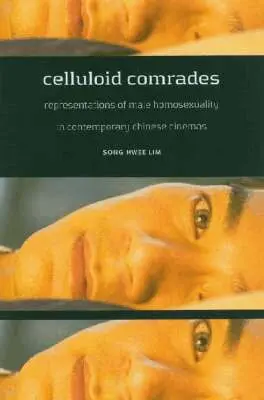
Celluloid Comrades
Representations of Male Homosexuality in Contemporary Chinese Cinema
Inbunden, 2006
638 kr
Lägg i varukorg
Celluloid Comrades offers a cogent analytical introduction to the representation of male homosexuality in Chinese cinemas within the last decade. It posits that representations of male homosexuality in Chinese film have been polyphonic and multifarious, posing a challenge to monolithic and …
Remapping World Cinema – Identity, Culture, and Politics in Film
Av Stephanie Dennison, Song Hwee Lim m. fl.
Häftad, 2006
251 kr
Lägg i varukorg
Remapping World Cinema – Identity, Culture, and Politics in Film
Av Stephanie Dennison, Song Hwee Lim m. fl.
Inbunden, 2006
866 kr
Lägg i varukorg
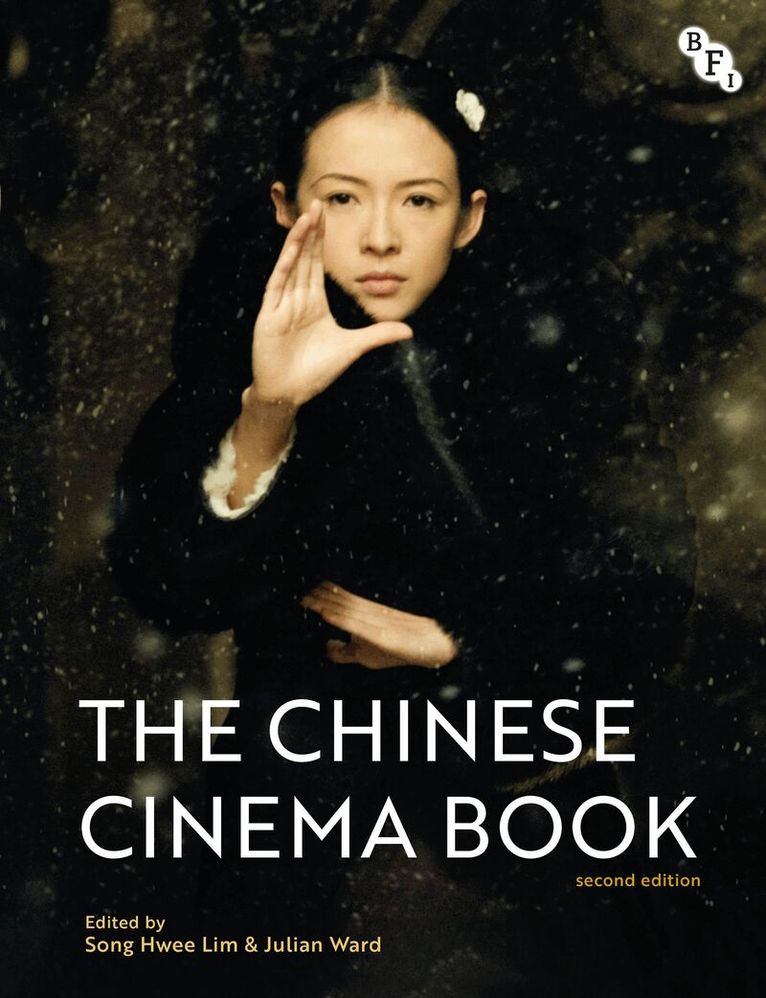
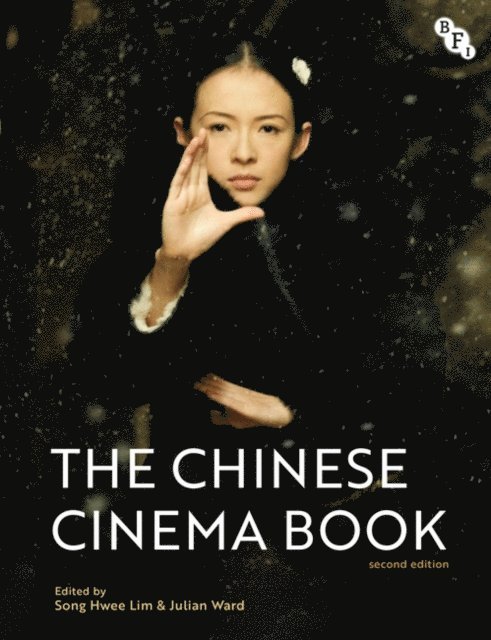
Chinese Cinema Book
Inbunden, 2020
1964 kr
Lägg i varukorg
This revised and updated new edition provides a comprehensive introduction to the history of cinema in mainland China, Hong Kong and Taiwan, as well as to disaporic and transnational Chinese film-making, from the beginnings of cinema to the present day. Chapters by leading international scholars …
Chinese Cinema Book
Häftad, 2020
534 kr
Lägg i varukorg
This revised and updated new edition provides a comprehensive introduction to the history of cinema in mainland China, Hong Kong and Taiwan, as well as to disaporic and transnational Chinese film-making, from the beginnings of cinema to the present day. Chapters by leading international scholars …
Chinese Cinema Book
E-bok, 2020
579 kr
Lägg i varukorg
This revised and updated new edition provides a comprehensive introduction to the history of cinema in mainland China, Hong Kong and Taiwan, as well as to disaporic and transnational Chinese film-making, from the beginnings of cinema to the present day. Chapters by leading international scholars …
Chinese Cinema Book
E-bok, 2020
579 kr
Lägg i varukorg
This revised and updated new edition provides a comprehensive introduction to the history of cinema in mainland China, Hong Kong and Taiwan, as well as to disaporic and transnational Chinese film-making, from the beginnings of cinema to the present day. Chapters by leading international scholars …
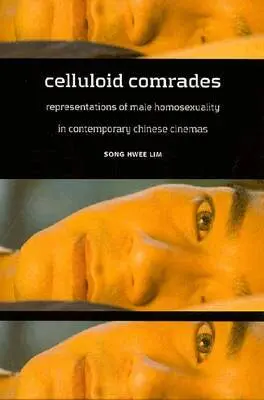
Celluloid Comrades
Representations of Male Homosexuality in Contemporary Chinese Cinemas
Häftad, 2006
350 kr
Tillfälligt slut
Offers an introduction to the representation of male homosexuality in Chinese cinemas. This work states that representations of male homosexuality in Chinese film are polyphonic and multifarious, posing a challenge to monolithic and essentialized constructions of both ""Chineseness"" and …
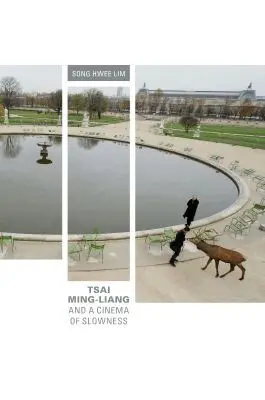
Tsai Ming-Liang and a Cinema of Slowness
Inbunden, 2014
543 kr
Tillfälligt slut
How can we qualify slowness in cinema? What is the relationship between a cinema of slowness and a wider socio-cultural “slow movement”? A body of films that shares a propensity toward slowness has emerged in many parts of the world over the past two decades. This is the first book to examine the …