Sonja Weinberg – författare
Visar alla böcker från författaren Sonja Weinberg. Handla med fri frakt och snabb leverans.
2 produkter
2 produkter
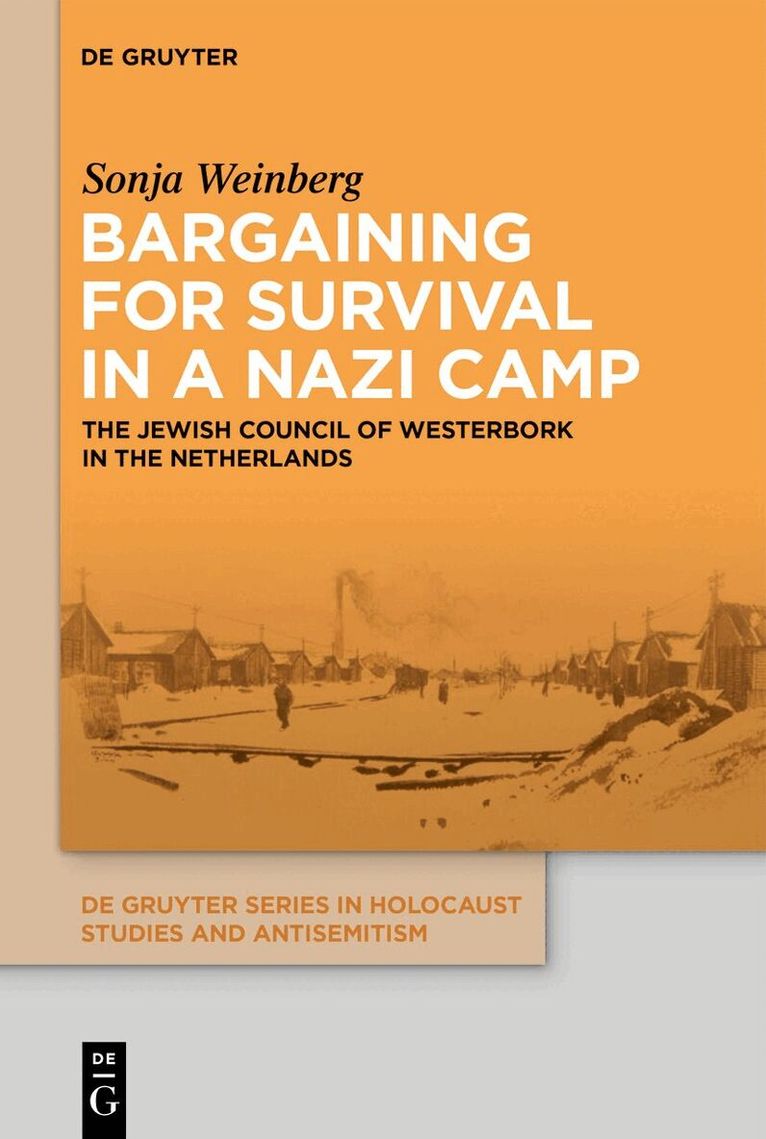
Bargaining for Survival in a Nazi Camp
The Jewish Council of Westerbork in the Netherlands
Inbunden, Engelska, 2026
622 kr
Kommande
Across Europe, Jewish administrative bodies were established by the Germans during World War II. These so-called ‘Jewish Councils’ were forced to implement the anti-Jewish Nazi policy in cities, camps, and ghettos. Bargaining for Survival in a Nazi Camp presents the first comprehensive account of the Jewish Council of Camp Westerbork, which was the largest Nazi camp in the Netherlands. The ‘Contact Committee,’ as the Council came to be known, played an important role in organizing (often counterfeit) documents for Jewish camp inmates to prevent their deportation to the death camps in the East. This book examines the activities, strategies, and moral dilemmas of the committee’s four members in the face of the deadly onslaught. Sonja Weinberg shows that these functionaries were by no means simply instruments in the hands of the German occupiers. Rather, they attempted to make full use of the means at their disposal to help as many Jews as possible. Doing so inevitably meant cooperating with the perpetrators. This precarious position was shared by most Jewish Council members across Europe and created much controversy both during and after the war. Yet the functionaries’ actions contradict the still widely accepted view of the alleged passivity of the Jews in the Holocaust – that they went ‘like sheep to the slaughter’ – with its implication that they bore some responsibility for their own deadly fate.
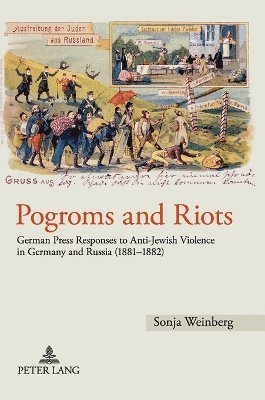
Pogroms and Riots
German Press Responses to Anti-Jewish Violence in Germany and Russia (1881-1882)
Inbunden, Engelska, 2010
670 kr
Skickas inom 5-8 vardagar
The establishment of universal manhood suffrage and legal equality for Jews in Germany in the 1860s and 1870s gave way to the rise of political anti-Semitism to a degree not witnessed before. In Russia too, as a consequence of the reform era (1855-1881), the «Jewish Question» became one of the most hotly debated topics. In 1881 and 1882 the anti-Semitic climate in Germany and Russia culminated in anti-Jewish pogroms sweeping over parts of Prussia and Southern Russia. This study explores the heated debate which unfolded in 1881 and 1882 in the German press in response to these events. The simultaneity of the pogroms in Russia and Germany offers a unique opportunity to examine the response of German commentators to both domestic and foreign anti-Jewish violence.