Sony Coráñez Bolton - Böcker
Visar alla böcker från författaren Sony Coráñez Bolton. Handla med fri frakt och snabb leverans.
4 produkter
4 produkter
1 111 kr
Skickas inom 7-10 vardagar
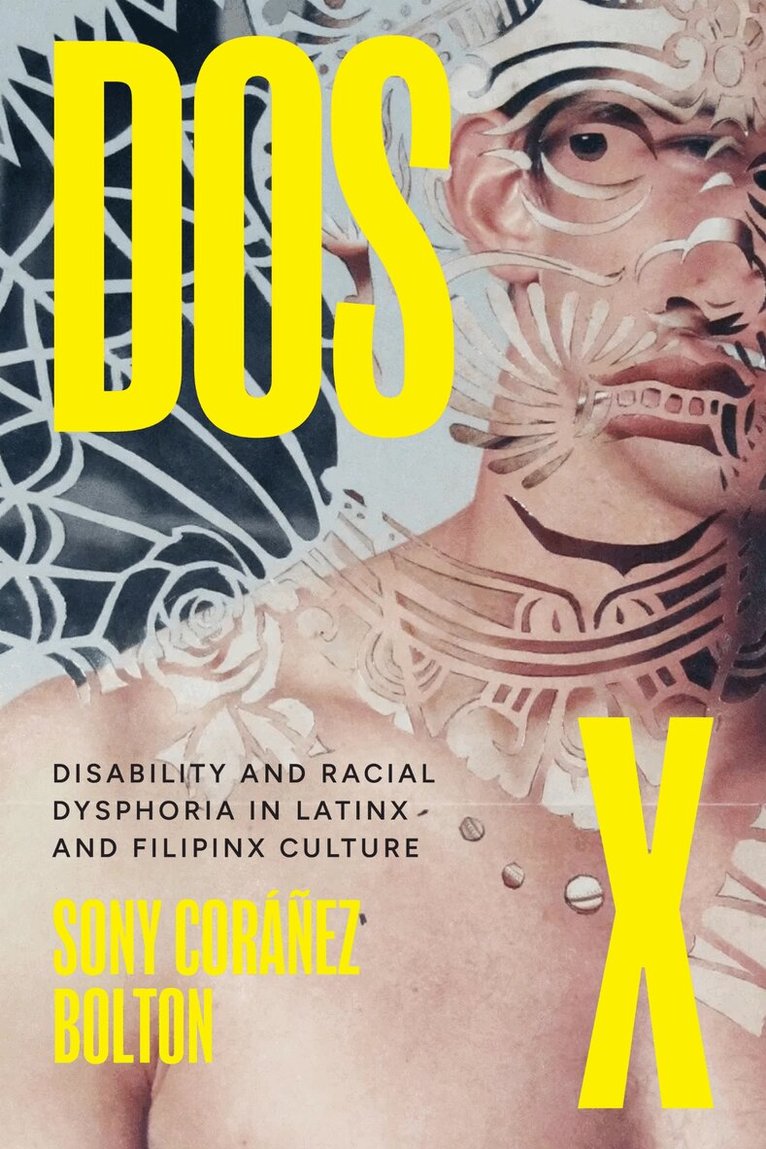
An examination of the interconnectedness of brown-racialized people across multiple identities, told through case studies of television, literature, and writing.As a Filipinx immigrant to the United States, Sony CorÁÑez Bolton has frequently been mistaken as Mexican. Dos X theorizes such misrecognition. What does it mean to exist in this liminal state, which CorÁÑez Bolton dubs the “racial uncanny”? What generative possibilities emerge from the presumed interchangeability of Latinx and Filipinx bodies-and from the in-betweenness of brownness as such? Dos X tracks misrecognition through cultural products like the TV series Undone, Brian Ascalon Roley’s American Son, and the nonfiction work of Jose Antonio Vargas. Misrecognition, CorÁÑez Bolton argues, produces moments of uncanniness in which subjects experience dysphoric attachments to identities that aren’t supposed to be theirs. In the context of racial capitalism, racial dysphoria is a disability because it undermines certainty about what one’s body is and therefore what role one is meant to play as a laborer. But racial dysphoria can also be revealing. CorÁÑez Bolton identifies vast potential in this supposed disability, which compels its “sufferers” to confront their shared position within the social, political, and economic organization of capital’s empire, opening new avenues for liberatory solidarity.
362 kr
Skickas inom 7-10 vardagar
An examination of the interconnectedness of brown-racialized people across multiple identities, told through case studies of television, literature, and writing.As a Filipinx immigrant to the United States, Sony CorÁÑez Bolton has frequently been mistaken as Mexican. Dos X theorizes such misrecognition. What does it mean to exist in this liminal state, which CorÁÑez Bolton dubs the “racial uncanny”? What generative possibilities emerge from the presumed interchangeability of Latinx and Filipinx bodies-and from the in-betweenness of brownness as such? Dos X tracks misrecognition through cultural products like the TV series Undone, Brian Ascalon Roley’s American Son, and the nonfiction work of Jose Antonio Vargas. Misrecognition, CorÁÑez Bolton argues, produces moments of uncanniness in which subjects experience dysphoric attachments to identities that aren’t supposed to be theirs. In the context of racial capitalism, racial dysphoria is a disability because it undermines certainty about what one’s body is and therefore what role one is meant to play as a laborer. But racial dysphoria can also be revealing. CorÁÑez Bolton identifies vast potential in this supposed disability, which compels its “sufferers” to confront their shared position within the social, political, and economic organization of capital’s empire, opening new avenues for liberatory solidarity.
Crip Colony
Mestizaje, US Imperialism, and the Queer Politics of Disability in the Philippines
Inbunden, Engelska, 2023
815 kr
Skickas
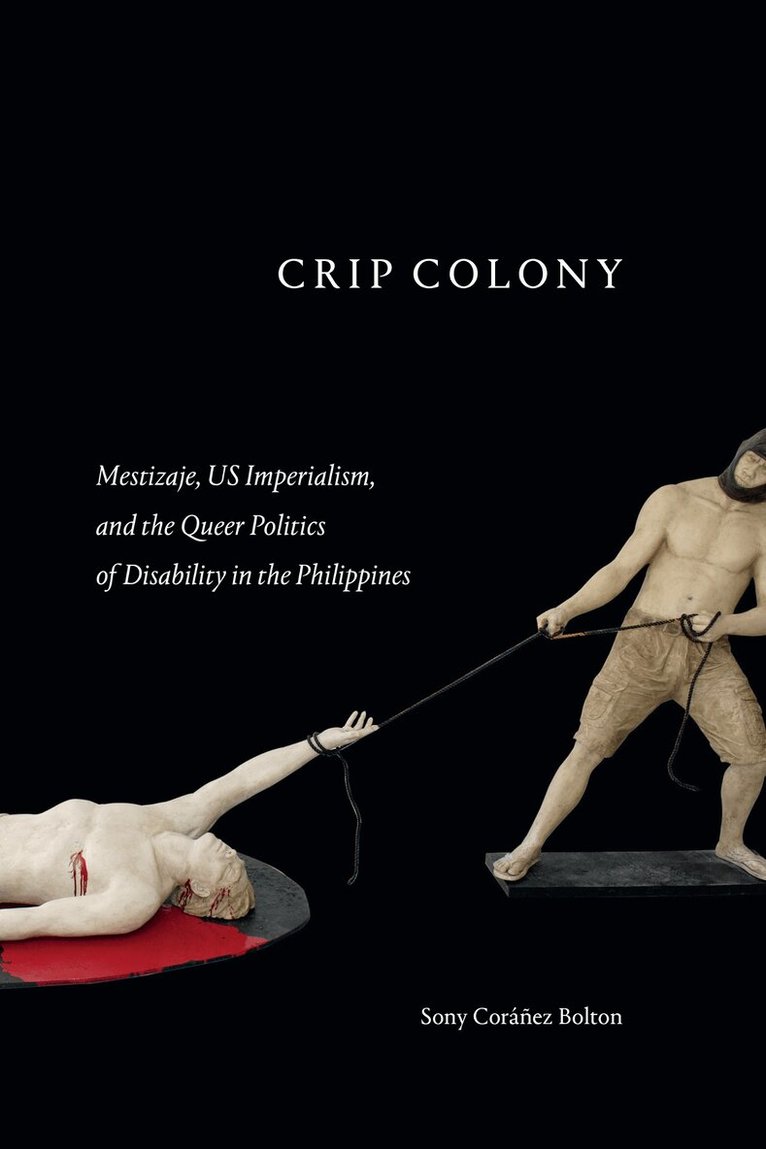
In Crip Colony, Sony CorÁÑez Bolton examines the racial politics of disability, mestizaje, and sexuality in the Philippines. Drawing on literature, poetry, colonial records, political essays, travel narratives, and visual culture, CorÁÑez Bolton traces how disability politics colluded with notions of Philippine mestizaje. He demonstrates that Filipino mestizo writers in the late nineteenth and early twentieth centuries used mestizaje as a racial ideology of ability that marked Indigenous inhabitants of the Philippines as lacking in civilization and in need of uplift and rehabilitation. Heteronormative, able-bodied, and able-minded mixed-race Filipinos offered a model and path for assimilation into the US empire. In this way, mestizaje allowed for supposedly superior mixed-race subjects to govern the archipelago in collusion with American imperialism. By bringing disability studies together with studies of colonialism and queer-of-color critique, CorÁÑez Bolton extends theorizations of mestizaje beyond the United States and Latin America while considering how Filipinx and Filipinx American thought fundamentally enhances understandings of the colonial body and the racial histories of disability.
Crip Colony
Mestizaje, US Imperialism, and the Queer Politics of Disability in the Philippines
Häftad, Engelska, 2023
278 kr
Skickas inom 7-10 vardagar
In Crip Colony, Sony CorÁÑez Bolton examines the racial politics of disability, mestizaje, and sexuality in the Philippines. Drawing on literature, poetry, colonial records, political essays, travel narratives, and visual culture, CorÁÑez Bolton traces how disability politics colluded with notions of Philippine mestizaje. He demonstrates that Filipino mestizo writers in the late nineteenth and early twentieth centuries used mestizaje as a racial ideology of ability that marked Indigenous inhabitants of the Philippines as lacking in civilization and in need of uplift and rehabilitation. Heteronormative, able-bodied, and able-minded mixed-race Filipinos offered a model and path for assimilation into the US empire. In this way, mestizaje allowed for supposedly superior mixed-race subjects to govern the archipelago in collusion with American imperialism. By bringing disability studies together with studies of colonialism and queer-of-color critique, CorÁÑez Bolton extends theorizations of mestizaje beyond the United States and Latin America while considering how Filipinx and Filipinx American thought fundamentally enhances understandings of the colonial body and the racial histories of disability.