Soultana Maria Valamoti – Författare
Visar alla böcker från författaren Soultana Maria Valamoti. Handla med fri frakt och snabb leverans.
3 produkter
3 produkter
550 kr
Skickas inom 7-10 vardagar
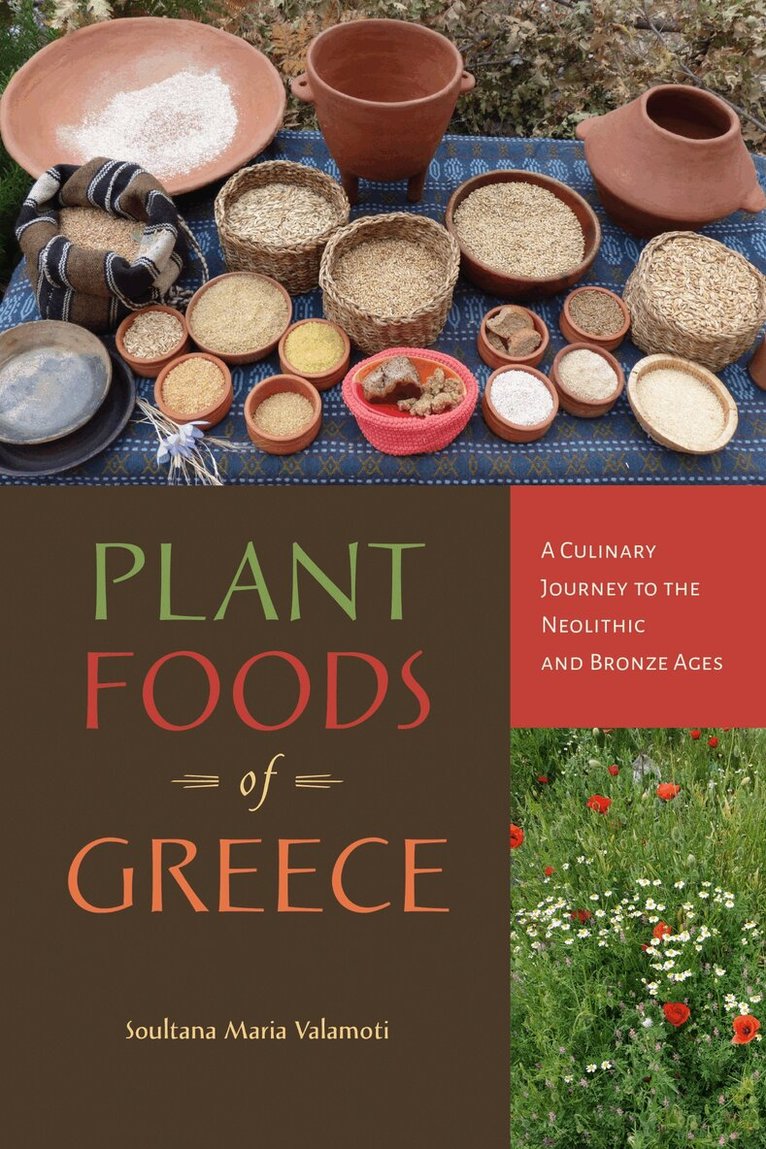
A synthesis of culinary practices of prehistoric Greece based on plant food ingredientsIn Plant Foods of Greece, Greek archaeologist Soultana Maria Valamoti takes readers on a culinary journey, reconstructing the plant foods and culinary practices of Neolithic and Bronze Age Greece. For more than thirty years, she has been analyzing a large body of archaeobotanical data that was retrieved from nearly twenty sites in mainland Greece and the Greek islands, with an additional analysis of other sites as referenced by published colleagues. Plant foods were the main ingredients of daily meals in prehistoric Greece and most likely of special dishes prepared for feasts and rituals.Valamoti’s approach allows an exploration of culinary variability through time. The thousands of charred seeds identified from occupation debris correspond to minuscule time capsules. She is able to document changes from the cooking of the first farmers to the sophisticated cuisines of the elites who inhabited palaces in the first cities of Europe in the south of Greece during the Late Bronze Age. Along the way, she explains the complex processes for the addition of new ingredients (such as millet and olives), condiments, sweet tastes, and complex recipes. Valamoti also addresses regional variability and diversity as well as detailing experimentation and research using occasional input from ancient written sources.Comprehensive and synthetic coverage encompasses bread/cereals, pulses, oils, fruit and nuts, fermented brews, healing foods, cooking, and identity. In addition, Valamoti offers insight into engaging in public archaeology and provides recipes that incorporate ancient plant ingredients and connect prehistory to the present in a critical way. A definitive source for a range of food scientists and scholars, it will also appeal to foodies.
Plants and People in Late Neolithic and Early Bronze Age Northern Greece
An archaeobotanical investigation
Häftad, Engelska, 2004
797 kr
Skickas inom 5-8 vardagar
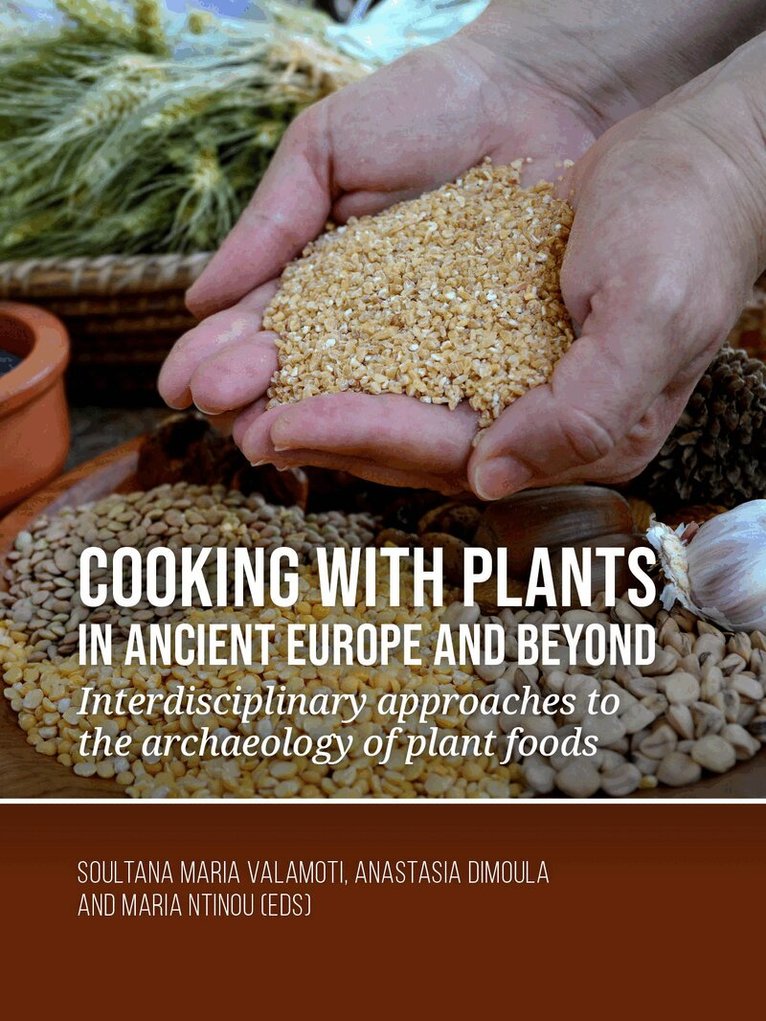
Cooking with plants in ancient Europe and beyond
Interdisciplinary approaches to the archaeology of plant foods
Häftad, Engelska, 2022
1 054 kr
Skickas inom 3-6 vardagar
Plants have constituted the basis of human subsistence. This volume focuses on plant food ingredients that were consumed by the members of past societies and on the ways these ingredients were transformed into food. The thirty chapters of this book unfold the story of culinary transformation of cereals, pulses as well as of a wide range of wild and cultivated edible plants. Regional syntheses provide insights on plant species choices and changes over time and fragments of recipes locked inside amorphous charred masses. Grinding equipment, cooking installations and cooking pots are used to reveal the ancient cooking steps in order to pull together the pieces of a culinary puzzle of the past. From the big picture of spatiotemporal patterns and changes to the micro-imaging of usewear on grinding tool surfaces, the book attempts for the first time a comprehensive and systematic approach to ancient plant food culinary transformation. Focusing mainly on Europe and the Mediterranean world in prehistory, the book expands to other regions such as South Asia and Latin America and covers a time span from the Palaeolithic to the historic periods. Several of the contributions stem from original research conducted in the context of ERC project PlantCult: Investigating the Plant Food Cultures of Ancient Europe. The book’s exploration into ancient cuisines culminates with an investigation of the significance of ethnoarchaeology towards a better understanding of past foodways as well as of the impact of archaeology in shaping modern culinary and consumer trends. The book will be of interest to archaeologists, food historians, agronomists, botanists as well as the wider public with an interest in ancient cooking.