Soumya K. Ghosh – författare
Visar alla böcker från författaren Soumya K. Ghosh. Handla med fri frakt och snabb leverans.
15 produkter
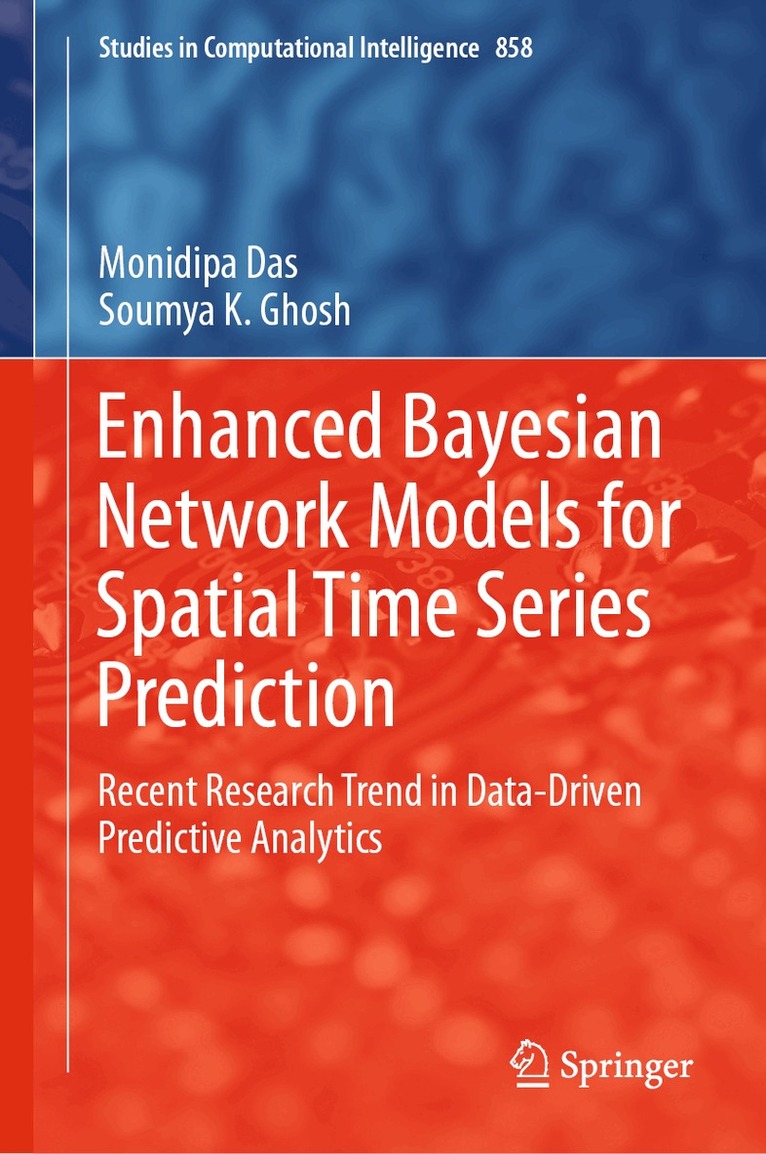
Enhanced Bayesian Network Models for Spatial Time Series Prediction
Recent Research Trend in Data-Driven Predictive Analytics
Av Monidipa Das, Soumya K. Ghosh
Inbunden, 2019
1643 kr
Lägg i varukorg
This research monograph is highly contextual in the present era of spatial/spatio-temporal data explosion. The overall text contains many interesting results that are worth applying in practice, while it is also a source of intriguing and motivating questions for advanced research on spatial data …
Enhanced Bayesian Network Models for Spatial Time Series Prediction
Recent Research Trend in Data-Driven Predictive Analytics
Av Soumya K. Ghosh, Monidipa Das
E-bok, 2019
2044 kr
Lägg i varukorg
This research monograph is highly contextual in the present era of spatial/spatio-temporal data explosion. The overall text contains many interesting results that are worth applying in practice, while it is also a source of intriguing and motivating questions for advanced research on spatial data …
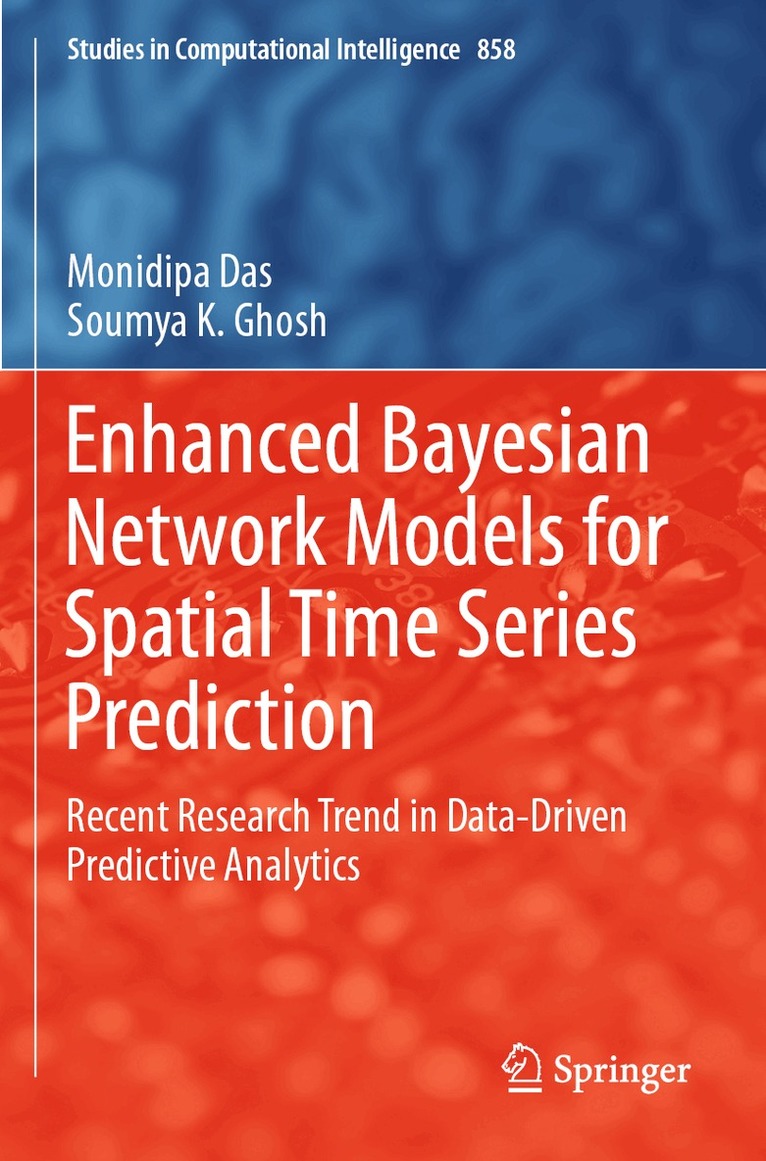
Enhanced Bayesian Network Models for Spatial Time Series Prediction
Recent Research Trend in Data-Driven Predictive Analytics
Av Monidipa Das, Soumya K. Ghosh
Häftad, 2020
1643 kr
Lägg i varukorg
This research monograph is highly contextual in the present era of spatial/spatio-temporal data explosion. The overall text contains many interesting results that are worth applying in practice, while it is also a source of intriguing and motivating questions for advanced research on spatial data …
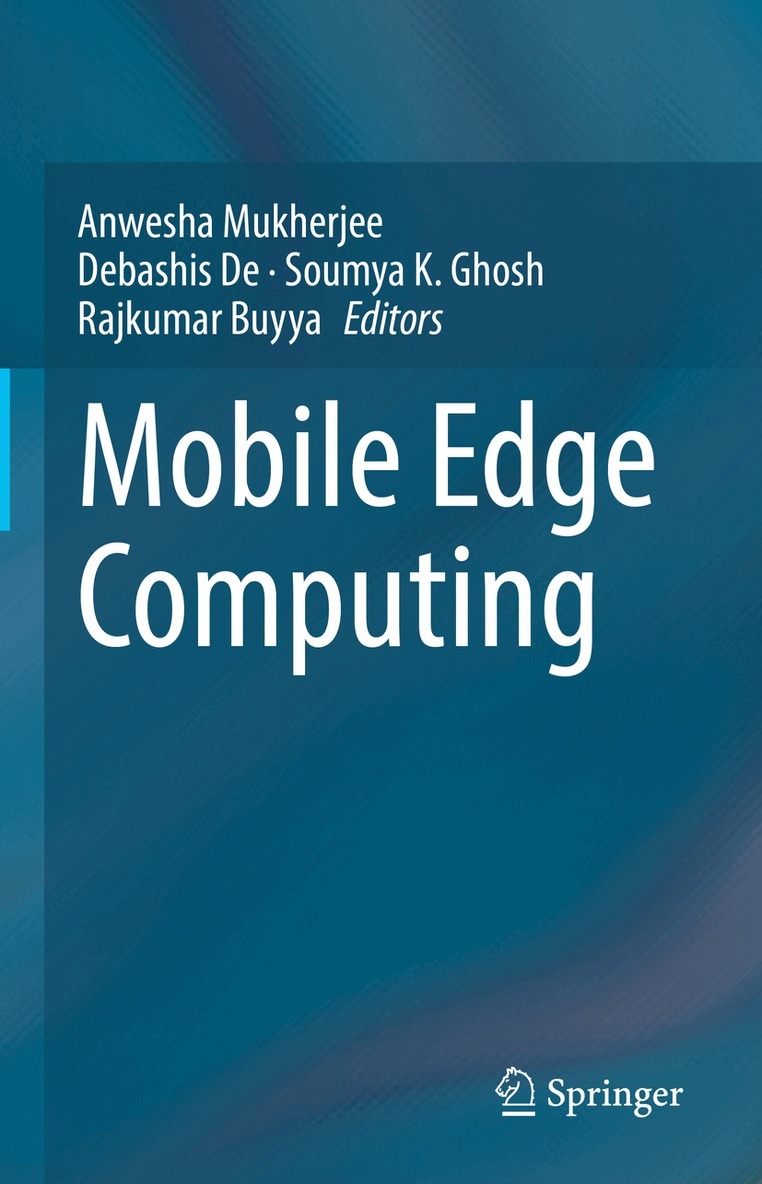
Mobile Edge Computing
Av Anwesha Mukherjee, Debashis De m. fl.
Inbunden, 2021
1805 kr
Lägg i varukorg
Mobile Edge Computing (MEC) provides cloud-like subscription-oriented services at the edge of mobile network. For low latency and high bandwidth services, edge computing assisted IoT (Internet of Things) has become the pillar for the development of smart environments and their applications such as …
Mobile Edge Computing
Av Rajkumar Buyya, Soumya K. Ghosh m. fl.
E-bok, 2021
2341 kr
Lägg i varukorg
Mobile Edge Computing (MEC) provides cloud-like subscription-oriented services at the edge of mobile network. For low latency and high bandwidth services, edge computing assisted IoT (Internet of Things) has become the pillar for the development of smart environments and their applications such as …
Mobile Edge Computing
Av Anwesha Mukherjee, Debashis De m. fl.
Häftad, 2022
1805 kr
Lägg i varukorg
Mobile Edge Computing (MEC) provides cloud-like subscription-oriented services at the edge of mobile network. For low latency and high bandwidth services, edge computing assisted IoT (Internet of Things) has become the pillar for the development of smart environments and their applications such as …
Statistical and Machine Learning Models for Remote Sensing Data Mining
Recent Advancements
Av Monidipa Das, Soumya K Ghosh m. fl.
Inbunden, 2022
548 kr
Lägg i varukorg
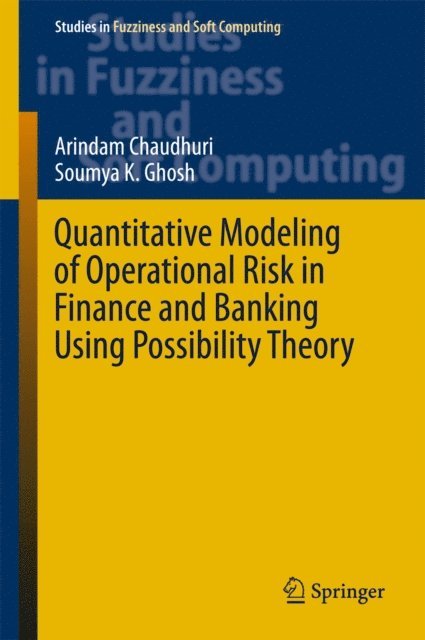
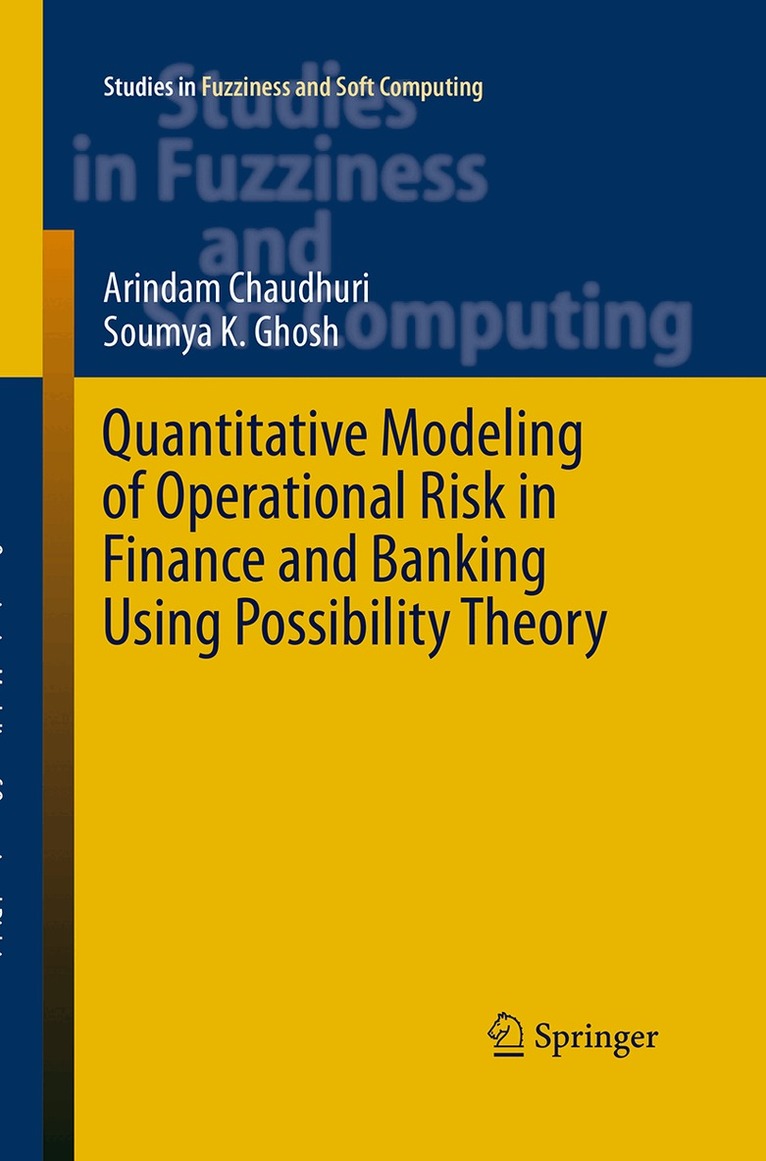
Quantitative Modeling of Operational Risk in Finance and Banking Using Possibility Theory
Av Arindam Chaudhuri, Soumya K. Ghosh
Inbunden, 2015
1098 kr
Lägg i varukorg
This book offers a comprehensive guide to the modelling of operational risk using possibility theory. It provides a set of methods for measuring operational risks under a certain degree of vagueness and impreciseness, as encountered in real-life data. It shows how possibility theory and …
Quantitative Modeling of Operational Risk in Finance and Banking Using Possibility Theory
Av Soumya K. Ghosh, Arindam Chaudhuri
E-bok, 2015
1470 kr
Lägg i varukorg
This book offers a comprehensive guide to the modelling of operational risk using possibility theory. It provides a set of methods for measuring operational risks under a certain degree of vagueness and impreciseness, as encountered in real-life data. It shows how possibility theory and …
Quantitative Modeling of Operational Risk in Finance and Banking Using Possibility Theory
Av Arindam Chaudhuri, Soumya K. Ghosh
Häftad, 2016
1098 kr
Lägg i varukorg
This book offers a comprehensive guide to the modelling of operational risk using possibility theory. It provides a set of methods for measuring operational risks under a certain degree of vagueness and impreciseness, as encountered in real-life data. It shows how possibility theory and …
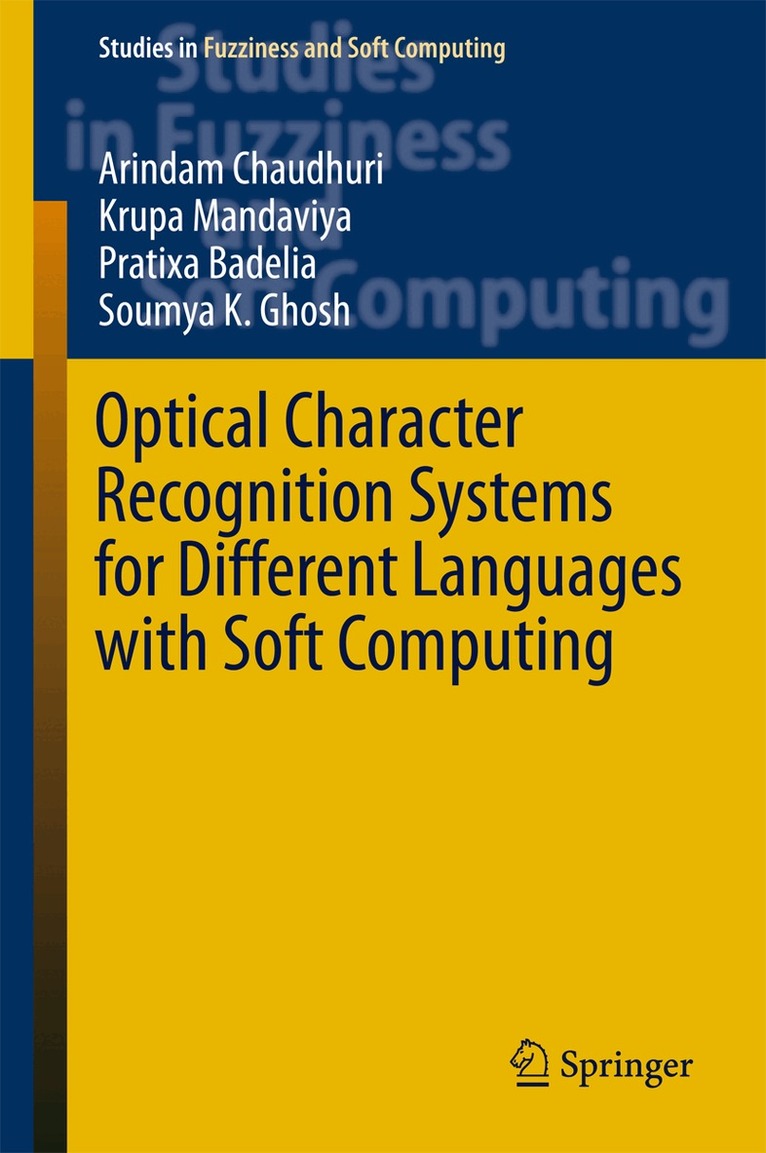
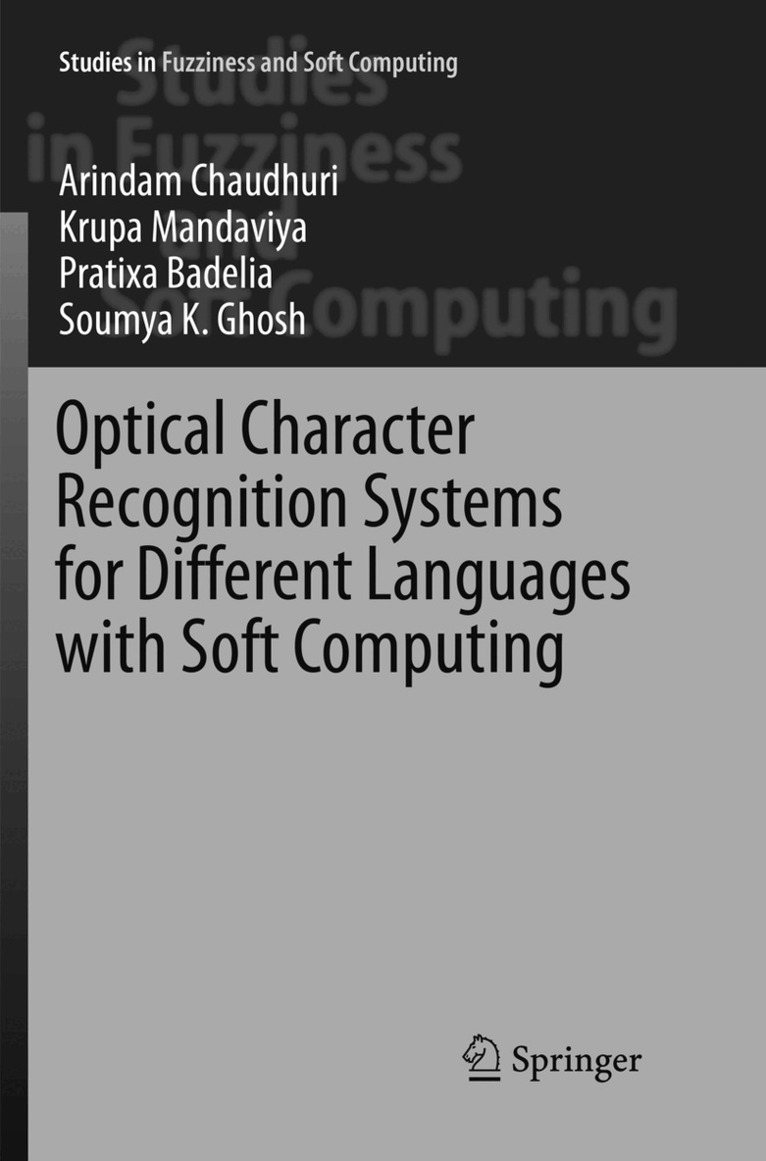
Optical Character Recognition Systems for Different Languages with Soft Computing
Av Arindam Chaudhuri, Krupa Mandaviya m. fl.
Inbunden, 2017
1693 kr
Lägg i varukorg
The book offers a comprehensive survey of soft-computing models for optical character recognition systems. The various techniques, including fuzzy and rough sets, artificial neural networks and genetic algorithms, are tested using real texts written in different languages, such as English, French, …
Optical Character Recognition Systems for Different Languages with Soft Computing
Av Soumya K Ghosh, Pratixa Badelia m. fl.
E-bok, 2016
2127 kr
Lägg i varukorg
The book offers a comprehensive survey of soft-computing models for optical character recognition systems. The various techniques, including fuzzy and rough sets, artificial neural networks and genetic algorithms, are tested using real texts written in different languages, such as English, French, …
Optical Character Recognition Systems for Different Languages with Soft Computing
Av Arindam Chaudhuri, Krupa Mandaviya m. fl.
Häftad, 2018
1693 kr
Lägg i varukorg
The book offers a comprehensive survey of soft-computing models for optical character recognition systems. The various techniques, including fuzzy and rough sets, artificial neural networks and genetic algorithms, are tested using real texts written in different languages, such as English, French, …
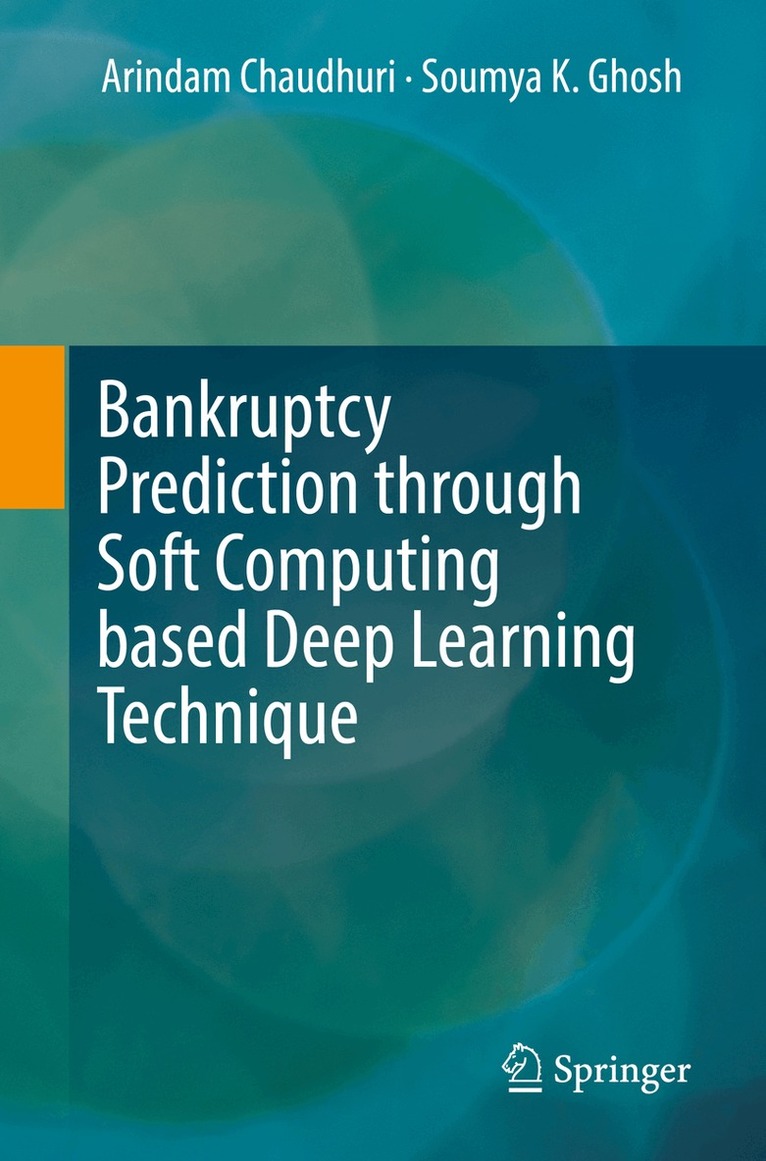
Bankruptcy Prediction through Soft Computing based Deep Learning Technique
Av Arindam Chaudhuri, Soumya K Ghosh
Häftad, 2017
569 kr
Lägg i varukorg
This book proposes complex hierarchical deep architectures (HDA) for predicting bankruptcy, a topical issue for business and corporate institutions that in the past has been tackled using statistical, market-based and machine-intelligence prediction models. The HDA are formed through fuzzy rough …
Bankruptcy Prediction through Soft Computing based Deep Learning Technique
Av Soumya K Ghosh, Arindam Chaudhuri
E-bok, 2017
734 kr
Lägg i varukorg
This book proposes complex hierarchical deep architectures (HDA) for predicting bankruptcy, a topical issue for business and corporate institutions that in the past has been tackled using statistical, market-based and machine-intelligence prediction models. The HDA are formed through fuzzy rough …