Sridhar Venkatapuram - Böcker
Visar alla böcker från författaren Sridhar Venkatapuram. Handla med fri frakt och snabb leverans.
7 produkter
7 produkter
775 kr
Skickas inom 11-20 vardagar
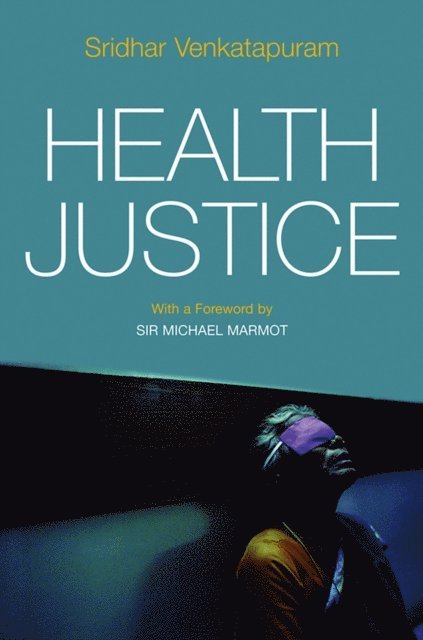
Social factors have a powerful influence on human health and longevity. Yet the social dimensions of health are often obscured in public discussions due to the overwhelming focus in health policy on medical care, individual-level risk factor research, and changing individual behaviours. Likewise, in philosophical approaches to health and social justice, the debates have largely focused on rationing problems in health care and on personal responsibility. However, a range of events over the past two decades such as the study of modern famines, the global experience of HIV/AIDS, the international women’s health movement, and the flourishing of social epidemiological research have drawn attention to the robust relationship between health and broad social arrangements. In Health Justice, Sridhar Venkatapuram takes up the problem of identifying what claims individuals have in regard to their health in modern societies and the globalized world. Recognizing the social bases of health and longevity, Venkatapuram extends the ‘Capabilities Approach’ of Amartya Sen and Martha Nussbaum into the domain of health and health sciences. In so doing, he formulates an inter-disciplinary argument that draws on the natural and social sciences as well as debates around social justice to argue for every human being’s moral entitlement to a capability to be healthy. An ambitious integration of the health sciences and the Capabilities Approach, Health Justice aims to provide a concrete ethical grounding for the human right to health, while advancing the field of health policy and placing health at the centre of social justice theory. With a foreword by Sir Michael Marmot, chair of the WHO Commission on the Social Determinants of Health.
264 kr
Skickas inom 7-10 vardagar
Social factors have a powerful influence on human health and longevity. Yet the social dimensions of health are often obscured in public discussions due to the overwhelming focus in health policy on medical care, individual-level risk factor research, and changing individual behaviours. Likewise, in philosophical approaches to health and social justice, the debates have largely focused on rationing problems in health care and on personal responsibility. However, a range of events over the past two decades such as the study of modern famines, the global experience of HIV/AIDS, the international women’s health movement, and the flourishing of social epidemiological research have drawn attention to the robust relationship between health and broad social arrangements. In Health Justice, Sridhar Venkatapuram takes up the problem of identifying what claims individuals have in regard to their health in modern societies and the globalized world. Recognizing the social bases of health and longevity, Venkatapuram extends the ‘Capabilities Approach’ of Amartya Sen and Martha Nussbaum into the domain of health and health sciences. In so doing, he formulates an inter-disciplinary argument that draws on the natural and social sciences as well as debates around social justice to argue for every human being’s moral entitlement to a capability to be healthy. An ambitious integration of the health sciences and the Capabilities Approach, Health Justice aims to provide a concrete ethical grounding for the human right to health, while advancing the field of health policy and placing health at the centre of social justice theory. With a foreword by Sir Michael Marmot, chair of the WHO Commission on the Social Determinants of Health.
609 kr
Skickas inom 3-6 vardagar
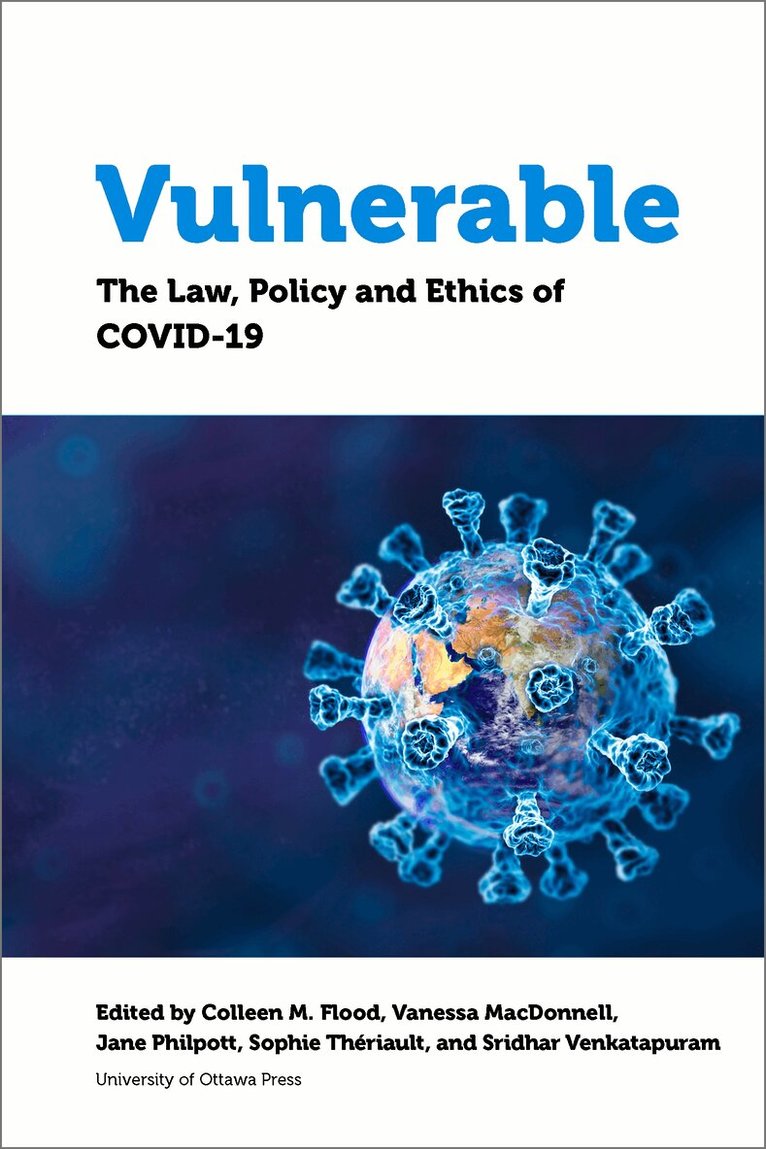
The novel coronavirus SARS-CoV-2, which causes the disease known as COVID-19, has infected people in 212 countries so far and on every continent except Antarctica. Vast changes to our home lives, social interactions, government functioning and relations between countries have swept the world in a few months and are difficult to hold in one’s mind at one time. That is why a collaborative effort such as this edited, multidisciplinary collection is needed. This book confronts the vulnerabilities and interconnectedness made visible by the pandemic and its consequences, along with the legal, ethical and policy responses. These include vulnerabilities for people who have been harmed or will be harmed by the virus directly and those harmed by measures taken to slow its relentless march; vulnerabilities exposed in our institutions, governance and legal structures; and vulnerabilities in other countries and at the global level where persistent injustices harm us all. Hopefully, COVID-19 will forces us to deeply reflect on how we govern and our policy priorities; to focus preparedness, precaution, and recovery to include all, not just some. Published in English with some chapters in French.
1 094 kr
Skickas inom 3-6 vardagar
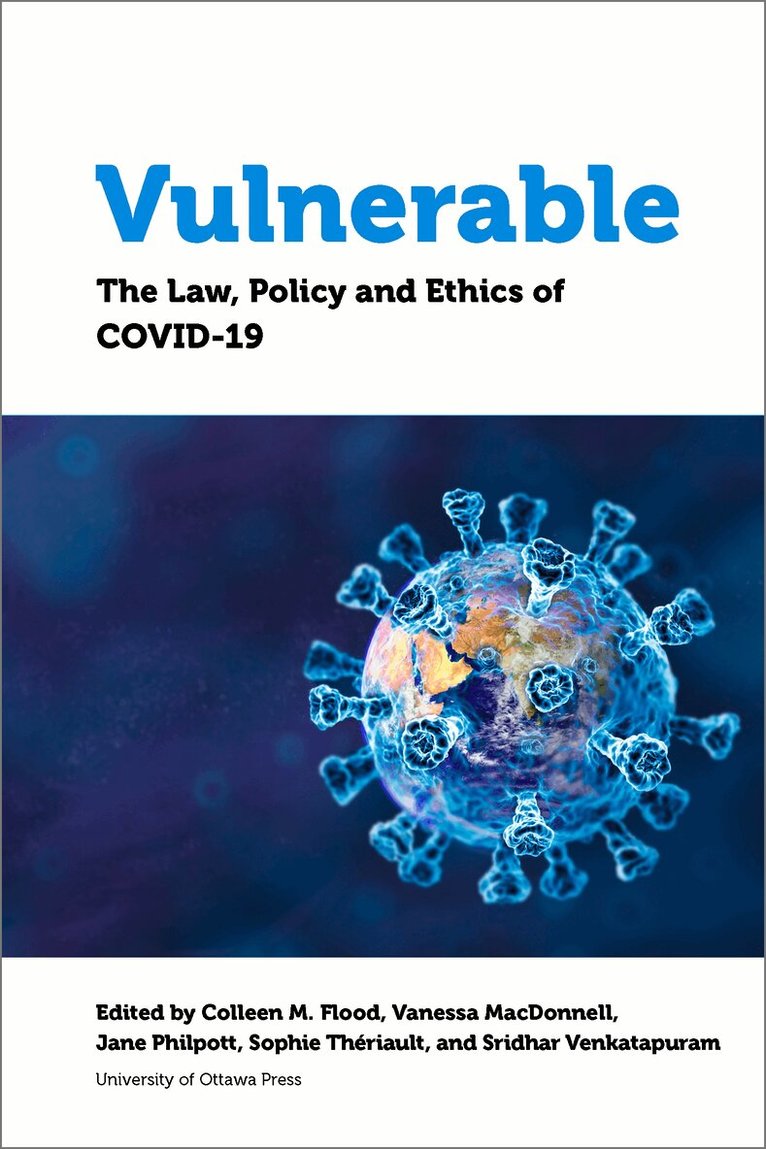
The novel coronavirus SARS-CoV-2, which causes the disease known as COVID-19, has infected people in 212 countries so far and on every continent except Antarctica. Vast changes to our home lives, social interactions, government functioning and relations between countries have swept the world in a few months and are difficult to hold in one’s mind at one time. That is why a collaborative effort such as this edited, multidisciplinary collection is needed. This book confronts the vulnerabilities and interconnectedness made visible by the pandemic and its consequences, along with the legal, ethical and policy responses. These include vulnerabilities for people who have been harmed or will be harmed by the virus directly and those harmed by measures taken to slow its relentless march; vulnerabilities exposed in our institutions, governance and legal structures; and vulnerabilities in other countries and at the global level where persistent injustices harm us all. Hopefully, COVID-19 will forces us to deeply reflect on how we govern and our policy priorities; to focus preparedness, precaution, and recovery to include all, not just some. Published in English with some chapters in French.
644 kr
Skickas inom 10-15 vardagar
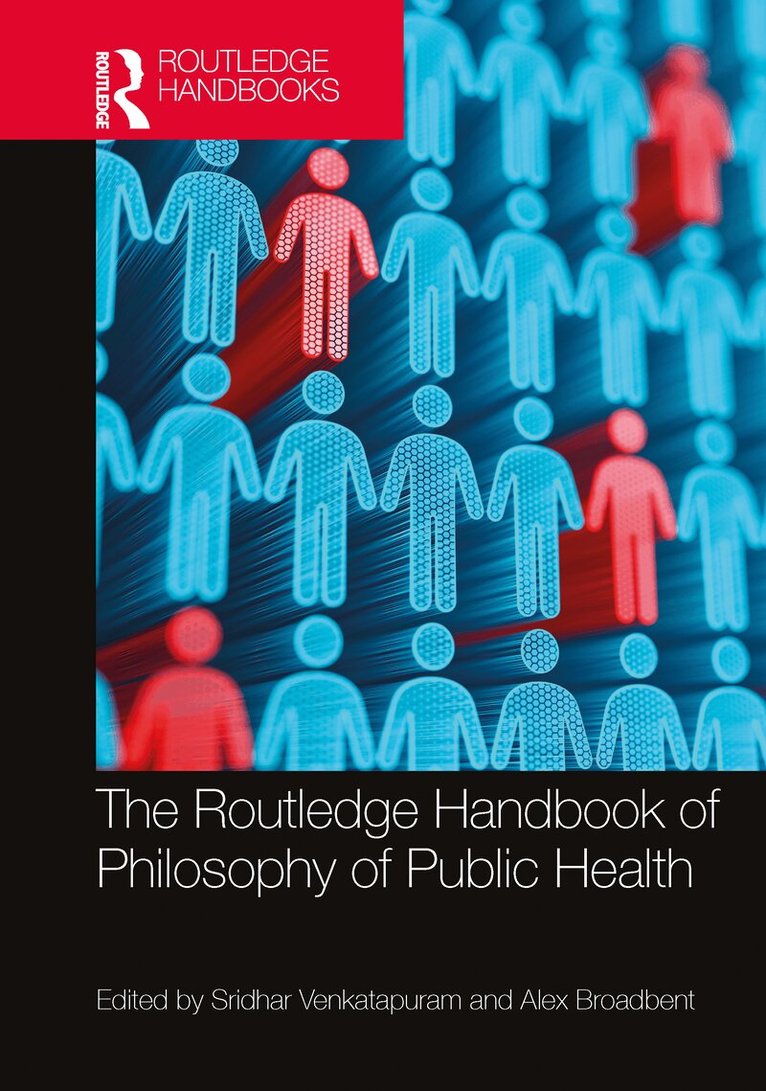
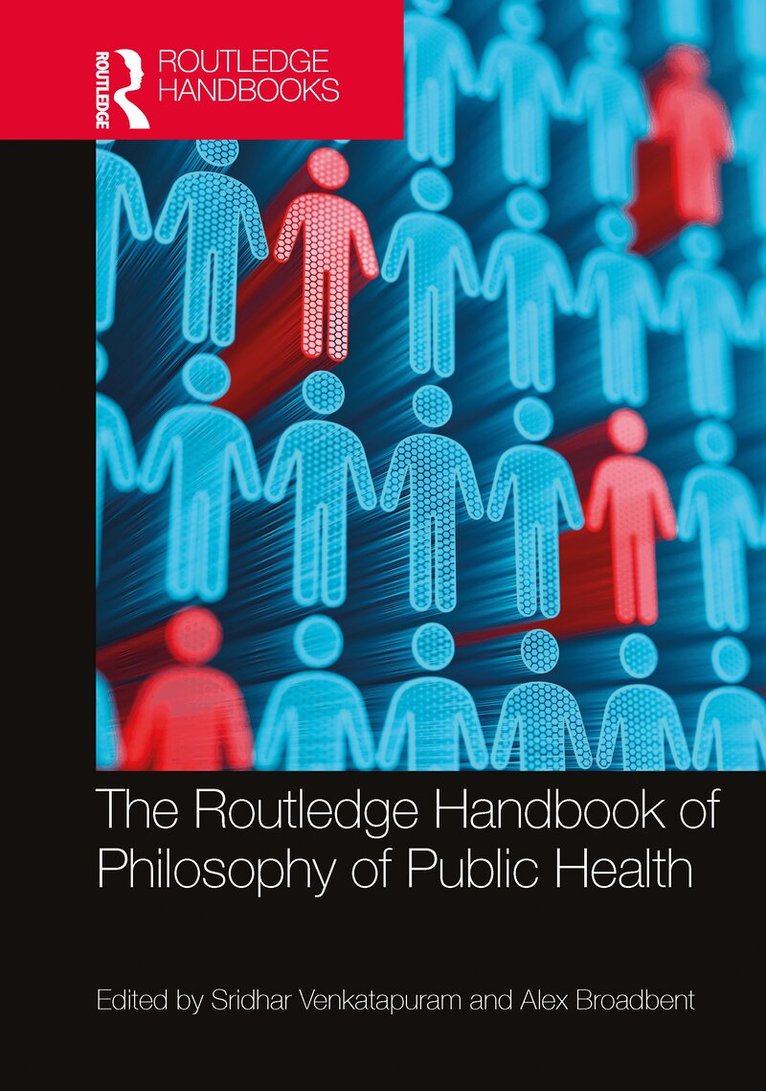
In comparison to medicine, the professional field of public health is far less familiar. What is public health, and perhaps as importantly, what should public health be or become? How do causal concepts shape the public health agenda? How do study designs either promote or demote the environmental causal factors or health inequalities? How is risk understood, expressed, and communicated? Who is public health research centered on? How can we develop technologies so the benefits are more fairly distributed? Do people have a right to public health? How should we integrate ethics into public health practice?The Routledge Handbook of Philosophy of Public Health addresses these questions and more, and is the first collection of its kind. Comprising 26 chapters by an international and interdisciplinary team of contributors, the handbook is divided into four clear parts:Concepts and distinctionsReasons and actionsDistribution and inequalitiesRights and dutiesThe Routledge Handbook of Philosophy of Public Health is a field-defining and sustained reflection on the various ethical, political, methodological, and conceptual aspects of global public health. As such it is an essential reference source for students and scholars working in political philosophy, bioethics, public health ethics, and the philosophy of medicine, as well as for professionals and researchers in related fields such as public health, health economics, and epidemiology.
1 393 kr
Tillfälligt slut
2 960 kr
Skickas inom 10-15 vardagar
In comparison to medicine, the professional field of public health is far less familiar. What is public health, and perhaps as importantly, what should public health be or become? How do causal concepts shape the public health agenda? How do study designs either promote or demote the environmental causal factors or health inequalities? How is risk understood, expressed, and communicated? Who is public health research centered on? How can we develop technologies so the benefits are more fairly distributed? Do people have a right to public health? How should we integrate ethics into public health practice?The Routledge Handbook of Philosophy of Public Health addresses these questions and more, and is the first collection of its kind. Comprising 26 chapters by an international and interdisciplinary team of contributors, the handbook is divided into four clear parts:Concepts and distinctionsReasons and actionsDistribution and inequalitiesRights and dutiesThe Routledge Handbook of Philosophy of Public Health is a field-defining and sustained reflection on the various ethical, political, methodological, and conceptual aspects of global public health. As such it is an essential reference source for students and scholars working in political philosophy, bioethics, public health ethics, and the philosophy of medicine, as well as for professionals and researchers in related fields such as public health, health economics, and epidemiology.