Ståle Navrud - Böcker
Visar alla böcker från författaren Ståle Navrud. Handla med fri frakt och snabb leverans.
3 produkter
3 produkter
1 588 kr
Skickas inom 10-15 vardagar
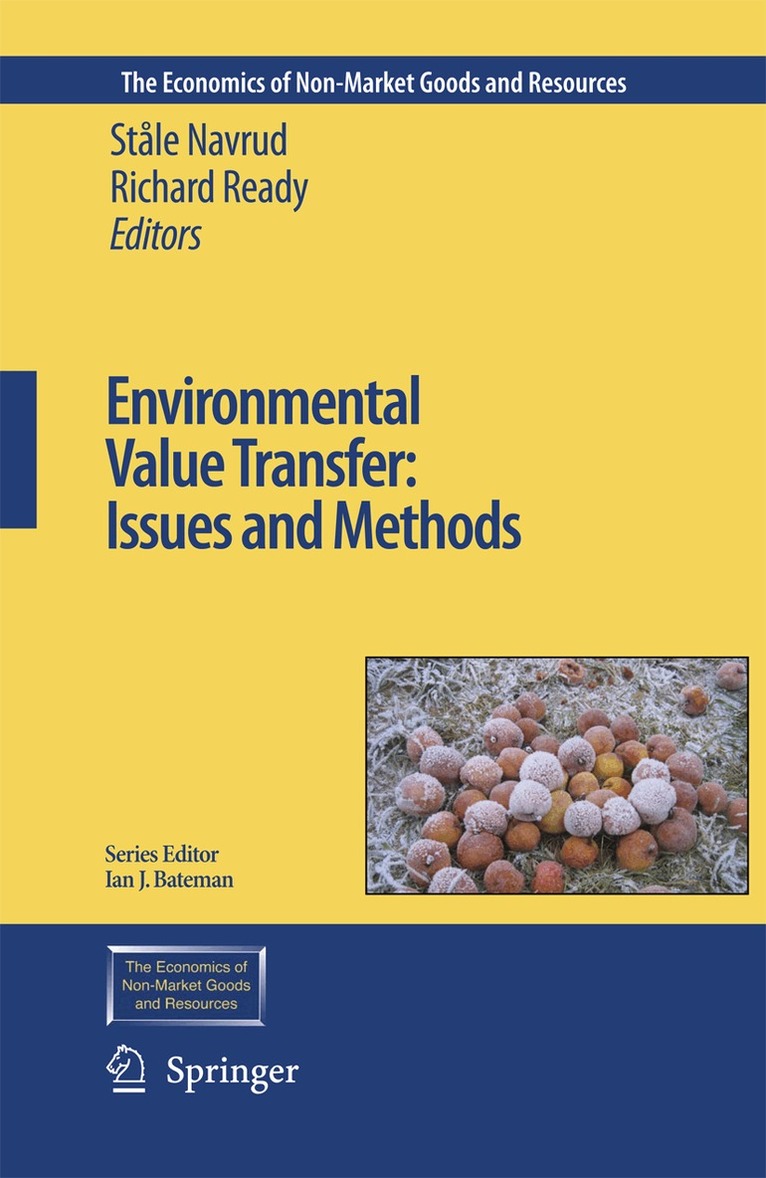
The transfer of environmental values in time and space has increased rapidly with the widespread use of cost benefit analysis in project evaluation and regulatory assessments over the last three decades. Over the last 15 years, other policy uses like environmental costing, greening of systems of national accounts and natural resource damage assessments after oil spills and other pollution accidents have also contributed to the increased demand for environmental values. However, most early transfers were conducted in an uncritical manner, often lacking sound theoretical, statistical and empirical basis, and did not question the validity and reliability of the transferred values. What appears to be the first environmental value transfer exercise estimated damages, and illustrates the point that what is generally termed benefit transfer, should rather be termed value transfer in order to capture both reductions and increments in environmental quality and natural resources. This first attempt to transfer environmental values seems to be the calculation of lost recreational value from the Hell’s Canyon hydroelectric project more than 30 years ago, as described by John V. Krutilla and Anthony C. Fisher in their book (Chapters 5 and 6): The Economics of Natural Environments Studies in the Valuation of Commodity and Amenity Resources. (John Hopkins Press, Baltimore, 1975). The first large-scale user of value transfer was the USDA Forest Service.
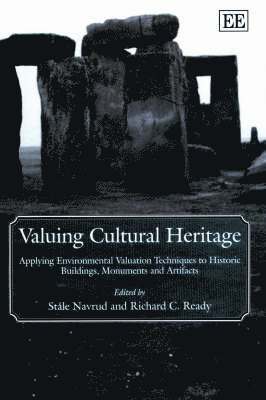
Valuing Cultural Heritage
Applying Environmental Valuation Techniques to Historic Buildings, Monuments and Artifacts
Inbunden, Engelska, 2002
2 049 kr
Skickas inom 7-10 vardagar
What value do we place on our cultural heritage, and to what extent should we preserve historic and culturally important sites and artefacts from the ravages of weather, pollution, development and use by the general public? This innovative book attempts to answer these important questions by exploring how non-market valuation techniques - used extensively in environmental economics - can be applied to cultural heritage.The book includes twelve comprehensive case studies that estimate public values for a diverse set of cultural goods, including English cathedrals, Bulgarian monasteries, rock paintings in Canada, statues in the US, and a medieval city in Africa. The authors demonstrate the potential utility of these techniques, and highlight the important social values that cultural heritage can generate. Given limited resources, such studies can help set priorities and aid the decision making process in terms of their preservation, restoration and use. The authors conclude by reviewing the majority of cultural valuation studies done to date, and draw some general conclusions about the results achieved and the potential benefits, as well as the limitations, of valuing these types of goods.This highly original book will be of great use and interest to academics in the fields of environmental, resource, and cultural economics, as well as NGOs and policymakers involved in cultural heritage at the national, international and global level.
1 635 kr
Skickas inom 10-15 vardagar
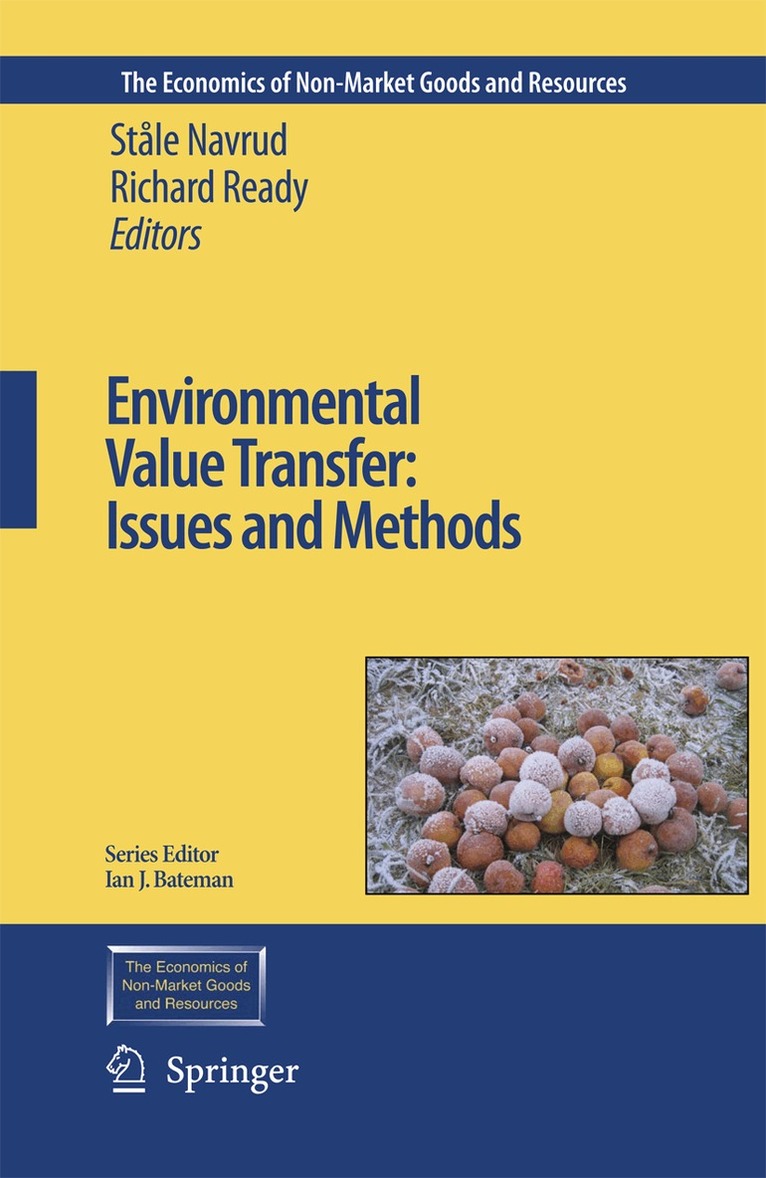
The transfer of environmental values in time and space has increased rapidly with the widespread use of cost benefit analysis in project evaluation and regulatory assessments over the last three decades. Over the last 15 years, other policy uses like environmental costing, greening of systems of national accounts and natural resource damage assessments after oil spills and other pollution accidents have also contributed to the increased demand for environmental values. However, most early transfers were conducted in an uncritical manner, often lacking sound theoretical, statistical and empirical basis, and did not question the validity and reliability of the transferred values. What appears to be the first environmental value transfer exercise estimated damages, and illustrates the point that what is generally termed benefit transfer, should rather be termed value transfer in order to capture both reductions and increments in environmental quality and natural resources. This first attempt to transfer environmental values seems to be the calculation of lost recreational value from the Hell’s Canyon hydroelectric project more than 30 years ago, as described by John V. Krutilla and Anthony C. Fisher in their book (Chapters 5 and 6): The Economics of Natural Environments Studies in the Valuation of Commodity and Amenity Resources. (John Hopkins Press, Baltimore, 1975). The first large-scale user of value transfer was the USDA Forest Service.