
Stanislav Miertus – författare
Visar alla böcker från författaren . Handla med fri frakt och snabb leverans.
4 produkter
4 produkter
Inbunden, Engelska, 2005
3 610 kr
Skickas inom 10-15 vardagar
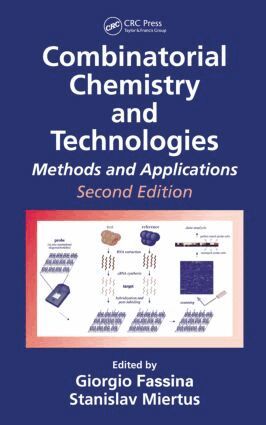
Several books on the market cover combinatorial techniques, but they offer just a limited perspective of the field, focusing on selected aspects without examining all approaches and integrated technologies. Combinatorial Chemistry and Technologies: Methods and Applications answers the demand for a complete overview of the field, covering all of the methodologies used in the design, synthesis, and screening of molecular libraries. Now in its second edition, this volume updates prior content and explores new areas such as catalysis, applications in biotechnology, and current ICS-UNIDO activities.Topics include the generation of molecular diversity by chemical methods using solution- and solid-phase chemistries, biological approaches for the production and screening of peptides, antibody and oligonucleotide libraries, and the application of computer-assisted approaches to guide library synthesis. The book establishes the link between combinatorial chemistry and molecular modeling and illustrates the importance of economics and patenting in combinatorial technologies.Valuable to technologists and researchers as an introductory survey on the many aspects of combinatorial chemistry and combinatorial technology, Combinatorial Chemistry and Technologies: Methods and Applications offers an overview of a field that promises broad applicability in the identification of new drugs, as well as in diagnostics, new materials, and catalysis.
4 119 kr
Läs direkt efter köp
Several books on the market cover combinatorial techniques, but they offer just a limited perspective of the field, focusing on selected aspects without examining all approaches and integrated technologies. Combinatorial Chemistry and Technologies: Methods and Applications answers the demand for a complete overview of the field, covering all of the
E-bok
PDF, Engelska, 20054 119 kr
Läs direkt efter köp
Several books on the market cover combinatorial techniques, but they offer just a limited perspective of the field, focusing on selected aspects without examining all approaches and integrated technologies. Combinatorial Chemistry and Technologies: Methods and Applications answers the demand for a complete overview of the field, covering all of the
Inbunden, Engelska, 1993
1 493 kr
Tillfälligt slut
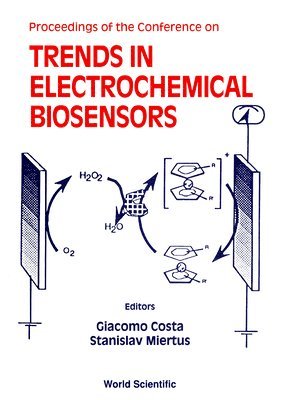
This book gives an overview of the present trends in a rapidly growing interdisciplinary field, namely the research and development of biosensors. It focuses on the development of new biosensors which combine the sensitivity and specificity of biological systems (enzymes, immunosystems, microbial cells, tissue, plants, etc.) with the efficiency of electrochemical transducers. The molecular mechanisms of the processes in biosensors as well as the new methods for transduction and immobilization of biosystems are described in detail. Also, important fields of application are evaluated, i.e. medicinal chemistry including in vivo monitoring, environment pollution monitoring, biotechnology process control, determination of food contaminants and food quality control.