Stanley B. Cunningham – författare
Visar alla böcker från författaren Stanley B. Cunningham. Handla med fri frakt och snabb leverans.
3 produkter
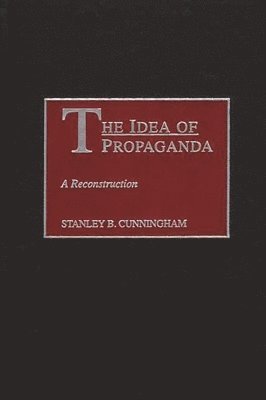
Idea of Propaganda
A Reconstruction
Inbunden, 2002
1282 kr
Lägg i varukorg
To understand properly the use of propaganda, it is necessary to move beyond the conventional, largely descriptive treatments that have been the scholarly norm, and to move deeply into a sustained theoretical analysis of the concept in terms of its primary cognitive and ethical deficits. Through a …
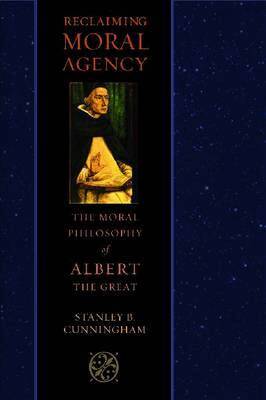
Reclaiming Moral Agency
The Moral Philosophy of Albert the Great
Inbunden, 2008
905 kr
Tillfälligt slut
This book provides a comprehensive analysis of the moral philosophy of Albert the Great (1200-1280) - the first and only such undertaking in English. It lays out what is, with rare exceptions, an unknown, ignored, or poorly-understood aspect of Albert's humanism. It also fills in a major lacuna in …
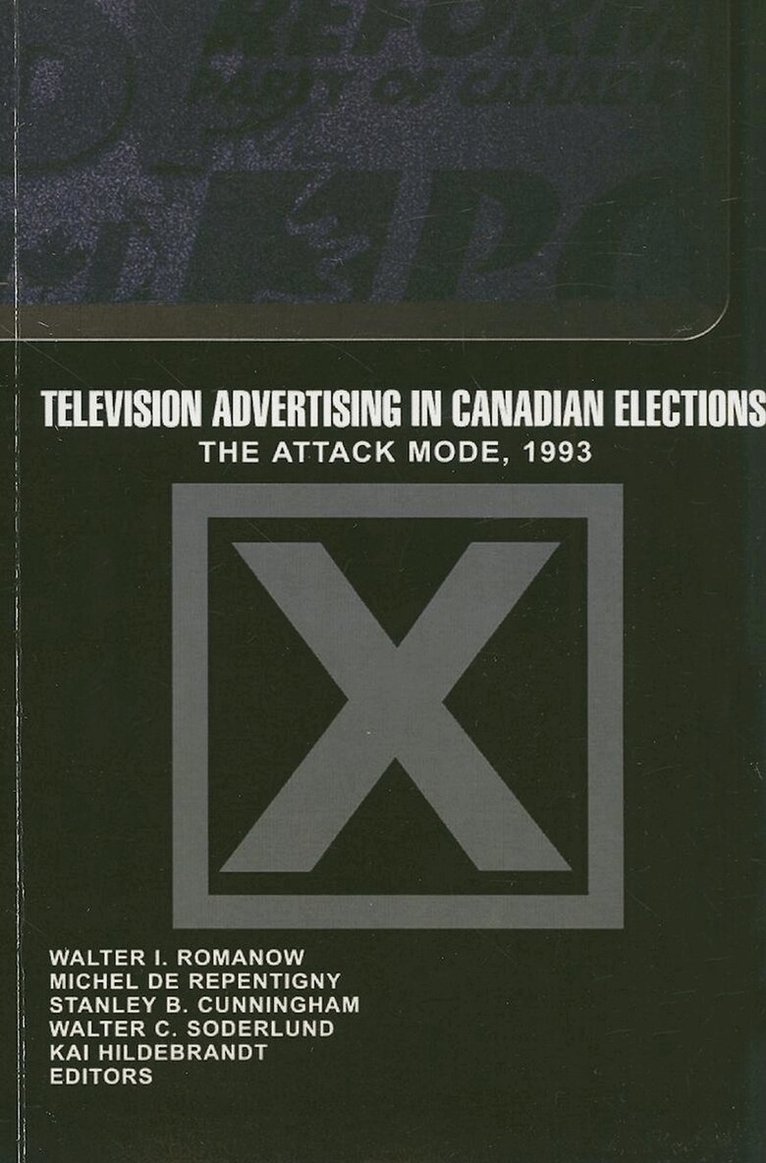
Television Advertising in Canadian Elections
The Attack Mode, 1993
Av Walter I. Romanow, Michel de Repentigny m. fl.
Häftad, 1999
498 kr
Tillfälligt slut
Can the strategy of negative political advertising developed in the United States succeed in Canada, or does this kind of advertising do more harm than good? The year 1988 saw elections in both the United States and Canada. It also saw a turning point in the tenor of television campaign …