Stanley Bill – författare
Visar alla böcker från författaren Stanley Bill. Handla med fri frakt och snabb leverans.
12 produkter
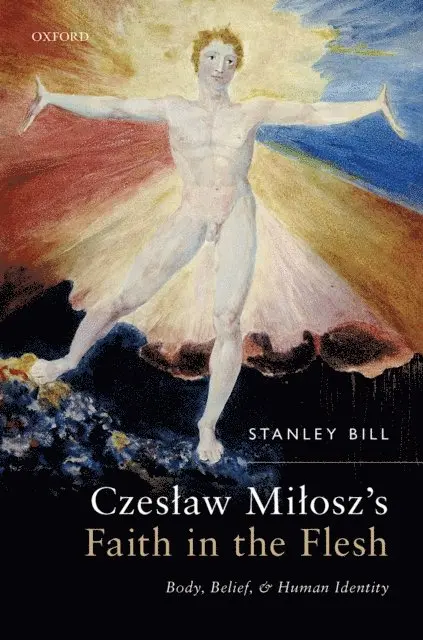
Czeslaw Milosz's Faith in the Flesh
Body, Belief, and Human Identity
Av Stanley Bill
E-bok, 2021
1244 kr
Lägg i varukorg
This book presents Czesław Miłosz''s poetic philosophy of the body as an original defense of religious faith, transcendence, and the value of the human individual against what he viewed as dangerous modern forms of materialism. The Polish Nobel laureate saw the reductive "biologization" of human …
Czeslaw Milosz's Faith in the Flesh
Body, Belief, and Human Identity
Av Stanley Bill
E-bok, 2021
1244 kr
Lägg i varukorg
This book presents Czesław Miłosz''s poetic philosophy of the body as an original defense of religious faith, transcendence, and the value of the human individual against what he viewed as dangerous modern forms of materialism. The Polish Nobel laureate saw the reductive "biologization" of human …
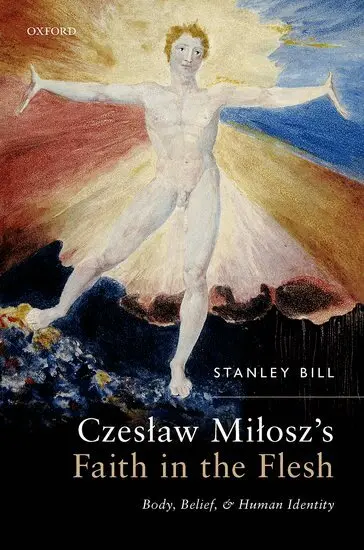
Czesław Miłosz's Faith in the Flesh
Body, Belief, and Human Identity
Av Stanley Bill
Inbunden, 2021
1935 kr
Lägg i varukorg
This book presents Czesław Miłosz's poetic philosophy of the body as an original defense of religious faith, transcendence, and the value of the human individual against what he viewed as dangerous modern forms of materialism. The Polish Nobel laureate saw the reductive "biologization" of human …
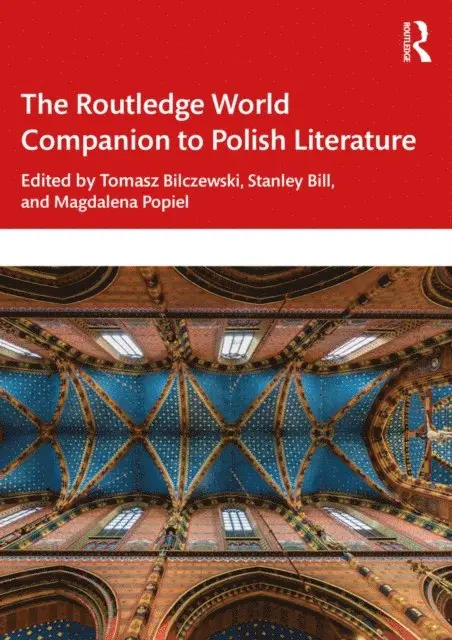
Routledge World Companion to Polish Literature
Av Tomasz Bilczewski, Stanley Bill m. fl.
Inbunden, 2021
3522 kr
Lägg i varukorg
The Routledge World Companion to Polish Literature offers an introduction to Polish literature through thirty-three case studies, covering works from the Middle Ages up to the present day. Each chapter draws on a text or body of work, examining its historical context, as well as its international …
Routledge World Companion to Polish Literature
Av Tomasz Bilczewski, Stanley Bill m. fl.
Häftad, 2024
828 kr
Lägg i varukorg
The Routledge World Companion to Polish Literature offers an introduction to Polish literature through thirty-three case studies, covering works from the Middle Ages up to the present day. Each chapter draws on a text or body of work, examining its historical context, as well as its international …
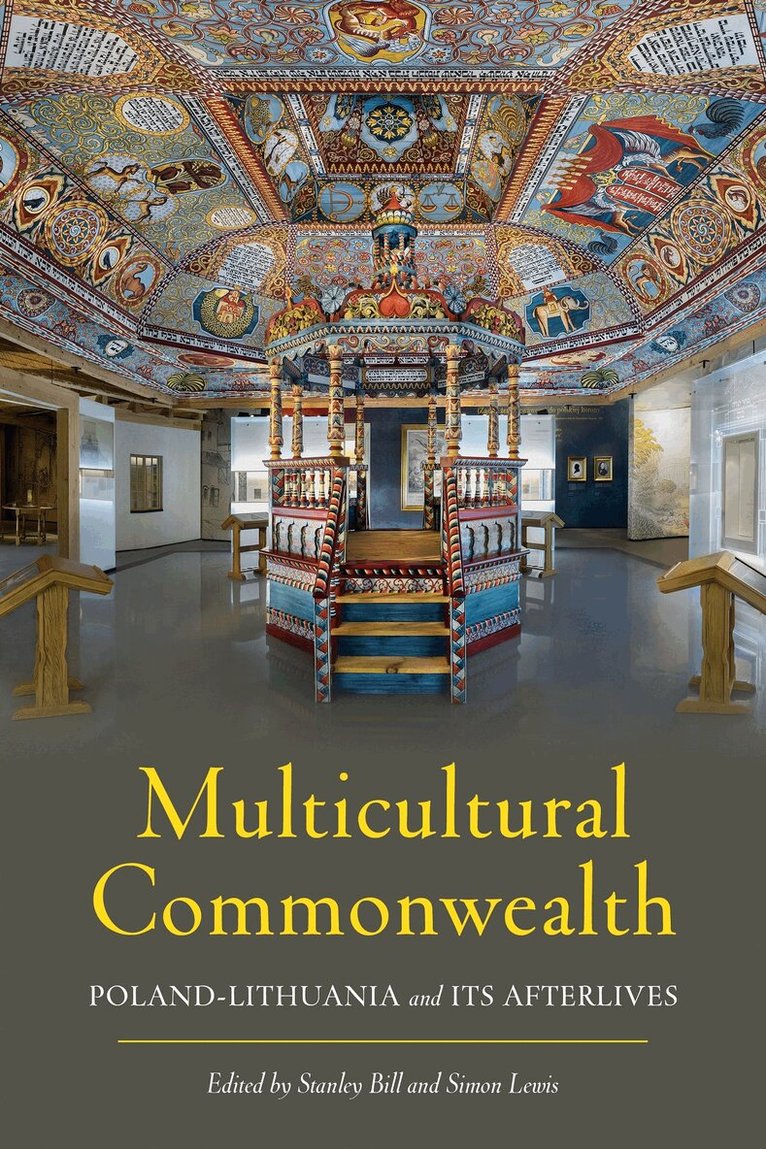
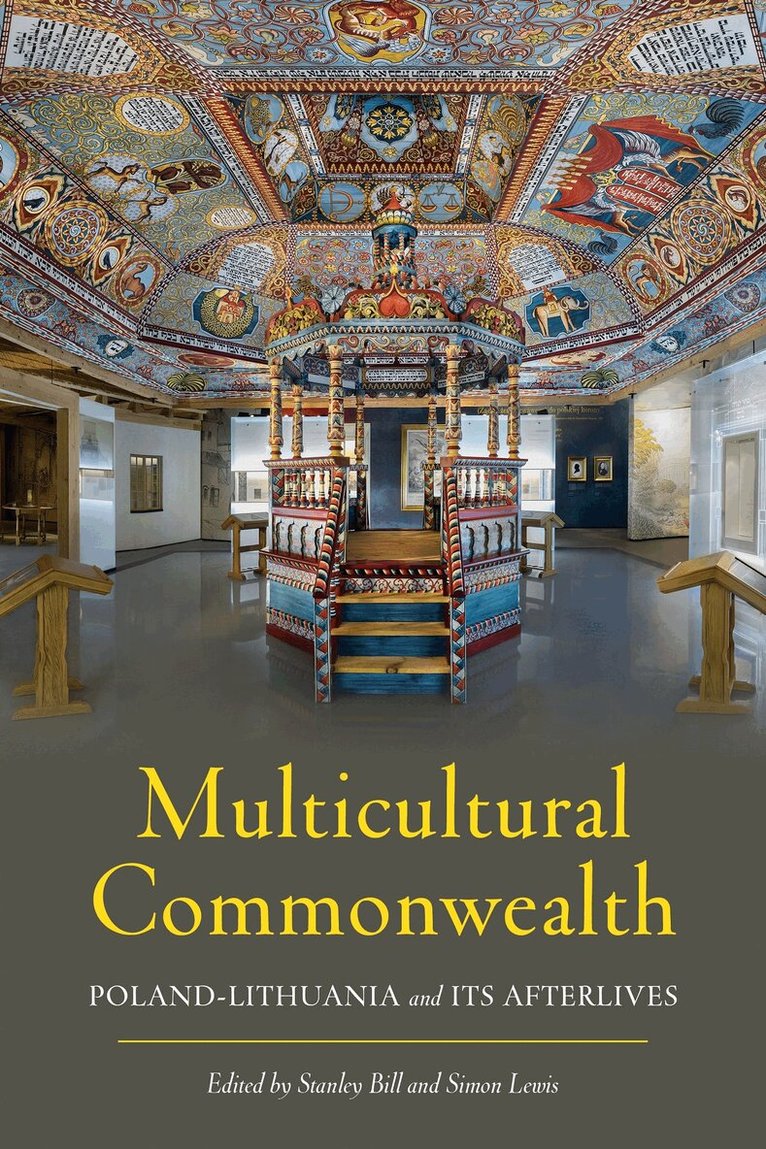
Multicultural Commonwealth
Poland-Lithuania and Its Afterlives
Av Stanley Bill, Simon Lewis m. fl.
Inbunden, 2023
977 kr
Lägg i varukorg
The Polish-Lithuanian Commonwealth (1569–1795) was once the largest country in Europe—a multicultural republic that was home to Belarusians, Germans, Jews, Lithuanians, Poles, Ruthenians, Tatars, Ukrainians, and other ethnic and religious groups. Although long since dissolved, the Commonwealth …
Multicultural Commonwealth
Poland-Lithuania and Its Afterlives
Häftad, 2026
525 kr
Lägg i varukorg
The Polish-Lithuanian Commonwealth (1569–1795) was once the largest country in Europe—a multicultural republic that was home to Belarusians, Germans, Jews, Lithuanians, Poles, Ruthenians, Tatars, Ukrainians, and other ethnic and religious groups. Although long since dissolved, the Commonwealth …
Routledge World Companion to Polish Literature
Av Magdalena Popiel, Stanley Bill m. fl.
E-bok, 2021
976 kr
Lägg i varukorg
The Routledge World Companion to Polish Literature offers an introduction to Polish literature through thirty-three case studies, covering works from the Middle Ages up to the present day. Each chapter draws on a text or body of work, examining its historical context, as well as its international …
Routledge World Companion to Polish Literature
Av Magdalena Popiel, Stanley Bill m. fl.
E-bok, 2021
976 kr
Lägg i varukorg
The Routledge World Companion to Polish Literature offers an introduction to Polish literature through thirty-three case studies, covering works from the Middle Ages up to the present day. Each chapter draws on a text or body of work, examining its historical context, as well as its international …
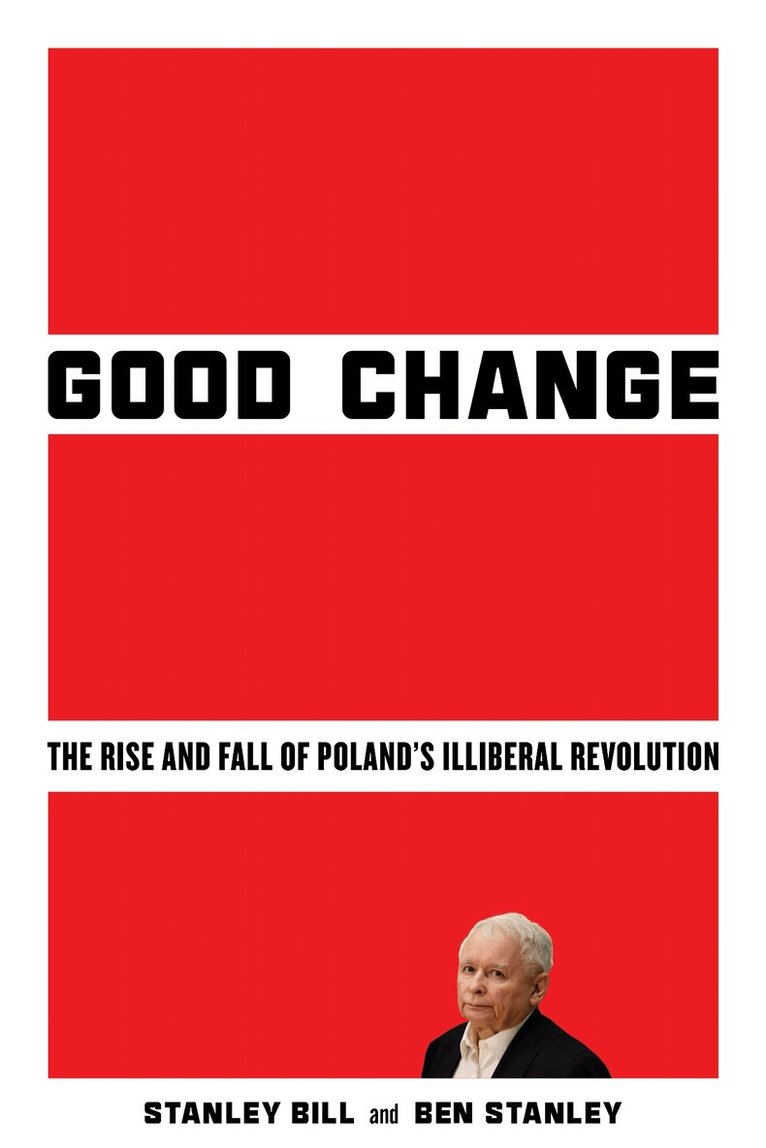
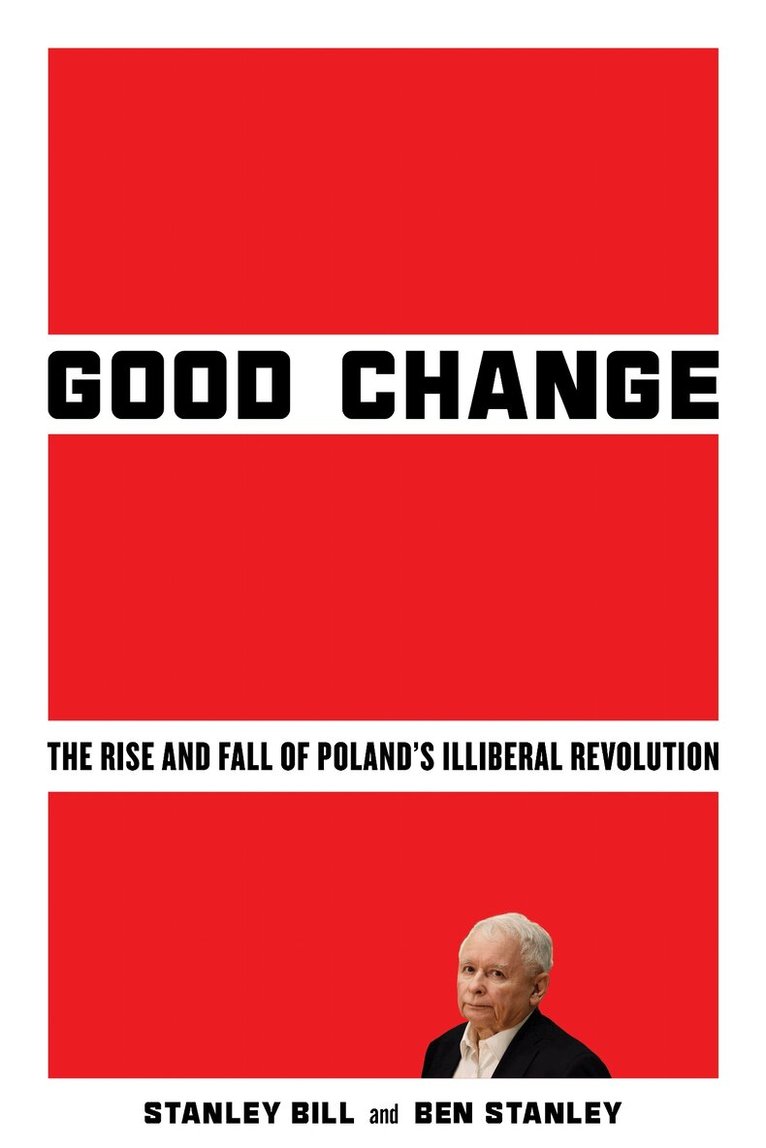
Good Change
The Rise and Fall of Poland's Illiberal Revolution
Inbunden, 2025
1620 kr
Lägg i varukorg
Few countries serve as a more useful case study for understanding the global tension between liberal and illiberal conceptions of democracy than Poland. Under the populist Law and Justice (PiS) –led government, a large part of the Polish electorate welcomed the party's "Good Change"—as it described …
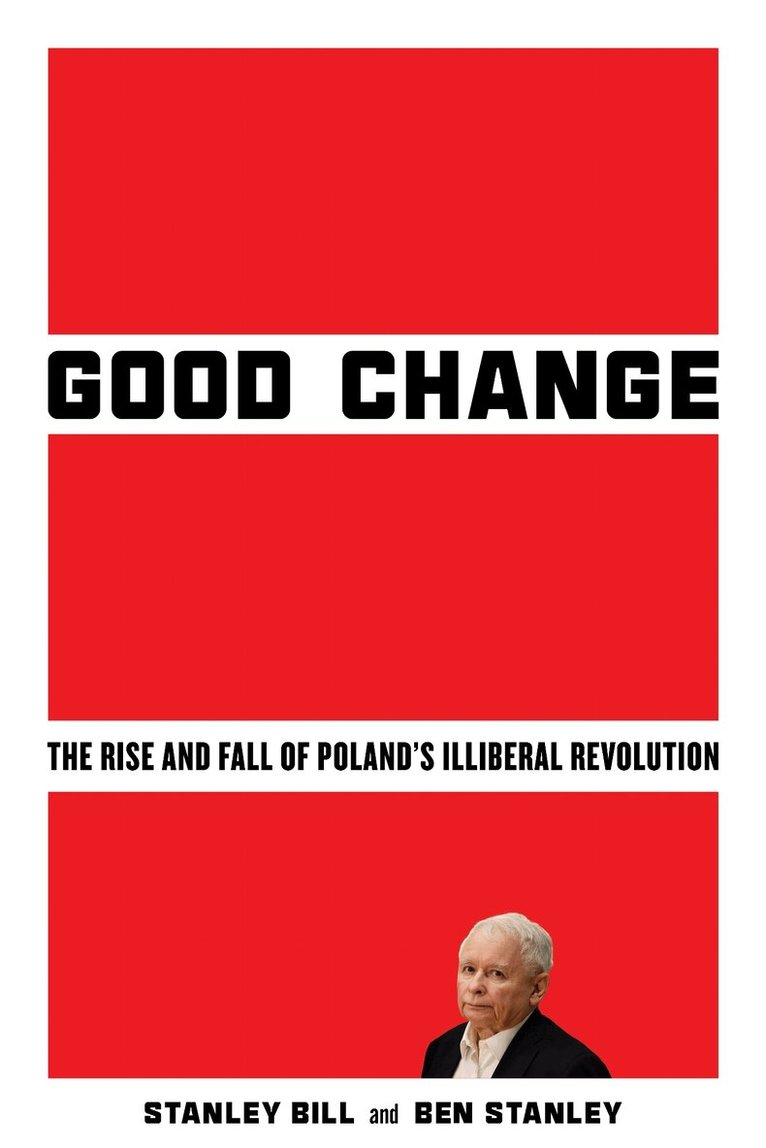
Good Change
The Rise and Fall of Poland's Illiberal Revolution
Häftad, 2025
389 kr
Lägg i varukorg
Few countries serve as a more useful case study for understanding the global tension between liberal and illiberal conceptions of democracy than Poland. Under the populist Law and Justice (PiS) –led government, a large part of the Polish electorate welcomed the party's "Good Change"—as it described …
Good Change
The Rise and Fall of Poland's Illiberal Revolution
E-bok, 2025
482 kr
Lägg i varukorg
Few countries serve as a more useful case study for understanding the global tension between liberal and illiberal conceptions of democracy than Poland. Under the populist Law and Justice (PiS) –led government, a large part of the Polish electorate welcomed the party's "Good Change" - as it …