Ben Stanley – författare
Visar alla böcker från författaren Ben Stanley. Handla med fri frakt och snabb leverans.
3 produkter
3 produkter
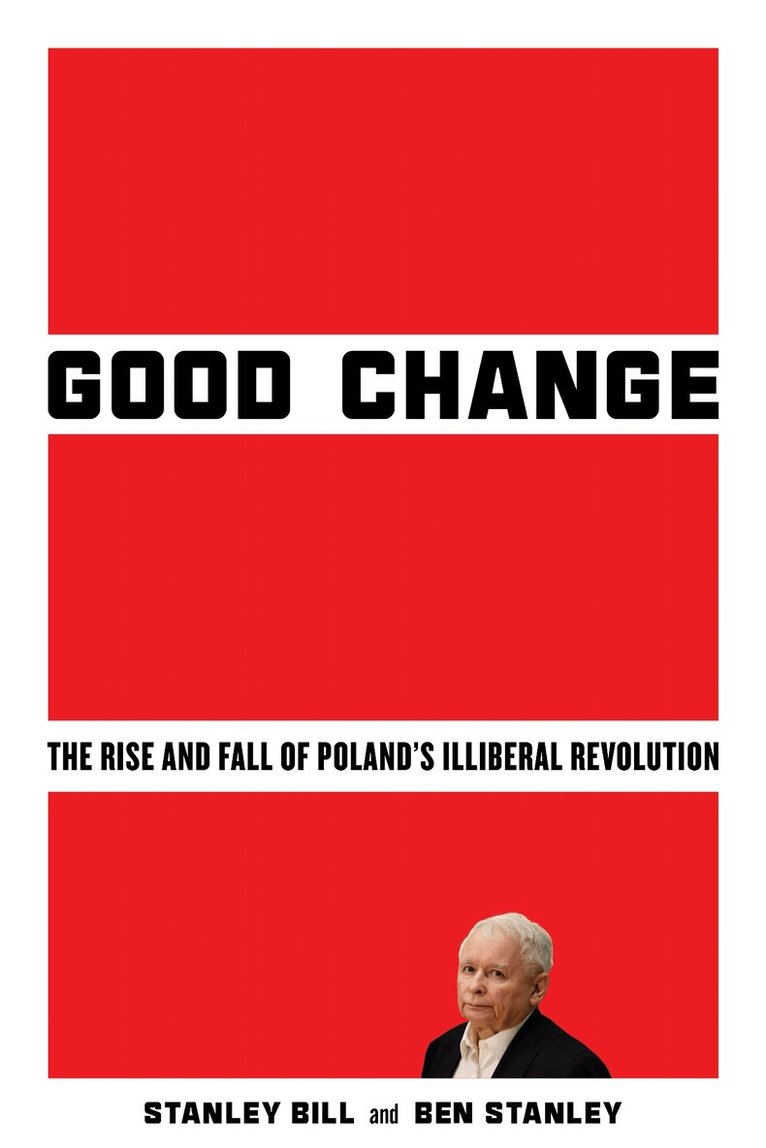
Inbunden, Engelska, 2025
1 578 kr
Skickas inom 5-8 vardagar
Few countries serve as a more useful case study for understanding the global tension between liberal and illiberal conceptions of democracy than Poland. Under the populist Law and Justice (PiS) –led government, a large part of the Polish electorate welcomed the party's "Good Change"—as it described its program—despite accusations of democratic backsliding. PiS offered voters neglected by previous governments a combination of economic redistributionism and cultural traditionalism, supplemented with narratives of bolstering Poland's national prestige and sovereignty. Yet after eight years of success, it was defeated in the October 2023 elections by a "pro-democratic" coalition. The history of PiS shows both the strengths and weaknesses of democratic illiberalism as a challenge to liberal democracy.Bill and Stanley analyze the course and causes of the party's successes and failures. The authors deftly outline PiS's assault on democratic institutions, its paradigm-changing redistributive programs, cultural backlash agenda, politics of history, and the reasons for its fall from power. Poland's democracy has proven resilient to the specter of autocratization, but its future development under a new government raises fresh questions. This essential book considers what the rise and fall of Poland's illiberal government reveals about the future of liberal democracy and its ongoing transformations in the twenty-first century.
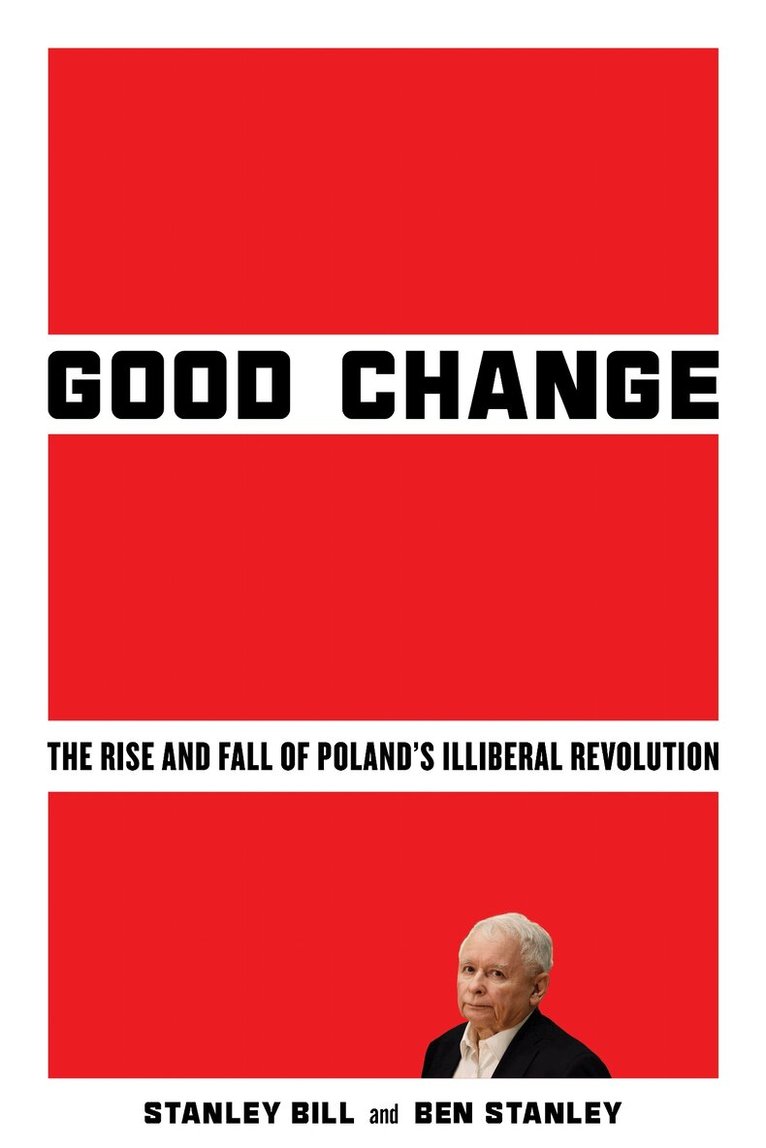
Häftad, Engelska, 2025
365 kr
Skickas
Few countries serve as a more useful case study for understanding the global tension between liberal and illiberal conceptions of democracy than Poland. Under the populist Law and Justice (PiS) –led government, a large part of the Polish electorate welcomed the party's "Good Change"—as it described its program—despite accusations of democratic backsliding. PiS offered voters neglected by previous governments a combination of economic redistributionism and cultural traditionalism, supplemented with narratives of bolstering Poland's national prestige and sovereignty. Yet after eight years of success, it was defeated in the October 2023 elections by a "pro-democratic" coalition. The history of PiS shows both the strengths and weaknesses of democratic illiberalism as a challenge to liberal democracy.Bill and Stanley analyze the course and causes of the party's successes and failures. The authors deftly outline PiS's assault on democratic institutions, its paradigm-changing redistributive programs, cultural backlash agenda, politics of history, and the reasons for its fall from power. Poland's democracy has proven resilient to the specter of autocratization, but its future development under a new government raises fresh questions. This essential book considers what the rise and fall of Poland's illiberal government reveals about the future of liberal democracy and its ongoing transformations in the twenty-first century.
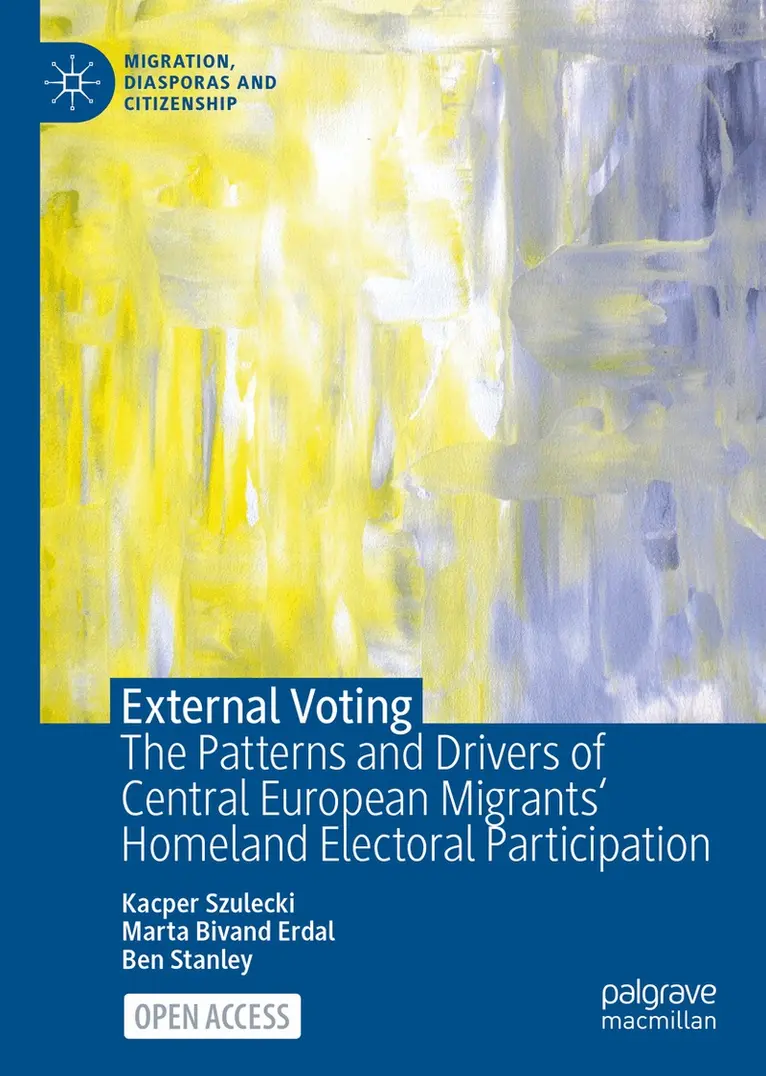
Inbunden, Engelska, 2022
549 kr
Skickas inom 10-15 vardagar
This open access book is the first monograph that brings together insights from comparative politics, political sociology, and migration studies to introduce the current state of knowledge on external voting and transnational politics. Drawing on new data gathered within the DIASPOlitic project, which created a comparative dataset of external voting results for 6 countries of origin and 17 countries of residence as well as an extensive qualitative dataset of 80 in-depth interviews with four groups of migrants, this book not only illustrates theoretical problems with empirical material, but also provides answers to previously unaddressed questions.The empirical material focuses on the European context. The Eastern Enlargement of the European Union (2004-2007) triggered a westward wave of migration from Central and Eastern European countries which faced the expansion of existing émigré communities and the emergence of new ones. As this process coincided with the expansion ofmigrant voting rights, the result is a large set of populous diaspora communities which can potentially have a significant impact on country electoral politics, making the study of external voting highly relevant.This book’s introduction takes stock of current research on transnational politics and external voting, presenting core puzzles. The following chapter introduces the context of intra-European migration and the political situation in Central-Eastern European sending countries. The next two sections address the empirical puzzles, drawing on new quantitative and qualitative. The conclusion takes stock of the evidence gathered, discusses the normative problem of non-resident voters enfranchisement, connects external voting to the broader debate on political remittances and finally, maps the terrain ahead for future research.This concise, empirically grounded introduction to external voting is critical reading in structuring the debate around migration and shapingresearch agendas for the future.