Stanley Brandes – författare
Visar alla böcker från författaren Stanley Brandes. Handla med fri frakt och snabb leverans.
9 produkter
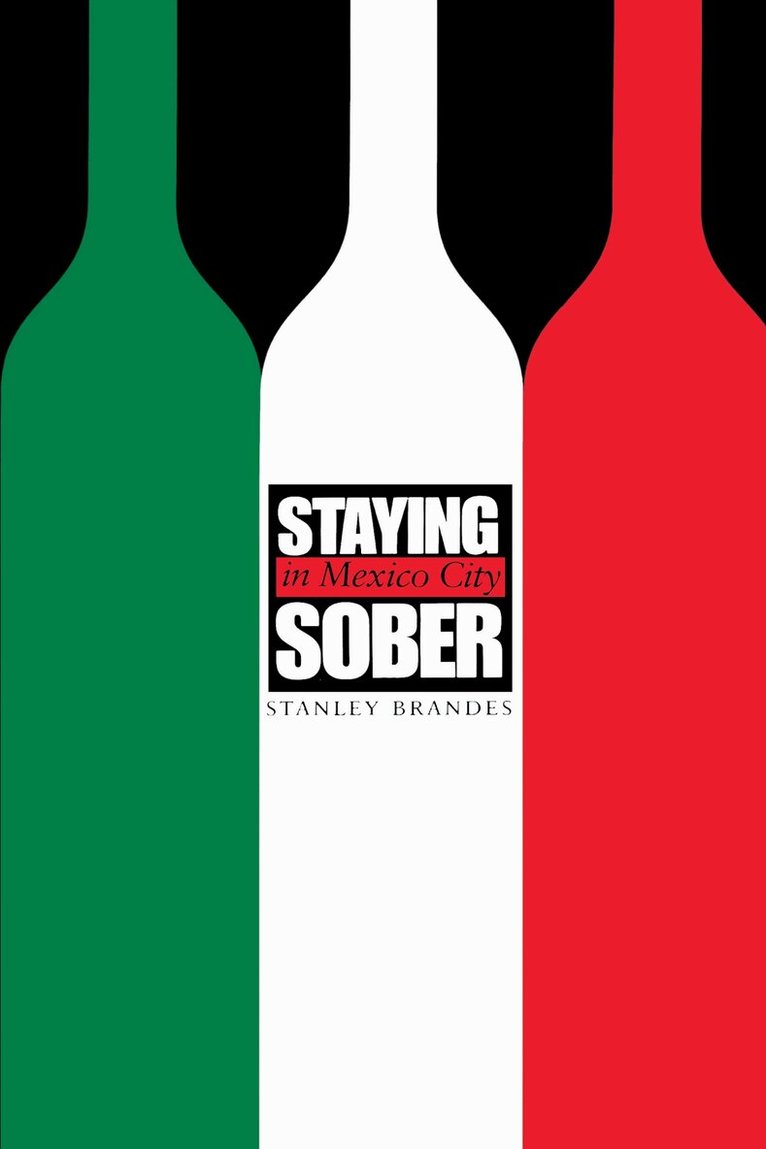
Staying Sober in Mexico City
Häftad, 2002
275 kr
Lägg i varukorg
Staying sober is a daily struggle for many men living in Mexico City, one of the world's largest, grittiest urban centers. In this engaging study, Stanley Brandes focuses on a common therapeutic response to alcoholism, Alcoholics Anonymous (A.A.), which boasts an enormous following throughout …
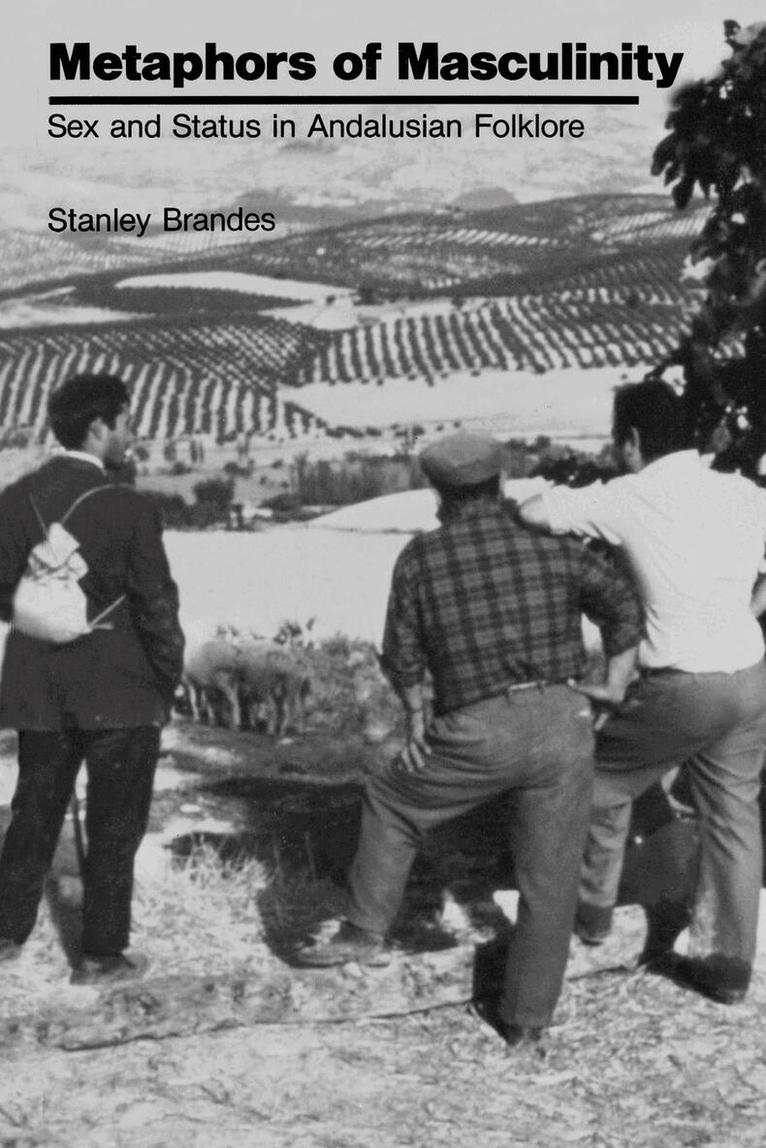
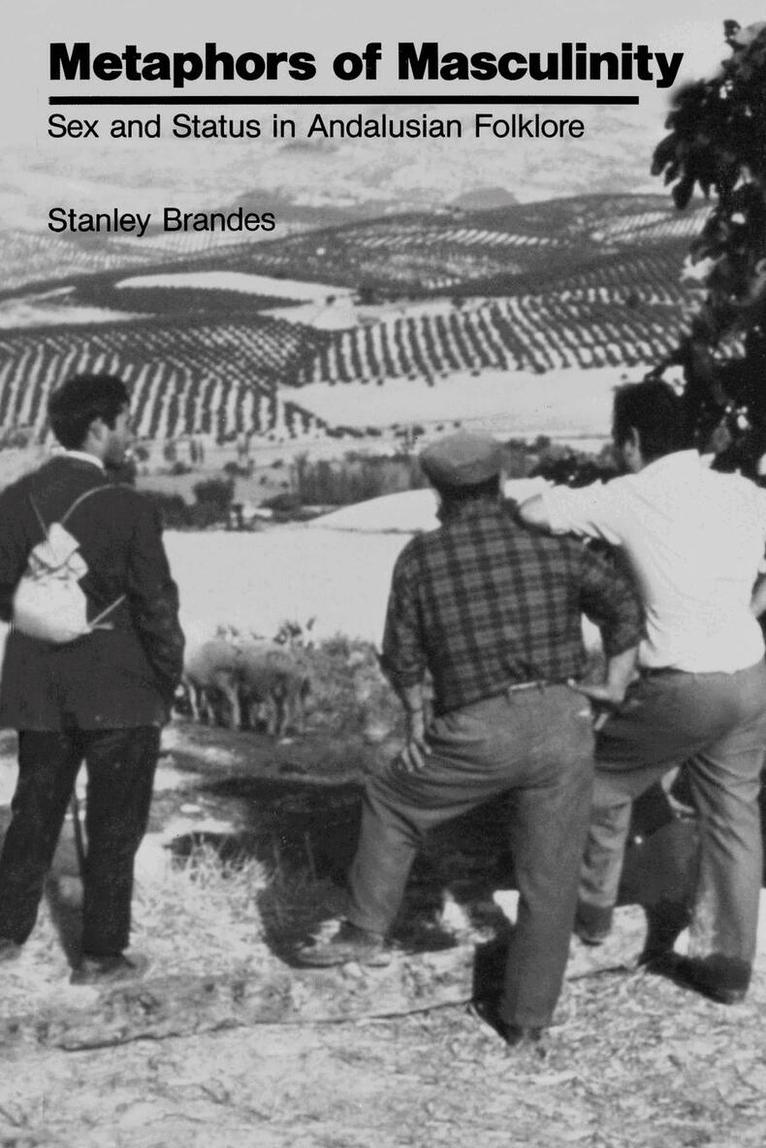
Metaphors of Masculinity
Sex and Status in Andalusian Folklore
Häftad, 1980
331 kr
Lägg i varukorg
In the Andalusian communities throughout the olive-growing region of southeastern Spain men show themselves to be primarily concerned with two problems of identity: their place in the social hierarchy, and the maintenance of their masculinity in the context of their culture.In this study of …
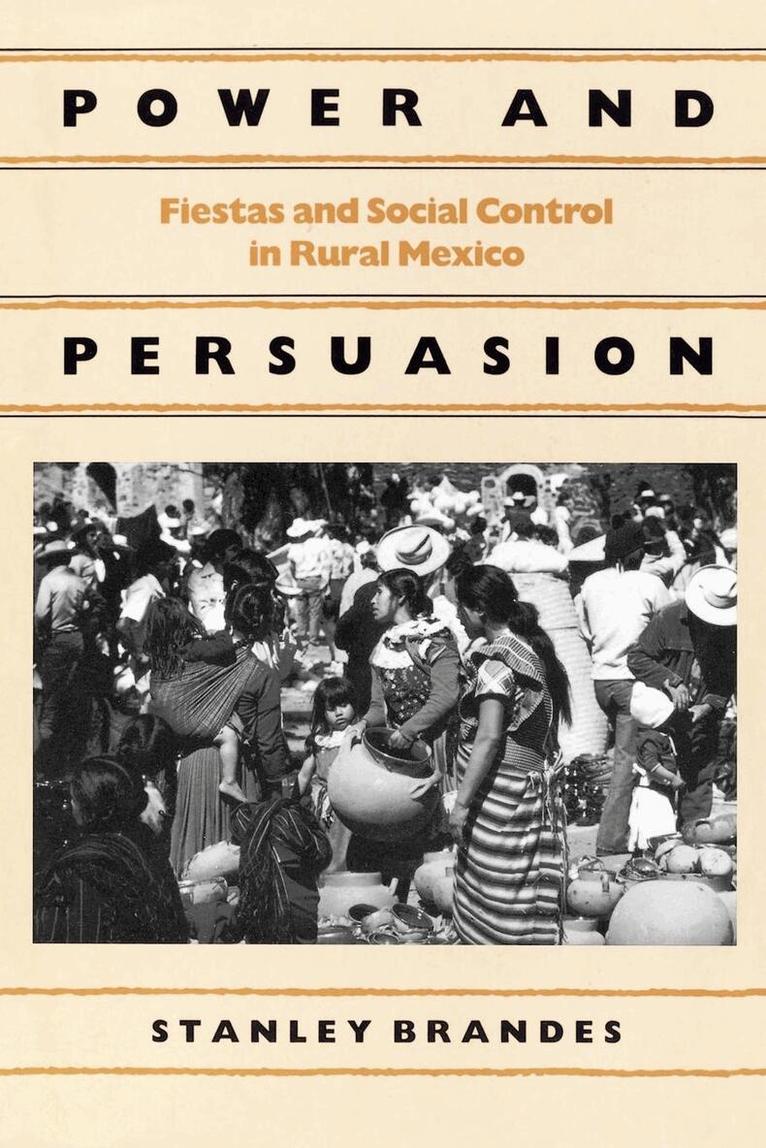
Power and Persuasion
Fiestas and Social Control in Rural Mexico
Häftad, 1988
331 kr
Lägg i varukorg
Demonstrates how the annual fiesta cycle reflects political dependency of local communities on the nation-state, helps maintain formal authority, and perpetuates behavioral norms and social values.
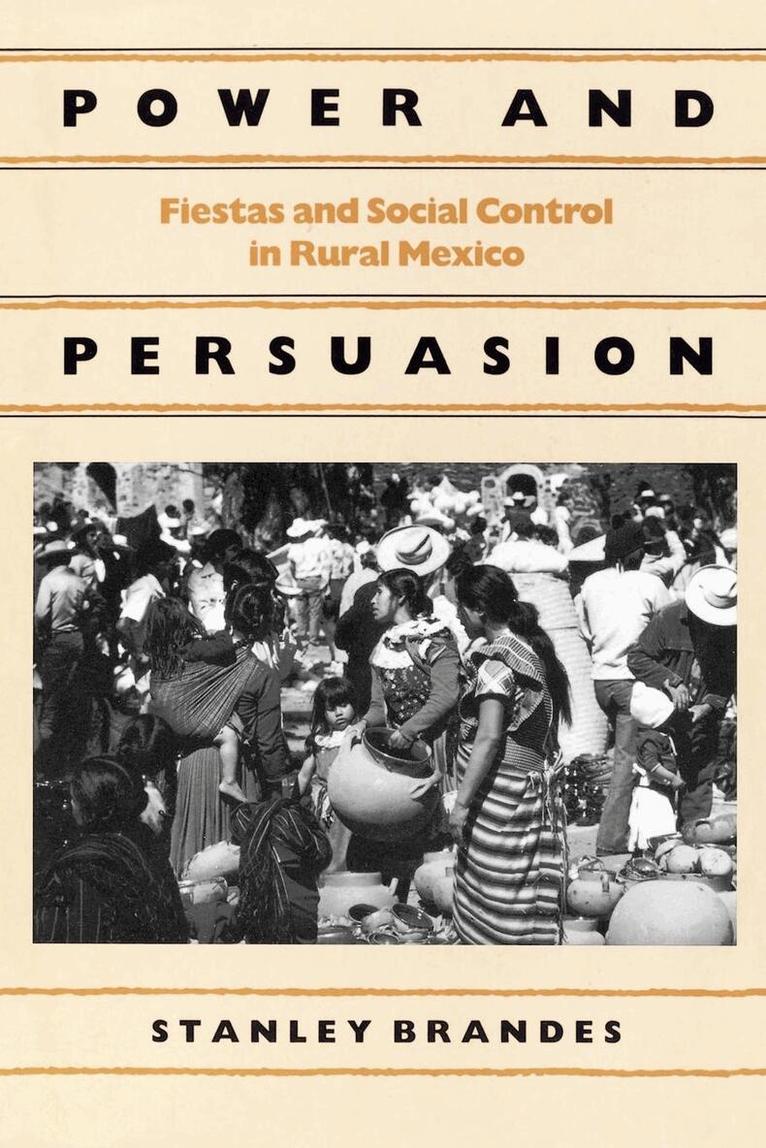
Power and Persuasion
Fiestas and Social Control in Rural Mexico
E-bok, 2015
424 kr
Lägg i varukorg
Demonstrates how the annual fiesta cycle reflects political dependency of local communities on the nation-state, helps maintain formal authority, and perpetuates behavioral norms and social values.
Metaphors of Masculinity
Sex and Status in Andalusian Folklore
E-bok, 2015
424 kr
Lägg i varukorg
In the Andalusian communities throughout the olive-growing region of southeastern Spain men show themselves to be primarily concerned with two problems of identity: their place in the social hierarchy, and the maintenance of their masculinity in the context of their culture.In this study of …
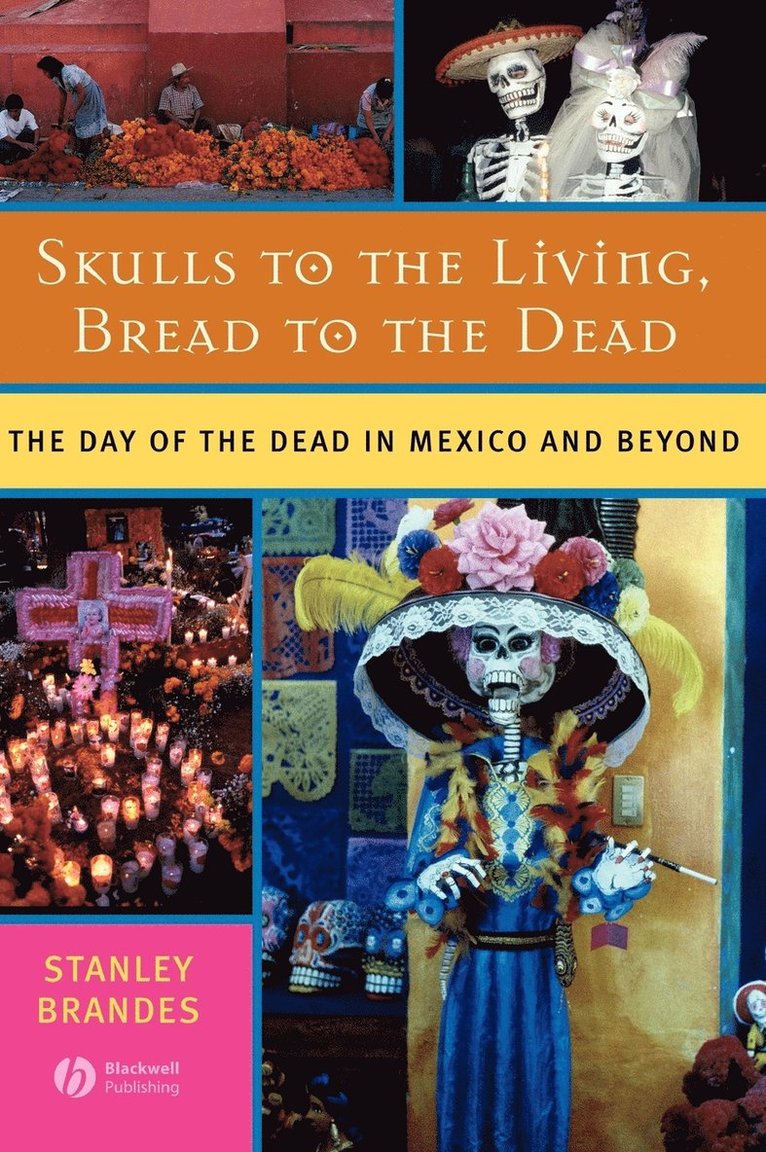
Skulls to the Living, Bread to the Dead
The Day of the Dead in Mexico and Beyond
Inbunden, 2006
1513 kr
Lägg i varukorg
Each October, as the Day of the Dead draws near, Mexican markets overflow with decorated breads, fanciful paper cutouts, and whimsical toy skulls and skeletons. To honor deceased relatives, Mexicans decorate graves and erect home altars. Drawing on a rich array of historical and ethnographic …
Skulls to the Living, Bread to the Dead
The Day of the Dead in Mexico and Beyond
Häftad, 2006
503 kr
Lägg i varukorg
"Erudite and charming, Brandes' book provides a welcome antidote to previous studies of Day of the Dead 'morbidity,' segueing seamlessly from the Mexican festivities to MexicanAmericans in California. The book is destined to become a classic in Hispanic studies." David D. Gilmore, SUNY, Stony …
Skulls to the Living, Bread to the Dead
The Day of the Dead in Mexico and Beyond
E-bok, 2009
1627 kr
Lägg i varukorg
Each October, as the Day of the Dead draws near, Mexican markets overflow with decorated breads, fanciful paper cutouts, and whimsical toy skulls and skeletons. To honor deceased relatives, Mexicans decorate graves and erect home altars. Drawing on a rich array of historical and ethnographic …