Stanley P. L. Leong – författare
Visar alla böcker från författaren Stanley P. L. Leong. Handla med fri frakt och snabb leverans.
18 produkter
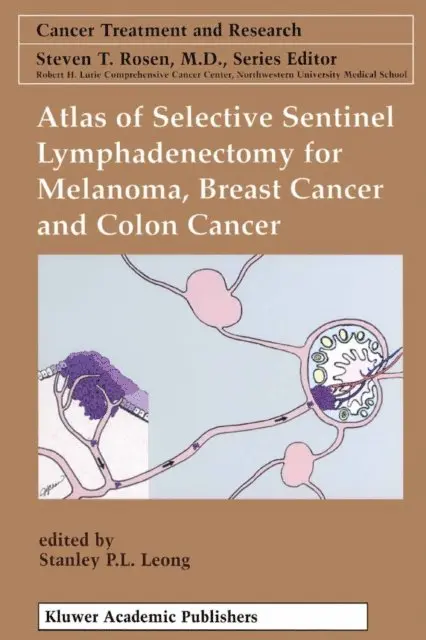
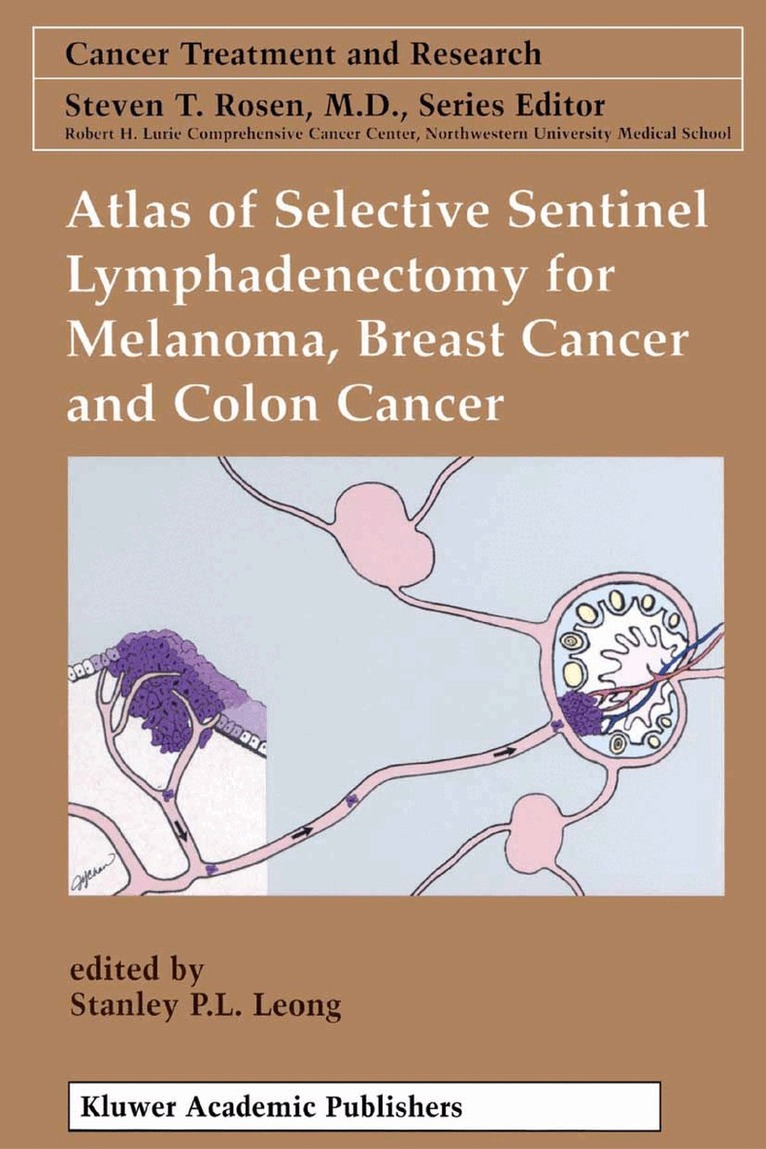
Atlas of Selective Sentinel Lymphadenectomy for Melanoma, Breast Cancer and Colon Cancer
E-bok, 2006
1502 kr
Lägg i varukorg
Atlas of Selective Lymphadenectomy for Melanoma, Breast Cancer and Colon Cancer emphasizes a multidisciplinary approach combining the experiences of a nuclear medicine physician, surgeon, and pathologist. This is an important reference also for researchers and clinicians who want to become familiar …
Selective Sentinel Lymphadenectomy for Human Solid Cancer
Av Stanley P. L. Leong, Yuko Kitagawa m. fl.
2005
1330 kr
Lägg i varukorg
In human solid cancer, the lymph node (LN) status is the most important prognostic indicator for the clinical outcome of patients. Recent developments in the sentinel lymph node (SLN) concept and technology have resulted in the application of this revolutionary approach to define the first draining …
Selective Sentinel Lymphadenectomy for Human Solid Cancer
Av Masaki Kitajima, Yuko Kitagawa m. fl.
E-bok, 2006
1502 kr
Lägg i varukorg
In human solid cancer, the lymph node (LN) status is the most important prognostic indicator for the clinical outcome of patients. Recent developments in the sentinel lymph node (SLN) concept and technology have resulted in the application of this revolutionary approach to define the first draining …
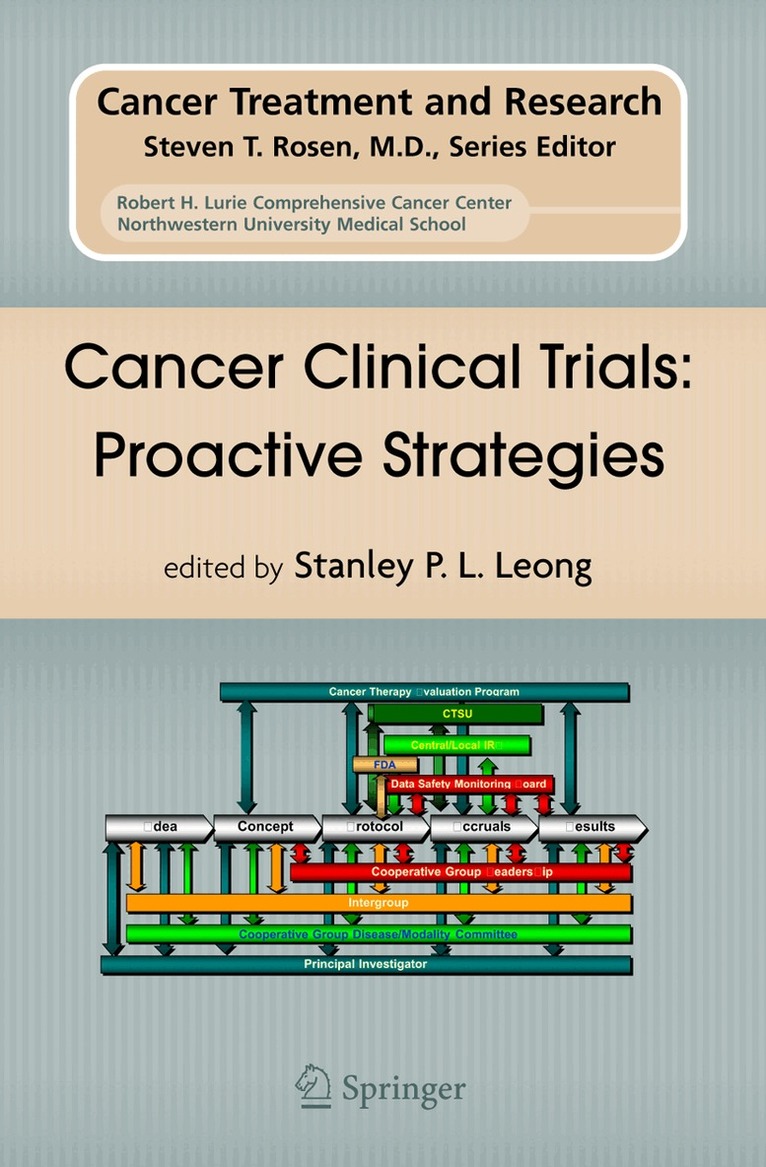
Cancer Clinical Trials: Proactive Strategies
Inbunden, 2006
1688 kr
Lägg i varukorg
Clinical trials remain the most important vehicle for improving the care of cancer patients. This text presents the fundamental components and challenges involving clinical investigations. Leading experts discuss the critical issues covering the spectrum of important topics from planning to …
Cancer Clinical Trials: Proactive Strategies
E-bok, 2007
2174 kr
Lägg i varukorg
Clinical trials remain the most important vehicle for improving the care of cancer patients. This text presents the fundamental components and challenges involving clinical investigations. Leading experts discuss the critical issues covering the spectrum of important topics from planning to …
Cancer Metastasis and the Lymphovascular System:
Basis for Rational Therapy
Inbunden, 2007
1688 kr
Lägg i varukorg
Sentinel lymph node (SLN) procedures have opened a window of opportunity for the study of micrometastasis. In eighty percent (80%) of metastasis there lies an orderly pattern of progression via the lymphatic network, while 20% of the time systemic metastasis occurs, bypassing the lymphatic system. …
Cancer Metastasis and the Lymphovascular System:
Basis for Rational Therapy
E-bok, 2007
1634 kr
Lägg i varukorg
Sentinel lymph node (SLN) procedures have opened a window of opportunity for the study of micrometastasis. In eighty percent (80%) of metastasis there lies an orderly pattern of progression via the lymphatic network, while 20% of the time systemic metastasis occurs, bypassing the lymphatic system. …
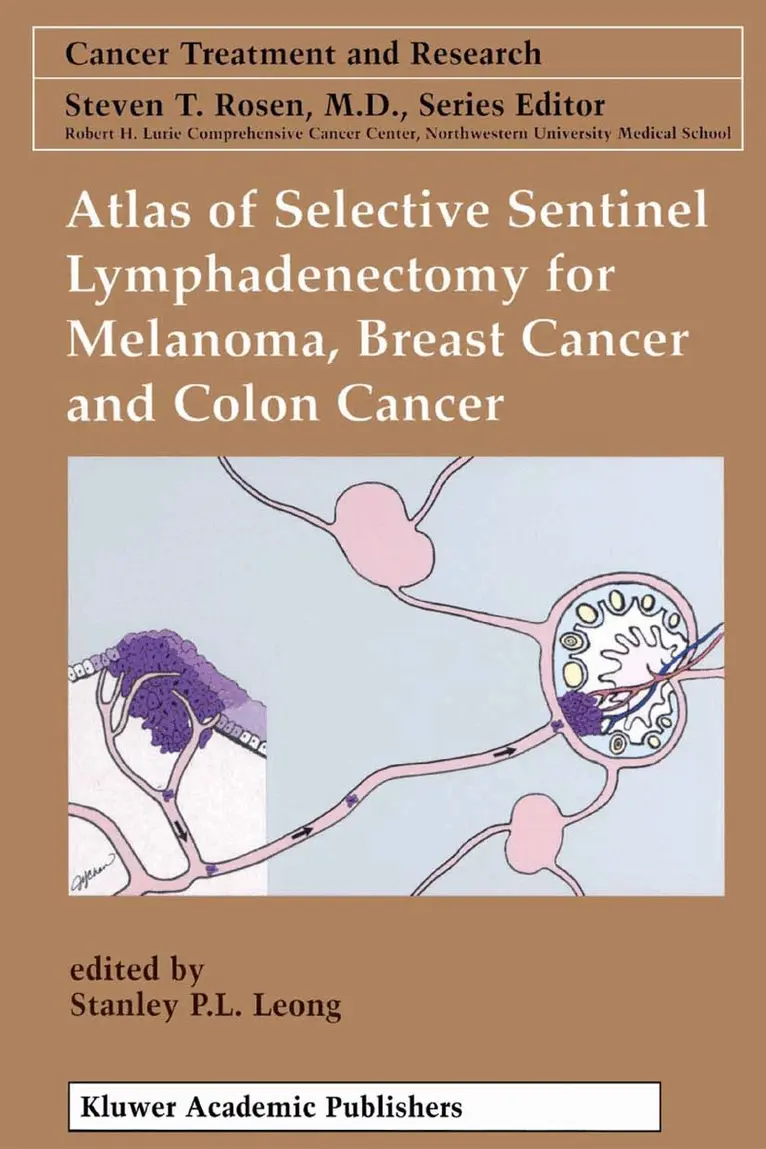
Atlas of Selective Sentinel Lymphadenectomy for Melanoma, Breast Cancer and Colon Cancer
Av Stanley P. L. Leong, Stanley P. L. Leong
Inbunden, 2002
1131 kr
Lägg i varukorg
Atlas of Selective Lymphadenectomy for Melanoma, Breast Cancer and Colon Cancer emphasizes a multidisciplinary approach combining the experiences of a nuclear medicine physician, surgeon, and pathologist. This is an important reference also for researchers and clinicians who want to become familiar …
Atlas of Selective Sentinel Lymphadenectomy for Melanoma, Breast Cancer and Colon Cancer
Häftad, 2013
1131 kr
Lägg i varukorg
Atlas of Selective Lymphadenectomy for Melanoma, Breast Cancer and Colon Cancer emphasizes a multidisciplinary approach combining the experiences of a nuclear medicine physician, surgeon, and pathologist. This is an important reference also for researchers and clinicians who want to become familiar …
Cancer Clinical Trials: Proactive Strategies
Häftad, 2016
1693 kr
Lägg i varukorg
Clinical trials remain the most important vehicle for improving the care of cancer patients. This text presents the fundamental components and challenges involving clinical investigations. Leading experts discuss the critical issues covering the spectrum of important topics from planning to …
Selective Sentinel Lymphadenectomy for Human Solid Cancer
Av Stanley P. L. Leong, Yuko Kitagawa m. fl.
Häftad, 2014
1131 kr
Lägg i varukorg
In human solid cancer, the lymph node (LN) status is the most important prognostic indicator for the clinical outcome of patients. Recent developments in the sentinel lymph node (SLN) concept and technology have resulted in the application of this revolutionary approach to define the first draining …
Cancer Metastasis and the Lymphovascular System:
Basis for Rational Therapy
Häftad, 2014
1243 kr
Lägg i varukorg
Sentinel lymph node (SLN) procedures have opened a window of opportunity for the study of micrometastasis. In eighty percent (80%) of metastasis there lies an orderly pattern of progression via the lymphatic network, while 20% of the time systemic metastasis occurs, bypassing the lymphatic system. …
From Melanocytes to Melanoma
The Progression to Malignancy
Av Vincent J. Hearing, Stanley P. L. Leong
Häftad, 2016
1243 kr
Lägg i varukorg
Leading researchers and clinicians join forces to explain how malignant melanoma develops from its benign precursor cell type. The authors focus on the molecular mechanisms involved in melanogenesis, in the malignant transformation of melanocytes, and in the further progression of primary melanomas …
From Melanocytes to Melanoma
The Progression to Malignancy
Av Vincent J. Hearing, Stanley P. L. Leong
Inbunden, 2005
1693 kr
Lägg i varukorg
Leading researchers and clinicians join forces to explain how malignant melanoma develops from its benign precursor cell type. The authors focus on the molecular mechanisms involved in melanogenesis, in the malignant transformation of melanocytes, and in the further progression of primary melanomas …
From Melanocytes to Melanoma
The Progression to Malignancy
Av Stanley P. L. Leong, Vincent J. Hearing
E-bok, 2007
1670 kr
Lägg i varukorg
Leading researchers and clinicians join forces to explain how malignant melanoma develops from its benign precursor cell type. The authors focus on the molecular mechanisms involved in melanogenesis, in the malignant transformation of melanocytes, and in the further progression of primary melanomas …
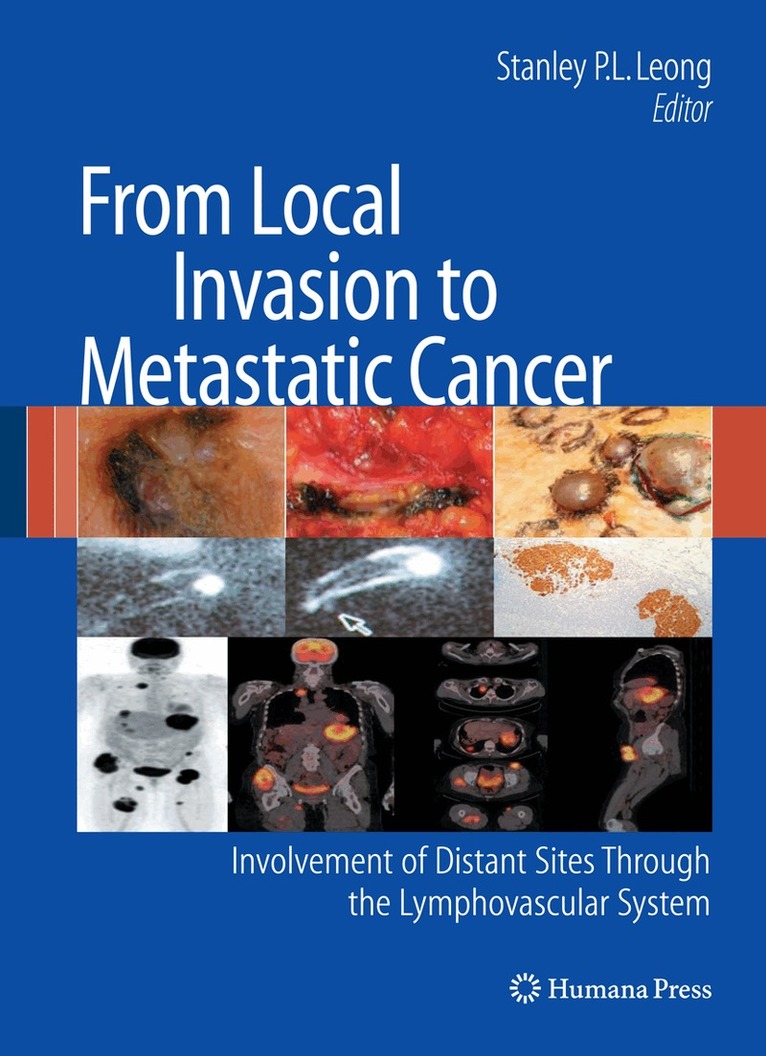
From Local Invasion to Metastatic Cancer
Involvement of Distant Sites Through the Lymphovascular System
Inbunden, 2009
2254 kr
Lägg i varukorg
In human solid tumors, nodal status is the most important prognostic indicator for patient outcome. Recent developments in the sentinel lymph node concept have resulted in new procedures to define the first draining node as the primary gateway through which the cancer will spread. In From Local …
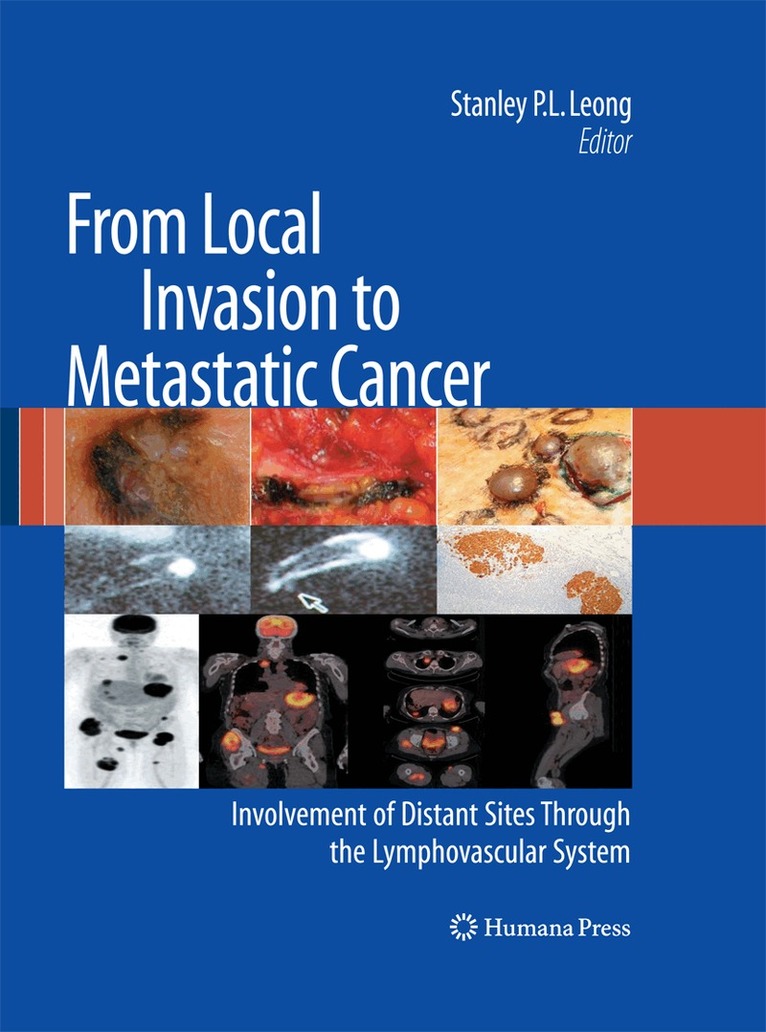
From Local Invasion to Metastatic Cancer
Involvement of Distant Sites Through the Lymphovascular System
E-bok, 2009
3013 kr
Lägg i varukorg
In human solid tumors, nodal status is the most important prognostic indicator for patient outcome. Recent developments in the sentinel lymph node concept have resulted in new procedures to define the first draining node as the primary gateway through which the cancer will spread. In From Local …
From Local Invasion to Metastatic Cancer
Involvement of Distant Sites Through the Lymphovascular System
Häftad, 2014
2479 kr
Lägg i varukorg
In human solid tumors, nodal status is the most important prognostic indicator for patient outcome. Recent developments in the sentinel lymph node concept have resulted in new procedures to define the first draining node as the primary gateway through which the cancer will spread. In From Local …