
Steeve O. Buckridge – författare
Visar alla böcker från författaren Steeve O. Buckridge. Handla med fri frakt och snabb leverans.
3 produkter
3 produkter
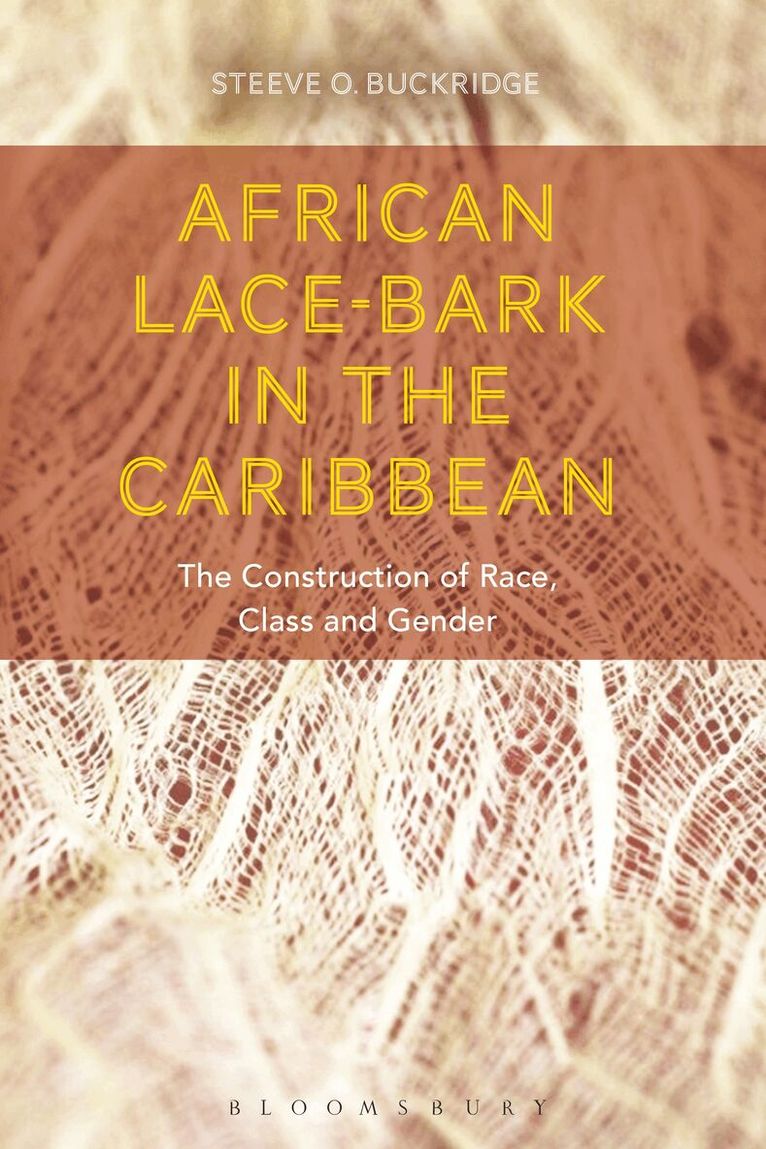
Häftad, Engelska, 2018
508 kr
Skickas inom 10-15 vardagar
In Caribbean history, the European colonial plantocracy created a cultural diaspora in which African slaves were torn from their ancestral homeland. In order to maintain vital links to their traditions and culture, slaves retained certain customs and nurtured them in the Caribbean. The creation of lace-bark cloth from the lagetta tree was a practice that enabled slave women to fashion their own clothing, an exercise that was both a necessity, as clothing provisions for slaves were poor, and empowering, as it allowed women who participated in the industry to achieve some financial independence.This is the first book on the subject and, through close collaboration with experts in the field including Maroon descendants, scientists and conservationists, it offers a pioneering perspective on the material culture of Caribbean slaves, bringing into focus the dynamics of race, class and gender. Focussing on the time period from the 1660s to the 1920s, it examines how the industry developed, the types of clothes made, and the people who wore them. The study asks crucial questions about the social roles that bark cloth production played in the plantation economy and colonial society, and in particular explores the relationship between bark cloth production and identity amongst slave women.
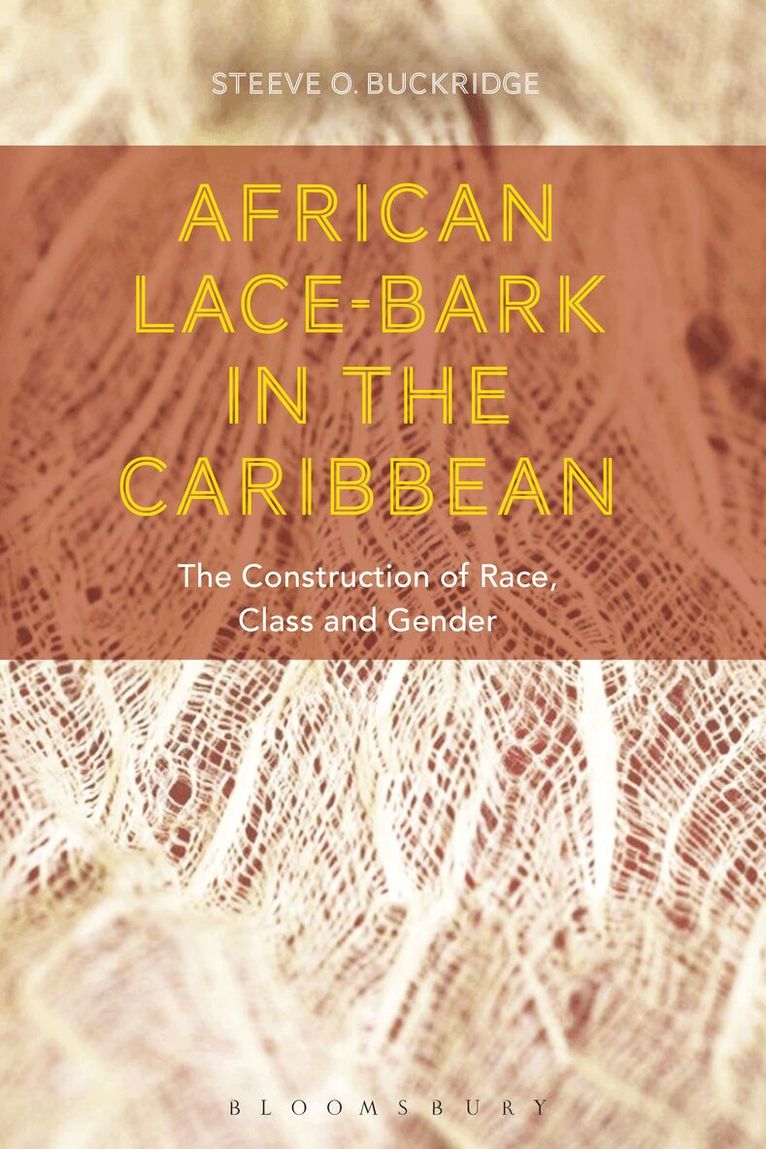
Inbunden, Engelska, 2016
1 959 kr
Skickas inom 10-15 vardagar
In Caribbean history, the European colonial plantocracy created a cultural diaspora in which African slaves were torn from their ancestral homeland. In order to maintain vital links to their traditions and culture, slaves retained certain customs and nurtured them in the Caribbean. The creation of lace-bark cloth from the lagetta tree was a practice that enabled slave women to fashion their own clothing, an exercise that was both a necessity, as clothing provisions for slaves were poor, and empowering, as it allowed women who participated in the industry to achieve some financial independence.This is the first book on the subject and, through close collaboration with experts in the field including Maroon descendants, scientists and conservationists, it offers a pioneering perspective on the material culture of Caribbean slaves, bringing into focus the dynamics of race, class and gender. Focussing on the time period from the 1660s to the 1920s, it examines how the industry developed, the types of clothes made, and the people who wore them. The study asks crucial questions about the social roles that bark cloth production played in the plantation economy and colonial society, and in particular explores the relationship between bark cloth production and identity amongst slave women.
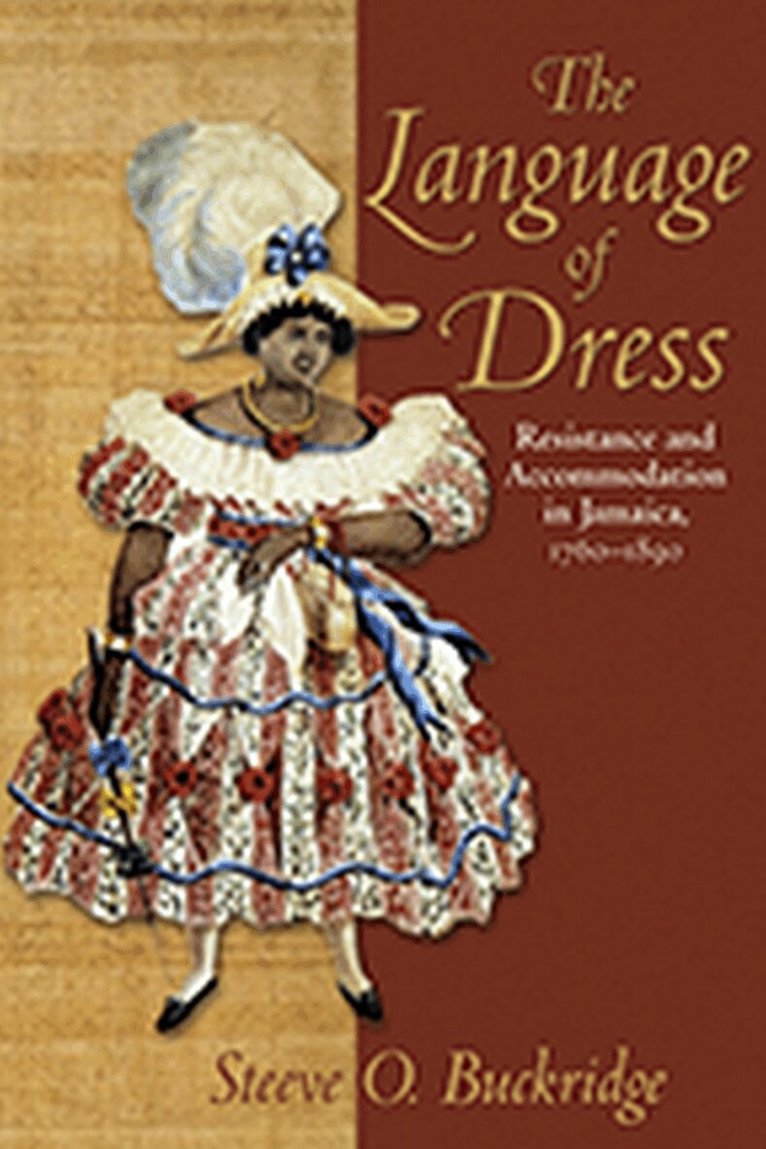
Häftad, Engelska, 2004
383 kr
Skickas inom 10-15 vardagar
This book is a study of how African slave and freed women used their fashion and style of dressing as a symbol of resistance to slavery and accommodation to white culture in pre and post-emancipation society. Africans brought aspects of their culture such as folklore, music, language, religion and dress with them to the Americas. The African cultural features were retained and nurtured in Jamaica because they guaranteed the survival of Africans and their descendants against European attempts at cultural annihilation. This book illuminates the complexities of accommodation and resistance, showing that these complex responses are not polar opposites, but melded into each other. In addition, the Language of Dress reveals the dynamics of race, class and gender in Jamaican society, the role of women in British West Indian history and contributes to ongoing interest in the history of women and in the history of resistance.