Stefan Al - Böcker
Visar alla böcker från författaren Stefan Al. Handla med fri frakt och snabb leverans.
11 produkter
11 produkter
356 kr
Skickas inom 11-20 vardagar
282 kr
Skickas inom 7-10 vardagar
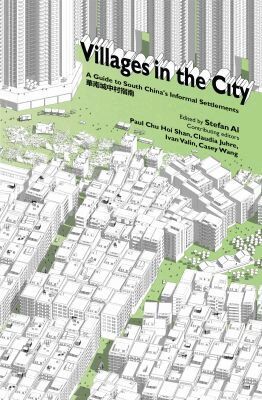
Countless Chinese villages have been engulfed by modern cities. They no longer consist of picturesque farms and feng shui groves, but of high-rise buildings so close to each other that they create dark claustrophobic alleys - jammed with dripping air-conditioners, hanging clothes, caged balconies and bundles of buzzing electric wires, and crowned with a small strip of daylight, known as “thin line sky.” At times, buildings stand so close to another they are dubbed “kissing buildings” or “handshake houses” - you can literally reach out from one building and shake hands with your neighbor.Although it is easy to see these villages as slums, a closer look reveals that they provide an important, affordable, and well-located entry point for migrants into the city. They also offer a vital mixed-use, spatially diverse and pedestrian alternative to the prevailing car-oriented modernist-planning paradigm in China. Yet, most of these villages are on the brink of destruction, affecting the homes of millions of people and threatening the eradication of a unique urban fabric.Villages in the City argues for the value of urban villages as places. To reveal their qualities, a series of drawings and photographs uncover the immense concentration of social life in their dense structures, and provide a peek into residents’ homes and daily lives. Essays by a number of experts give a deeper understanding on the topic, and help imagine how reinstating the focus on the village could lead to a richer, more variegated pathway of urbanization.
357 kr
Skickas inom 11-20 vardagar
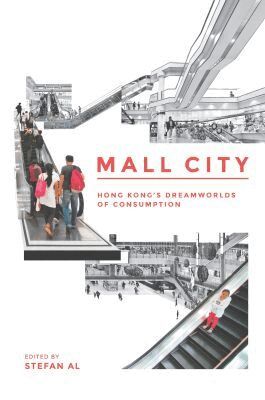
Hong Kong is the twenty-first-century century paradigmatic capital of consumerism. Of all cities, it has the densest and tallest concentration of malls, sandwiched between subways and skyscrapers. Its malls are also the most visited and have become cities in and of themselves. Mall City features Hong Kong as a unique rendering of an advanced consumer society. Retail space has come a long way since the covered passages of Paris, which once awed the bourgeoisie with glass roofs and gaslights. It has morphed from the arcade to the department store, and from the mall into the “mall city”—where “expresscalators” crisscross mesmerizing atriums. Highlighting the effects of this development in Hong Kong, this book raises questions about architecture, city planning, culture, and urban life.
Supertall
How the World's Tallest Buildings Are Reshaping Our Cities and Our Lives
Inbunden, Engelska, 2022
275 kr
Skickas inom 7-10 vardagar
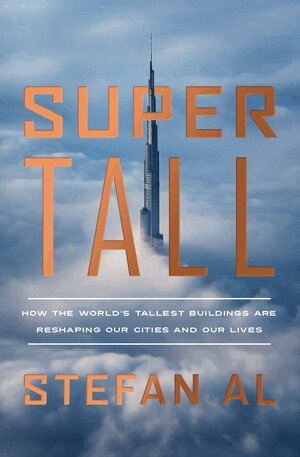
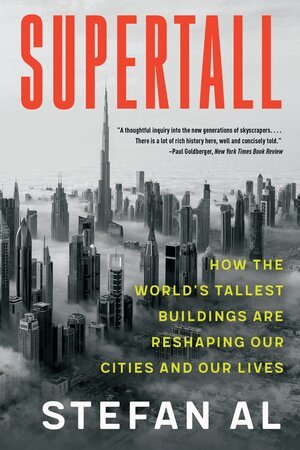
We are living in a new urban age and its most tangible expression is the “supertall”: megastructures that are dramatically bigger, higher, and more ambitious than any in history. In Supertall, TED Resident Stefan Al—himself an experienced architect who has worked on some of the largest buildings in the world—reveals the advancements in engineering, design, and data science that have led to this worldwide boom.Using examples from the past (the Empire State Building, St. Paul’s Cathedral, the Eiffel Tower) and present (Dubai’s Burj Khalifa, London’s Shard, Shanghai Tower), he describes how the most remarkable skyscrapers have been designed and built. He explores the ingenious technological innovations—in cement, wind resistance, elevator design, and air-conditioning—that make the latest megastructures a reality. And he examines the risks of wealth inequality, carbon emissions, and contagion they yield while arguing for a more sustainable, resilient, and equitable built environment for everyone.
Supertall
How the World's Tallest Buildings Are Reshaping Our Cities and Our Lives
Häftad, Engelska, 2023
168 kr
Skickas inom 7-10 vardagar
We are living in a new urban age, and its most tangible expression is the “supertall”: megastructures that are dramatically bigger, higher and more ambitious than any in history.Cities around the world are racing to build the first mile-high building, stretching the limits of engineering and design as never before.In this fascinating work of urban history and design, TED resident Stefan Al—himself an experienced architect—explores the factors that have led to this worldwide boom. He reveals the marvellous and under-appreciated feats of engineering that make today’s supertalls a reality, from double-decker elevators that silently move up to 50 miles per hour to the sophisticated blend of polymers and steel fibres that enables concrete to withstand 8,000 tons of pressure per square meter. Taking readers behind the scenes of the building and design of remarkable megastructures, both from the past (the Empire State Building, St. Paul’s Cathedral, the Eiffel Tower) and the present (Dubai’s Burj Khalifa, London’s Shard, Shanghai Tower), Al demonstrates the impact of these innovations.Yet while the supertall is undoubtedly a testament to great technological victories, it can come at an environmental and social cost. Focusing on four global cities—London, New York, Hong Kong and Singapore—Al examines the risks of wealth inequality, carbon emissions and contagion that stem from supertalls. And he uncovers the latest innovations in sustainable building, from skyscrapers made of wood to tree-covered buildings, that promise to yield a better urban future.Featuring more than thirty architectural drawings, Supertall is both a fascinating exploration of our greatest accomplishments and a powerful argument for a more equitable way forward.
297 kr
Skickas inom 7-10 vardagar
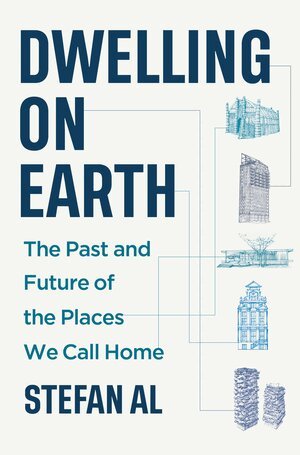
From tiny pit-houses in the Levant and Mesoamerica thousands of years ago to soaring skyscrapers in Dubai, New York and Shanghai today, Dwelling on Earth takes readers on an absorbing tour of the evolution of human habitation. Stefan Al weaves together archaeology, engineering, social history and environmental science to explain how our homes—the spaces in which we spend half our lives—developed through the ages and how they shaped civilisation. Whisking readers from ancient Pompeii to contemporary Hong Kong, industrial-age Liverpool to post-war Levittown, Al shows how our choices in housing have both reflected and affected ideas about gender roles, privacy and comfort. He explores architectural developments—like doorknockers, corridors and insulation—and details how the quest for housing has had severe consequences for the environment. Finally, he examines the myths and reality of future housing, including 3D-printed homes and space architecture built by robots.Stefan Al’s Supertall was praised as:“A thoughtful inquiry into the new generations of skyscrapers…There is a lot of rich history here, well and concisely told (and illustrated with superb line drawings, a refreshing change).” — Paul Goldberger, The New York Times Book Review“The sheer volume of calculation required to build and keep [supertalls] aloft and functioning is astounding. Al...explains these esoteric technical challenges in lucid fashion...[T]he story of what’s come about in the age of the supertall is gripping.” — Anthony Paletta, The Wall Street Journal
383 kr
Skickas
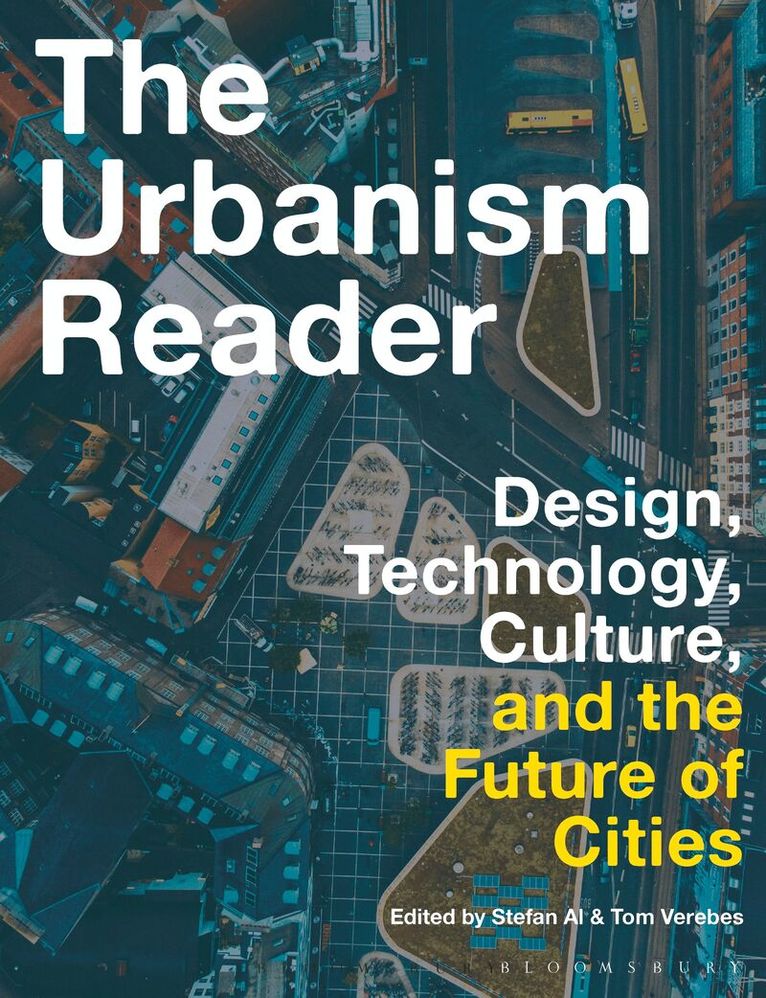
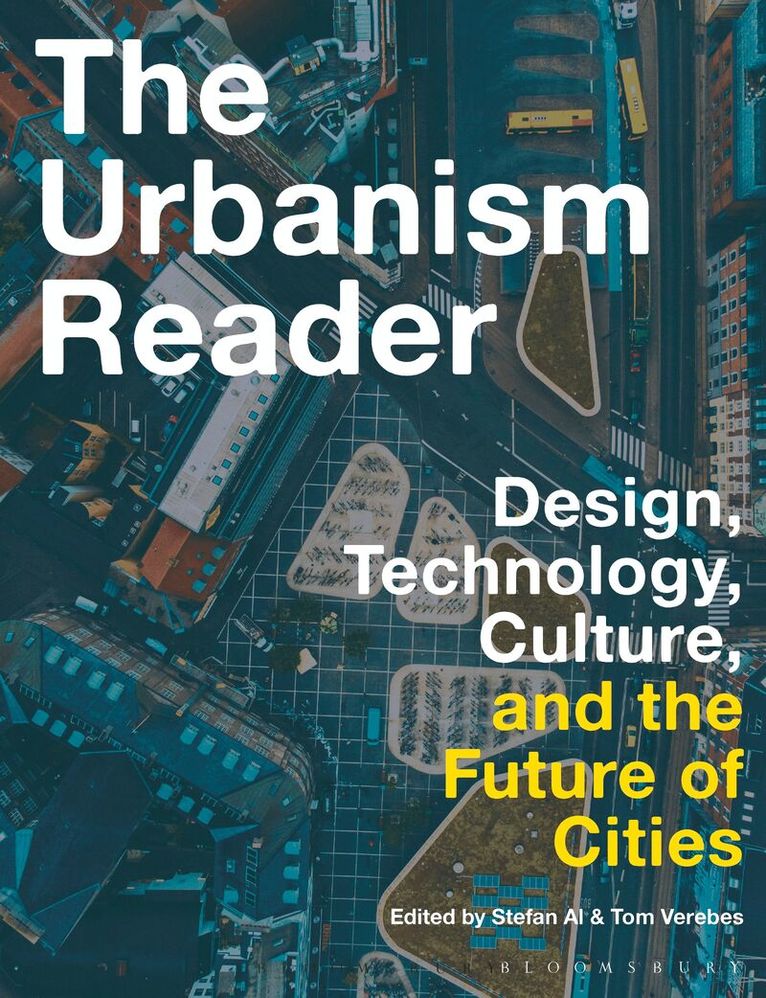
Positioning design at the center of the debate, The Urbanism Reader brings together classic and contemporary readings to help designers understand the complexities of cities and urban design in the 21st century. The selection of readings presented here is uniquely tailored to a design perspective for architects and urban designers – balancing social issues in urbanism with a clear focus on foregrounding design as an instrument for change in cities, and examining the outcomes and challenges of recent design theories, design methods, and technologies in the built urban environment. Covering today’s most urgent issues, 45 texts explore key topics in urbanism – from digital design technologies to smart cities, from the ongoing ecological crisis to public health and the impact of Covid-19, and from emergence and informality to economic inequity in global cities. Chapters cover cultural issues including diversity, indigenous knowledge, decolonization, social justice, and inclusion alongside technological developments, while a final chapter speculates on the future of urbanism through readings in AI, virtual reality, and the frontiers of current thinking in architecture and urban design. The extracts are grouped by theme, each with an introduction to the historical contexts and guiding paradigms – helping design students, researchers, and professionals to make sense of the diverse field of theory and practice in the past, present, and future of global urbanism.
1 223 kr
Skickas inom 7-10 vardagar
Positioning design at the center of the debate, The Urbanism Reader brings together classic and contemporary readings to help designers understand the complexities of cities and urban design in the 21st century. The selection of readings presented here is uniquely tailored to a design perspective for architects and urban designers – balancing social issues in urbanism with a clear focus on foregrounding design as an instrument for change in cities, and examining the outcomes and challenges of recent design theories, design methods, and technologies in the built urban environment. Covering today’s most urgent issues, 45 texts explore key topics in urbanism – from digital design technologies to smart cities, from the ongoing ecological crisis to public health and the impact of Covid-19, and from emergence and informality to economic inequity in global cities. Chapters cover cultural issues including diversity, indigenous knowledge, decolonization, social justice, and inclusion alongside technological developments, while a final chapter speculates on the future of urbanism through readings in AI, virtual reality, and the frontiers of current thinking in architecture and urban design. The extracts are grouped by theme, each with an introduction to the historical contexts and guiding paradigms – helping design students, researchers, and professionals to make sense of the diverse field of theory and practice in the past, present, and future of global urbanism.
347 kr
Skickas inom 11-20 vardagar
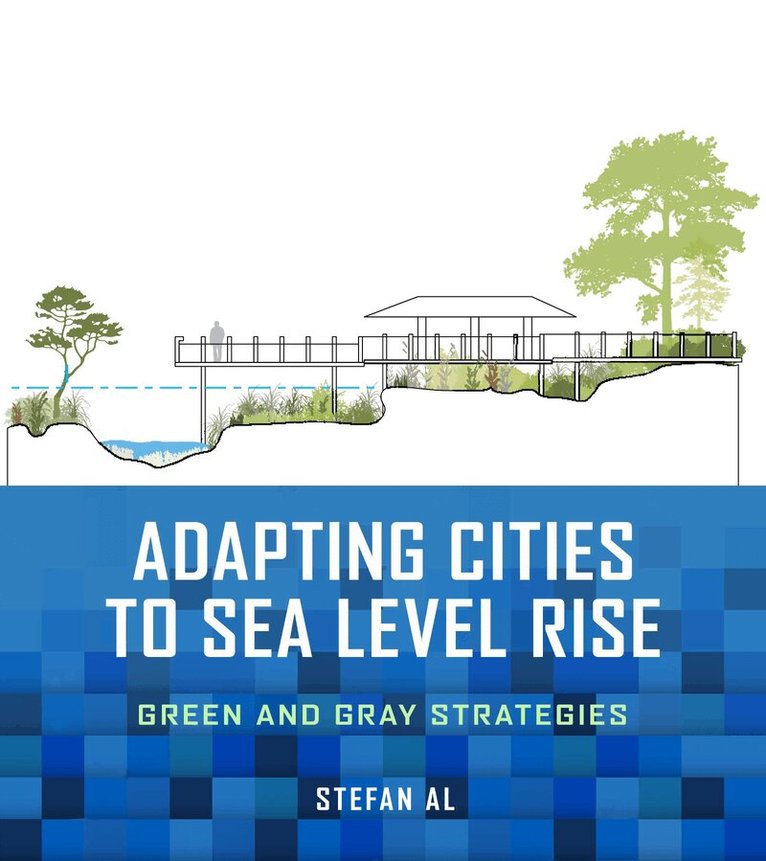
In 2012, Hurricane Sandy floods devastated coastal areas in New York and New Jersey. In 2017, Harvey flooded Houston. Today in Miami, even on sunny days, king tides bring fish swimming through the streets in low-lying areas. These types of events are typically called natural disasters. But overwhelming scientific consensus says they are actually the result of human-induced climate change and irresponsible construction inside floodplains.As cities build more flood-management infrastructure to adapt to the effects of a changing climate, they must go beyond short-term flood protection and consider the long-term effects on the community, its environment, economy, and relationship with the water. Adapting Cities to Sea Level Rise, by infrastructure expert Stefan Al, introduces design responses to sea-level rise, drawing from examples around the globe. Going against standard engineering solutions, Al argues for approaches that are integrated with the public realm, nature-based, and sensitive to local conditions and the community. He features design responses to building resilience that creates new civic assets for cities. For the first time, the possible infrastructure solutions are brought together in a clear and easy-to-read format.The first part of the book looks at the challenges for cities that have historically faced sea-level rise and flooding issues, and their response in resiliency through urban design. He presents diverse case studies from New Orleans to Ho Chi Minh to Rotterdam, and draws best practices and urban design typologies for the second part of the book. Part two is a graphic catalogue of best-practices or resilience strategies. These strategies are organized into four categories: hard protect, soft protect, store, and retreat. The benefits and challenges of each strategy are outlined and highlighted by a case study showing where that strategy has been applied.Any professional or policymaker in coastal areas seeking to protect their communities from the effects of climate change should start with this book. With the right solutions, Al shows, sea-level rise can become an opportunity to improve our urban areas and landscapes, rather than a threat to our communities.
264 kr
Skickas inom 7-10 vardagar
In only a decade, Macau has exploded from a sleepy backwater to the world’s casino capital. It was bound to happen. Macau, a former Portuguese colony that became a special administrative region within the People’s Republic of China in 1999, was the only place in China where gambling was legal. With a consumer base of 1.3 billion mainland Chinese deprived of casino gambling, and the world’s largest growing consumer class, international corporations rushed in to enter the games. As a result, the casino influx has permanently transformed the Macau peninsula: its ocean reclaimed, hillside excavated, roads congested, air polluted, and glimmering hotel towers tossed into the skyline, dwarfing the 19th century church towers. Essays by a number of experts give a deeper insight on topics ranging from the myth of the Chinese gambler, the role of feng shui in casino design, the city’s struggle with heritage conservation, the politics of land reclamation, and the effect of the casino industry on the public realm. Drawings and photographs in vivid color visualize Macau’s patchwork of distinct urban enclaves: from downtown casinos, their neon-blasting storefronts eclipsing adjacent homes and schools, to the palatial complexes along a new highway, a Las Vegas-style strip. They also reveal how developers go to great lengths to impress the gambler with gimmicks such as fluorescent lighting, botanic gardens, feng shui dragon statues, cast members’ costumes, Chinese art imitations, and crystal chandelier-decked elevators. It is a book that helps readers grasp the complex process of the development of the casino industry and its overall impact on the social and architectural fabric of the first and last colonial enclave in China.
294 kr
Skickas inom 5-8 vardagar
Most consumer products come primarily from the Pearl River Delta, the "factory of the world" with the largest industrial region on earth. The delta has attracted millions of poor rural residents to settle in factory towns in hopes for a better life. Factory Towns of South China opens a window on these walled compounds, exposing the gritty establishments, crowded dormitories and monotonous labor carried out by workers. Some function as self-contained cities, with their own fire brigade, hospital, bank, TV station and as many as half a million workers living within the compounds. Other factories are scattered in larger villages to mask their existence and evade governmental crackdowns on the production of fake consumer goods and illegal casino machines. Contributors include David Bray, Minnie Chan, Jia-Ching Chen, Paul Chu Hoi Shan, Eli Friedman, Claudia Juhre, Laurence Liauw, Paul Lin, Ting Shi, Casey Wang, Rex Wong, and Chun Yang.