Stefan Gänzle - Böcker
Visar alla böcker från författaren Stefan Gänzle. Handla med fri frakt och snabb leverans.
6 produkter
6 produkter
2 091 kr
Skickas inom 10-15 vardagar
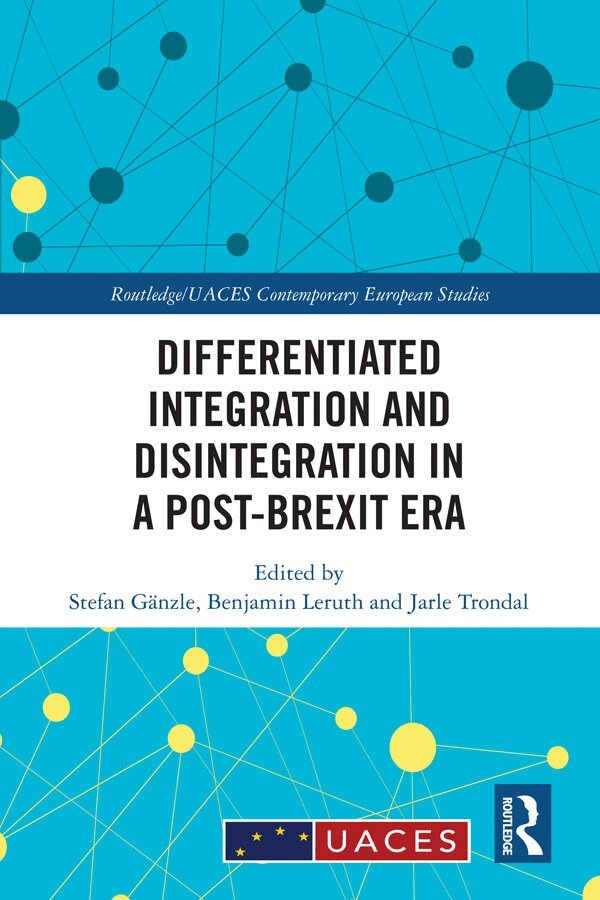
Assessing the consequences of Brexit on EU policies, institutions and members, this book discusses the significance of differentiation for the future of European integration. This book theoretically examines differentiated integration and disintegration, focuses on how this process affects key policy areas, norms and institutions of the EU, and analyses how the process of Brexit is perceived by and impacts on third countries as well as other organizations of regional integration in a comparative perspective. This edited book brings together both leading and emerging scholars to integrate the process of Brexit into a broader analysis of the evolution, establishment and impact of the EU as a system of differentiation. This book will be of key interest to scholar and students of European Union politics, European integration, Brexit, and more broadly to Public Administration, Law, Economics, Finance, Philosophy, History and International Relations.
3 099 kr
Skickas inom 10-15 vardagar
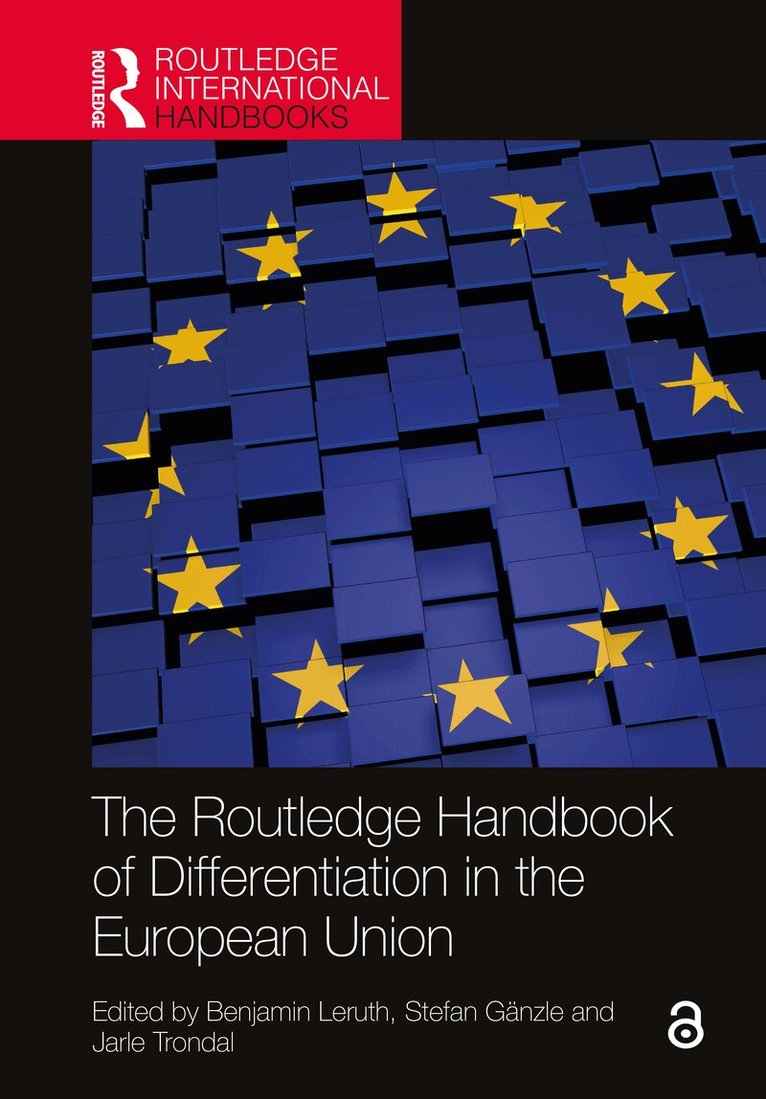
The Routledge Handbook of Differentiation in the European Union offers an essential collection of groundbreaking chapters reflecting on the causes and consequences of this complex phenomenon.With contributions from key experts in this subfield of European Studies, it will become a key volume used for those interested in learning the nuts and bolts of differentiation as a mechanism of (dis)integration in the European Union, especially in the light of Brexit. Organised around five key themes, it offers an authoritative "encyclopaedia" of differentiation and addresses questions such as: How can one define differentiation in the European Union in the light of the most recent events? Does differentiation create more challenges or opportunities for the European Union? Is Europe moving away from an "ever closer Union" and heading towards an "ever more differentiated Union", especially as leading political figures across Europe favour the use of differentiation to reconcile divergences between member states? This handbook is essential reading and an authoritative reference for scholars, students, researchers and practitioners involved in, and actively concerned about, research in the study of European integration. As European differentiation is multifaceted and involves a wide range of actors and policies, it will be of further interest to those working on countries and/or in policy areas where differentiation is an increasingly relevant feature.The Introduction and chapters 13, 21, 30, and 35 of this book is available for free in PDF format as Open Access from the individual product page at www.routledge.com. It has been made available under a Creative Commons Attribution-Non Commercial-No Derivatives 4.0 license.
618 kr
Skickas inom 10-15 vardagar
Assessing the consequences of Brexit on EU policies, institutions and members, this book discusses the significance of differentiation for the future of European integration. This book theoretically examines differentiated integration and disintegration, focuses on how this process affects key policy areas, norms and institutions of the EU, and analyses how the process of Brexit is perceived by and impacts on third countries as well as other organizations of regional integration in a comparative perspective. This edited book brings together both leading and emerging scholars to integrate the process of Brexit into a broader analysis of the evolution, establishment and impact of the EU as a system of differentiation. This book will be of key interest to scholar and students of European Union politics, European integration, Brexit, and more broadly to Public Administration, Law, Economics, Finance, Philosophy, History and International Relations.
593 kr
Skickas inom 10-15 vardagar
The Routledge Handbook of Differentiation in the European Union offers an essential collection of groundbreaking chapters reflecting on the causes and consequences of this complex phenomenon.With contributions from key experts in this subfield of European Studies, it will become a key volume used for those interested in learning the nuts and bolts of differentiation as a mechanism of (dis)integration in the European Union, especially in the light of Brexit. Organised around five key themes, it offers an authoritative "encyclopaedia" of differentiation and addresses questions such as: How can one define differentiation in the European Union in the light of the most recent events? Does differentiation create more challenges or opportunities for the European Union? Is Europe moving away from an "ever closer Union" and heading towards an "ever more differentiated Union", especially as leading political figures across Europe favour the use of differentiation to reconcile divergences between member states? This handbook is essential reading and an authoritative reference for scholars, students, researchers and practitioners involved in, and actively concerned about, research in the study of European integration. As European differentiation is multifaceted and involves a wide range of actors and policies, it will be of further interest to those working on countries and/or in policy areas where differentiation is an increasingly relevant feature.The Introduction and chapters 13, 21, 30, and 35 of this book is available for free in PDF format as Open Access from the individual product page at www.routledge.com. It has been made available under a Creative Commons Attribution-Non Commercial-No Derivatives 4.0 license.
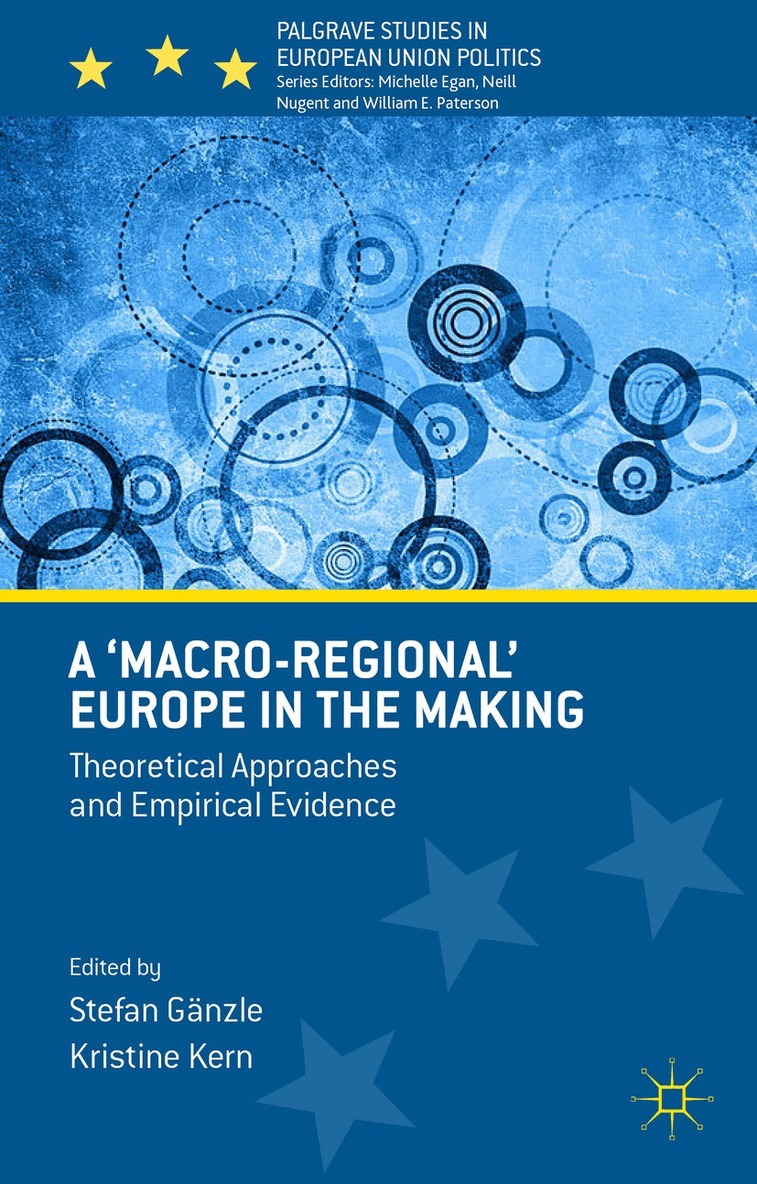
'Macro-regional' Europe in the Making
Theoretical Approaches and Empirical Evidence
Inbunden, Engelska, 2015
537 kr
Skickas inom 10-15 vardagar
Macro-regional strategies seek to improve the interplay of the EU with existing regimes and institutions, and foster coherence of transnational policies. Drawing on macro-regional governance and Europeanization, this edited volume provides an overview of processes of macro-regionalization in Europe displaying evidence of their significant impact.
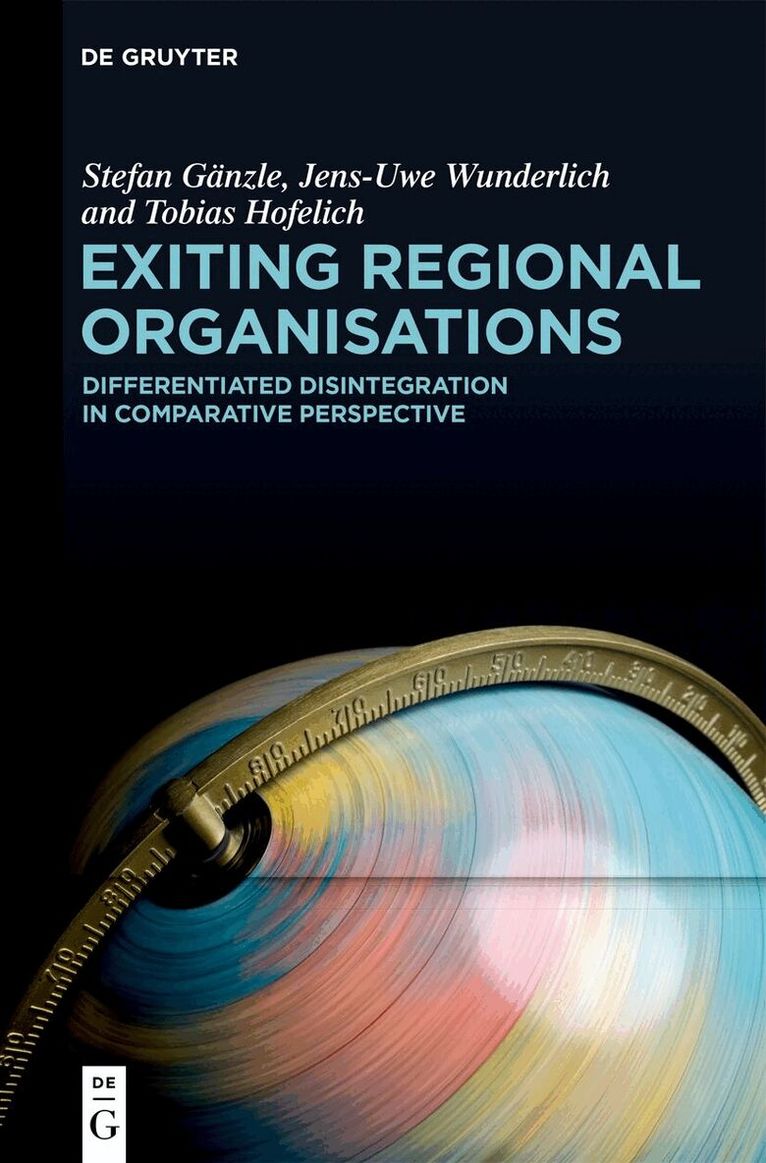
Exiting Regional Organisations
Differentiated Disintegration in Comparative Perspective
Inbunden, Engelska, 2026
1 478 kr
Kommande
Why do states leave regional organisations – and what happens next? This book explores these timely questions through the analytical lens of comparative regionalism. While Brexit may be the most high-profile example of a state departure, this book shows that state withdrawals from regional organisations are neither unique nor isolated. From West Africa to the Andes, from the Pacific Islands to Eurasia, state exits have become a recurring albeit limited feature of the regional landscape challenging the future contours of the international order.This book offers a comparative analysis of voluntary withdrawals from regional organisations. Anchored in the conceptual framework of differentiated disintegration, the authors examine such exits not as abrupt ends, but as forms of institutional change within the broader tapestry of regionalism. The result is a multidimensional portrait of how regional cooperation evolves – and occasionally unravels.The volume begins with a robust conceptual and methodological foundation, situating withdrawals within broader debates on regionalism, integration, and institutional development. It draws on diverse integration theories and bridges the divide between European and Global South experiences. The authors take the reader across five continents with seven richly documented case studies – including the UK’s departure from the EU, Morocco’s exit from the Organisation of African Unity (OAU), Chile and the Andean Community, and Kiribati leaving the Pacific Islands Forum. Each chapter follows a common analytical structure, enabling comparative insight into drivers, consequences, and post-withdrawal re-engagements, that is differentiated disintegration.