Stefan Halikowski Smith – författare
Visar alla böcker från författaren Stefan Halikowski Smith. Handla med fri frakt och snabb leverans.
2 produkter
2 produkter
2 204 kr
Skickas inom 5-8 vardagar
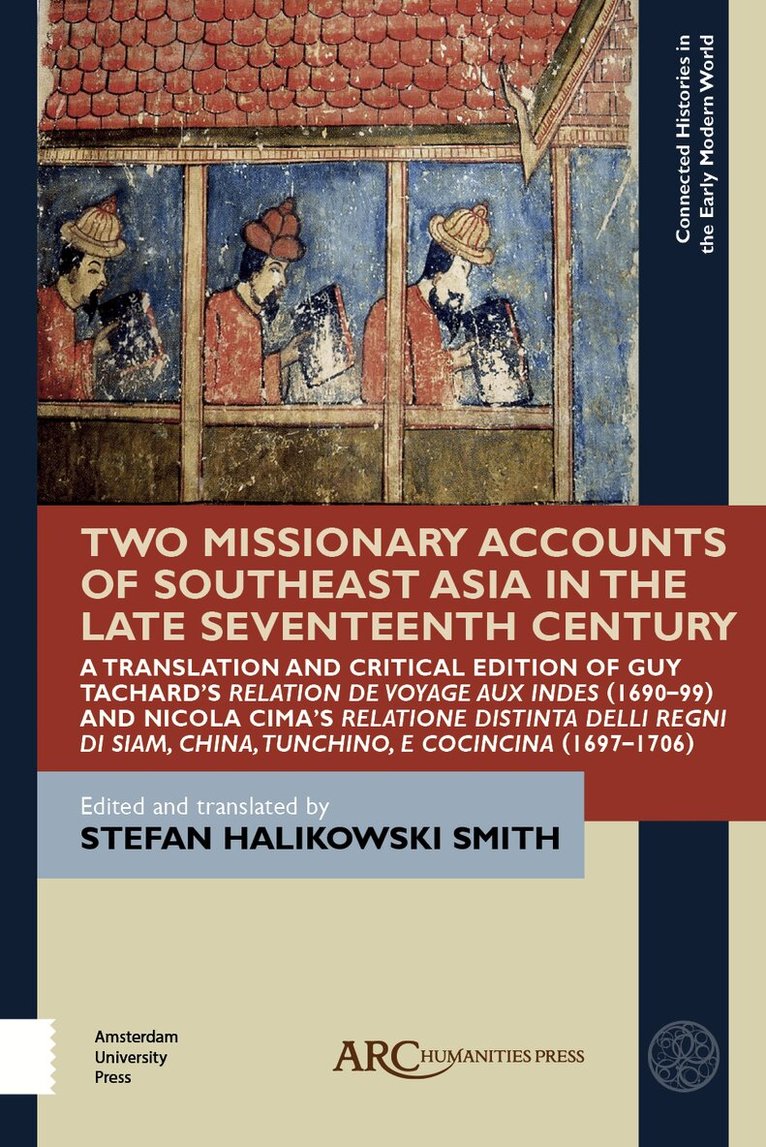
This volume presents critical editions of two previously unpublished missionary accounts of Ayutthaya and the East Indies scene after the "National" Revolution of 1688 in Thailand. The texts presented are Relation de Voyage aux Indes, 1690-99, by Guy Tachard, a French Jesuit; and Relatione Distinta delli Regni di Siam, China, Tunchino, e Cocincina (ca. 1707), by Nicola Cima, an Italian Augustinian. These interesting, substantial texts tell us a lot both about the Europeans who were writing them, and about Southeast Asia in a period when information was in much shorter supply than prior to 1688, and when kingdoms across Southeast Asia tended to retract from outward engagement and to become what historians have christened "hermit kingdoms." They are coloured by delusional thinking: in Tachard’s case of an active French colonial presence in that part of the world irrespective of the lessons of 1688-89, or in Cima’s case, of a revived Venetian maritime trade to the East Indies in an unlikely partnership with the Danish East Indies Company. Including a substantial introduction to contextualize the accounts, this book makes available in English some primary source material addressing important and overlooked aspects of the European missionary mentality.
Del 8 - European Expansion and Indigenous Response
Creolization and Diaspora in the Portuguese Indies
The Social World of Ayutthaya, 1640-1720
Inbunden, Engelska, 2011
2 606 kr
Skickas inom 3-6 vardagar
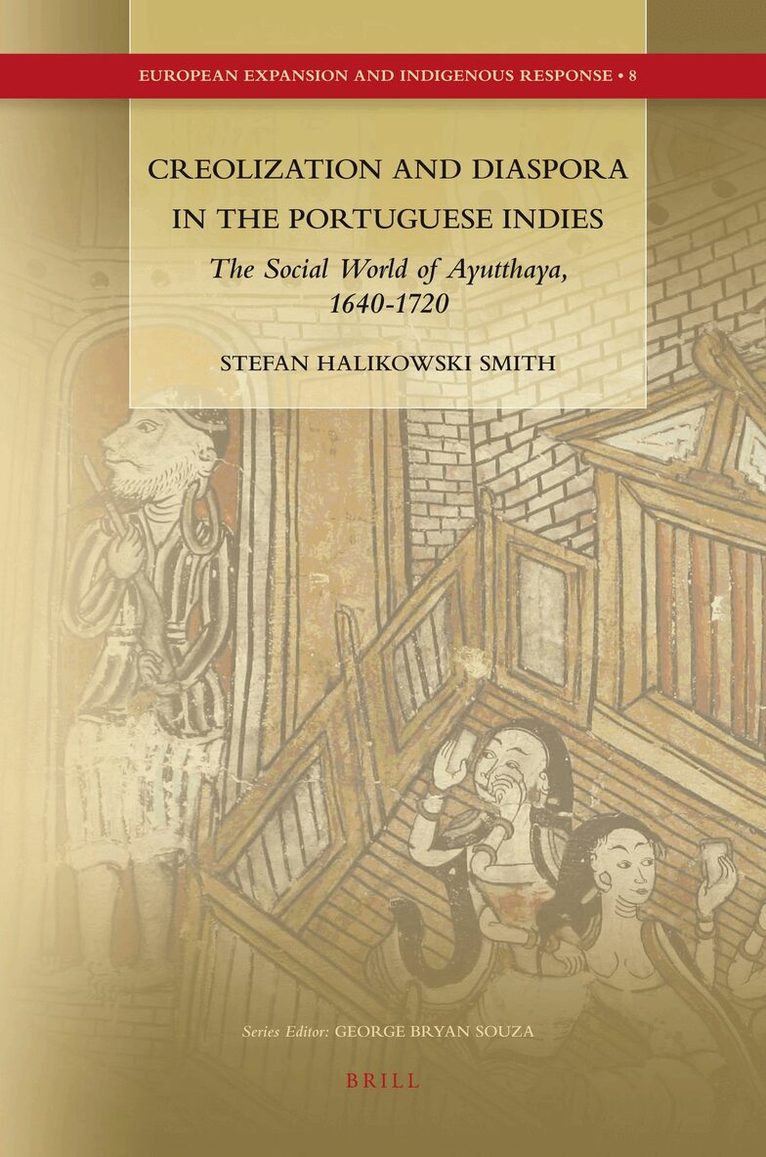
This book provides an original study of the sizeable Portuguese community in Ayutthaya, the chief river-state in Siam, during a period of apparent decline (1640-1720). Portuguese populations were displaced from their chief settlements like Melaka and Makassar, and attracted to the river-states of mainland South-East Asia by a protective model of kingship, hopes of international trade and the opportunity to harvest souls. A variety of sources will be used to shed light on the fortunes and make-up of this displaced, mixed-race 'tribe', which was largely independent of the matrices of Portuguese colonial power, and fared poorly alongside other foreign communities in this remarkably open, dynamic environment. Circumstances changed for the better after the National Revolution of 1688, when Portuguese started to fill many of the jobs at court and in commerce previously occupied by Frenchmen and northern Europeans.