
Stefanie Burkle – författare
Visar alla böcker från författaren Stefanie Burkle. Handla med fri frakt och snabb leverans.
2 produkter
2 produkter
363 kr
Skickas inom 7-10 vardagar
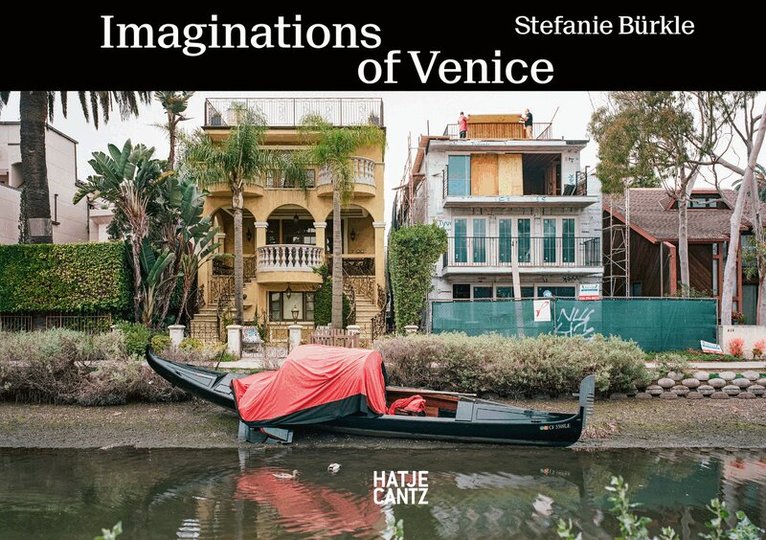
Venice exists not only as a place but as a circulating image—reproduced endlessly, mirrored across the globe, and embedded in cultural memory. For over 25 years, Stefanie Bürkle has photographed both the city and its replicas, exploring how Venice becomes a projection for spatial desire. Venice exists not only as a place but as a circulating image—reproduced endlessly, mirrored across the globe, and embedded in cultural memory. For over 25 years, Stefanie Bürkle has photographed both the city and its replicas, exploring how Venice becomes a projection for spatial desire. Venice unfolds not as a single city but as a network of imaginations—reflected in fragments, fictions, and facades. This volume brings together analog and digital photographs from her long-term archive, accompanied by texts by Kristina Lovaas. Additionally, there is a fold-out map of Bürkle's Imagination of Venice atlas. The publication is part of the artistic research project Imaginations of Venice, within CRC 1265 Re-Figuration of Spaces, Technische Universität Berlin.
469 kr
Skickas inom 5-8 vardagar
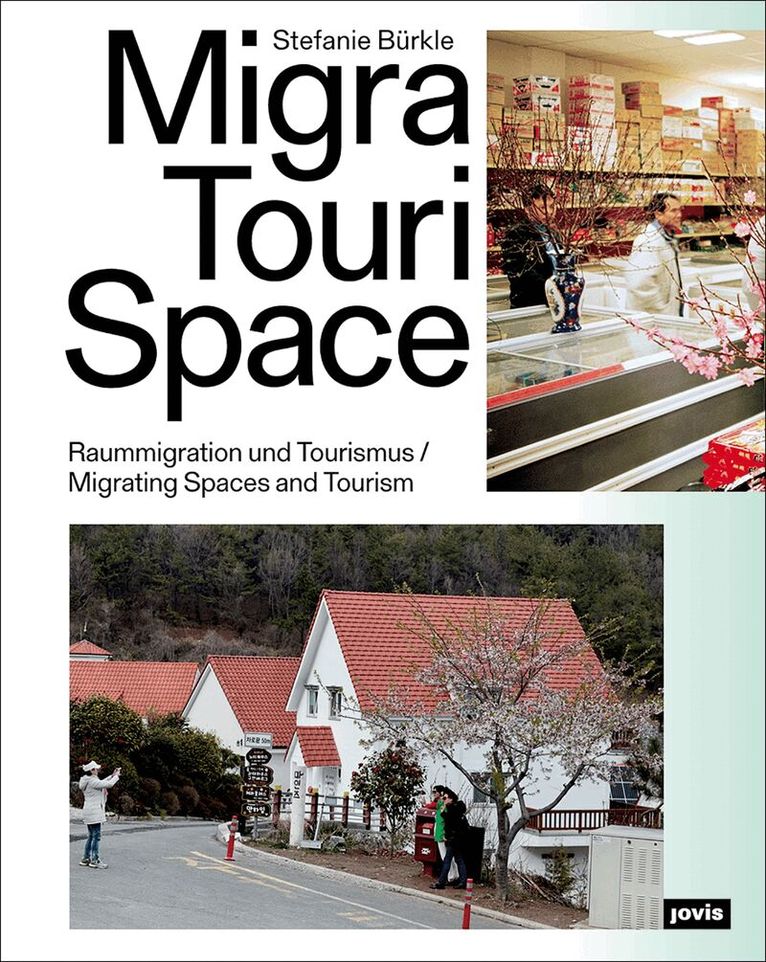
Bilingual edition (English/German) / Zweisprachige Ausgabe (deutsch/englisch) MigraTouriSpace is an artistic examination of travelling as an approach to the phenomena of migration and tourism, and of the many ways in which they overlap. Understanding that when people travel they also take with them spaces and images means that tourism no longer inevitably refers to the vacation as an exceptional state. Brought back home, the tourist’s gaze has long operated to shape everyday life.For three years, artist Stefanie Bürkle and her interdisciplinary team travelled between Berlin and South Korea, photographing and filming. The result of this research is an atlas of images, with places such as the Vietnamese wholesale market Dong Xuan Center in Berlin Lichtenberg and the German Village, Dogil Maeul, in South Korea, that demonstrates the tension between a migration of culturally coded spatial contexts and post-touristic practices. With a preface by Martina Löw