Stephanie J. Brown - Böcker
Visar alla böcker från författaren Stephanie J. Brown. Handla med fri frakt och snabb leverans.
2 produkter
2 produkter
2 708 kr
Skickas inom 10-15 vardagar
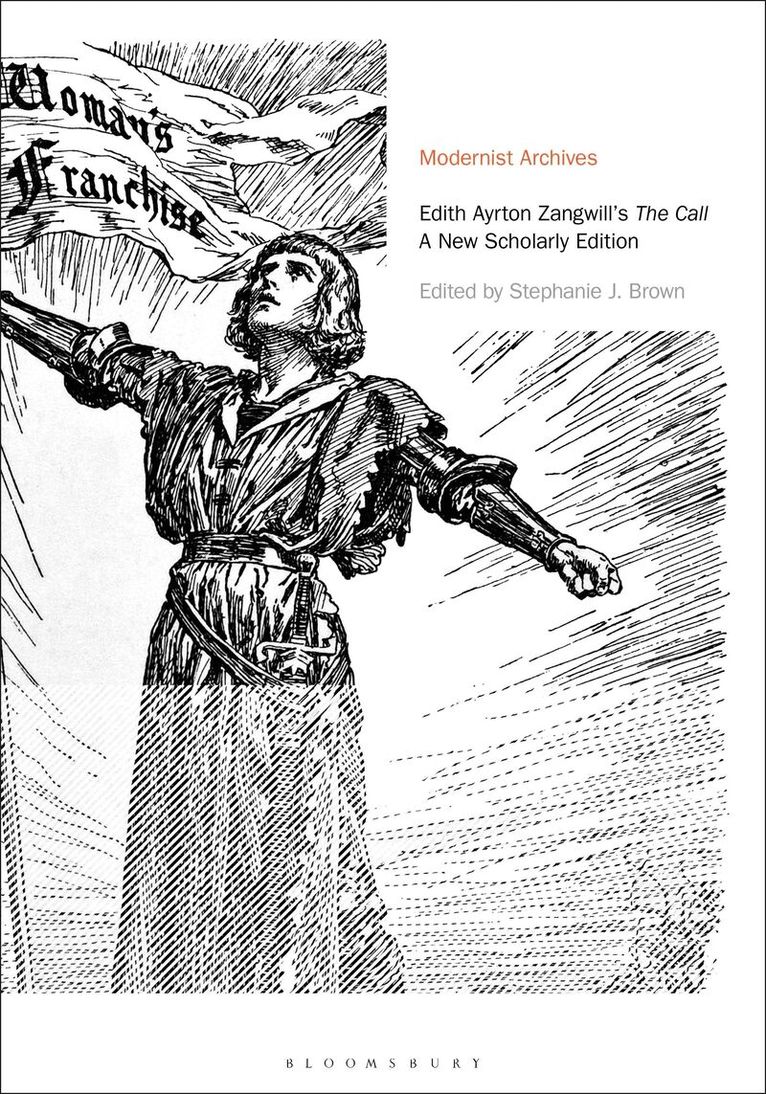
Edith Ayrton Zangwill’s 1924 novel The Call is widely regarded as one of the most important suffrage novels of the early 20th century. Including authoritative notes and commentary throughout, this is the first comprehensive scholarly edition of the novel.The Call tells the story of a young chemist, Ursula Winfield, who comes of age in the years before the start of the First World War. Confronted by the gross injustices faced by women and the working class in early 20th-century Britain, she is drawn inexorably and with increasing militancy into the suffragette movement. The story charts the conflict between her political commitments and her personal life as the Great War approaches.Alongside the definitive text of the novel, this edition also includes contextual historical documents – from contemporary reviews of the novel to newspaper coverage of the suffragette movement – and critical chapters by leading scholars exploring the world of the novel.
Watching Women
Militant Suffragists Write the British Surveillance State, 1905-1924
Inbunden, Engelska, 2024
959 kr
Skickas inom 7-10 vardagar
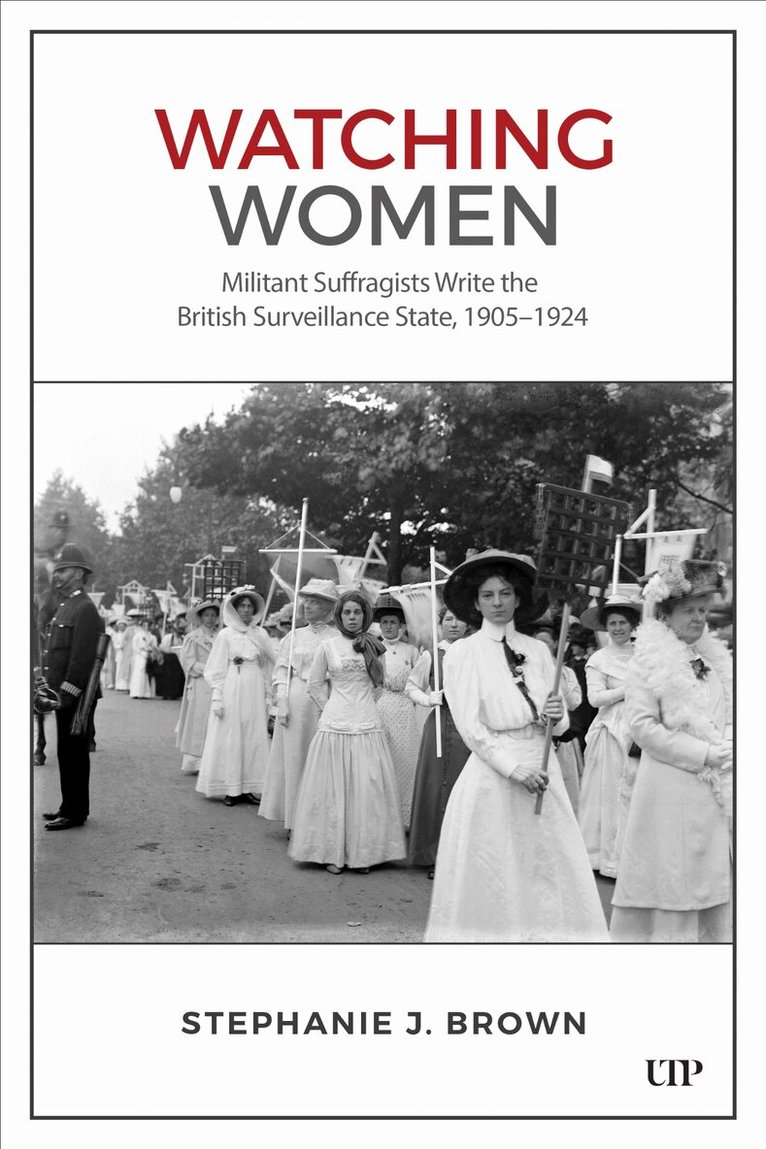
Historians of the early twentieth century often focus on the surveillance of anarchist, communist, and anti-colonial movements, overlooking the resource-intensive policing of the women’s suffrage movement as a significant expansion of the state’s surveillance activities. Bridging that gap in the historical record, Watching Women draws on recently declassified Home Office documents to present a fuller picture of the British domestic surveillance practices.The book maps the history of state surveillance of the British women’s suffrage movement and its leaders, explaining how militant activists used various forms of writing – novels, short stories, journalism, and memoirs – to represent and resist state surveillance. These genres in the book enable specific, strategic responses to the state’s repression of suffrage militancy. The book explores the aftermath of suffrage surveillance by tracing the diverging activist careers of two prominent suffragettes, Sylvia Pankhurst and Mary Allen, during and after World War I, as they continued their engagement with the state’s surveillance apparatuses. In doing so, Watching Women illuminates histories of the suffrage campaign through women’s experiences of navigating surveillance.