Stephanie Muravchik - Böcker
Visar alla böcker från författaren Stephanie Muravchik. Handla med fri frakt och snabb leverans.
3 produkter
3 produkter
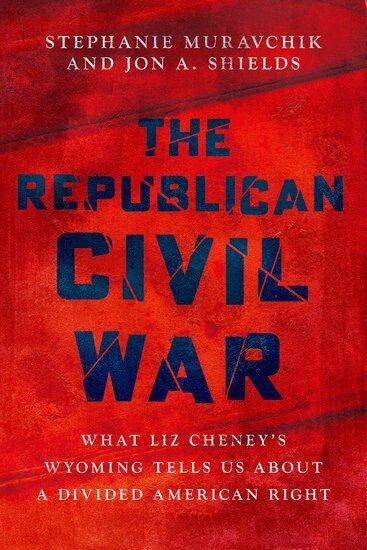
The Republican Civil War
What Liz Cheney’s Wyoming Tells Us About a Divided American Right
Inbunden, Engelska, 2026
1 456 kr
Skickas inom 3-6 vardagar
An insightful examination of intra-party conflict in Wyoming, revealing a fundamental disagreement between Republicans that will determine the future of the American right.No state has been more Republican and loyal to Donald Trump than Wyoming. The appearance of homogeneity, though, masks a fierce battle for the future of the party. In The Republican Civil War, Stephanie Muravchik and Jon A. Shields draw on years of on-the-ground research and dozens of interviews with elected officials and activists, finding a party divided over whether it should abandon its traditional focus on governance for a new nationalized form of identity politics. While old guard Republicans aim to solve local problems within an ethos of noblesse oblige, MAGA insurgents position themselves as "true conservatives" leading a censorious crusade against the establishment. More surprisingly, the same social cleavages that divide red and blue American--class and ruralness--shape this civil war. Most of the new insurgents in the legislature don't have college degrees and see themselves as part of a rural uprising. By shedding light on a civil war in the deepest of red states, this book not only advances our understanding of the new conservative politics of identity, it also offers a clear portrait of a GOP establishment resisting--not just capitulating--to Trumpism.
The Republican Civil War
What Liz Cheney’s Wyoming Tells Us About a Divided American Right
Häftad, Engelska, 2026
278 kr
Kommande
An insightful examination of intra-party conflict in Wyoming, revealing a fundamental disagreement between Republicans that will determine the future of the American right.No state has been more Republican and loyal to Donald Trump than Wyoming. The appearance of homogeneity, though, masks a fierce battle for the future of the party. In The Republican Civil War, Stephanie Muravchik and Jon A. Shields draw on years of on-the-ground research and dozens of interviews with elected officials and activists, finding a party divided over whether it should abandon its traditional focus on governance for a new nationalized form of identity politics. While old guard Republicans aim to solve local problems within an ethos of noblesse oblige, MAGA insurgents position themselves as "true conservatives" leading a censorious crusade against the establishment. More surprisingly, the same social cleavages that divide red and blue American--class and ruralness--shape this civil war. Most of the new insurgents in the legislature don't have college degrees and see themselves as part of a rural uprising. By shedding light on a civil war in the deepest of red states, this book not only advances our understanding of the new conservative politics of identity, it also offers a clear portrait of a GOP establishment resisting--not just capitulating--to Trumpism.
850 kr
Tillfälligt slut
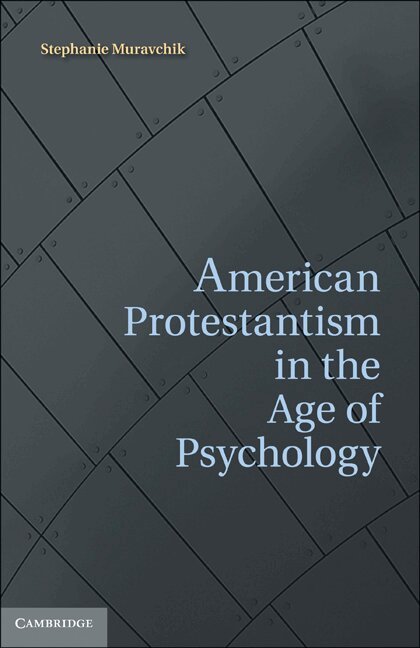
Many have worried that the ubiquitous practice of psychology and psychotherapy in America has corrupted religious faith, eroded civic virtue and weakened community life. But an examination of the history of three major psycho-spiritual movements since World War II - Alcoholics Anonymous, The Salvation Army's outreach to homeless men, and the 'clinical pastoral education' movement - reveals the opposite. These groups developed a practical religious psychology that nurtured faith, fellowship and personal responsibility. They achieved this by including religious traditions and spiritual activities in their definition of therapy and by putting clergy and lay believers to work as therapists. Under such care, spiritual and emotional growth reinforced each other. Thanks to these innovations, the three movements succeeded in reaching millions of socially alienated and religiously disenchanted Americans. They demonstrated that religion and psychology, although antithetical in some eyes, could be blended effectively to foster community, individual responsibility and happier lives.