Stephen A. Bourque – författare
Visar alla böcker från författaren Stephen A. Bourque. Handla med fri frakt och snabb leverans.
3 produkter
3 produkter
868 kr
Skickas inom 10-15 vardagar
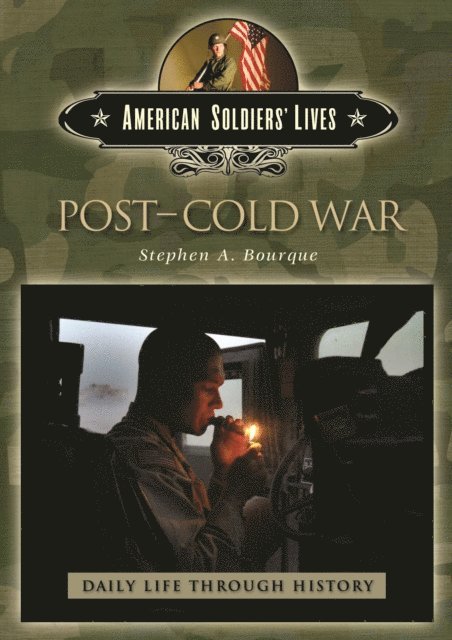
From the fall of the Berlin Wall in 1989 through the years immediately after the collapse of the World Trade Center and Pentagon in 2001, and within the administrations of George H. W. Bush, William J. Clinton, and George W. Bush, soldiers' lives underwent enormous changes. Without the benefit of national conscription, these professionals, nurtured on stories of World War II, Korea, and Vietnam, experienced repetitive tours of duty in one combat zone after another to an extent the warriors of earlier eras could never have imagined. They fought every kind of war during this period; high-intensity mechanized war, air and heliborne raids, peace-keeping activities, urban combat, counter-insurgency operations, refugee support, and counter-narcotics operations.What makes the story of this era's soldiers all the more compelling is that these activities took place as the American military actually decreased its military strength during the period, leading to more and longer tours of duty. The book also includes a timeline to put dates and events in better perspective, a comprehensive, topically arranged bibliography, and a thorough index.
404 kr
Skickas inom 5-8 vardagar
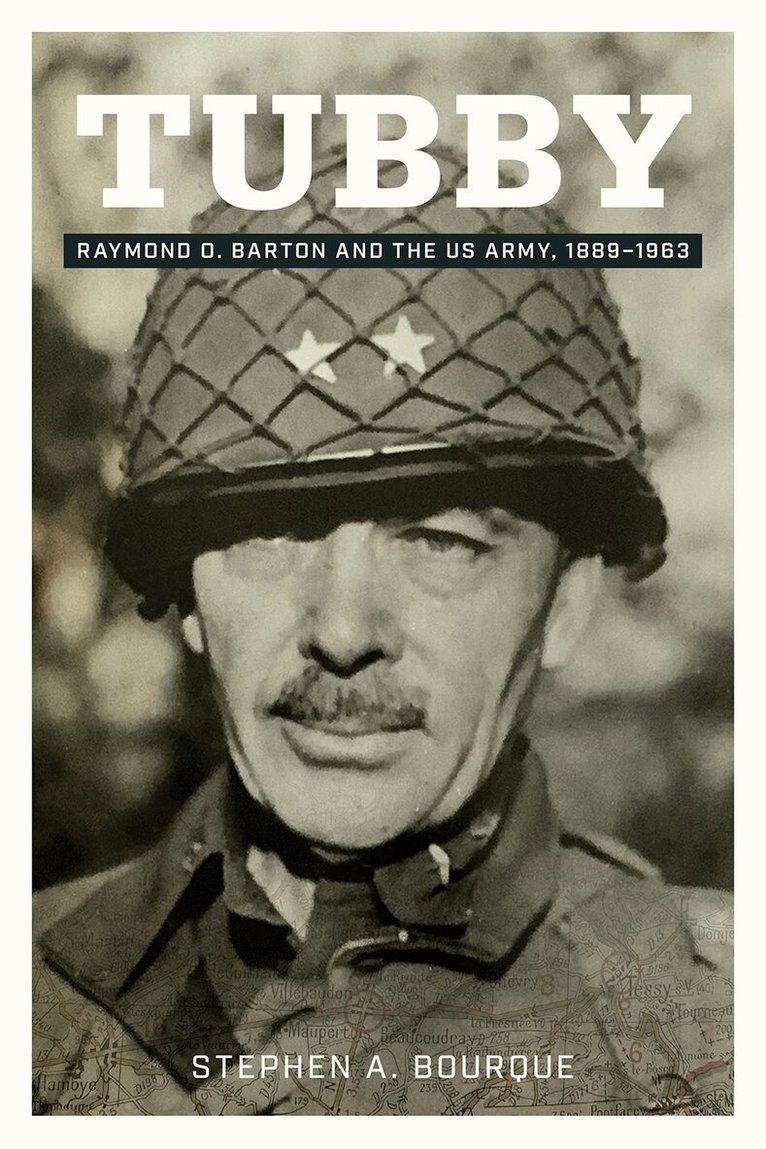
Entering West Point from central Oklahoma, Raymond O. Barton’s prowess on the football field and wrestling team earned him the nickname “Tubby,” an appellation used by his friends and fellow officers for the rest of his life. Based on personal letters and documents, this biography explores Barton’s military career from his days as a cadet through thirty-seven years of military service, culminating with his command in World War II of the 4th Infantry Division during the US Army’s campaign in France. From the inside readers have a picture of officership during the intense days of training and expansion on the eve of World War II. Finally, thanks to the discovery of his war diary, we have a close-up view of his senior leadership as he trained in England for the landing on Utah Beach on June 6, 1944. Through 204 days of continuous combat, Barton led the 4th Infantry Division as it fought through German defenses on its way into Cherbourg. His division led the VII Corps’ breakthrough on Operation COBRA and then held the north shoulder during the German counterattack at Mortain. Now assigned to the V Corps, the 4th Infantry Division liberated Paris alongside the French 2nd Armored Division. On September 12 he became the first American general to cross the border into Nazi Germany. In November he moved his command to the Hürtgen Forest and for two weeks fought through some of the most inhospitable terrain in Europe. In December Barton's exhausted soldiers moved to Luxembourg to a more restful portion of the front lines, only to face the southern flank of the German Ardennes Offensive. By the time the Ivy Division stopped the enemy outside of Luxembourg, Barton was exhausted and physically unable to continue in command. He returned home to live the rest of his life as a distinguished citizen of Augusta, Georgia.
Barton's War
The War Diary of Major General Raymond O. Barton, 4th Infantry Division, March 1944-January 1945
Inbunden, Engelska, 2026
691 kr
Kommande
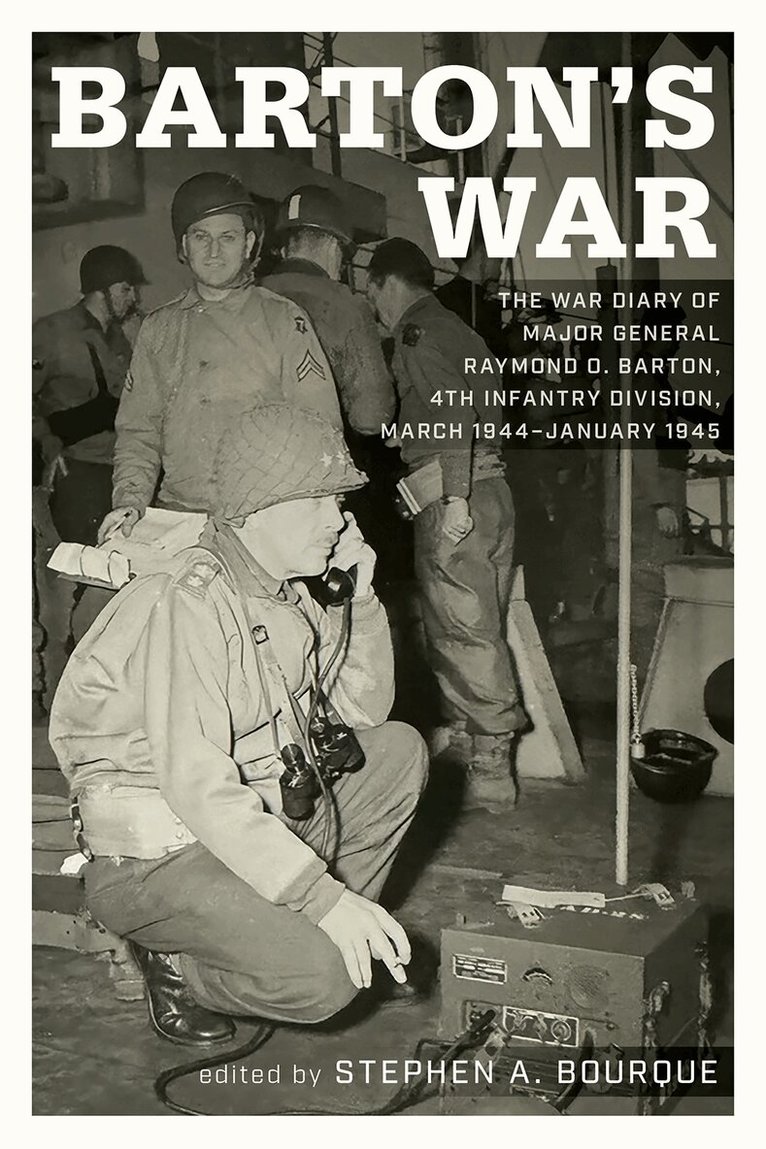
Major General Raymond O. Barton commanded the US 4th Infantry Division from July 1942 until December 1944 in the European Theater of World War II. Suffering from a severe ulcer, he relinquished command, returned to the United States in early 1945, and died in 1963.Stephen A. Bourque first mined Barton's papers for his biography, Tubby: Raymond O. Barton and the US Army, 1889–1963 (UNT Press, 2024). Among these many hundreds of letters and documents was a sixty-six-page typed manuscript of events between March 1944 and April 1945. Compiled by his aides-de-camp and military assistants, the daily entries identify General Barton's activities while training in England and commanding his division during the landing on Utah Beach; during the capture of Cherbourg and the liberation of Paris; and during the bloody fighting along the German border in the Schnee Eifel, the Hürtgen Forest, and Luxembourg. This diary, edited by Bourque with commentaries and explanatory footnotes, describes Barton's daily travels and exposes his intensive interaction with superiors, subordinates, and other American leaders. Few World War II division commanders left such a historical record of their command tenure.Augmenting the edited diary are other documents that provide context and explanation, including the 4th Infantry Division's "Narrative History." Written primarily by the 4th Division historian, it has not previously appeared in print. In addition, other documents—such as the 4th Division's daily and monthly after-action reports, unit orders, and unit journals—provide evidence that the commander was engaged in the day's action. In addition, Barton's extensive letters and military documents offer insight into his role as a commander. Where the narrative history lacks sufficient detail, Bourque has added his own comments.Barton's War is an unprecedented window into the daily activities of an American combat division commander, providing historians, military officers, and historic travelers a detailed accounting of this prominent commander.