Stephen C. Thaman - Böcker
Visar alla böcker från författaren Stephen C. Thaman. Handla med fri frakt och snabb leverans.
6 produkter
6 produkter
3 230 kr
Skickas inom 7-10 vardagar
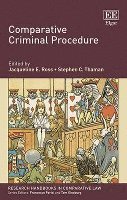
This handbook presents cutting-edge research that compares different criminal procedure systems by focusing on the mechanisms by which legal systems seek to avoid error, protect rights, ground their legitimacy, expand lay participation in the criminal process, and develop alternatives to criminal trials, such as plea bargaining, as well as alternatives to the criminal process as a whole, such as intelligence operations. The criminal procedures examined in this book include those of the United States, Germany, France, Spain, Russia, India, Latin America, Taiwan, and Japan, among others.This book explores a number of key topics in the field of criminal procedure: the role of screening mechanisms in weeding out weak cases before trial; the willingness of different legal systems to suppress illegally obtained evidence; the ways legal systems set meaningful evidentiary thresholds for arrest and pretrial detention; the problem of wrongful convictions; the way legal systems balance the search for truth against other values, such as protections for fundamental rights; emerging legal protections for criminal defendants, including new safeguards against custodial questioning in the European Union, limitations on covert operations in post-Soviet states, and the Indian system of anticipatory bail; as well as the mechanisms by which legal systems avoid trials altogether. A number of contributors also examine the impact of legal reforms that have newly introduced lay jurors into the fact-finding process or that now require juries to give reasons for verdicts.The ideal readership for this handbook includes law students, scholars of criminal procedure and comparative law, as well as civil liberties lawyers. Scholars of national security, the European Union, transitional justice, and privacy will also be interested in the volume's contributions to their fields.Contributors include: S.M. Boyne, M. Cohen, S. Fouladvand, E. Grande, J.S. Hodgson, D.T. Johnson, V. Khanna, N. Kovalev, M. Langer, A.D. Leipold, K. Mahajan, J. Mazzone, J.E. Ross, C. Slobogin, S.C. Thaman, J.I. Turner, R. Vogler, T. Wen
773 kr
Skickas inom 7-10 vardagar
This handbook presents cutting-edge research that compares different criminal procedure systems by focusing on the mechanisms by which legal systems seek to avoid error, protect rights, ground their legitimacy, expand lay participation in the criminal process, and develop alternatives to criminal trials, such as plea bargaining, as well as alternatives to the criminal process as a whole, such as intelligence operations. The criminal procedures examined in this book include those of the United States, Germany, France, Spain, Russia, India, Latin America, Taiwan, and Japan, among others.This book explores a number of key topics in the field of criminal procedure: the role of screening mechanisms in weeding out weak cases before trial; the willingness of different legal systems to suppress illegally obtained evidence; the ways legal systems set meaningful evidentiary thresholds for arrest and pretrial detention; the problem of wrongful convictions; the way legal systems balance the search for truth against other values, such as protections for fundamental rights; emerging legal protections for criminal defendants, including new safeguards against custodial questioning in the European Union, limitations on covert operations in post-Soviet states, and the Indian system of anticipatory bail; as well as the mechanisms by which legal systems avoid trials altogether. A number of contributors also examine the impact of legal reforms that have newly introduced lay jurors into the fact-finding process or that now require juries to give reasons for verdicts.The ideal readership for this handbook includes law students, scholars of criminal procedure and comparative law, as well as civil liberties lawyers. Scholars of national security, the European Union, transitional justice, and privacy will also be interested in the volume's contributions to their fields.Contributors include: S.M. Boyne, M. Cohen, S. Fouladvand, E. Grande, J.S. Hodgson, D.T. Johnson, V. Khanna, N. Kovalev, M. Langer, A.D. Leipold, K. Mahajan, J. Mazzone, J.E. Ross, C. Slobogin, S.C. Thaman, J.I. Turner, R. Vogler, T. Wen
Del 44 - Ius Comparatum - Global Studies in Comparative Law
Right to Counsel and the Protection of Attorney-Client Privilege in Criminal Proceedings
A Comparative View
Inbunden, Engelska, 2020
1 660 kr
Skickas inom 10-15 vardagar
The book provides an overview of the right to counsel and the attorney-client privilege in the following 12 jurisdictions: China, Germany, Greece, Italy, Japan, the Netherlands, Portugal, Spain, Switzerland, Turkey, UK and USA.The right to counsel is a fundamental right providing the accused access to justice in criminal proceedings. Lawyers can only practice their profession properly if clients have complete trust in their lawyer’s discretion. This trust is safeguarded by the attorney-client privilege, which is an indispensable part of every constitutional state and one of the most important professional duties of a lawyer. It is of particular importance in criminal proceedings regarding the protection of the confidentiality of lawyer-client communications in the different procedural stages, coercive measures as well as the various duties and interests in play. However, the communications protected by attorney-client privilege vary greatly from country to country. With regard to criminal investigations in an increasingly globalised world, where sophisticated tools enable broad digital investigations, there is an urgent need to clarify how this fundamental right is protected at both the national and supranational level. Each chapter explores the regulations, practices and recent developments in each jurisdiction and was written by highly qualified experts in the legal field – from academia and practice alike. It identifies possible solutions and best practices, providing valuable insights for practitioners and law-making bodies alike regarding the actual protection (or lack thereof) of lawyer-client confidentiality in the pretrial and trial stage of criminal proceedings.
Del 44 - Ius Comparatum - Global Studies in Comparative Law
Right to Counsel and the Protection of Attorney-Client Privilege in Criminal Proceedings
A Comparative View
Häftad, Engelska, 2021
1 660 kr
Skickas inom 10-15 vardagar
The book provides an overview of the right to counsel and the attorney-client privilege in the following 12 jurisdictions: China, Germany, Greece, Italy, Japan, the Netherlands, Portugal, Spain, Switzerland, Turkey, UK and USA.The right to counsel is a fundamental right providing the accused access to justice in criminal proceedings. Lawyers can only practice their profession properly if clients have complete trust in their lawyer’s discretion. This trust is safeguarded by the attorney-client privilege, which is an indispensable part of every constitutional state and one of the most important professional duties of a lawyer. It is of particular importance in criminal proceedings regarding the protection of the confidentiality of lawyer-client communications in the different procedural stages, coercive measures as well as the various duties and interests in play. However, the communications protected by attorney-client privilege vary greatly from country to country. With regard to criminal investigations in an increasingly globalised world, where sophisticated tools enable broad digital investigations, there is an urgent need to clarify how this fundamental right is protected at both the national and supranational level. Each chapter explores the regulations, practices and recent developments in each jurisdiction and was written by highly qualified experts in the legal field – from academia and practice alike. It identifies possible solutions and best practices, providing valuable insights for practitioners and law-making bodies alike regarding the actual protection (or lack thereof) of lawyer-client confidentiality in the pretrial and trial stage of criminal proceedings.
1 465 kr
Skickas inom 10-15 vardagar
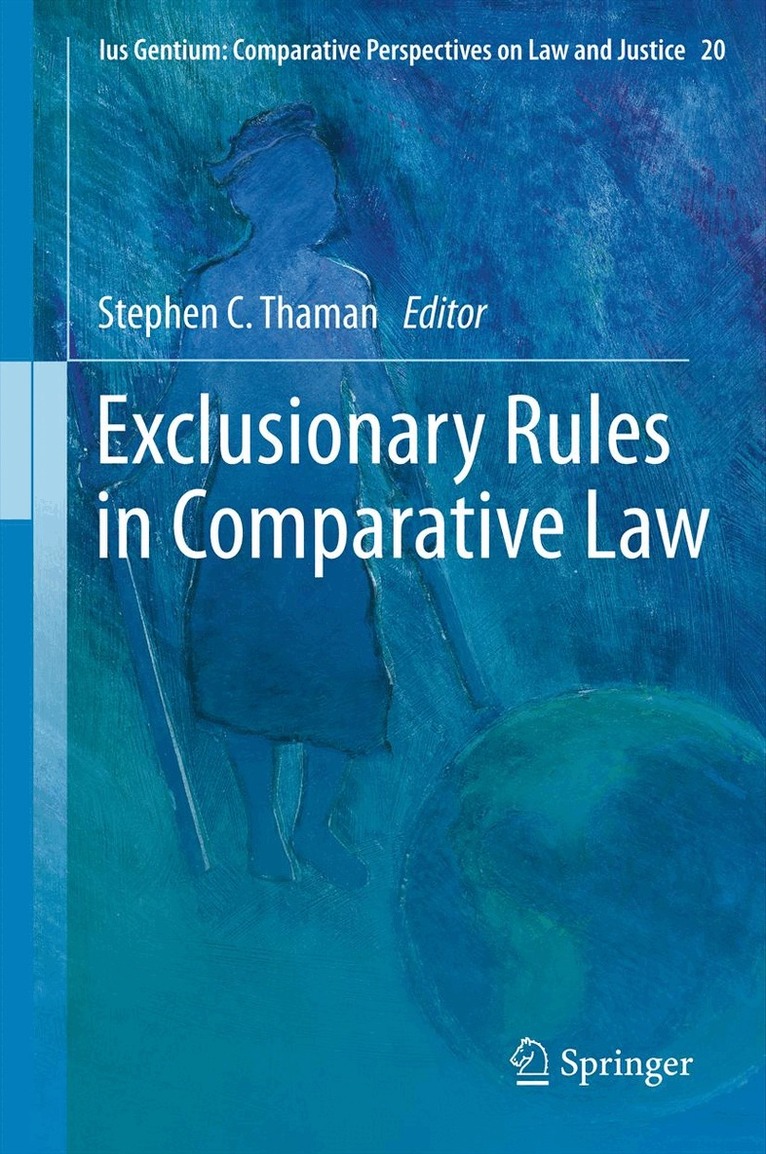
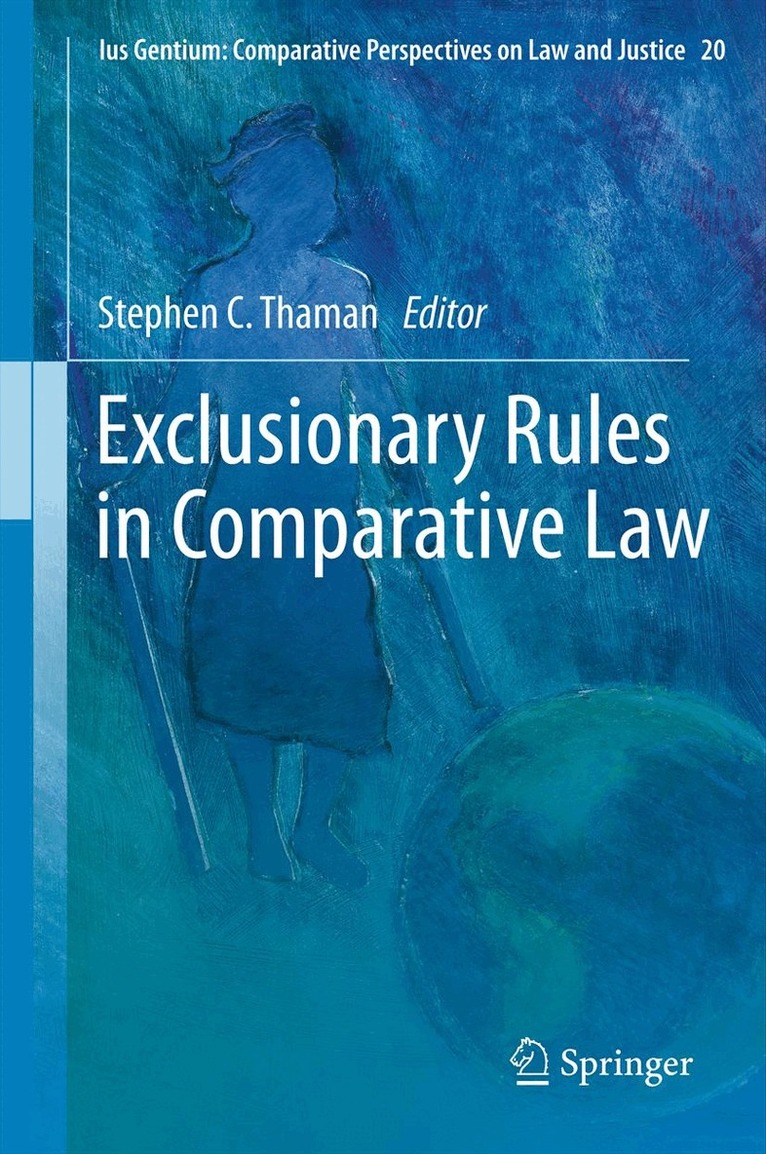
This book is a comparative study of the exclusion of illegally gathered evidence in the criminal trial , which includes 15 country studies, a chapter on the European Court of Human Rights, and a comparative synthetic conclusion. No other book has undertaken such a broad comparative study of exclusionary rules, which have now become a world-wide phenomenon. The topic is one of the most controversial in criminal procedure law, because it reveals a constant tension between the criminal court’s duty to ascertain the truth, on the one hand, and its duty to uphold important constitutional rights on the other, most importantly, the privilege against self-incrimination and the right to privacy in one's home and one's private communications. The chapters were contributed by noted world experts on the subject for the XVIII Congress of the International Academy of Comparative Law in Washington in July 2010.
1 465 kr
Skickas inom 10-15 vardagar
This book is a comparative study of the exclusion of illegally gathered evidence in the criminal trial , which includes 15 country studies, a chapter on the European Court of Human Rights, and a comparative synthetic conclusion. No other book has undertaken such a broad comparative study of exclusionary rules, which have now become a world-wide phenomenon. The topic is one of the most controversial in criminal procedure law, because it reveals a constant tension between the criminal court’s duty to ascertain the truth, on the one hand, and its duty to uphold important constitutional rights on the other, most importantly, the privilege against self-incrimination and the right to privacy in one's home and one's private communications. The chapters were contributed by noted world experts on the subject for the XVIII Congress of the International Academy of Comparative Law in Washington in July 2010.