Stephen Chambers – författare
Visar alla böcker från författaren Stephen Chambers. Handla med fri frakt och snabb leverans.
15 produkter
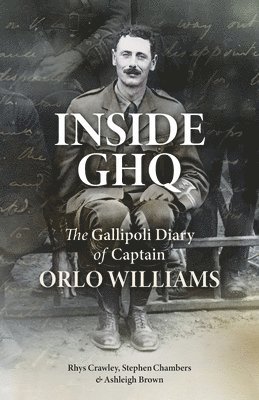
Inside Gchq
The Gallipoli Diary of Captain Orlo Williams
Av Crawley R, Rhys Crawley m. fl.
Häftad, 2025
324 kr
Lägg i varukorg
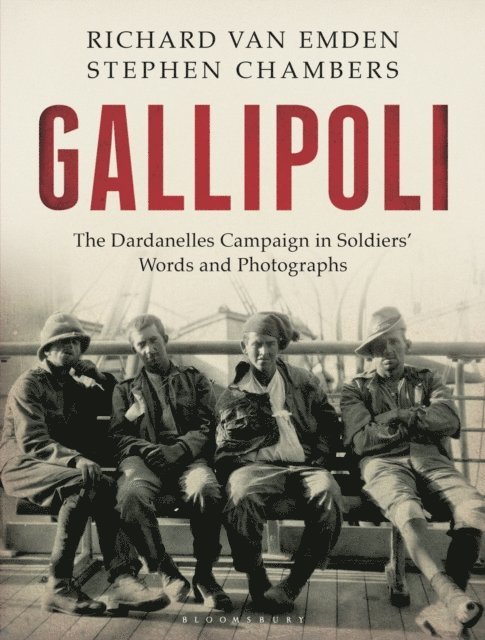
Gallipoli
The Dardanelles Disaster in Soldiers' Words and Photographs
Av Richard van Emden, Stephen Chambers
E-bok, 2015
276 kr
Lägg i varukorg
Presenting more than 150 never-before-published photographs of the campaign, many taken by the soldiers themselves, together with unpublished written material from British, Anzac, French and Turkish, including eyewitness accounts of the landings, this is an unrivalled account of what really …
Hope's War
E-bok, 2002
229 kr
Lägg i varukorg
For the city of Hope, stability is a memory. Counseled by Lord Denon, the leader of the Church, Vel, the new and very reluctant young king, has unintentionally prompted a bloody civil war. Pounded by an unrelenting winter and faced with diminishing food supplies, the city of Hope is carved into a …
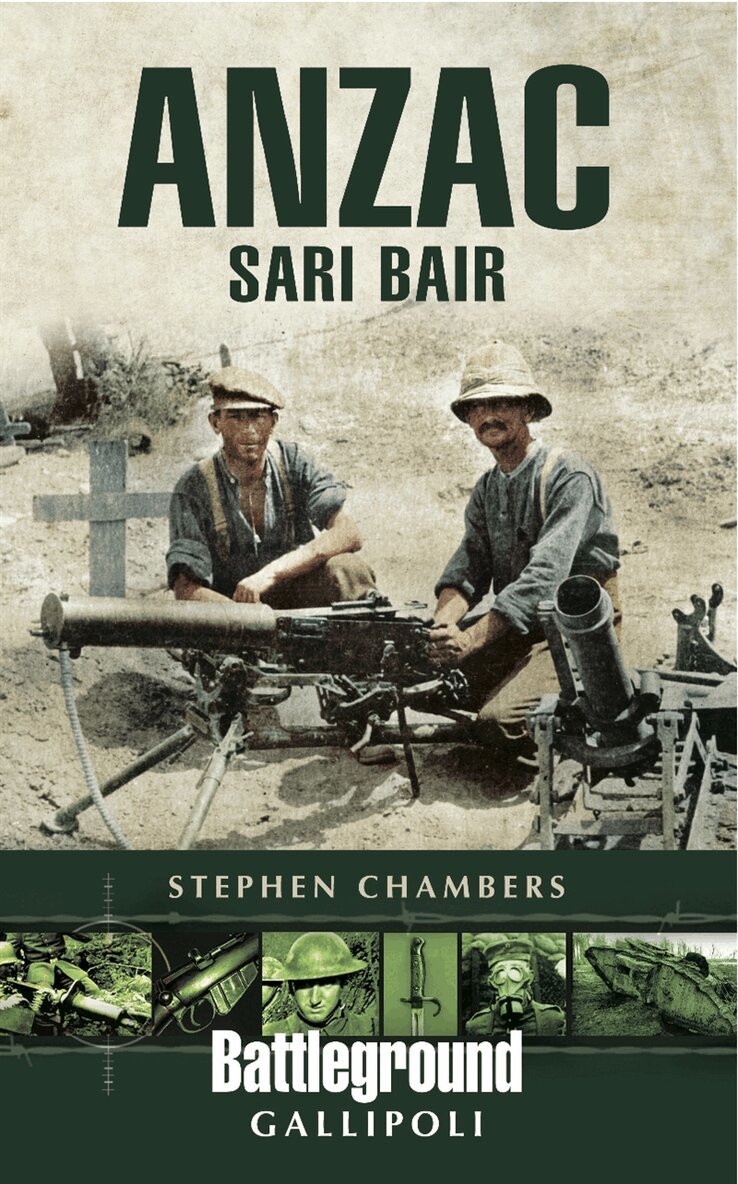
Anzac
Sari Bair
E-bok, 2021
127 kr
Lägg i varukorg
The August Offensive was born out of the failures of the Gallipoli landings and the subsequent battles of late spring and early summer 1915. General Sir Ian Hamilton, Commander-in-Chief of the Mediterranean Expeditionary Force, chose to play all his remaining cards in this daring and ingenious …
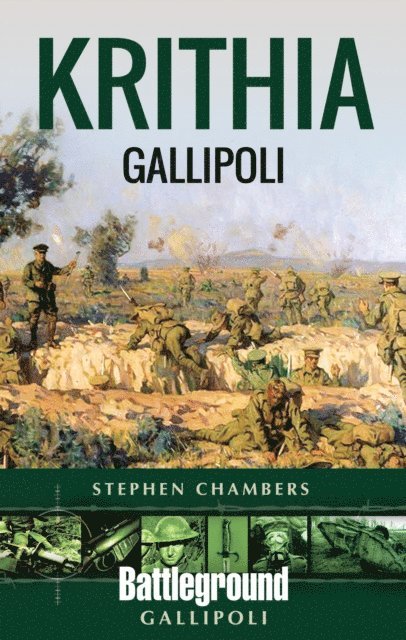
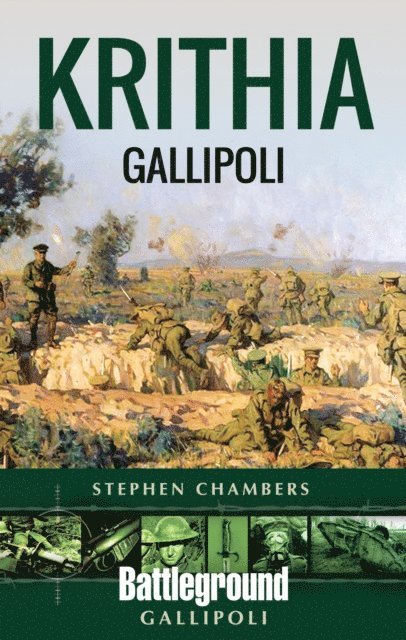
Krithia
Gallipoli
E-bok, 2021
149 kr
Lägg i varukorg
Krithia was a key objective in the land offensives; a killing ground greater than Anzac or Suvla. This book adds to the Gallipoli story and the preceding Battleground books on that campaign by recounting not only the landings at Helles of 25 April 1915, but also the subsequent bitter battles that …
Krithia
Gallipoli
E-bok, 2021
149 kr
Lägg i varukorg
Krithia was a key objective in the land offensives; a killing ground greater than Anzac or Suvla. This book adds to the Gallipoli story and the preceding Battleground books on that campaign by recounting not only the landings at Helles of 25 April 1915, but also the subsequent bitter battles that …
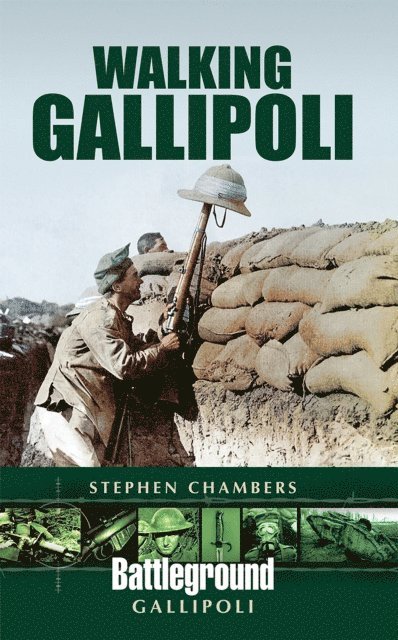
Walking Gallipoli
E-bok, 2019
93 kr
Lägg i varukorg
A walking tour guidebook for travelers and armchair historians interested in visiting the sites of the World War I campaign in Turkey. Gallipoli was a First World War tragedy, a side show that had ambitious hopes to end the war early. Despite the immense gallantry displayed by those fighting, from …
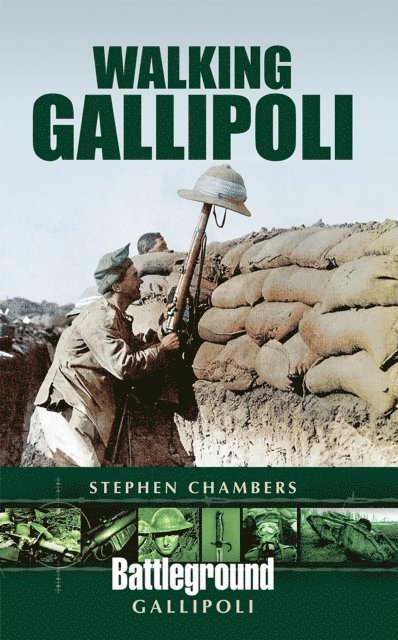
Walking Gallipoli
E-bok, 2019
93 kr
Lägg i varukorg
A walking tour guidebook for travelers and armchair historians interested in visiting the sites of the World War I campaign in Turkey. Gallipoli was a First World War tragedy, a side show that had ambitious hopes to end the war early. Despite the immense gallantry displayed by those fighting, from …
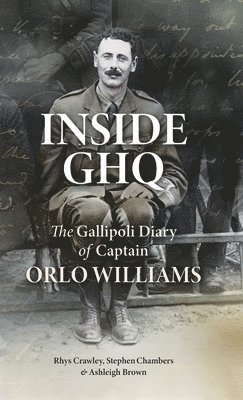
Inside GHQ
The Gallipoli Diary of Captain Orlo Williams
Av Crawley R, Rhys Crawley m. fl.
Inbunden, 2025
439 kr
Lägg i varukorg
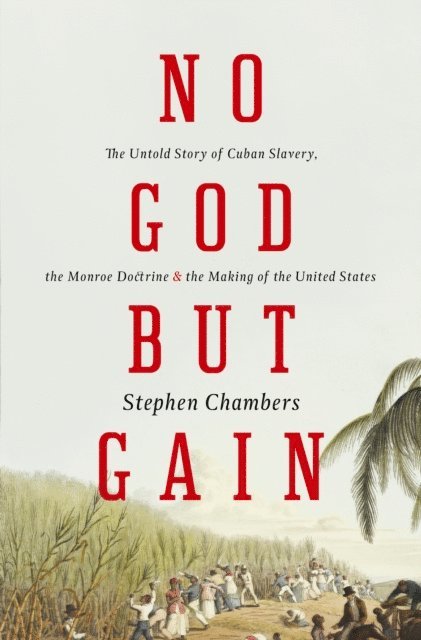
No God But Gain
The Untold Story of Cuban Slavery, the Monroe Doctrine, and the Making of the United States
E-bok, 2015
134 kr
Lägg i varukorg
From 1501 to 1867 more than 12.5 million Africans were brought to the Americas in chains, and as many as 100 million Africans died as a result of the slave trade. The U.S. constitution set a 20-year time limit on U.S. participation in the trade, and on January 1, 1808, it was abolished. And yet, …
No God But Gain
The Untold Story of Cuban Slavery, the Monroe Doctrine, and the Making of the United States
Häftad, 2017
373 kr
Lägg i varukorg
From 1501 to 1867 more than 12.5 million Africans were brought to the Americas in chains, and as many as 100 million Africans died as a result of the slave trade. The U.S. constitution set a 20-year time limit on U.S. participation in the trade, and on January 1, 1808, it was abolished. And yet, …
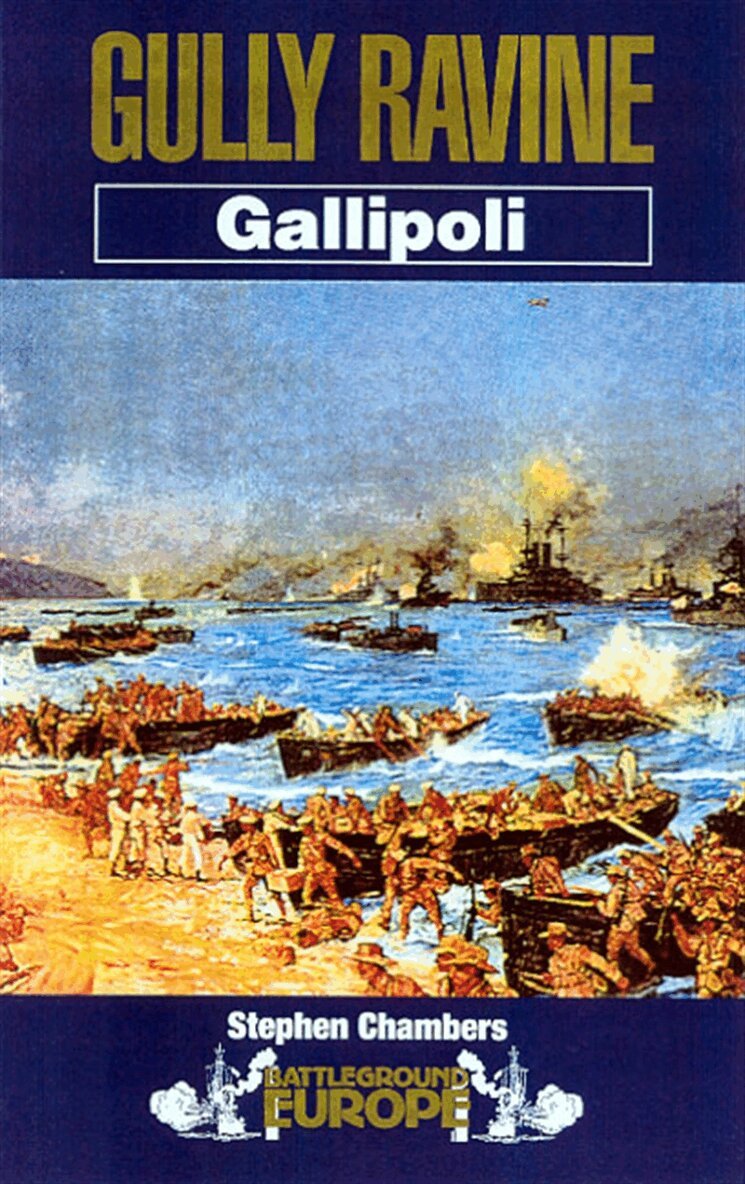
Gully Ravine: Gallipoli
Gallipoli
E-bok, 2021
111 kr
Lägg i varukorg
This book concentrates on Gully Ravine and its immediate area on the western side of the Helles battlefield. Here trench fighting raged throughout the campaign, culminating in the Battle of Gully Ravine between 28 June and 5 July 1915. This attack was a successful piece of planning and execution, …
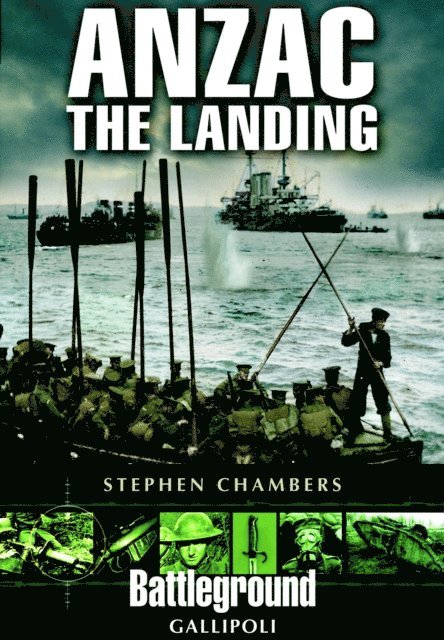
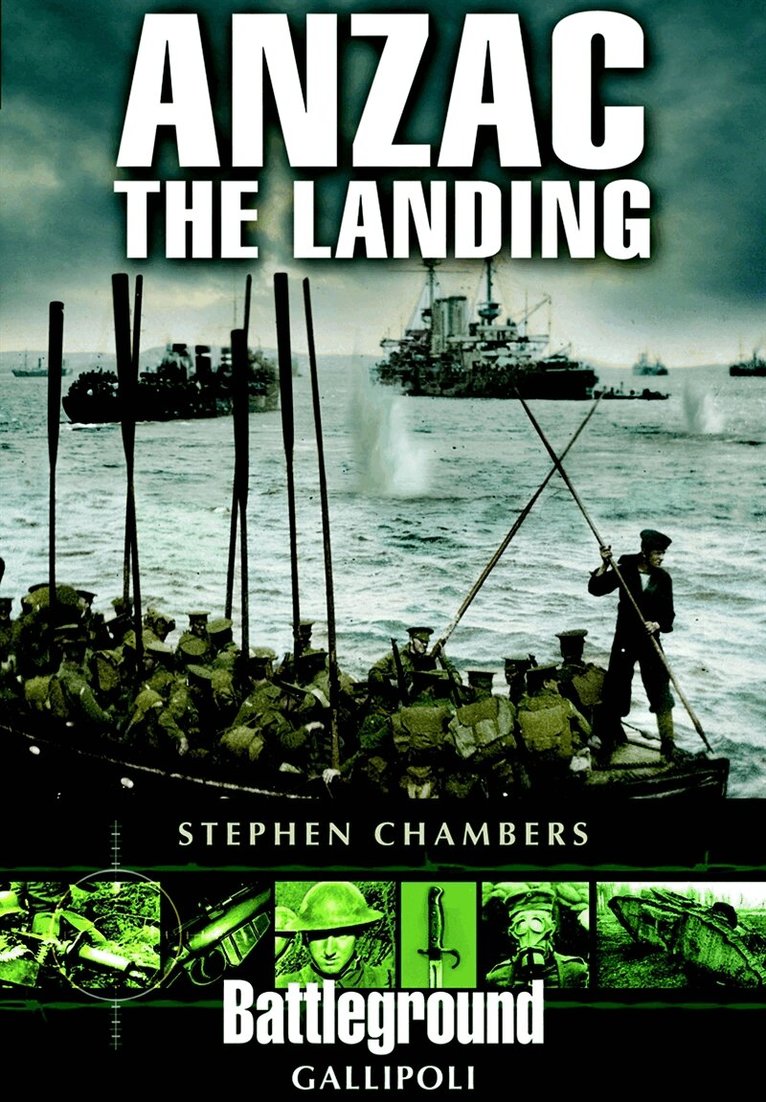
Anzac-The Landing
Gallipoli
E-bok, 2008
22 kr
Lägg i varukorg
The Anzac legend was born on the shores of Gallipoli during the historic morning of 25th April 1915. Landing on a hostile beach, under the cover of darkness, the Anzacs moved inland rapidly, but the response of the Ottoman forces was equally quick. The outcome of the campaign was arguably sealed …
Anzac - The Landing
Gallipoli
E-bok, 2021
95 kr
Lägg i varukorg
The Anzac legend was born on the shores of Gallipoli during the historic morning of 25th April 1915. Landing on a hostile beach, under the cover of darkness, the Anzacs moved inland rapidly, but the response of the Ottoman forces was equally quick. The outcome of the campaign was arguably sealed …
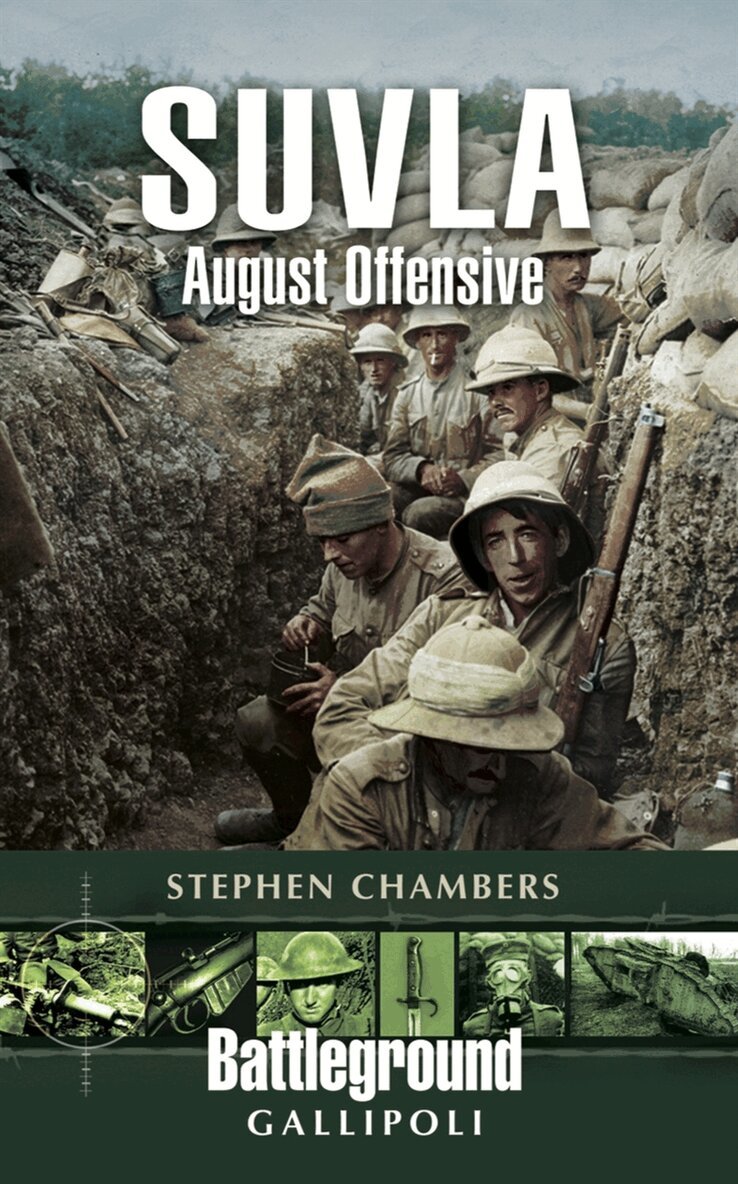
Suvla: August Offensive – Gallipoli
August Offensive
E-bok, 2021
127 kr
Lägg i varukorg
The landing at Suvla Bay, part of the August Offensive, commenced on the night of 6 August 1915. It was intended to support a breakout from Anzac Beach. Despite early hopes from a largely unopposed landing, Suvla was a mismanaged affair that quickly became a stalemate. The newly formed IX Corps, …