Stephen E. Hunt - Böcker
Visar alla böcker från författaren Stephen E. Hunt. Handla med fri frakt och snabb leverans.
4 produkter
4 produkter
274 kr
Skickas inom 5-8 vardagar
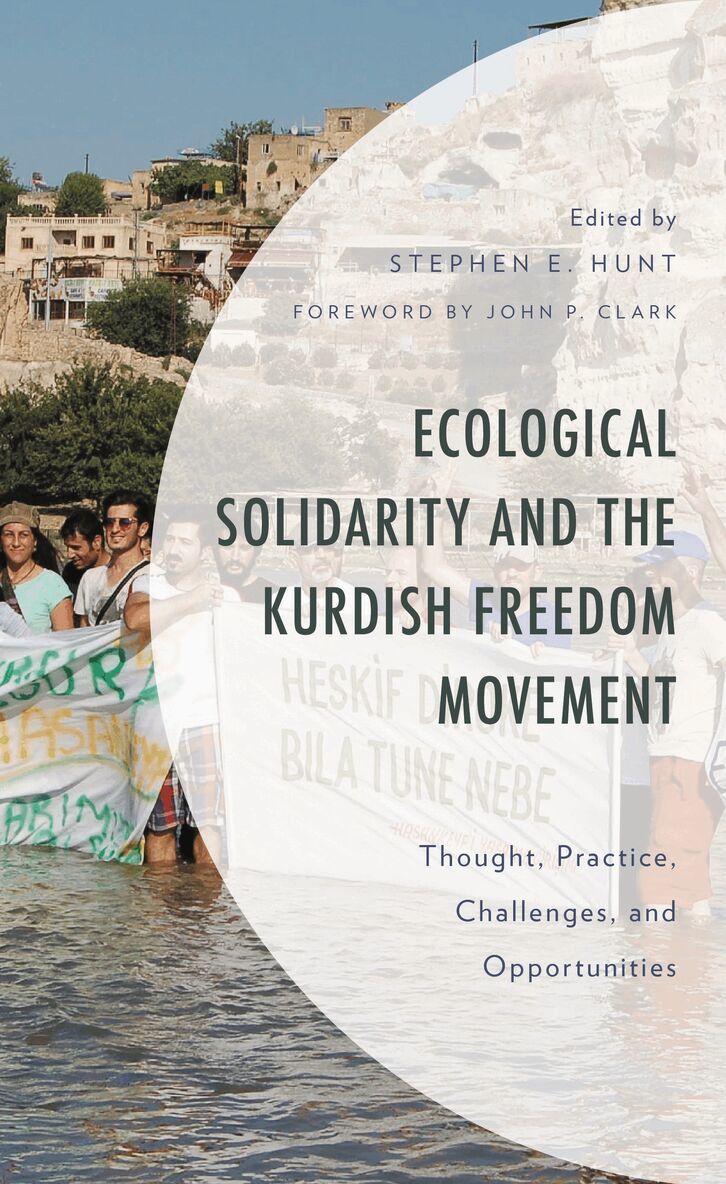
Ecological Solidarity and the Kurdish Freedom Movement
Thought, Practice, Challenges, and Opportunities
Inbunden, Engelska, 2021
1 476 kr
Skickas inom 10-15 vardagar
Ecological Solidarity and the Kurdish Freedom Movement: Thought, Practice, Challenges, and Opportunities is a pioneering text that examines the ideas about social ecology and communalism behind the evolving political structures in the Kurdish region. The collection evaluates practical green projects, including the Mesopotamian Ecology Movement, Jinwar women’s eco-village, food sovereignty in a solidarity economy, environmental defenders in Iranian Kurdistan, and Make Rojava Green Again. Contributors also critically reflect on such contested themes as Alevi nature beliefs, anti-dam demonstrations, human-rights law and climate change, the Gezi Park protests, and forest fires. Throughout this volume, the contributors consider the formidable challenges to the Kurdish initiatives, such as state repression, damaged infrastructure, and oil dependency. Nevertheless, contributors assert that the West has much to learn from the Kurdish ecological paradigm, which offers insight into social movement debates about development and decolonization.
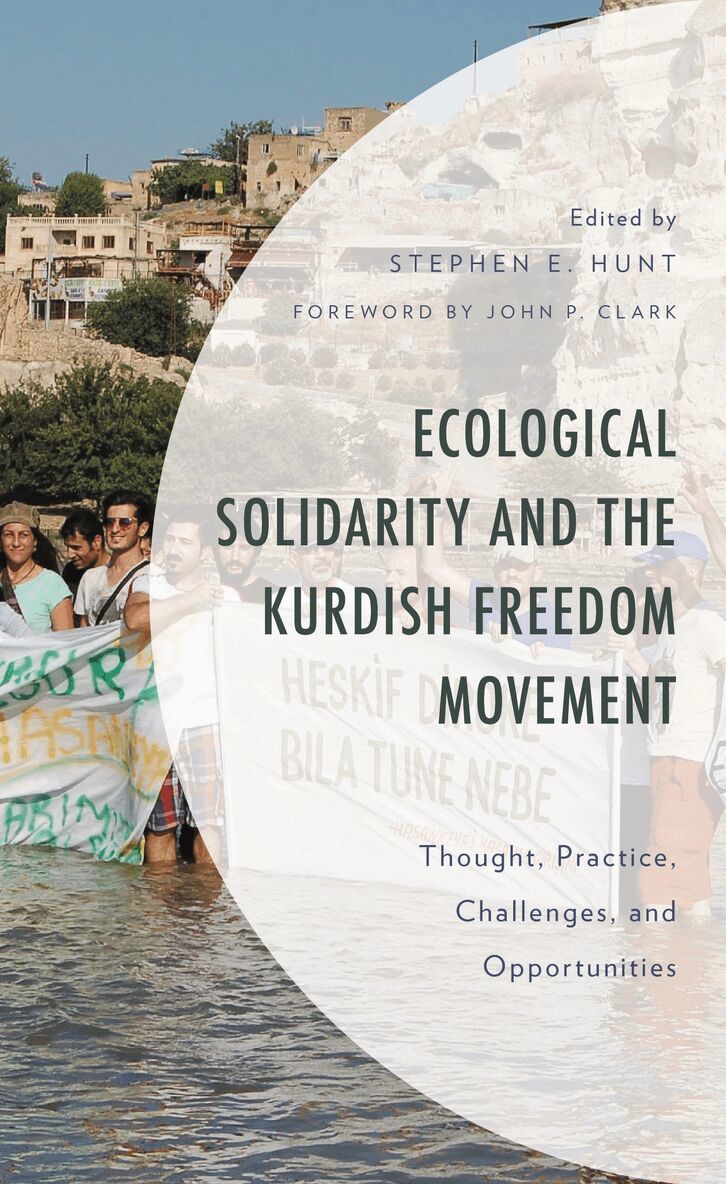
Ecological Solidarity and the Kurdish Freedom Movement
Thought, Practice, Challenges, and Opportunities
Häftad, Engelska, 2023
488 kr
Skickas inom 10-15 vardagar
Ecological Solidarity and the Kurdish Freedom Movement: Thought, Practice, Challenges, and Opportunities is a pioneering text that examines the ideas about social ecology and communalism behind the evolving political structures in the Kurdish region. The collection evaluates practical green projects, including the Mesopotamian Ecology Movement, Jinwar women’s eco-village, food sovereignty in a solidarity economy, environmental defenders in Iranian Kurdistan, and Make Rojava Green Again. Contributors also critically reflect on such contested themes as Alevi nature beliefs, anti-dam demonstrations, human-rights law and climate change, the Gezi Park protests, and forest fires. Throughout this volume, the contributors consider the formidable challenges to the Kurdish initiatives, such as state repression, damaged infrastructure, and oil dependency. Nevertheless, contributors assert that the West has much to learn from the Kurdish ecological paradigm, which offers insight into social movement debates about development and decolonization.
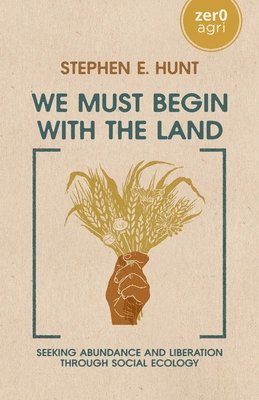
We Must Begin with the Land
Seeking Abundance and Liberation through Social Ecology
Häftad, Engelska, 2025
162 kr
Skickas inom 7-10 vardagar
We live at a time of intractable armed conflicts starved of resolution. We inhabit a planet where damaged ecosystems are hungry for restoration. We endure chronic inequalities of wealth and power which crave redistribution. During the past decade, such intertwined factors have precipitated a food crisis, in which increasingly millions experience malnutrition. As elsewhere, the UK is constrained by legacies of structural injustice and failing neoliberal policies. Yet We Must Begin with the Land�is not another account of global doom. It explores an abundance of innovative and traditional alternatives for producing food, renewable energies, and organic materials through agroecology. Using the anti-colonial lens of social ecology, Stephen E. Hunt considers mini real-world case studies for diversifying and democratising how we might grow, share, and eat. Gleaning such examples takes us from La Via Campesina, the world�s largest food-sovereignty network, to efforts to preserve Indigenous knowledges; from radical material sciences using hemp, seaweed, and fungi to the defiant trees and fruits of revolutionary Rojava; from proliferating Kleing�rten to micro-projects at home, such as an inner-city growing community where refugees sprout hope and Japanese Shumei cultivation unexpectedly thriving in a Wiltshire hamlet. Social ecology is a powerful set of conceptual principles for transforming our relationship to food. It offers a critique of existing supply chains that all-too-often shackle producers and consumers alike in dependency and poverty. But it also sparks different conversations about how we might delink from and reconnect into food chains that are more intricate and, ultimately, more resilient. It signals priorities not just to meet social needs and for ecological survival but also for human liberation and pleasure and flourishing sustainability. �