
Stephen Engstrom – författare
Visar alla böcker från författaren Stephen Engstrom. Handla med fri frakt och snabb leverans.
2 produkter
2 produkter
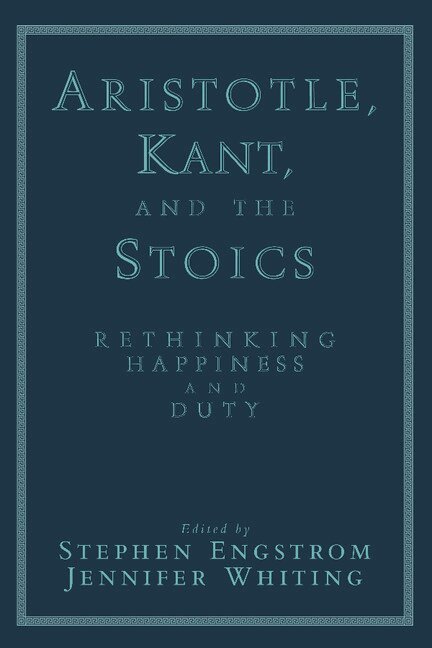
Häftad, Engelska, 1998
553 kr
Skickas inom 7-10 vardagar
This major collection of essays offers the first serious challenge to the traditional view that ancient and modern ethics are fundamentally opposed. In doing so, it has important implications for contemporary ethical thought, as well as providing a significant re-assessment of the work of Aristotle, Kant and the Stoics. The contributors include internationally recognised interpreters of ancient and modern ethics. Four pairs of essays compare and contrast Aristotle and Kant on deliberation and moral development (John McDowell and Barbara Herman), eudaimonism (T. H. Irwin and Stephen Engstrom), self-love and self-worth (Jennifer Whiting and Allen Wood), and practical reason and moral psychology (Julia Annas and Christine Korsgaard). The final pair of essays introduces the Stoics as an example of how the apparently antithetical views of Aristotle and the Stoics might be reconciled (John Cooper and J. B. Schneewind).
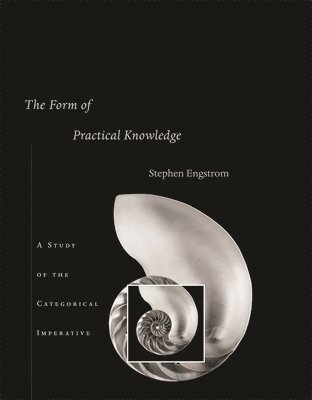
Inbunden, Engelska, 2009
672 kr
Skickas inom 10-15 vardagar
Immanuel Kant’s claim that the categorical imperative of morality is based in practical reason has long been a source of puzzlement and doubt, even for sympathetic interpreters. Kant’s own explanations, which mainly concern his often-criticized formula of universal law, are laconic and obscure, leading interpreters to dismiss them in favor of less ambitious claims involving his other famous formulas. In The Form of Practical Knowledge, Stephen Engstrom provides an illuminating new interpretation of the categorical imperative, arguing that we have exaggerated and misconceived Kant’s break with tradition: Kant never departs from the classical conception of practical reason as a capacity for knowledge of the good. His distinctive contribution is the idea that morality’s imperatives express the form of such knowledge. By developing an account of practical knowledge that situates Kant’s ethics within his broader epistemology and rethinks numerous topics in his moral psychology and in his account of practical reason (including desire, intention, choice, will, as well as pleasure, happiness, and the good), Engstrom’s work promises to deepen and to reshape our understanding of Kantian ethics.