Stephen F. Knott - Böcker
Visar alla böcker från författaren Stephen F. Knott. Handla med fri frakt och snabb leverans.
9 produkter
9 produkter
758 kr
Skickas inom 5-8 vardagar
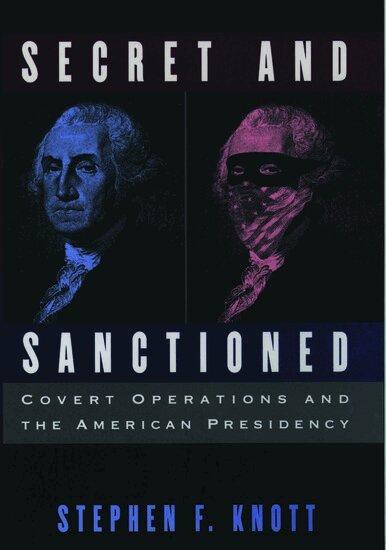
This groundbreaking new book challenges the notion that covert operations are a twentieth-century phenomenon, recounting a wide array of operations sanctioned by America's Founding Fathers. These include George Washington's plan to kidnap King George III's son; Thomas Jefferson's proposal to burn down St Paul's Cathedral in London; James Madison's procuring of a prostitute for a prominent foreign visitor; and Daniel Webster's use of British secret service money to influence American public opinion.In describing these operations and more, Stephen F. Knott challenges the conclusions of the Church and the Iran-Contra Committees that America's Cold War presidents broke faith with the Founding Fathers. While Knott acknowledges the rise of a large clandestine bureaucracy such as the CIA as a twentieth-century innovation, he nonetheless argues that the type of operations conducted by the Founders were remarkably similar to those of their Cold War successors such as Truman and Bush.
411 kr
Skickas inom 7-10 vardagar
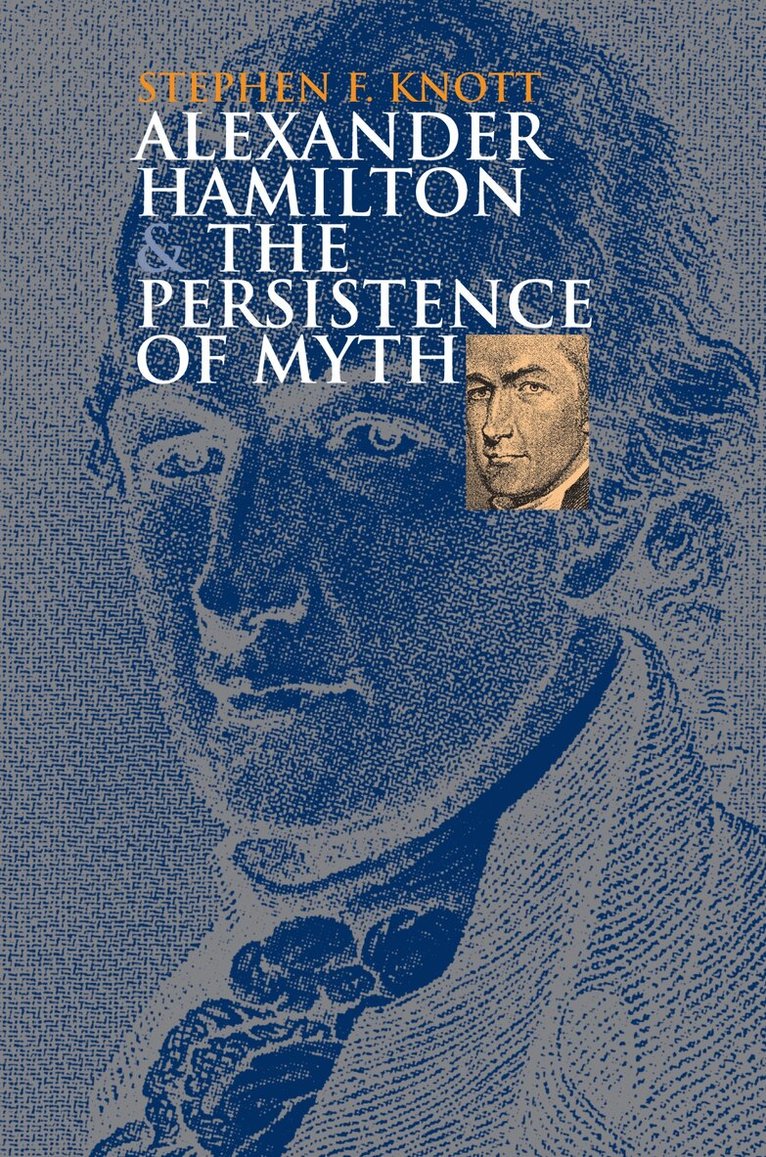
Alexander Hamilton and the Persistence of Myth explores the shifting reputation of our most controversial founding father. Since the day Aaron Burr fired his fatal shot, Americans have tried to come to grips with Alexander Hamilton's legacy. Stephen Knott surveys the Hamilton image in the minds of American statesmen, scholars, literary figures, and the media, explaining why Americans are content to live in a Hamiltonian nation but reluctant to embrace the man himself.Knott observes that Thomas Jefferson and his followers, and, later, Andrew Jackson and his adherents, tended to view Hamilton and his principles as "un-American." While his policies generated mistrust in the South and the West, where he is still seen as the founding "plutocrat," Hamilton was revered in New England and parts of the Mid-Atlantic states. Hamilton's image as a champion of American nationalism caused his reputation to soar during the Civil War, at least in the North. However, in the wake of Gilded Age excesses, progressive and populist political leaders branded Hamilton as the patron saint of Wall Street, and his reputation began to disintegrate.Hamilton's status reached its nadir during the New Deal, Knott argues, when Franklin Roosevelt portrayed him as the personification of Dickensian cold-heartedness. When FDR erected the beautiful Tidal Basin monument to Thomas Jefferson and thereby elevated the Sage of Monticello into the American Pantheon, Hamilton, as Jefferson's nemesis, fell into disrepute. He came to epitomize the forces of reaction contemptuous of the "great beast"-the American people. In showing how the prevailing negative assessment misrepresents the man and his deeds, Knott argues for reconsideration of Hamiltonianism, which rightly understood has much to offer the American polity of the twenty-first century.Remarkably, at the dawn of the new millennium, the nation began to see Hamilton in a different light. Hamilton's story was now the embodiment of the American dream—an impoverished immigrant who came to the United States and laid the economic and political foundation that paved the way for America's superpower status. Here in Stephen Knott's insightful study, Hamilton finally gets his due as a highly contested but powerful and positive presence in American national life.
611 kr
Skickas inom 10-15 vardagar
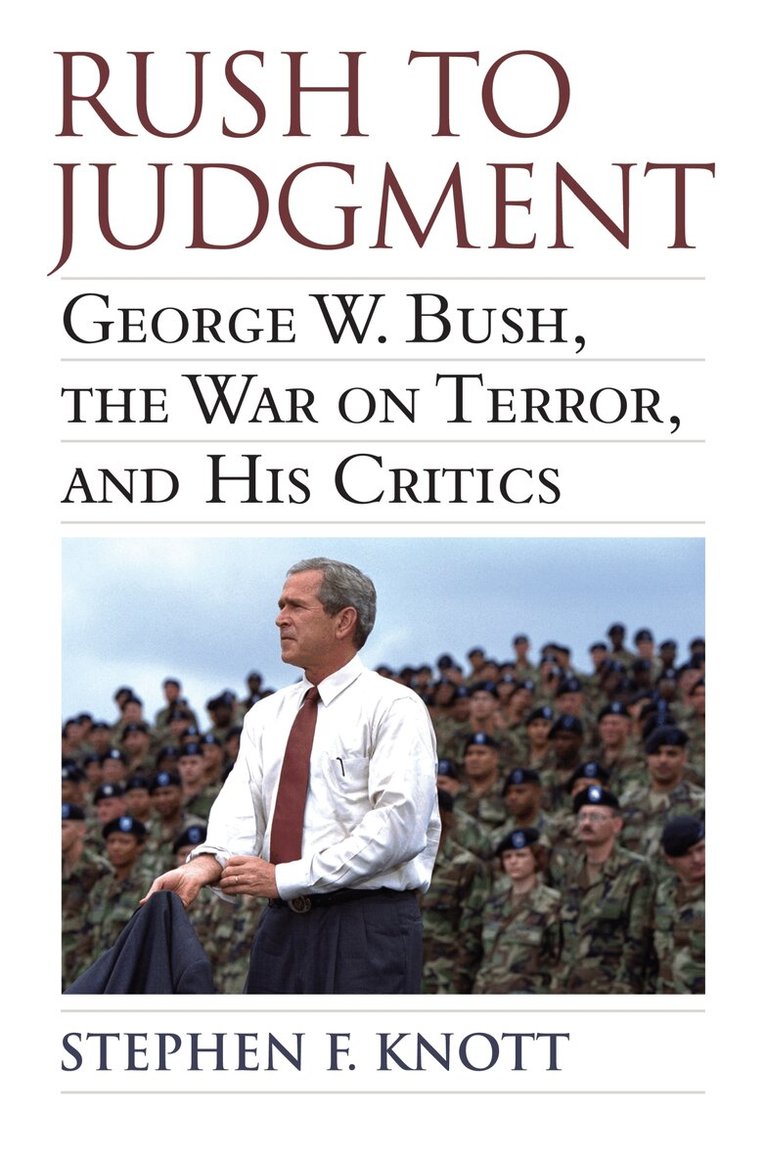
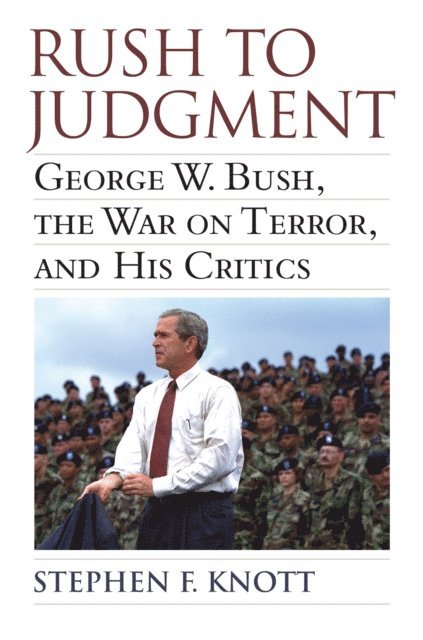
George W. Bush has been branded the worst president in history and forced to endure accusations that he abused his power while presiding over a “lawless” administration. Stephen Knott, however, contends that Bush has been treated unfairly, especially by presidential historians and the media. He argues that from the beginning scholars abandoned any pretence at objectivity in their critiques and seemed unwilling to place Bush’s actions into a broader historical context. In this provocative book, Knott offers a measured critique of the professoriate for its misuse of scholarship for partisan political purposes, a defence of the Hamiltonian perspective on the extent and use of executive power, and a rehabilitation of Bush’s reputation from a national security viewpoint. He argues that Bush’s conduct as chief executive was rooted in a tradition extending as far back as George Washington—not an “imperial presidency” but rather an activist one that energetically executed its constitutional prerogatives. Given that one of the main indictments of Bush focuses on his alleged abuse of presidential war power, Knott takes on academic critics like Sean Wilentz and Arthur Schlesinger Jr. and journalists like Charlie Savage to argue instead that Bush conducted the War on Terror in a manner faithful to the Framers’ intent—that in situations involving national security he rightly assumed powers that neither Congress nor the courts can properly restrain. Knott further challenges Bush’s detractors for having applied a relatively recent, revisionist understanding of the Constitution in arguing that Bush’s actions were out of bounds. Ultimately, Knott makes a worthy case that, while Bush was not necessarily a great president, his national security policies were in keeping with the practices of America’s most revered presidents and, for that reason alone, he deserves a second look by those who have condemned him to the ash heap of history. All readers interested in the presidency and in American history writ large will find Rush to Judgment a deftly argued, perhaps deeply unsettling, yet balanced account of the Bush presidency—and a clarion call for a re-examination of how scholars determine presidential greatness and failure.
318 kr
Skickas inom 7-10 vardagar
George W. Bush has been branded the worst president in history and forced to endure accusations that he abused his power while presiding over a "lawless" administration. Stephen Knott, however, contends that Bush has been treated unfairly, especially by presidential historians and the media. He argues that from the beginning scholars abandoned any pretense at objectivity in their critiques and seemed unwilling to place Bush's actions into a broader historical context.In this provocative book, Knott offers a measured critique of the professoriate for its misuse of scholarship for partisan political purposes, a defense of the Hamiltonian perspective on the extent and use of executive power, and a rehabilitation of Bush's reputation from a national security viewpoint. He argues that Bush's conduct as chief executive was rooted in a tradition extending as far back as George Washington-not an "imperial presidency" but rather an activist one that energetically executed its constitutional prerogatives.Given that one of the main indictments of Bush focuses on his alleged abuse of presidential war power, Knott takes on academic critics like Sean Wilentz and Arthur Schlesinger Jr. and journalists like Charlie Savage to argue instead that Bush conducted the War on Terror in a manner faithful to the Framers' intent-that in situations involving national security he rightly assumed powers that neither Congress nor the courts can properly restrain. Knott further challenges Bush's detractors for having applied a relatively recent, revisionist understanding of the Constitution in arguing that Bush's actions were out of bounds.Ultimately, Knott makes a worthy case that, while Bush was not necessarily a great president, his national security policies were in keeping with the practices of America's most revered presidents and, for that reason alone, he deserves a second look by those who have condemned him to the ash heap of history. All readers interested in the presidency and in American history writ large will find Rush to Judgment a deftly argued, perhaps deeply unsettling, yet balanced account of the Bush presidency-and a clarion call for a reexamination of how scholars determine presidential greatness and failure.
Lost Soul of the American Presidency
The Decline Into Demagoguery and the Prospects for Renewal
Inbunden, Engelska, 2019
446 kr
Skickas inom 10-15 vardagar
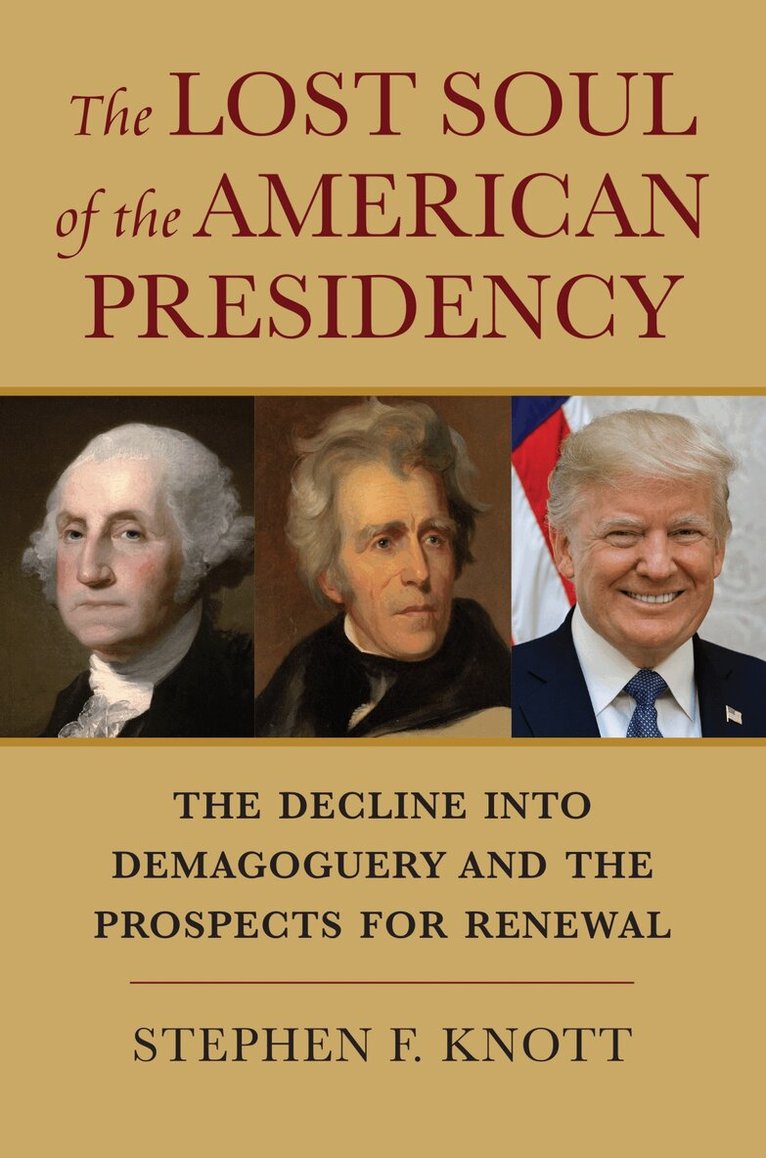
The American presidency is not what it once was. Nor, Stephen F. Knott contends, what it was meant to be. Taking on an issue as timely as Donald Trump’s latest tweet and old as the American republic, the distinguished presidential scholar documents the devolution of the American presidency from the neutral, unifying office envisioned by the framers of the Constitution into the demagogic, partisan entity of our day.The presidency of popular consent, or the majoritarian presidency that we have today, far predates its current incarnation. The executive office as James Madison, George Washington, and Alexander Hamilton conceived it would be a source of national pride and unity, a check on the tyranny of the majority, and a neutral guarantor of the nation’s laws. The Lost Soul of the American Presidency shows how Thomas Jefferson’s “Revolution of 1800” remade the presidency, paving the way for Andrew Jackson to elevate “majority rule” into an unofficial constitutional principle—and contributing to the disenfranchisement, and worse, of African Americans and Native Americans. In Woodrow Wilson, Knott finds a worthy successor to Jefferson and Jackson. More than any of his predecessors, Wilson altered the nation’s expectations of what a president could be expected to achieve, putting in place the political machinery to support a “presidential government.”As difficult as it might be to recover the lost soul of the American presidency, Knott reminds us of presidents who resisted pandering to public opinion and appealed to our better angels—George Washington, John Quincy Adams, Abraham Lincoln, and William Howard Taft, among others—whose presidencies suggest an alternative and offer hope for the future of the nation’s highest office.
Lost Soul of the American Presidency
The Decline Into Demagoguery and the Prospects for Renewal
Häftad, Engelska, 2020
323 kr
Skickas inom 10-15 vardagar
The American presidency is not what it once was. Nor, Stephen F. Knott contends, what it was meant to be. Taking on an issue as timely as Donald Trump's latest tweet and old as the American republic, the distinguished presidential scholar documents the devolution of the American presidency from the neutral, unifying office envisioned by the framers of the Constitution into the demagogic, partisan entity of our day.The presidency of popular consent, or the majoritarian presidency that we have today, far predates its current incarnation. The executive office as James Madison, George Washington, and Alexander Hamilton conceived it would be a source of national pride and unity, a check on the tyranny of the majority, and a neutral guarantor of the nation's laws. The Lost Soul of the American Presidency shows how Thomas Jefferson's 'Revolution of 1800' remade the presidency, paving the way for Andrew Jackson to elevate 'majority rule' into an unofficial constitutional principle-and contributing to the disenfranchisement, and worse, of African Americans and Native Americans. In Woodrow Wilson, Knott finds a worthy successor to Jefferson and Jackson. More than any of his predecessors, Wilson altered the nation's expectations of what a president could be expected to achieve, putting in place the political machinery to support a 'presidential government.'As difficult as it might be to recover the lost soul of the American presidency, Knott reminds us of presidents who resisted pandering to public opinion and appealed to our better angels-George Washington, John Quincy Adams, Abraham Lincoln, and William Howard Taft, among others-whose presidencies suggest an alternative and offer hope for the future of the nation's highest office.
439 kr
Skickas inom 7-10 vardagar
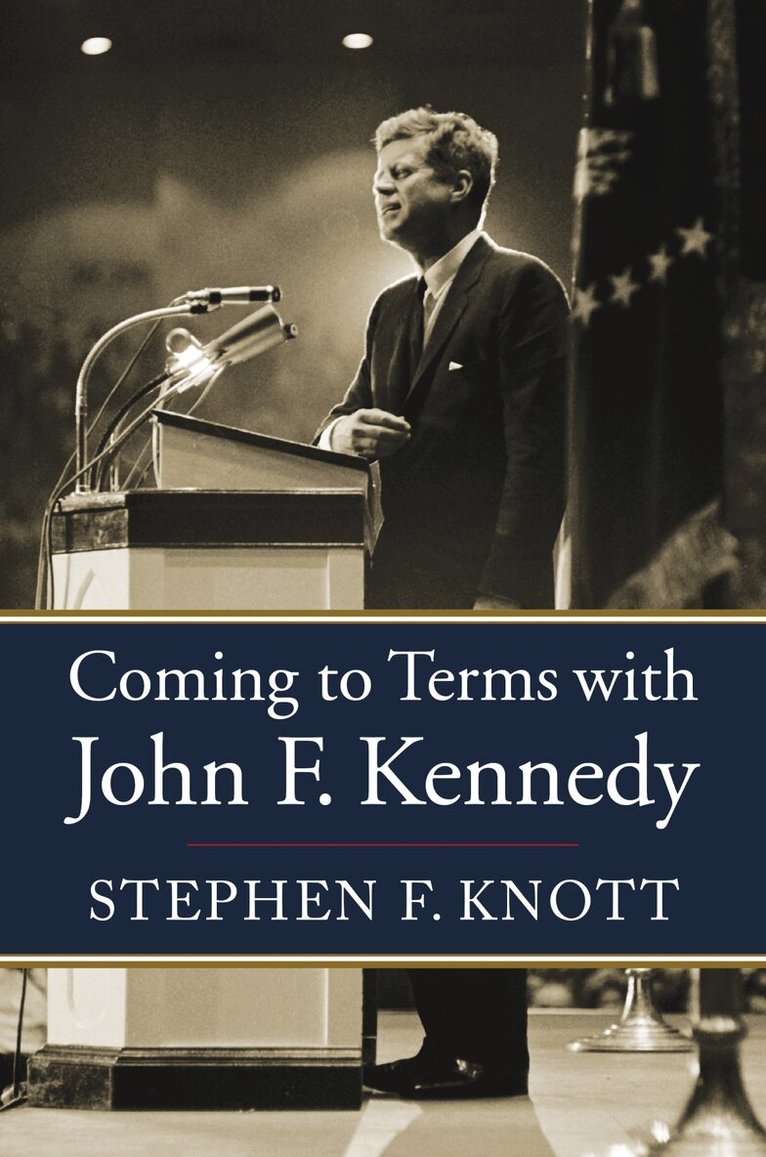
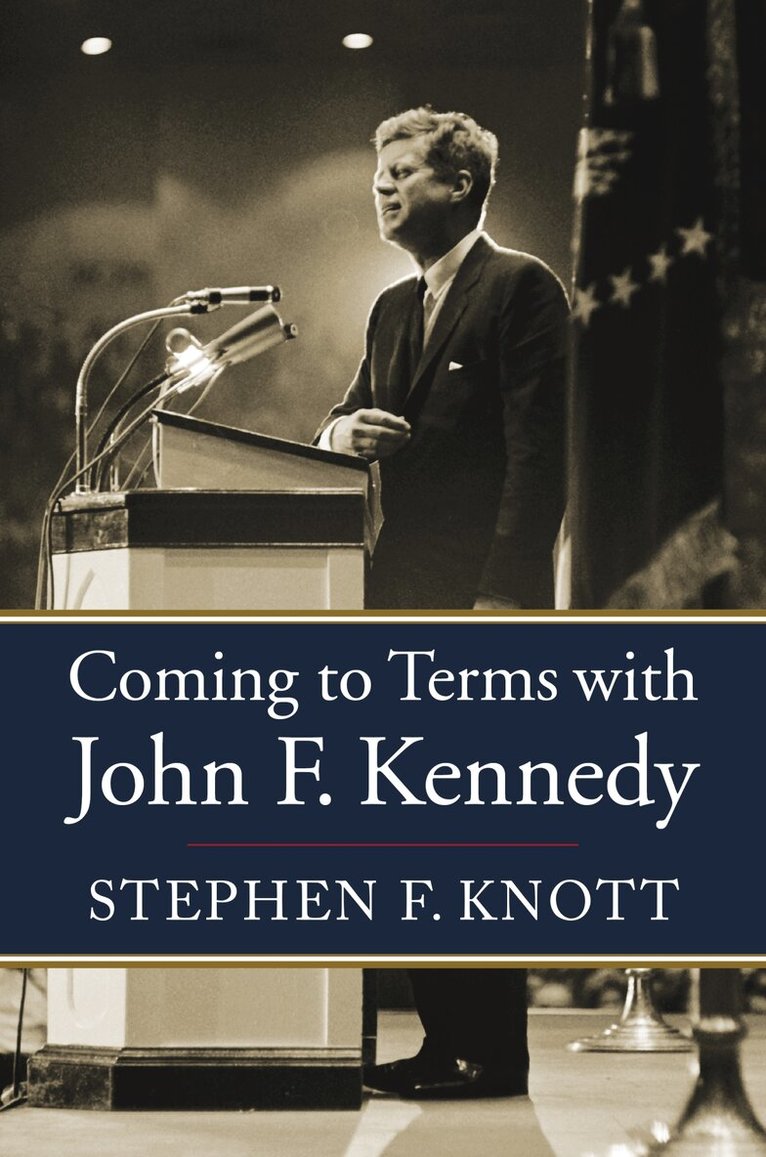
Stephen F. Knott has spent his life grappling with the legacy of President John F. Kennedy: JFK was the first president Knott remembers, he worked for Ted Kennedy’s Senate campaign in 1976, and later he worked at the John F. Kennedy Library in Boston. Moreover, Knott’s scholarly work on the American presidency has wrestled with Kennedy’s time in office and whether his presidency was ultimately a positive or negative one for the country. After initially being a strong Kennedy fan, Knott’s views began to sour during his time at the library, eventually leading him to become a “Reagan Democrat.” The Trump presidency led Knott to revisit JFK, leading him once more to reconsider his views.Coming to Terms with John F. Kennedy offers a nuanced assessment of the thirty-fifth president, whose legacy and impact people continue to debate to this day. Knott examines Kennedy through the lens of five critical issues: his interpretation of presidential power, his approach to civil rights, and his foreign policy toward Cuba, the Soviet Union, and Vietnam. Knott also explores JFK’s assassination and the evolving interpretations of his presidency, both highly politicized subject matters. What emerges is a president as complex as the author’s shifting views about him.The passage of sixty years, from working in the Kennedy Library to a career writing about the American presidency, has given Knott a broader view of Kennedy’s presidency and allowed him to see how both the Left and the Right, and members of the Kennedy family, distorted JFK's record for their own purposes.Despite the existence of over forty thousand books dealing with the man and his era, Coming to Terms with John F. Kennedy offers something new to say about this brief but important presidency. Knott contends that Kennedy’s presidency, for better or for worse, mattered deeply and that whatever his personal flaws, Kennedy’s lofty rhetoric appealed to what is best in America, without invoking the snarling nativism of his least illustrious successor, Donald Trump.
304 kr
Skickas inom 10-15 vardagar
Stephen F. Knott has spent his life grappling with the legacy of President John F. Kennedy: JFK was the first president Knott remembers, he worked for Ted Kennedy’s Senate campaign in 1976, and later he worked at the John F. Kennedy Library in Boston. Moreover, Knott’s scholarly work on the American presidency has wrestled with Kennedy’s time in office and whether his presidency was ultimately a positive or negative one for the country. After initially being a strong Kennedy fan, Knott’s views began to sour during his time at the Library, eventually leading him to become a “Reagan Democrat.” The Trump presidency led Knott to revisit JFK, leading him once more to reconsider his views.Coming to Terms with John F. Kennedy offers a nuanced assessment of the thirty-fifth president, whose legacy and impact people continue to debate to this day. Knott examines Kennedy through the lens of five critical issues: his interpretation of presidential power, his approach to civil rights, and his foreign policy toward Cuba, the Soviet Union, and Vietnam. Knott also explores JFK’s assassination and the evolving interpretations of his presidency, both highly politicized subject matters. What emerges is a president as complex as the author’s shifting views about him.The passage of sixty years, from working in the Kennedy Library to a career writing about the American presidency, has given Knott a broader view of Kennedy’s presidency and allowed him to see how both the Left and the Right, and members of the Kennedy family, distorted JFK's record for their own purposes.Despite the existence of over forty thousand books dealing with the man and his era, Coming to Terms with John F. Kennedy offers something new to say about this brief but important presidency. Knott contends that Kennedy’s presidency, for better or for worse, mattered deeply and that whatever his personal flaws, Kennedy’s lofty rhetoric appealed to what is best in America without invoking the snarling nativism of his least illustrious successor, Donald Trump.
Conspirator in Chief
The Long Tradition of Conspiracy Theories in the American Presidency
Inbunden, Engelska, 2026
371 kr
Kommande
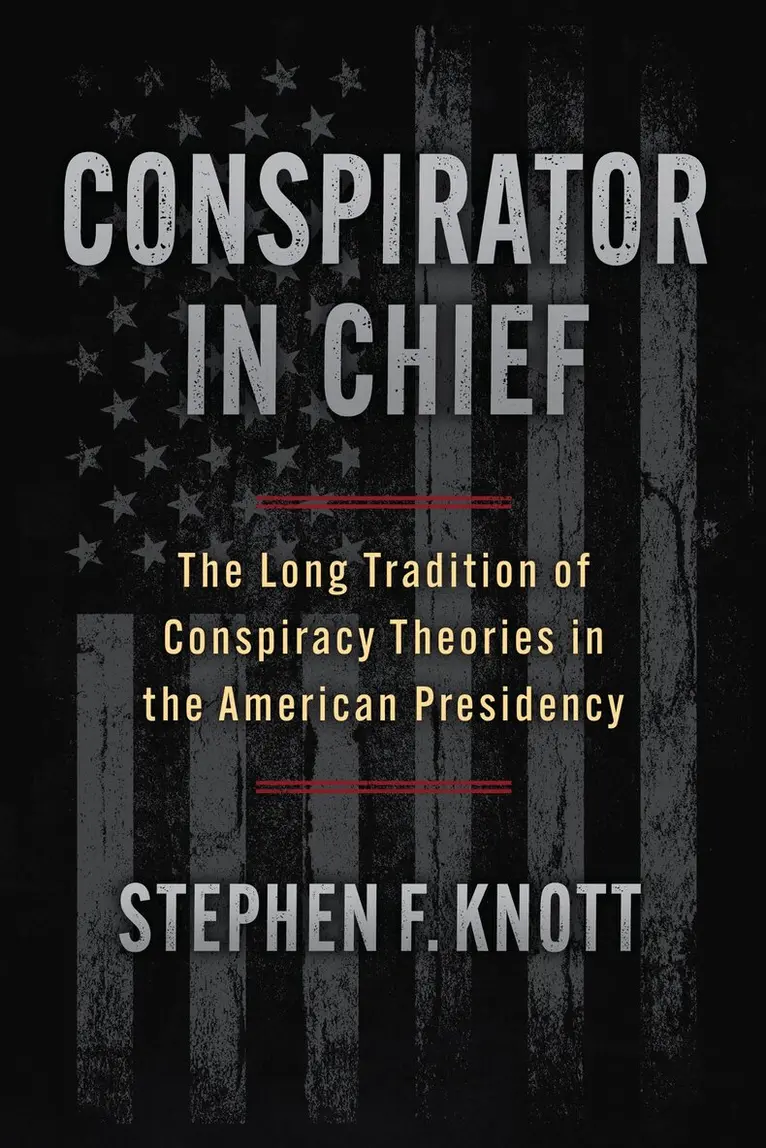
Esteemed presidential historian Stephen F. Knott takes readers on a sobering tour of the lowlights in the American presidency, showing how presidents from Thomas Jefferson to Donald Trump have engaged in reckless conspiracy-mongering about their political opponents in an effort to increase their power and privilege.Today we are inundated with conspiracy theories—QAnon, the “Big Lie,” Pizzagate, the Epstein Files, and innumerable false claims about vaccines and other medicines. But the widespread proliferation of lies and misinformation can make it easy to forget that conspiracy theories have been part of American life from the beginning. The land of the free and the home of the brave has also been the den of false rumors and conspiratorial claims about one’s political enemies—not merely by rank-and-file Americans but also by our most powerful and consequential elected leaders. As political historian Stephen F. Knott recounts in painful detail, the Commander in Chief of the United States has often acted as Conspirator in Chief.Part presidential history and part descent into a political Dante’s Inferno, Conspirator in Chief is a tour through the Hall of Shame in American politics. Thomas Jefferson used surrogates to spread false claims about Alexander Hamilton in order to destroy his political influence, attacked newspaper editors who were critical of his party and policies, and used conspiracy theories about the Federalists to tarnish them in the eyes of the American people. This brand of demagoguery reached an apex in the presidency of Andrew Jackson, who publicly defamed abolitionists, manipulated newspapers to publish his conspiracies, and spread his own “Big Lie” about the 1824 election being stolen from him in a “corrupt bargain.” Andrew Johnson spread false accusations about the Radical Republicans and he declared the need for “white emancipation” and made spurious claims about the dangers of a coming Black supremacy as a result of Reconstruction. Woodrow Wilson, according to Knott, continued Johnson’s racist and conspiratorial interpretation of American history.In addition to our most infamous presidents, Knott uncovers the surprising conspiratorial inclinations of our more esteemed leaders, including Franklin Delano Roosevelt and Harry S Truman. Knott shows how both presidents painted their opponents in an extreme light, casting aspersions on political rivals by calling them “betrayers of America,” “spies, saboteurs, and traitors,” and comparing them to Nazis, fascists, and communists. Less surprising are the presidencies of Richard Nixon and Donald J. Trump, both known for their propagation of racist and paranoid beliefs and their denigration of political opponents. As Knott demonstrates in excruciating detail, Trump epitomizes the worst of this long American tradition. While Trump is in a league of his own regarding the sheer output and outlandishness of his conspiracy-mongering, he did not begin this odious practice.In this follow-up to The Lost Soul of the American Presidency, Knott does more than show how low American presidents have gone. He also illuminates an alternative track record in which presidents took the high road and embraced the “better angels of our nature.” Conspirator in Chief is a sobering reminder of the power of a president’s words and the damage they can do when that power is wielded in self-serving ways, but it is also a reminder that words can heal and repair as well. Knott calls the nation to a more humane and dignified future.