Stephen G. Covell - Böcker
Visar alla böcker från författaren Stephen G. Covell. Handla med fri frakt och snabb leverans.
4 produkter
4 produkter
798 kr
Skickas inom 7-10 vardagar
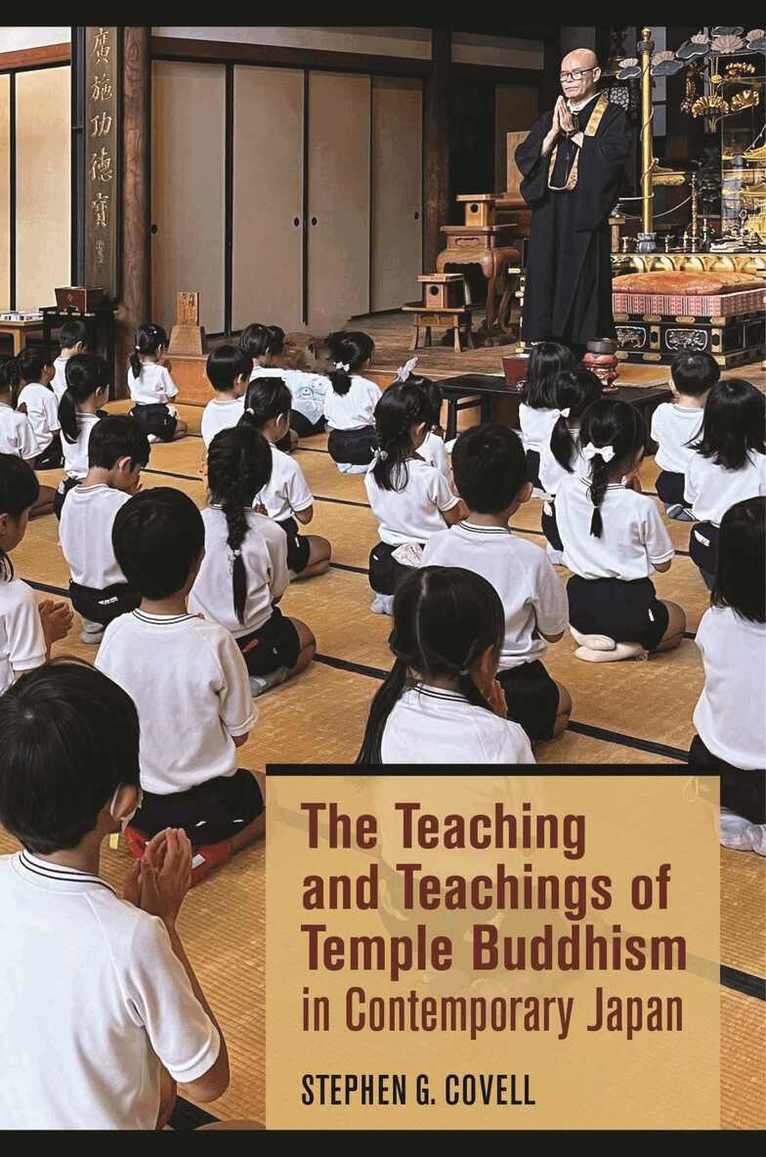
How have Buddhist teachings come to be in modern and contemporary Japan and how are they taught? This pioneering work seeks to answer these questions by highlighting the public teachings of Temple Buddhism institutions, in particular Temple Buddhism kindergartens and Buddhist secondary schools and colleges. The community outreach provided by these Buddhist facilities is far greater than any other with the possible exception of funerals yet until now it has received little attention from scholars of Japanese religion. After determining what is taught in Buddhist education and how, Stephen Covell introduces readers to a select group of monks who undergo some of the most grueling practices in Japanese Temple Buddhism to determine if the public-facing teachings of Buddhist education are unique or similar to those of elite Buddhist practitioners. The teachings and sites of teaching examined here include but are not limited to classical doctrinal studies and temples focused on the education of Buddhist clergy. Covell uncovers the arguments made by priests involved in morals education, the dharma talks of famous ascetics, and the ways in which laws and legal codes have changed Buddhist education. He looks at what is taught on the ground, online, and in popular texts to discuss the current teachings embraced as Buddhism within the institutions of Temple Buddhism. Among his numerous findings is such teachings and worldview are remarkably similar to those of New Religions and Buddhist lay movements as outlined by Japan religion scholars and government bodies in charge of education.The Teaching and Teachings of Temple Buddhism in Contemporary Japan will be welcomed by students and scholars in Japanese religious studies and early childhood and higher education as well as those interested in current Buddhist practice and teachings in general.
798 kr
Skickas inom 7-10 vardagar
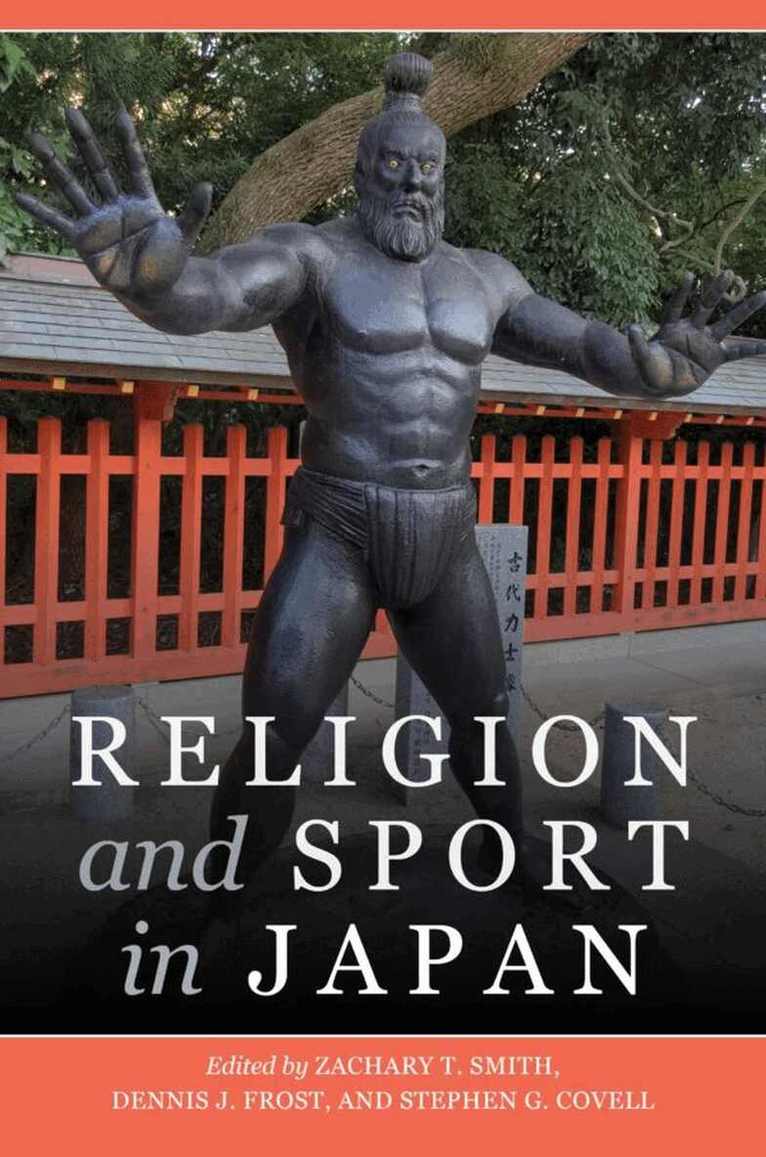
The sports world’s attention was focused on Japan for the Tokyo 2020 Summer Olympics and Paralympics. The years-long buildup to and aftermath of the games occurred in the midst of the global pandemic, which delayed the event until 2021. Given all of this, there is perhaps no better time to delve into an often overlooked but critical facet of sport in Japan—namely religion.Religion has long been a part of the Japanese sport tradition—from Shugendō practitioners offering sumo bouts to the gods to soccer players of all ages praying for success at Shintō shrines; from the use of meditation and ritual in martial arts to gain focus or superhuman abilities to religious organizations sponsoring sporting events and teams and school sports clubs. Religion and Sport in Japan brings together historians and sport and religious studies specialists from Japan, the US, and Europe to address sport’s ties to corporate and national identity, politics, environmentalism, ritual, and sacred space. Major themes discussed include the spiritual geographies of sport, sport as invented tradition, technologies of self, material culture, and civil religion. The chapters are written so that sport historians with no background in the study of Japan or religious studies scholars who have never before examined the world of sport will find the material accessible. To provide further grounding for non-field specialists, the volume begins with two background chapters that introduce sport studies in Japan and the study of religion and sport.
310 kr
Skickas inom 7-10 vardagar
How have Buddhist teachings come to be in modern and contemporary Japan and how are they taught? This pioneering work seeks to answer these questions by highlighting the public teachings of Temple Buddhism institutions, in particular Temple Buddhism kindergartens and Buddhist secondary schools and colleges. The community outreach provided by these Buddhist facilities is far greater than any other with the possible exception of funerals yet until now it has received little attention from scholars of Japanese religion. After determining what is taught in Buddhist education and how, Stephen Covell introduces readers to a select group of monks who undergo some of the most grueling practices in Japanese Temple Buddhism to determine if the public-facing teachings of Buddhist education are unique or similar to those of elite Buddhist practitioners. The teachings and sites of teaching examined here include but are not limited to classical doctrinal studies and temples focused on the education of Buddhist clergy. Covell uncovers the arguments made by priests involved in morals education, the dharma talks of famous ascetics, and the ways in which laws and legal codes have changed Buddhist education. He looks at what is taught on the ground, online, and in popular texts to discuss the current teachings embraced as Buddhism within the institutions of Temple Buddhism. Among his numerous findings is such teachings and worldview are remarkably similar to those of New Religions and Buddhist lay movements as outlined by Japan religion scholars and government bodies in charge of education. The Teaching and Teachings of Temple Buddhism in Contemporary Japan will be welcomed by students and scholars in Japanese religious studies and early childhood and higher education as well as those interested in current Buddhist practice and teachings in general.
2 113 kr
Skickas inom 10-15 vardagar
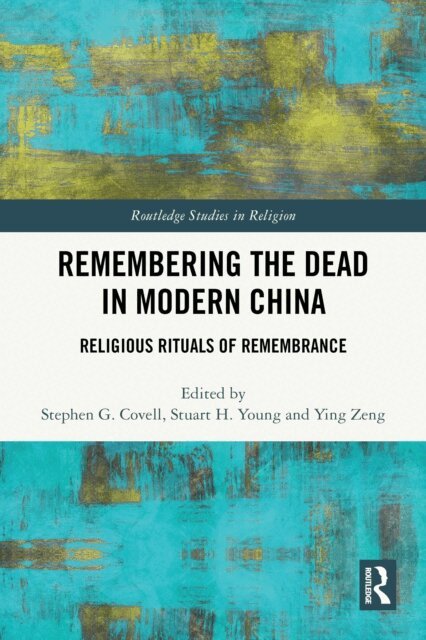
Remembering the Dead in Modern China is a groundbreaking interdisciplinary volume that brings together diverse scholarly perspectives to examine the complex and evolving practices of death, dying, and remembrance in modern China. Studying the ideals and practices of caring for the dead is essential to understanding social and cultural change in modern China. The chapters in this volume elucidate the many ways in which remembrance of the dead challenges established norms.The contributors show how acts of remembrance provide opportunities to find meaning in the untimely loss of loved ones; to challenge cultural conventions by generating significance from absence in burial rituals; to refashion mourning rites in response to modern political demands; and to forge bonds between urban and rural mortuary communities. The chapters trace transformations in how the dead are remembered across a broad social spectrum, from the Imperial Court to factory workers in Maoist China to contemporary Christian converts. Taken together, they offer valuable insight into how political, economic, and religious changes have influenced people’s interactions with the dead and how those interactions, in turn, reshape the political, economic, and religious landscape.Featuring original research and thoughtful analysis, this volume makes a significant contribution to death studies, Chinese studies, religious studies, history of religion, anthropology, and sociology. This book will appeal to scholars and students interested in the intersection of tradition and modernity in Chinese cultural practices surrounding mortality.