Stephen Haliczer – författare
Visar alla böcker från författaren Stephen Haliczer. Handla med fri frakt och snabb leverans.
8 produkter
8 produkter
E-bok
Engelska, 2002425 kr
Läs direkt efter köp
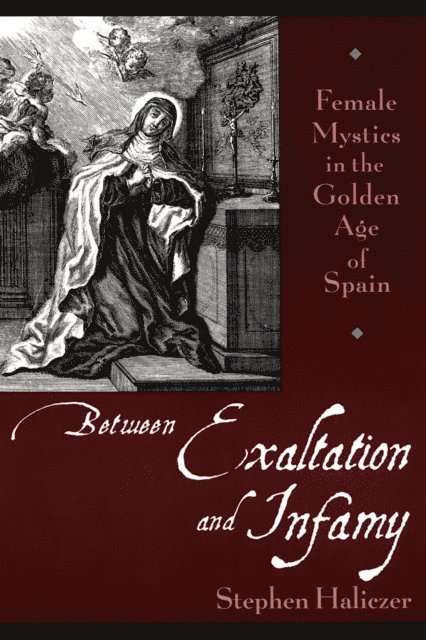
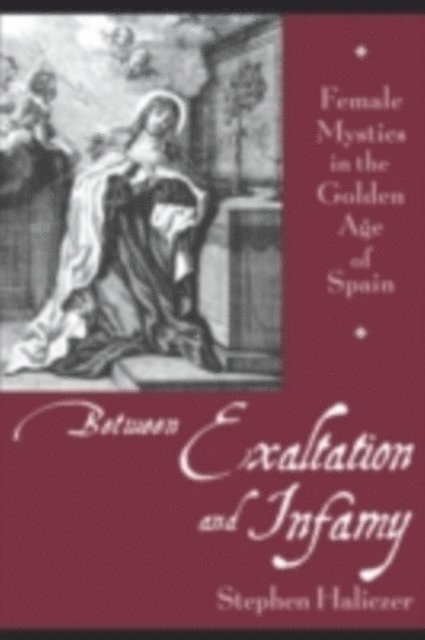
One day in 1599, in the Spanish village of Saria, seven-year-old Maria Angela Astorch fell ill and died after gorging herself on unripened almonds. Maria''s sister Isabel, a nun, came to view the body with her mother superior, an ecstatic mystic and visionary named Maria Angela Serafina. Overcome by the sight of the dead girl''s innocent face, Serafina began to pray fervently for the return of the child''s soul to her body. Entering a trance, she had a vision in which the Virgin Mary gave her a sign. At once little Maria Angela started to show signs of life. A moment later she scrambled to the ground and was soon restored to perfect health. During the Counter-Reformation, the Church was confronted by an extraordinary upsurge of feminine religious enthusiasm like that of Serafina. Inspired by new translations of the lives of the saints, devout women all over Catholic Europe sought to imitate these "athletes of Christ" through extremes of self-abnegation, physical mortification, and devotion. As in the Middle Ages, such women''s piety often took the form of ecstatic visions, revelations, voices and stigmata. Stephen Haliczer offers a comprehensive portrait of women''s mysticism in Golden Age Spain, where this enthusiasm was nearly a mass movement. The Church''s response, he shows, was welcoming but wary, and the Inquisition took on the task of winnowing out frauds and imposters. Haliczer draws on fifteen cases brought by the Inquisition against women accused of "feigned sanctity," and on more than two dozen biographies and autobiographies. The key to acceptance, he finds, lay in the orthodoxy of the woman''s visions and revelations. He concludes that mysticism offered women a way to transcend, though not to disrupt, the control of the male-dominated Church.
Inbunden, Engelska, 1996
2 224 kr
Skickas inom 5-8 vardagar
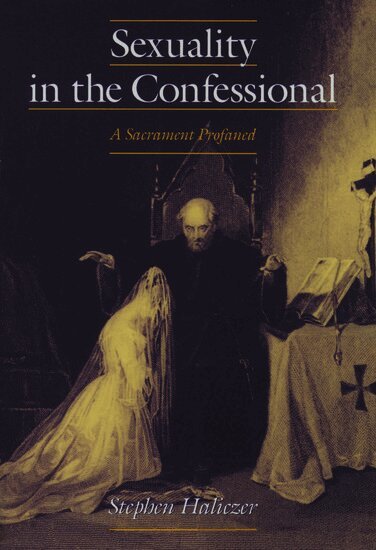
Haliczer's timely work uses a wealth of actual cases to document the eroticizing of the confessional between 1530 and 1819. Trial evidence left by the Spanish Inquisition vividly describes the sexual misconduct of priests and the reactions of the Church. What Haliczer shows is that the Counter-Reformation Church, eager to re-assert its morality and control, actually helped foster sexual solicitation in the confessional.
Häftad, Engelska, 2002
480 kr
Skickas inom 5-8 vardagar
The Counter-Reformation saw an upsurge of feminine religious enthusiasm without parallel since medieval times. Inspired by new translations of the lives of the saints, devout women all over Catholic Europe sought to imitate these "athletes of Christ" through extremes of self-abnegation, physical mortification and devotion. Just as in the Middle Ages, women's piety expressed itself especially in mystical experiences manifested in such phenomena as visions, revelations, voices, stigmata and ecstasies. This book offers a comprehensive look at this Golden Age of women's mysticism as it flourished in 16th- and 17th-century Spain, where it almost took on the character of a mass movement. For his study Haliczer draws on 15 cases brought by the Inquisition against women accused of "feigned sanctity" and on 30 biographies and autobiographies of women mystics. By examining their lives, Haliczer seeks to understand the forces that caused these individuals to choose a life of self-abnegation and ecstatic worship. Overall, he shows how mysticism provided women with a way to transcend, rather than to disrupt, the control of the male-dominated Church.
E-bok
PDF, Engelska, 19961 872 kr
Läs direkt efter köp
In Sexuality in the Confessional: A Sacrament Profaned, Stephen Haliczer places the current debate on sex, celibacy, and the Catholic Church in a historical context by drawing upon a wealth of actual case studies and trial evidence to document how, from 1530 to 1819, sexual transgression attended the heightened significance of the Sacrament of Penance.Attempting to reassert its moral and social control over the faithful, the Counter-Reformation Church underscored the importance of communion and confession. Priests were asked to be both exemplars of celibacy and "doctors of souls," and the Spanish Inquisition was there to punish transgressors.Haliczer relates the stories of these priests as well as their penitents, using the evidence left by Inquisition trials to vividly depict sexual misconduct, during and after confession, and the punishments wayward priests were forced to undergo. In the process, he sheds new light on the Church of the period, the repressed lives of priests, and the lives of their congregations; coming to a conclusion as startling as it is timely.Based on an exhaustive investigation of Inquisition cases involving soliciting confessors as well as numerous confessors'' manuals and other works, Sexuality in the Confessional makes a significant contribution to the history of sexuality, women''s history, and the sociology of religion.
E-bok
PDF, Engelska, 2002425 kr
Läs direkt efter köp
One day in 1599, in the Spanish village of Saria, seven-year-old Maria Angela Astorch fell ill and died after gorging herself on unripened almonds. Maria''s sister Isabel, a nun, came to view the body with her mother superior, an ecstatic mystic and visionary named Maria Angela Serafina. Overcome by the sight of the dead girl''s innocent face, Serafina began to pray fervently for the return of the child''s soul to her body. Entering a trance, she had a vision in which the Virgin Mary gave her a sign. At once little Maria Angela started to show signs of life. A moment later she scrambled to the ground and was soon restored to perfect health. During the Counter-Reformation, the Church was confronted by an extraordinary upsurge of feminine religious enthusiasm like that of Serafina. Inspired by new translations of the lives of the saints, devout women all over Catholic Europe sought to imitate these "athletes of Christ" through extremes of self-abnegation, physical mortification, and devotion. As in the Middle Ages, such women''s piety often took the form of ecstatic visions, revelations, voices and stigmata. Stephen Haliczer offers a comprehensive portrait of women''s mysticism in Golden Age Spain, where this enthusiasm was nearly a mass movement. The Church''s response, he shows, was welcoming but wary, and the Inquisition took on the task of winnowing out frauds and imposters. Haliczer draws on fifteen cases brought by the Inquisition against women accused of "feigned sanctity," and on more than two dozen biographies and autobiographies. The key to acceptance, he finds, lay in the orthodoxy of the woman''s visions and revelations. He concludes that mysticism offered women a way to transcend, though not to disrupt, the control of the male-dominated Church.
Häftad, Engelska, 2018
423 kr
Skickas inom 5-8 vardagar
Stephen Haliczer has mined rich documentary sources to produce the most comprehensive and enlightening picture yet of the Inquisition in Spain. The kingdom of Valencia occupies a uniquely important place in the history of the Spanish Inquisition because of its large Muslim and Jewish populations and because it was a Catalan kingdom, more or less "occupied" by the despised Castilians who introduced the Inquisition. Haliczer underscores the intensely regional nature of the Valencian tribunal. He shows how the prosecution of religious deviants, the recruitment and professional activity of Inquisitors and officials, and the relations between the Inquisition and the majority Old Christian population all clearly reflect the place and the society. A great series of pogroms swept over Spain during the summer of 1391. Jewish communities were attacked and the Jews either massacred or forced to convert. More than ninety percent of the victims of the Valencian Inquisition a century later were descendants of those who chose conversion, the conversos. Haliczer argues convincingly against those who see all the conversos as "secret Jews." He finds, on the contrary, that a wide range of religious beliefs and practices existed among them and that some were even able to assimilate into Old Christian society by becoming familiares of the Inquisition itself. Nevertheless, it was controversy over the sincerity of the converted which spawned the first proposals for the establishment of a Spanish national Inquisition. That very same controversy, persisting in the writings of history, may be resolved by Haliczer's stimulating discoveries. Inquisition and Society in the Kingdom of Valencia is a major contribution to the lively field of Inquisition studies, combining institutional history of the tribunal with socioreligious history of the kingdom. The many case histories included in the narrative give both Valencian society and the Inquisition very human faces.This title is part of UC Press's Voices Revived program, which commemorates University of California Press’s mission to seek out and cultivate the brightest minds and give them voice, reach, and impact. Drawing on a backlist dating to 1893, Voices Revived makes high-quality, peer-reviewed scholarship accessible once again using print-on-demand technology. This title was originally published in 1990.
E-bok
PDF, Engelska, 2024406 kr
Läs direkt efter köp
Stephen Haliczer has mined rich documentary sources to produce the most comprehensive and enlightening picture yet of the Inquisition in Spain. The kingdom of Valencia occupies a uniquely important place in the history of the Spanish Inquisition because of its large Muslim and Jewish populations and because it was a Catalan kingdom, more or less "occupied" by the despised Castilians who introduced the Inquisition. Haliczer underscores the intensely regional nature of the Valencian tribunal. He shows how the prosecution of religious deviants, the recruitment and professional activity of Inquisitors and officials, and the relations between the Inquisition and the majority Old Christian population all clearly reflect the place and the society. A great series of pogroms swept over Spain during the summer of 1391. Jewish communities were attacked and the Jews either massacred or forced to convert. More than ninety percent of the victims of the Valencian Inquisition a century later were descendants of those who chose conversion, the conversos. Haliczer argues convincingly against those who see all the conversos as "secret Jews." He finds, on the contrary, that a wide range of religious beliefs and practices existed among them and that some were even able to assimilate into Old Christian society by becoming familiares of the Inquisition itself. Nevertheless, it was controversy over the sincerity of the converted which spawned the first proposals for the establishment of a Spanish national Inquisition. That very same controversy, persisting in the writings of history, may be resolved by Haliczer's stimulating discoveries. Inquisition and Society in the Kingdom of Valencia is a major contribution to the lively field of Inquisition studies, combining institutional history of the tribunal with socioreligious history of the kingdom. The many case histories included in the narrative give both Valencian society and the Inquisition very human faces.This title is part of UC Press's Voices Revived program, which commemorates University of California Press’s mission to seek out and cultivate the brightest minds and give them voice, reach, and impact. Drawing on a backlist dating to 1893, Voices Revived makes high-quality, peer-reviewed scholarship accessible once again using print-on-demand technology. This title was originally published in 1990.
Inbunden, Engelska, 2024
1 501 kr
Skickas inom 3-6 vardagar
Stephen Haliczer has mined rich documentary sources to produce the most comprehensive and enlightening picture yet of the Inquisition in Spain. The kingdom of Valencia occupies a uniquely important place in the history of the Spanish Inquisition because of its large Muslim and Jewish populations and because it was a Catalan kingdom, more or less "occupied" by the despised Castilians who introduced the Inquisition. Haliczer underscores the intensely regional nature of the Valencian tribunal. He shows how the prosecution of religious deviants, the recruitment and professional activity of Inquisitors and officials, and the relations between the Inquisition and the majority Old Christian population all clearly reflect the place and the society. A great series of pogroms swept over Spain during the summer of 1391. Jewish communities were attacked and the Jews either massacred or forced to convert. More than ninety percent of the victims of the Valencian Inquisition a century later were descendants of those who chose conversion, the conversos. Haliczer argues convincingly against those who see all the conversos as "secret Jews." He finds, on the contrary, that a wide range of religious beliefs and practices existed among them and that some were even able to assimilate into Old Christian society by becoming familiares of the Inquisition itself. Nevertheless, it was controversy over the sincerity of the converted which spawned the first proposals for the establishment of a Spanish national Inquisition. That very same controversy, persisting in the writings of history, may be resolved by Haliczer's stimulating discoveries. Inquisition and Society in the Kingdom of Valencia is a major contribution to the lively field of Inquisition studies, combining institutional history of the tribunal with socioreligious history of the kingdom. The many case histories included in the narrative give both Valencian society and the Inquisition very human faces.This title is part of UC Press's Voices Revived program, which commemorates University of California Press’s mission to seek out and cultivate the brightest minds and give them voice, reach, and impact. Drawing on a backlist dating to 1893, Voices Revived makes high-quality, peer-reviewed scholarship accessible once again using print-on-demand technology. This title was originally published in 1990.