Stephen Hodkinson – författare
Visar alla böcker från författaren Stephen Hodkinson. Handla med fri frakt och snabb leverans.
23 produkter
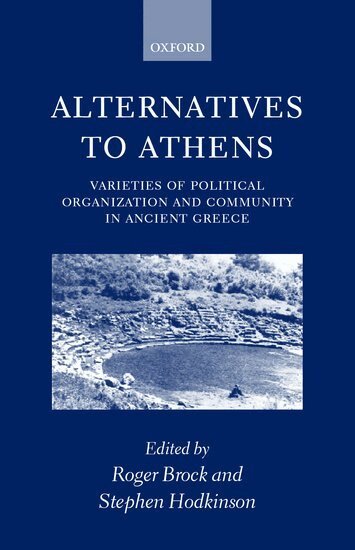
Alternatives to Athens
Varieties of Political Organization and Community in Ancient Greece
Av Roger Brock, Stephen Hodkinson
Inbunden, 2000
3272 kr
Lägg i varukorg
In 1993 the world celebrated the 2500th anniversary of the birth of democracy in ancient Athens, whose polis - or citizen state - is often viewed as the model ancient Greek state. In an age when democracy has apparently triumphed following the collapse of communism in Eastern Europe, we tend to …
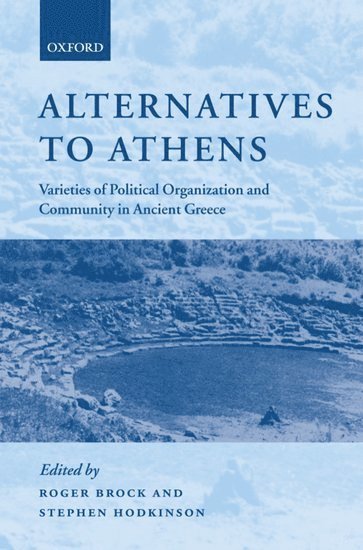
Alternatives to Athens
Varieties of Political Organization and Community in Ancient Greece
Av Roger Brock, Stephen Hodkinson
Häftad, 2002
1109 kr
Lägg i varukorg
In 1993 the world celebrated the 2500th anniversary of the birth of democracy in ancient Athens, whose polis - or citizen state - is often viewed as the model ancient Greek state. In an age when democracy has apparently triumphed following the collapse of communism in Eastern Europe, we tend to …
Shadow of Sparta
Av Stephen Hodkinson, Anton Powell
Inbunden, 1994
2591 kr
Lägg i varukorg
In the past twenty years the study of Sparta has come of age. Images prevalent earlier in the 20th century, of Spartans as hearty good fellows or scarlet-cloaked automata, have been superseded by more complex scholarly reactions. As interest has grown in the self-images projected by this most …
Shadow of Sparta
Av Stephen Hodkinson, Anton Powell
Häftad, 2012
848 kr
Lägg i varukorg
In the past twenty years the study of Sparta has come of age. Images prevalent earlier in the 20th century, of Spartans as hearty good fellows or scarlet-cloaked automata, have been superseded by more complex scholarly reactions. As interest has grown in the self-images projected by this most …
Shadow of Sparta
Av Anton Powell, Stephen Hodkinson
E-bok, 2002
999 kr
Lägg i varukorg
In the past twenty years the study of Sparta has come of age. Images prevalent earlier in the 20th century, of Spartans as hearty good fellows or scarlet-cloaked automata, have been superseded by more complex scholarly reactions. As interest has grown in the self-images projected by this most …
Shadow of Sparta
Av Anton Powell, Stephen Hodkinson
E-bok, 2002
977 kr
Lägg i varukorg
In the past twenty years the study of Sparta has come of age. Images prevalent earlier in the 20th century, of Spartans as hearty good fellows or scarlet-cloaked automata, have been superseded by more complex scholarly reactions. As interest has grown in the self-images projected by this most …
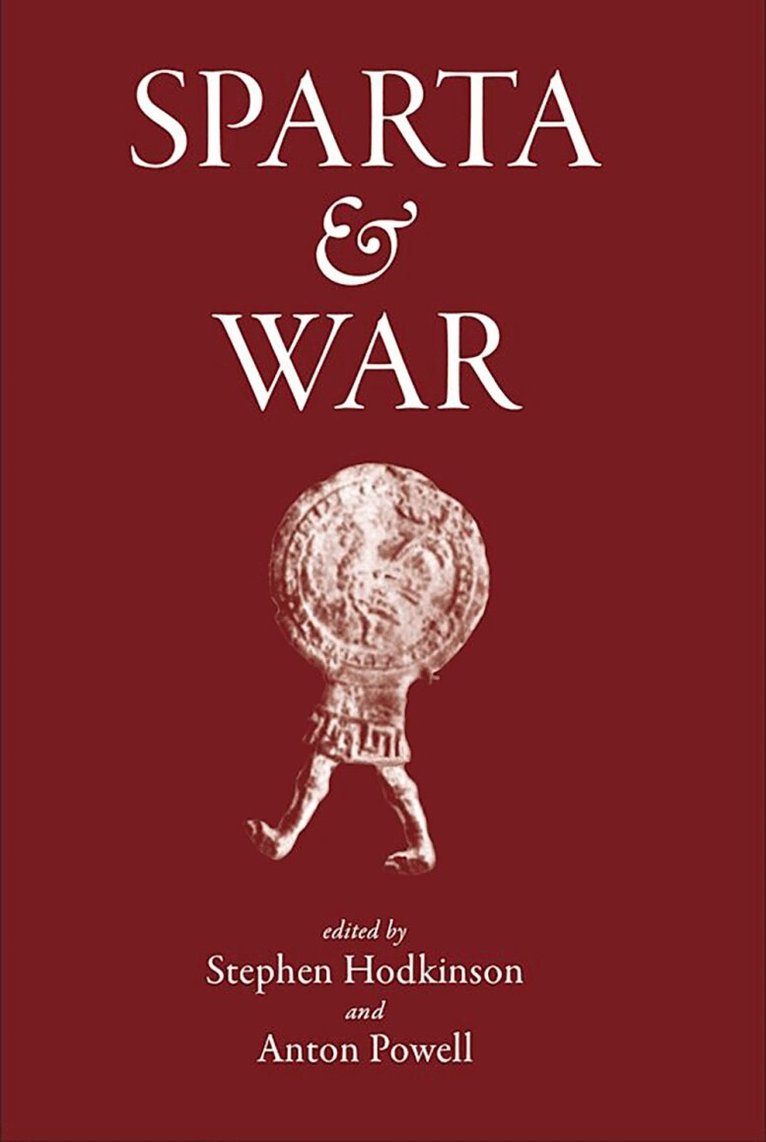
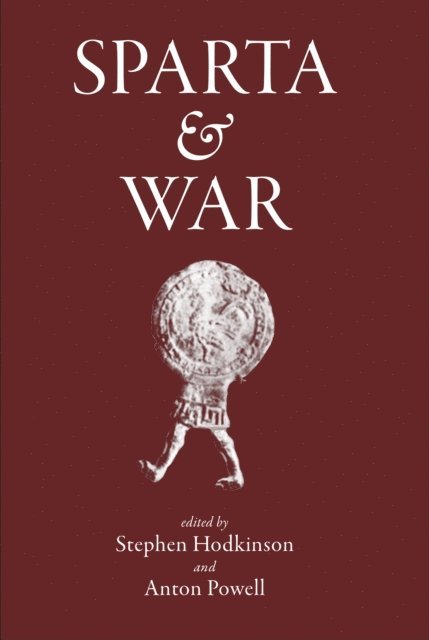
Sparta and War
Av Stephen Hodkinson, Anton Powell
Inbunden, 2006
904 kr
Lägg i varukorg
Ten new essays from a distinguished international cast treat Sparta's most famous area of activity. The results are challenging. Among the contributors, Thomas Figueira explores the paradox that Sparta's cavalry was an undistinguished institution. Jean Ducat conducts the most thorough study to date …
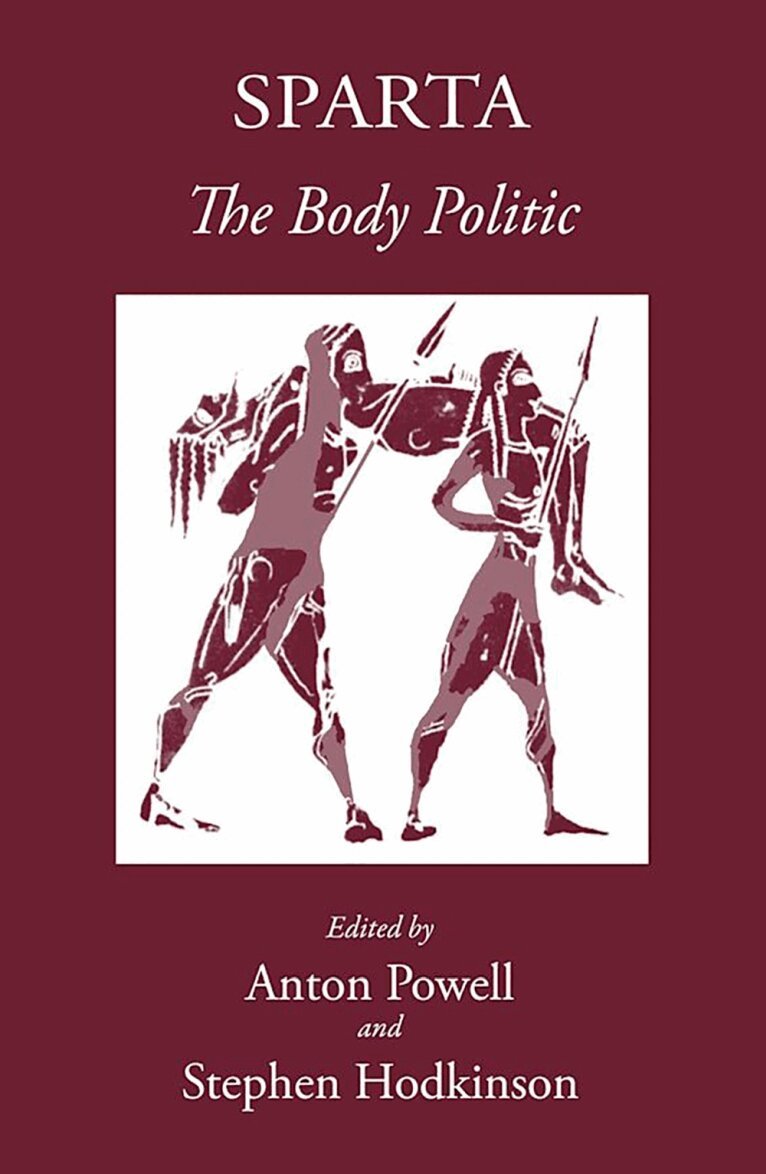
Sparta
The Body Bolitic
Av Stephen Hodkinson, Anton Powell m. fl.
Inbunden, 2009
947 kr
Lägg i varukorg
This is the 7th volume from the International Sparta Seminar, in the series begun in 1989 by Anton Powell with Stephen Hodkinson. The volume is both thematic and eclectic. Ephraim David and Yoann Le Tallec treat respectively the politics of nudity at Sparta and the role of athletes in forming the …
Property and Wealth in Classical Sparta
Häftad, 2000
586 kr
Lägg i varukorg
The standard image of Sparta is of an egalitarian, military society which disdained material possessions. Yet property and wealth played a critical role in her history. Classical Sparta's success rested upon a compromise between rich and poor citizens. Economic differences were masked by a uniform …
Sparta
New Perspectives
Av Stephen Hodkinson, Anton Powell m. fl.
Häftad, 2009
514 kr
Lägg i varukorg
The history of Sparta is increasingly seen as important, not only for its own sake but also for understanding Athenian literature and the political history of numerous Greek states. Traditional approaches to Sparta are now being supplemented by contributions from archaeology and the social …
Sparta in Modern Thought
Politics, History and Culture
Av Stephen Hodkinson, Ian MacGregor Morris
Inbunden, 2010
991 kr
Lägg i varukorg
Images of ancient Sparta have had a major impact on Western thought. From the Renaissance to the French Revolution she was invoked by radical thinkers as a model for the creation of a republican political and social order. Since the 19th century she has typically been viewed as the opposite of …
Sparta in Modern Thought
Politics, History and Culture
Av Ian Macgregor Morris, Stephen Hodkinson
E-bok, 2012
1548 kr
Lägg i varukorg
Images of ancient Sparta have had a major impact on Western thought. From the Renaissance to the French Revolution she was invoked by radical thinkers as a model for the creation of a republican political and social order. Since the 19th century she has typically been viewed as the opposite of …
Sparta
New Perspectives
Av Anton Powell, Stephen Hodkinson
E-bok, 2009
575 kr
Lägg i varukorg
The history of Sparta is increasingly seen as important, not only for its own sake but also for understanding Athenian literature and the political history of numerous Greek states. Traditional approaches to Sparta are now being supplemented by contributions from archaeology and the social …
Sparta
Comparative Approaches
E-bok, 2009
1595 kr
Lägg i varukorg
Both in antiquity and in modern scholarship, classical Sparta has typically been viewed as an exceptional society, different in many respects from other Greek city-states. This view has recently come under challenge from revisionist historians, led by Stephen Hodkinson. This is the first book …
Property and Wealth in Classical Sparta
E-bok, 2009
588 kr
Lägg i varukorg
The standard image of Sparta is of an egalitarian, military society which disdained material possessions. Yet property and wealth played a critical role in her history. Classical Sparta''s success rested upon a compromise between rich and poor citizens. Economic differences were masked by a uniform …
Sparta
The Body Politic
Av Anton Powell, Stephen Hodkinson
E-bok, 2008
1427 kr
Lägg i varukorg
This is the 7th volume from the International Sparta Seminar, in the series begun in 1989 by Anton Powell with Stephen Hodkinson. The volume is both thematic and eclectic. Ephraim David and Yoann Le Tallec treat respectively the politics of nudity at Sparta and the role of athletes in forming the …
Sparta and War
Av Anton Powell, Stephen Hodkinson
E-bok, 2006
1396 kr
Lägg i varukorg
Ten new essays from a distinguished international cast treat Sparta''s most famous area of activity. The results are challenging. Among the contributors, Thomas Figueira explores the paradox that Sparta''s cavalry was an undistinguished institution. Jean Ducat conducts the most thorough study to …
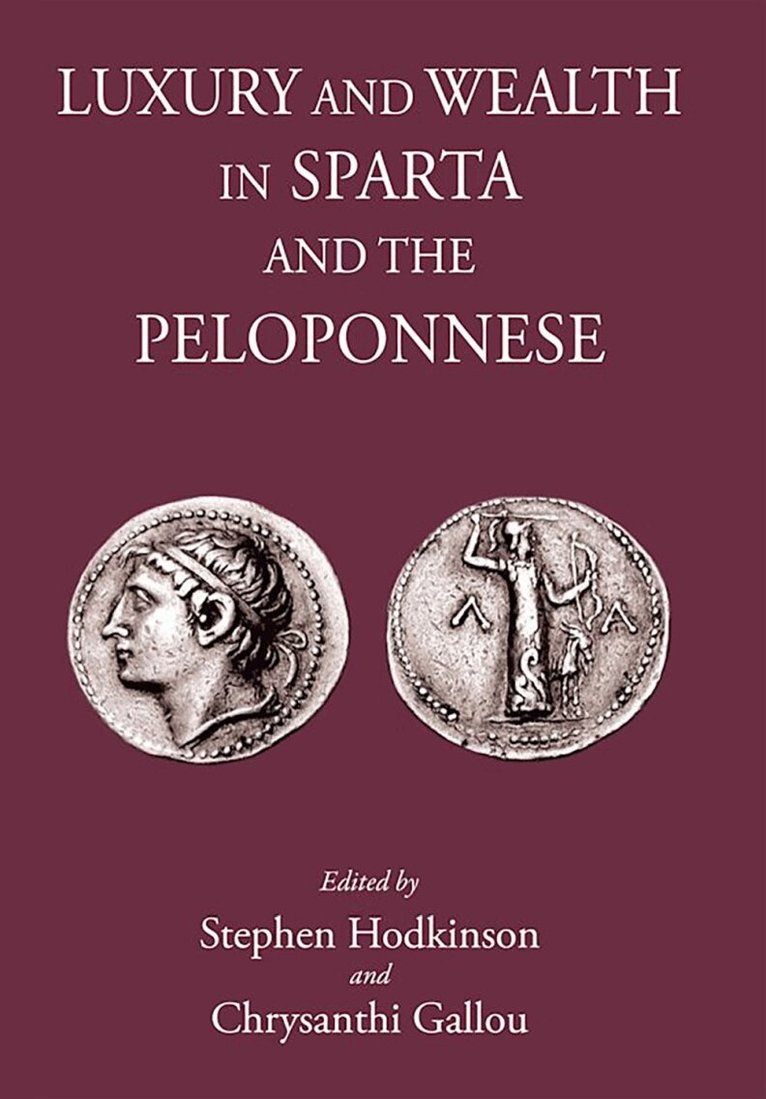
Luxury & Wealth in Sparta and the Peloponnese
Av Stephen Hodkinson, Chrysanthi Gallou
Inbunden, 2022
1164 kr
Lägg i varukorg
A Spartan lifestyle proverbially describes austerity; ancient Greek luxury was associated with Ionia and the oriental world. The contributions to this book, first presented at a conference held by the University of Nottingham's Centre for Spartan and Peloponnesian Studies, reverse the stereotype …
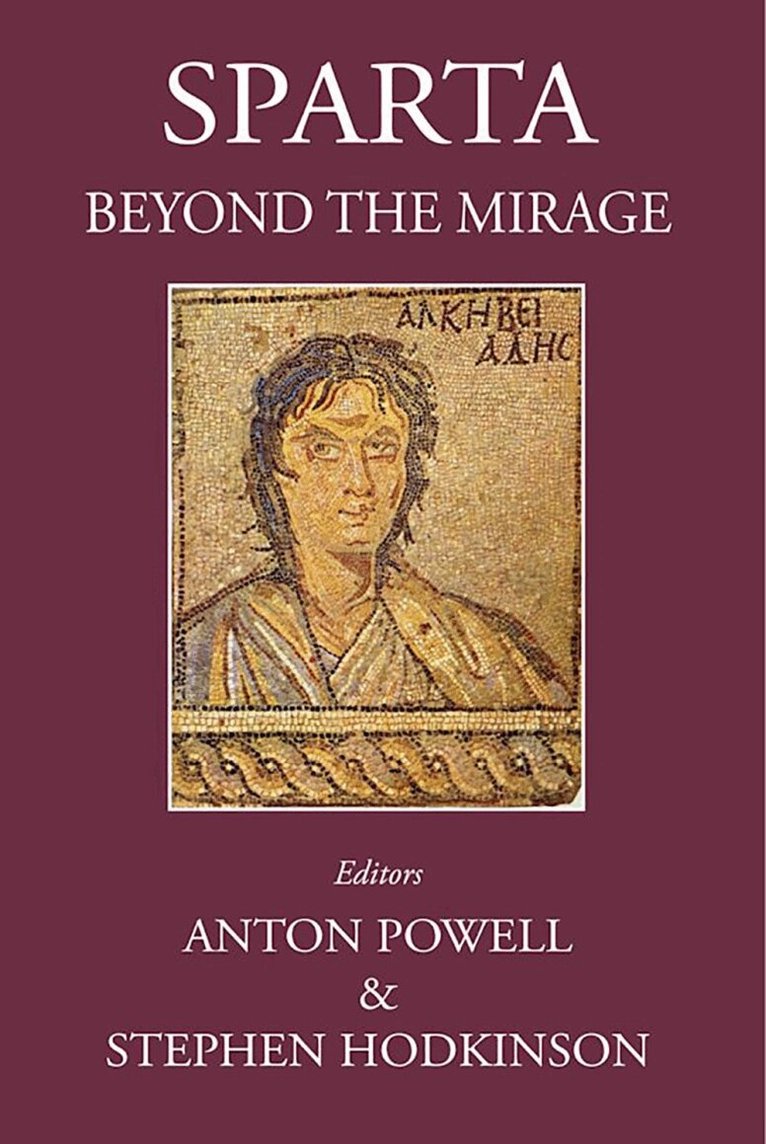
Sparta
Beyond the Mirage
Av Anton Powell, Stephen Hodkinson
Häftad, 2023
514 kr
Lägg i varukorg
The study of the Spartans is now pursued more widely and intensively than ever. Indeed, no longer is Sparta the 'second city' of ancient Greece. This volume, the fourth in the established series on which Powell and Hodkinson have collaborated, breaks fresh ground, not least in the range of its …
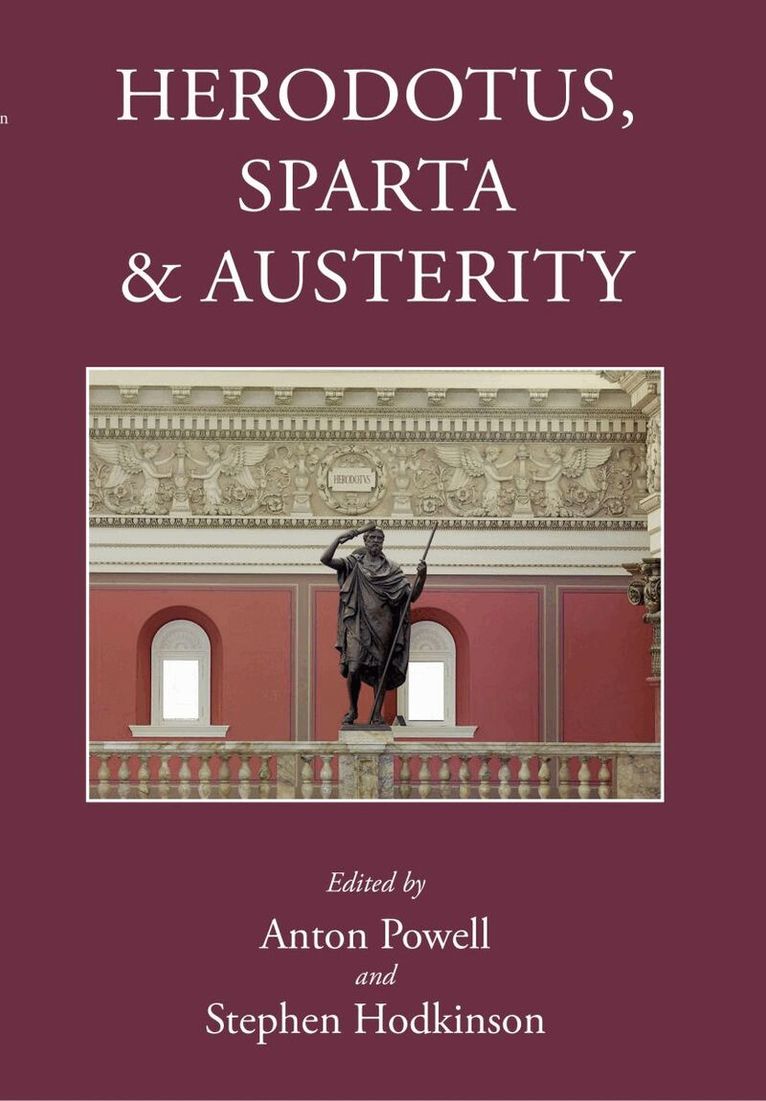
HERODOTUS, SPARTA and AUSTERITY
Av Anton Powell, Stephen Hodkinson
Inbunden, 2025
1164 kr
Lägg i varukorg
Herodotus' 'History’, is our earliest historical source for Sparta. His work focuses on the later sixth and early fifth centuries BC, the period before and during the Persian Wars. His account is often thought to be relatively unsullied by the distorting effects of the ‘Spartan mirage’, which …
Archaeology and Sparta, Vol. 2
Territory, Material Culture and Exchange
Av Thomas Clements, Matthieu Guintrand m. fl.
Häftad, 2026
1237 kr
Kommande
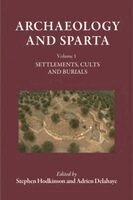
Archaeology and Sparta, Vol. 1
Settlements, Cults and Burials
Av Paul Christesen, Chara Giannakaki m. fl.
Häftad, 2026
1237 kr
Kommande
Thucydides famously commented that if Sparta were to become deserted, its modest surviving material remains would give a very inadequate impression of the city’s power. In comparison with other major Greek cities, study of Spartan archaeology was for a long time relatively neglected. Over the last …
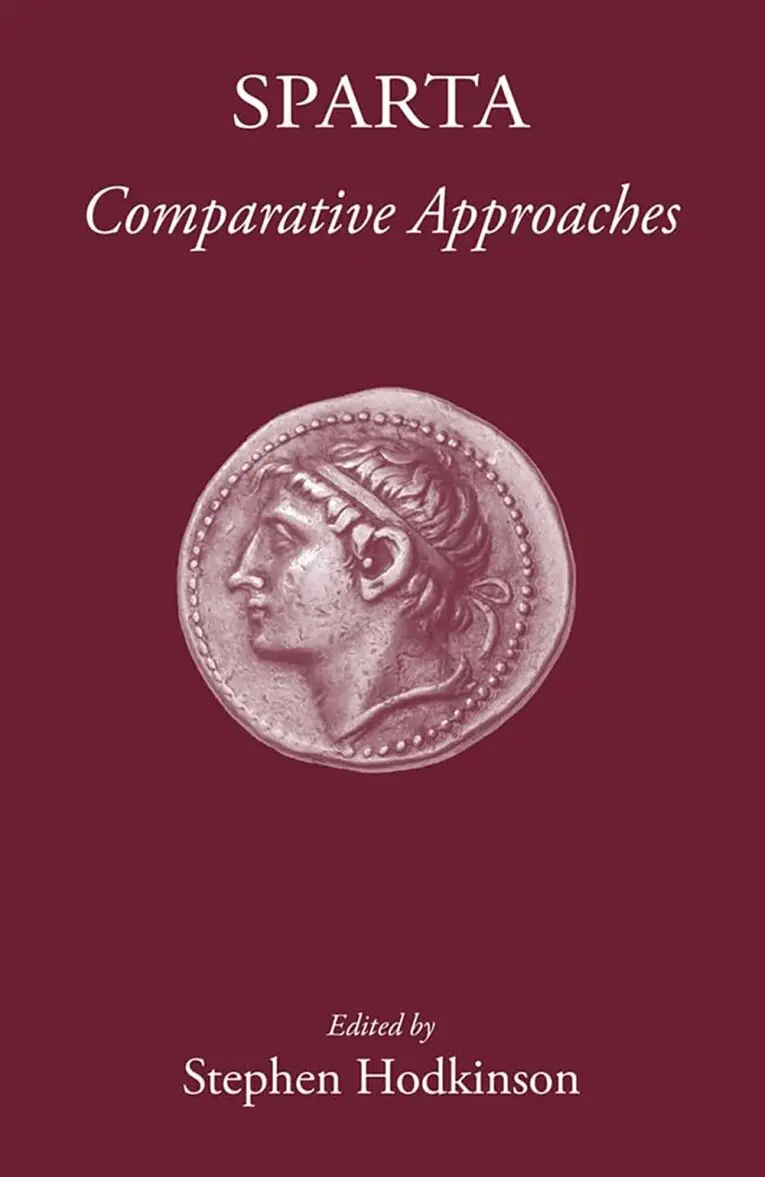
Sparta: Comparative Approaches
Inbunden, 2010
991 kr
Tillfälligt slut
Both in antiquity and in modern scholarship, classical Sparta has typically been viewed as an exceptional society, different in many respects from other Greek city-states. This view has recently come under challenge from revisionist historians, led by Stephen Hodkinson. This is the first book …