Stephen L. Harp – författare
Visar alla böcker från författaren Stephen L. Harp. Handla med fri frakt och snabb leverans.
9 produkter
Learning to Be Loyal
Primary Schooling As Nation Building in Alsace and Lorraine, 1850–1940
Inbunden, 1998
560 kr
Lägg i varukorg
How do nations inculcate loyalty? In Learning to Be Loyal, Harp explorers the role of primary education as the means by which both France and Germany used the teaching of national language, culture, geography, and history to transform ordinary people's local and religious identities into national …
World History of Rubber
Empire, Industry, and the Everyday
Häftad, 2015
323 kr
Lägg i varukorg
A World History of Rubber helps readers understand and gain new insights into the social and cultural contexts of global production and consumption, from the nineteenth century to today, through the fascinating story of one commodity. Divides the coverage into themes of race, migration, and labor; …
World History of Rubber
Empire, Industry, and the Everyday
Inbunden, 2015
914 kr
Lägg i varukorg
A World History of Rubber helps readers understand and gain new insights into the social and cultural contexts of global production and consumption, from the nineteenth century to today, through the fascinating story of one commodity. Divides the coverage into themes of race, migration, and labor; …
World History of Rubber
Empire, Industry, and the Everyday
E-bok, 2015
369 kr
Lägg i varukorg
A World History of Rubber helps readers understand and gain new insights into the social and cultural contexts of global production and consumption, from the nineteenth century to today, through the fascinating story of one commodity. Divides the coverage into themes of race, migration, and labor; …
World History of Rubber
Empire, Industry, and the Everyday
E-bok, 2015
369 kr
Lägg i varukorg
A World History of Rubber helps readers understand and gain new insights into the social and cultural contexts of global production and consumption, from the nineteenth century to today, through the fascinating story of one commodity. Divides the coverage into themes of race, migration, and labor; …
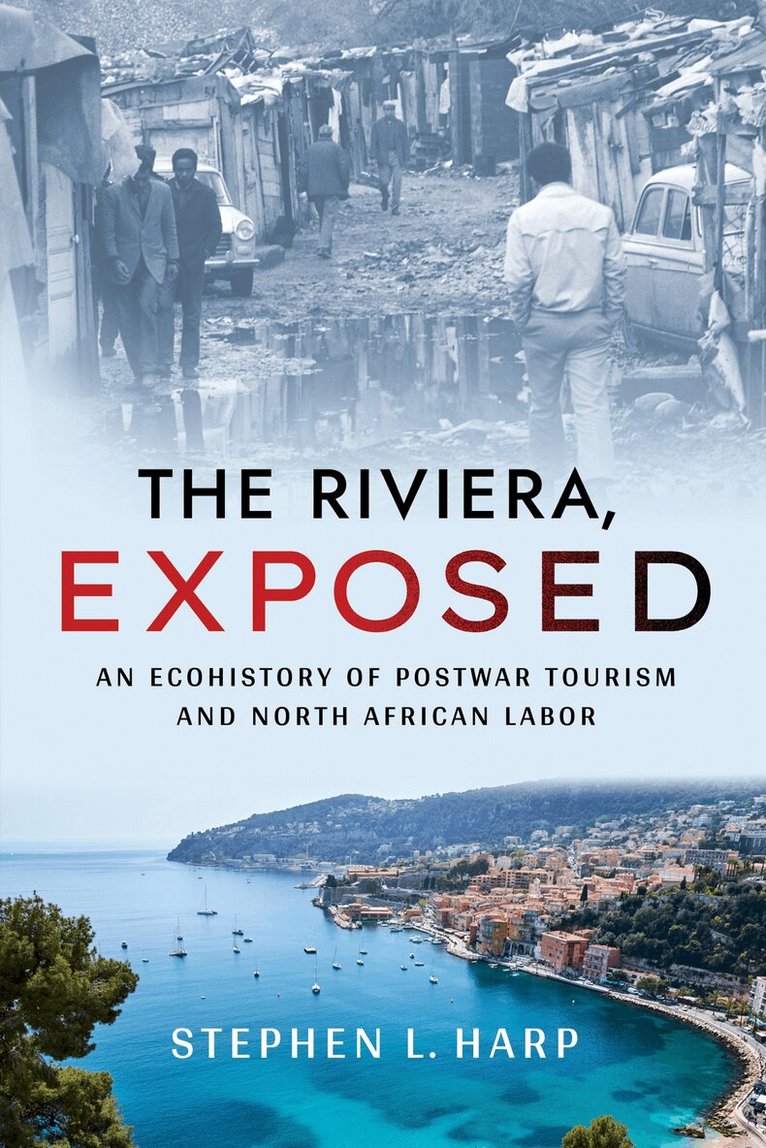
Riviera, Exposed
An Ecohistory of Postwar Tourism and North African Labor
Inbunden, 2022
1694 kr
Lägg i varukorg
A sweeping social and environmental history, The Riviera, Exposed illuminates the profound changes to the physical space that we know as the quintessential European tourist destination. Stephen L. Harp uncovers the behind-the-scenes impact of tourism following World War II, both on the environment …
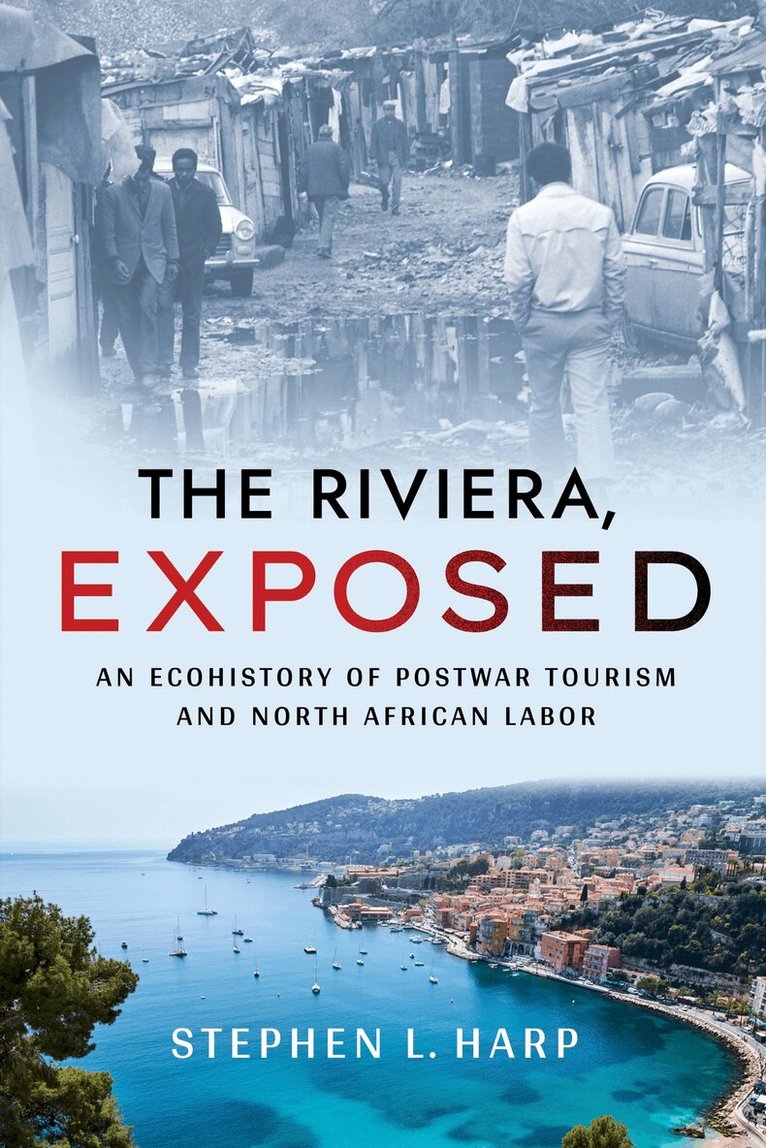
Riviera, Exposed
An Ecohistory of Postwar Tourism and North African Labor
Häftad, 2023
371 kr
Lägg i varukorg
A sweeping social and environmental history, The Riviera, Exposed illuminates the profound changes to the physical space that we know as the quintessential European tourist destination. Stephen L. Harp uncovers the behind-the-scenes impact of tourism following World War II, both on the environment …
Marketing Michelin
Advertising and Cultural Identity in Twentieth-Century France
Inbunden, 2002
564 kr
Tillfälligt slut
One of the world's largest tire makers and an international corporation with interests in countries around the world, Michelin is also a uniquely French company, one that throughout its history has closely identified itself with the country's people and culture. In the process, it has helped shape …
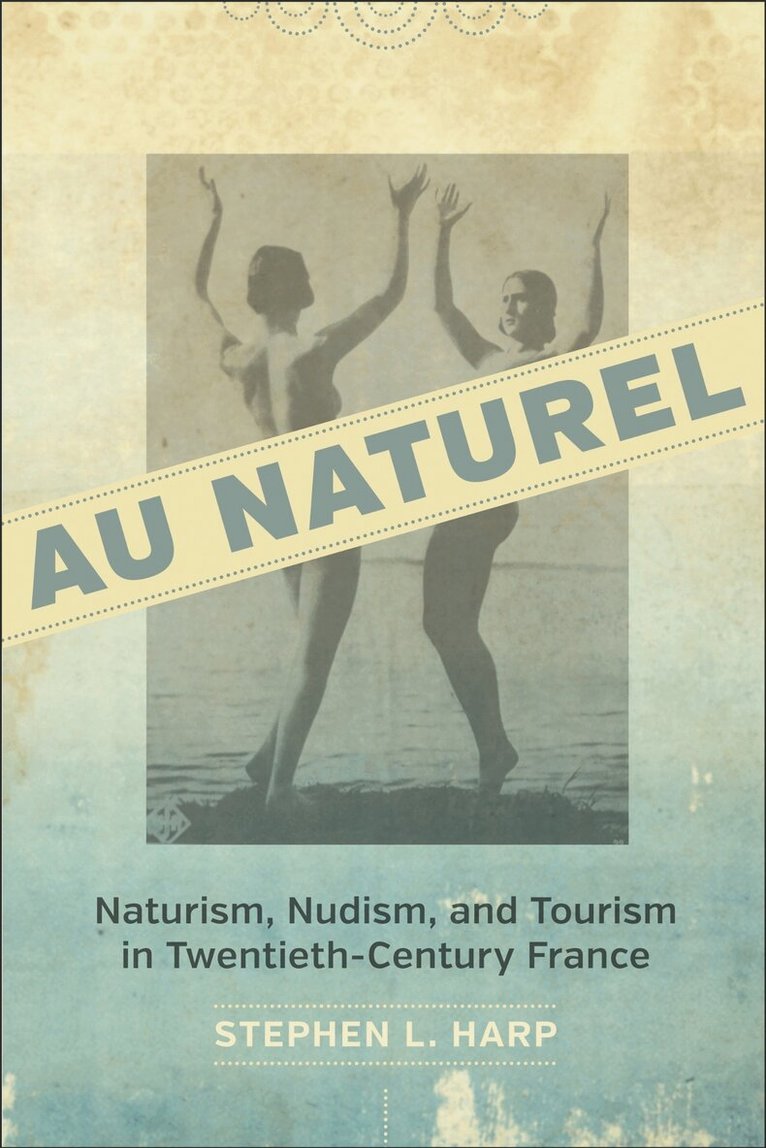
Au Naturel
Naturism, Nudism, and Tourism in Twentieth-Century France
Inbunden, 2014
601 kr
Tillfälligt slut
Each year in France approximately 1.5 million people practice naturisme or ""naturism,"" an activity more commonly referred to as ""nudism."" Because of France's unique tolerance for public nudity, the country also hosts hundreds of thousands of nudists from other European nations, an influx that …