Stephen P. Heyneman - Böcker
Visar alla böcker från författaren Stephen P. Heyneman. Handla med fri frakt och snabb leverans.
4 produkter
4 produkter
1 249 kr
Skickas inom 3-6 vardagar
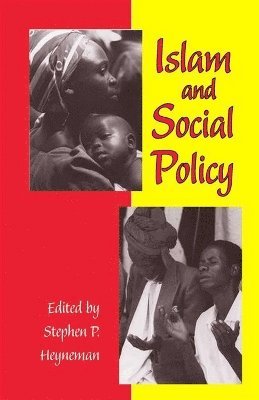
At a time when more nuanced understandings of Muslim countries and their legal and social practices are urgently needed in the West, the appearance of this collection is especially welcome. In these illuminating and accessible essays, the contributors explain how Islam sees itself in terms of social policy, how it treats women, and how it encourages charity, education, and general social welfare. The essays encompass many regional cultures and draw on court records and legal debates, field work on government ministries, and an extensive reading of Islamic law. In his overview of waqf (similar to the Western idea of a foundation, in which an endowment is set aside in perpetuity for specified purposes), Ahmad Dallal explains how charity, a central organizing principle in Islam, is itself organized and how waqf, traditionally a source of revenue for charitable purposes, can also become a source of tension and conflict. Donna Lee Bowen, in her essay on the position of women in Islamic law, points out the crucial differences between the Islamic principles of family equity and the Western notion of individual equality. In a subsequent essay, Bowen addresses the problems surrounding family planning and the dilemmas that have arisen within the Muslim world over differing ideas about birth control. The two final essays look at specific instances of how the modern state has treated Islamic social policy. Gall Richardson examines zakat, an Islamic tax used to assist the poor, and its administration in Pakistan. Carol Underwood, meanwhile, explores public health policy in Iran, both before and after the Islamic revolution that deposed the Shah. Addressing some of the most profound misunderstandings between Islamic and Western societies, Islam And Social Policy will be of vital interest not only to scholars and policymakers but to anyone concerned with Islam's critical place in the modern world. Stephen P. Heyneman is a professor of international education policy at Vanderbilt University. From 1976 to 1998, he helped design and implement education policies for the World Bank. He is the editor or author of a number of reports on international education, economic and social policy.
572 kr
Skickas inom 5-8 vardagar
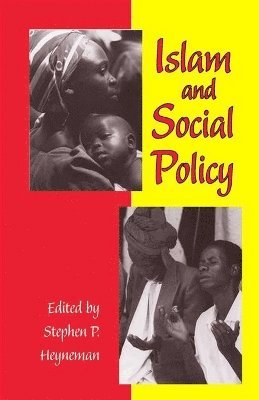
At a time when more nuanced understandings of Muslim countries and their legal and social practices are urgently needed in the West, the appearance of this collection is especially welcome. In these illuminating and accessible essays, the contributors explain how Islam sees itself in terms of social policy, how it treats women, and how it encourages charity, education, and general social welfare. The essays encompass many regional cultures and draw on court records and legal debates, field work on government ministries, and an extensive reading of Islamic law. In his overview of waqf (similar to the Western idea of a foundation, in which an endowment is set aside in perpetuity for specified purposes), Ahmad Dallal explains how charity, a central organizing principle in Islam, is itself organized and how waqf, traditionally a source of revenue for charitable purposes, can also become a source of tension and conflict. Donna Lee Bowen, in her essay on the position of women in Islamic law, points out the crucial differences between the Islamic principles of family equity and the Western notion of individual equality. In a subsequent essay, Bowen addresses the problems surrounding family planning and the dilemmas that have arisen within the Muslim world over differing ideas about birth control. The two final essays look at specific instances of how the modern state has treated Islamic social policy. Gall Richardson examines zakat, an Islamic tax used to assist the poor, and its administration in Pakistan. Carol Underwood, meanwhile, explores public health policy in Iran, both before and after the Islamic revolution that deposed the Shah. Addressing some of the most profound misunderstandings between Islamic and Western societies, Islam And Social Policy will be of vital interest not only to scholars and policymakers but to anyone concerned with Islam's critical place in the modern world. Stephen P. Heyneman is a professor of international education policy at Vanderbilt University. From 1976 to 1998, he helped design and implement education policies for the World Bank. He is the editor or author of a number of reports on international education, economic and social policy.
861 kr
Skickas inom 5-8 vardagar
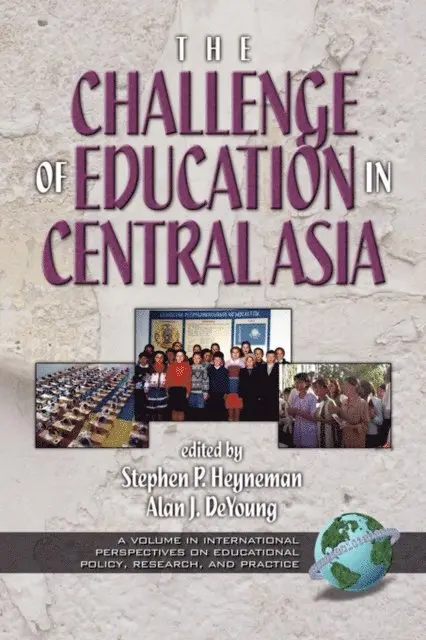
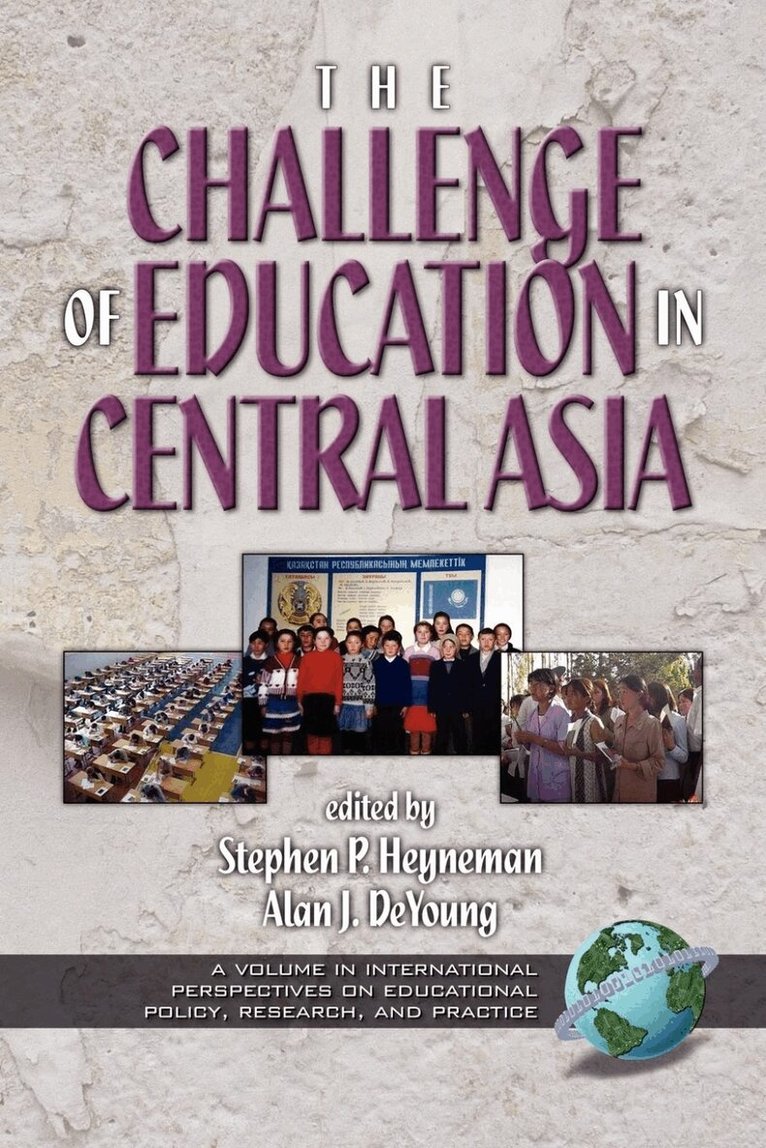
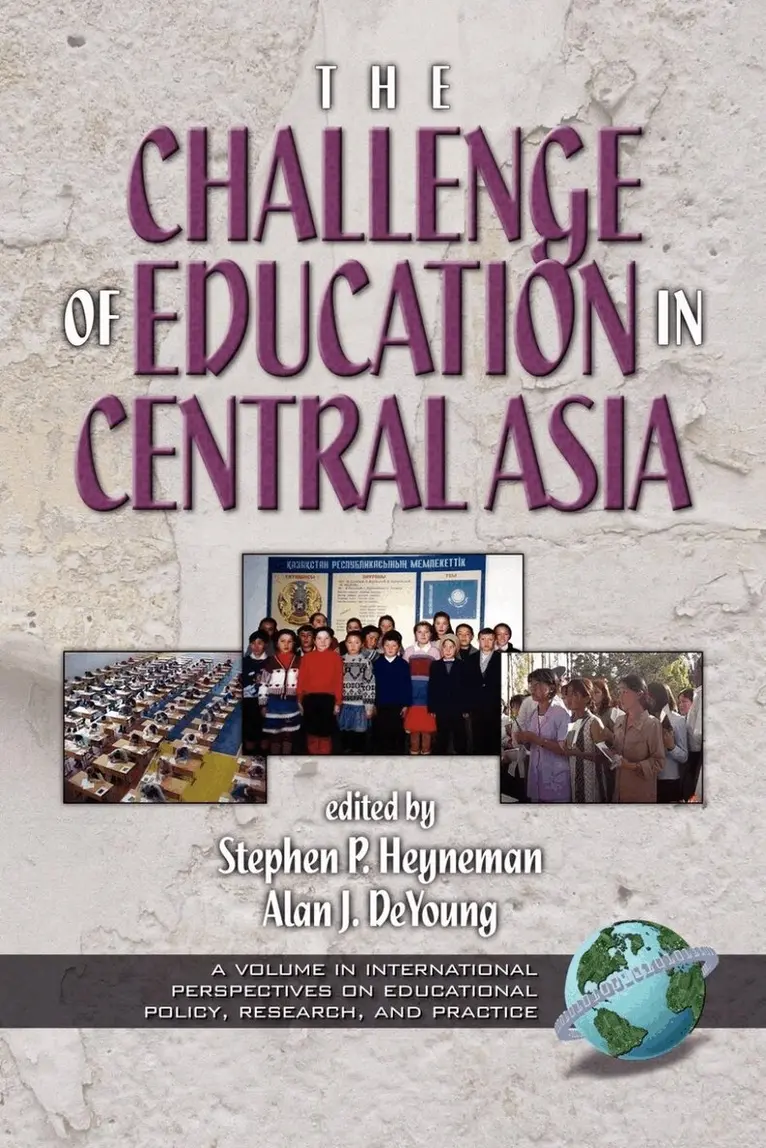
A look at the challenges facing education in Central Asia. In many ways, the story of education since the beginning of the transition in Central Asia is integrated with similar processes in other parts of the former Soviet Union. It may not explain everything, but understanding the challenges throughout the 15 former republics is helpful in understanding the progress and setback in the Central Asian Republics. Most importantly, the Central Asia republics have demonstrated their independence in the adherence of Western-recommendations; they have articulated their demand for respect on their own terms, and not just as the recipient of strategies developed elsewhere. One would hope that this sense of independence and of autonomy of spirit would continue, but that it would not interfere; with the universal principles that pertain to all modern societies: those of equality of opportunity, and the necessity for achieving consensus over what to teach about history that is fair to all citizens.
1 454 kr
Skickas inom 5-8 vardagar
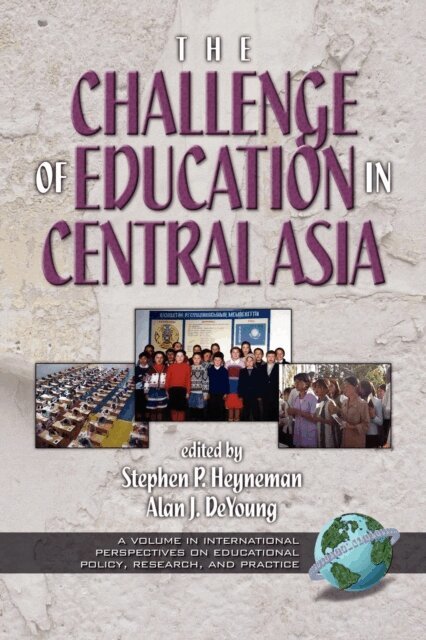
A look at the challenges facing education in Central Asia. In many ways, the story of education since the beginning of the transition in Central Asia is integrated with similar processes in other parts of the former Soviet Union. It may not explain everything, but understanding the challenges throughout the 15 former republics is helpful in understanding the progress and setback in the Central Asian Republics. Most importantly, the Central Asia republics have demonstrated their independence in the adherence of Western-recommendations; they have articulated their demand for respect on their own terms, and not just as the recipient of strategies developed elsewhere. One would hope that this sense of independence and of autonomy of spirit would continue, but that it would not interfere; with the universal principles that pertain to all modern societies: those of equality of opportunity, and the necessity for achieving consensus over what to teach about history that is fair to all citizens.