Stephen Schloesser – författare
Visar alla böcker från författaren Stephen Schloesser. Handla med fri frakt och snabb leverans.
4 produkter
Jazz Age Catholicism
Mystic Modernism in Postwar Paris, 1919-1933
Inbunden, 2005
1165 kr
Lägg i varukorg
Following the Great War’s devastation, innovative movements in France offered competing visions of a revitalized national body and a new world order. One of these was the postwar Catholic revival or renouveau catholique. Since the church had historically been the dominant religious force in France, …
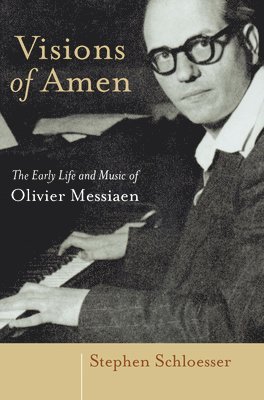
Visions of Amen
The Early Life and Music of Olivier Messiaen
Häftad, 2014
601 kr
Lägg i varukorg
Informed study of composer Olivier Messiaen in light of recent research French composer Olivier Messiaen (1908–1992) is probably best known for his Quartet for the End of Time , premiered in a German prisoner-of-war camp in 1941. However, Messiaen was a remarkably complex, intelligent person with a …
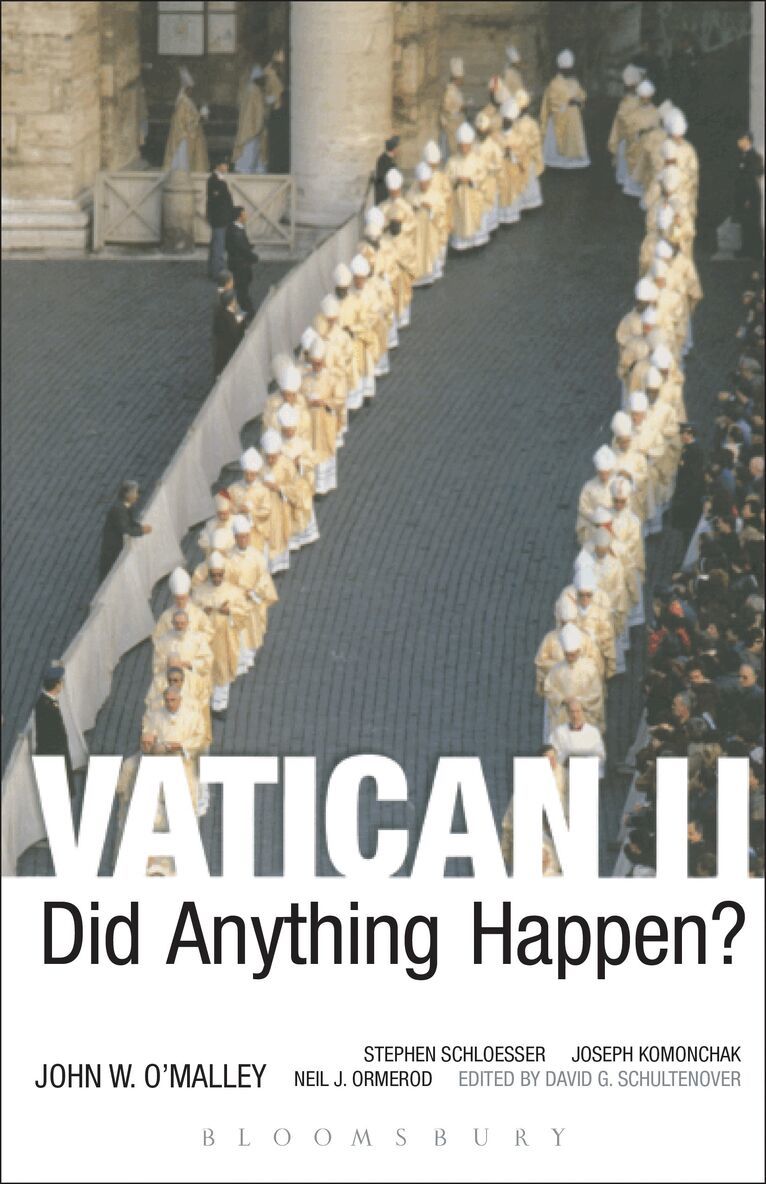
Vatican II
Did Anything Happen?
Av John W. O'Malley, Joseph Komonchak m. fl.
Häftad, 2008
359 kr
Lägg i varukorg
For 40 years a battle has been waged over Vatican II between conservatives and liberals, between those who want to go "back to the sources" and those who champion "the spirit of the council." Benedict XVI is clearly one of those who started out as a liberal only to end up in the conservative camp. …
Jazz Age Catholicism
Mystic Modernism in Postwar Paris, 1919-1933
E-bok, 2005
1548 kr
Lägg i varukorg
Following the Great War’s devastation, innovative movements in France offered competing visions of a revitalized national body and a new world order. One of these was the postwar Catholic revival or renouveau catholique. Since the church had historically been the dominant religious force in France, …