Stephen Spender – författare
Visar alla böcker från författaren Stephen Spender. Handla med fri frakt och snabb leverans.
16 produkter
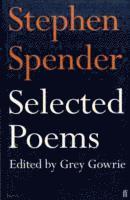
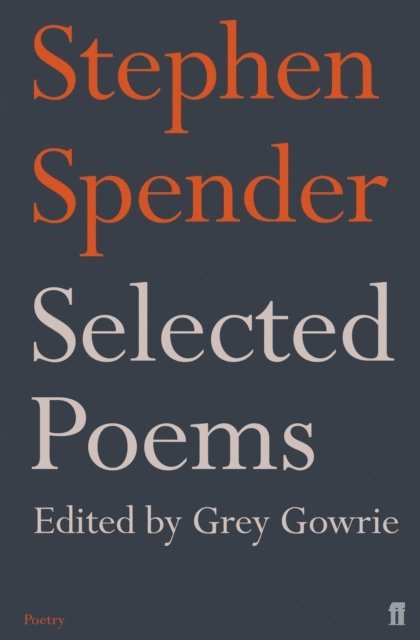
Selected Poems of Stephen Spender
Häftad, 2009
215 kr
Lägg i varukorg
Stephen Spender, the son of a journalist, was born in London in 1909. He was educated at University College, Oxford, where he met, among others, W. H. Auden, Christopher Isherwood and Louis MacNeice, with whom he was to develop a poetics of engagement, writing powerfully of the confusion and alarm …
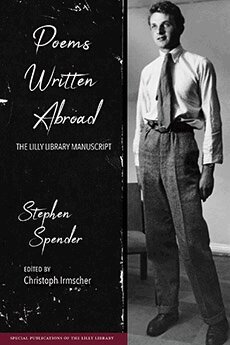
Poems Written Abroad
The Lilly Library Manuscript
Av Stephen Spender, Christoph Irmscher
Inbunden, 2019
298 kr
Lägg i varukorg
Poems Written Abroad is the first publication of the earliest collection of poetry by the famous poet, novelist, literary critic, translator, and radical, Sir Stephen Spender (1909-1995). Spender wrote and compiled this manuscript in 1927, when he was living in Nantes and Lausanne. In tone and …
Struggle of the Modern
Häftad, 1963
797 kr
Lägg i varukorg
Shelley said, in his Defence of Poetry, that poetry should be both centre and circumference of knowledge. In his new book, Spender takes Shelley's claim and relates it to modern literature. He points out that, ever since the Industrial Revolution, writers have been conscious of there being a …
Struggle of the Modern
E-bok, 1963
467 kr
Lägg i varukorg
Shelley said, in his Defence of Poetry, that poetry should be both centre and circumference of knowledge. In his new book, Spender takes Shelley's claim and relates it to modern literature. He points out that, ever since the Industrial Revolution, writers have been conscious of there being a …
Struggle of the Modern
Inbunden, 1963
1767 kr
Lägg i varukorg
Shelley said, in his Defence of Poetry, that poetry should be both centre and circumference of knowledge. In his new book, Spender takes Shelley's claim and relates it to modern literature. He points out that, ever since the Industrial Revolution, writers have been conscious of there being a …
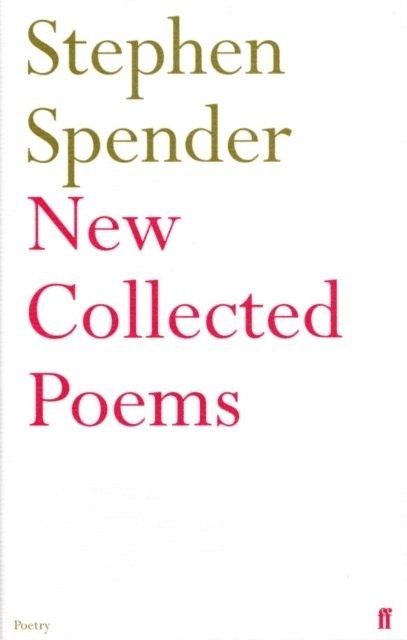
New Collected Poems of Stephen Spender
E-bok, 2015
401 kr
Lägg i varukorg
Stephen Spender, along with his friends W. H. Auden, Louis MacNeice and C. Day Lewis, rose to prominence in the 1930s, writing powerfully of the fear and paranoia of a continent heading towards war. By the time of his death in 1995 he had established a distinguished reputation as a poet, critic, …
Selected Poems of Stephen Spender
E-bok, 2015
213 kr
Lägg i varukorg
Stephen Spender, the son of a journalist, was born in London in 1909. He was educated at University College, Oxford, where he met, among others, W. H. Auden, Christopher Isherwood and Louis MacNeice, with whom he was to develop a poetics of engagement, writing powerfully of the confusion and alarm …
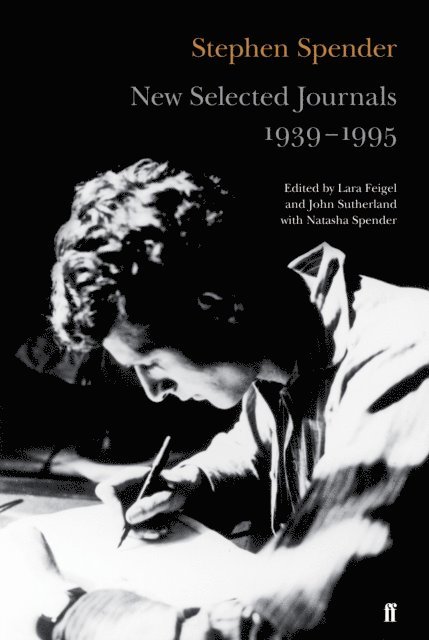
New Selected Journals, 1939-1995
Av Stephen Spender, John Sutherland m. fl.
E-bok, 2012
258 kr
Lägg i varukorg
Private faces in public placesAre wiser and nicerThan public faces in private places.W.H. Auden, dedication to Stephen Spender, 1932Stephen Spender wrote almost a million words of journal entries between his September Journal in 1939 and his death in 1995. In choosing from these voluminous journals …
New Collected Poems of Stephen Spender
Häftad, 2018
251 kr
Lägg i varukorg
Stephen Spender, along with his friends W. H. Auden, Louis MacNeice and C. Day Lewis, rose to prominence in the 1930s, writing powerfully of the fear and paranoia of a continent heading towards war. By the time of his death in 1995 he had established a distinguished reputation as a poet, critic, …
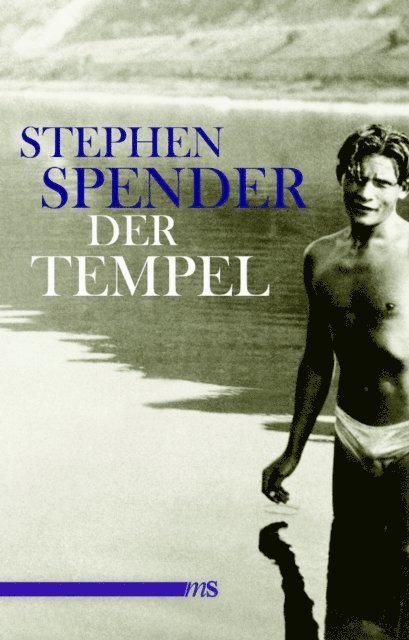
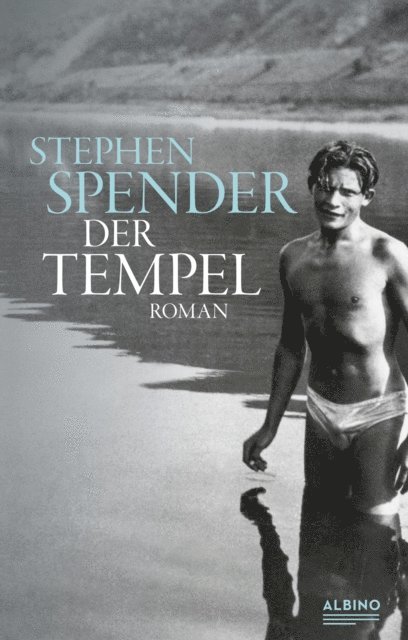
Der Tempel
E-bok, 2012
164 kr
Lägg i varukorg
Große Freiheit 1929Zehn Jahre nach dem Ende des 1. Weltkriegs betritt Paul Schoner Feindesland: in Hamburg besucht er Ernst Stockmann, den er in Oxford kennen gelernt. Die Brutalität des ersten Weltkriegs hatte die Menschen in vielerlei Hinsicht traumatisiert. Im prüden England ist jedermann …
Der Tempel
E-bok, 2022
189 kr
Lägg i varukorg
Ende der 1920er Jahre reist der prüde Engländer Paul Schoner nach Hamburg. Die lustvolle Bejahung des menschlichen Körpers, die er hier in Strandbädern und Nachtbars erlebt, ist für ihn eine Offenbarung. Er befreundet sich mit dem jungen Fotografen Joachim Lenz, der den Aufbruch der befreiten …
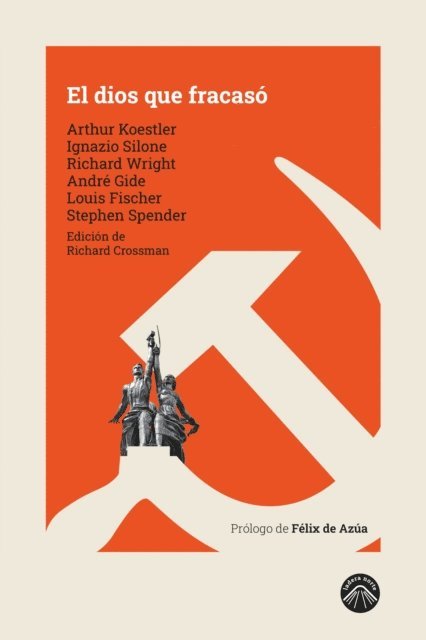
El dios que fracasó
Av Stephen Spender, Louis Fischer m. fl.
E-bok, 2023
121 kr
Lägg i varukorg
El dios que fracasó es una obra clásica, un documento esencial de la Guerra Fría, que reúne los testimonios de algunos de los escritores más importantes del siglo xx acerca de su fascinación por el comunismo y su posterior desilusión.El premio Nobel francés André Gide; el poeta y narrador …
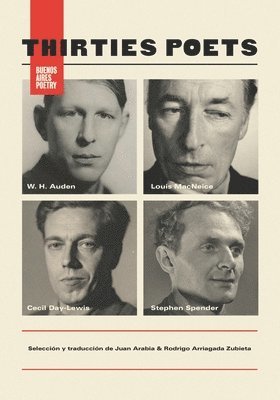
Thirties Poets
(Louis MacNeice, W. H. Auden, Cecil Day-Lewis, Stephen Spender)
Av W H Auden, C Day Lewis m. fl.
Häftad, 2022
225 kr
Lägg i varukorg