Stephen Tatum - Böcker
Visar alla böcker från författaren Stephen Tatum. Handla med fri frakt och snabb leverans.
6 produkter
6 produkter
606 kr
Skickas inom 7-10 vardagar
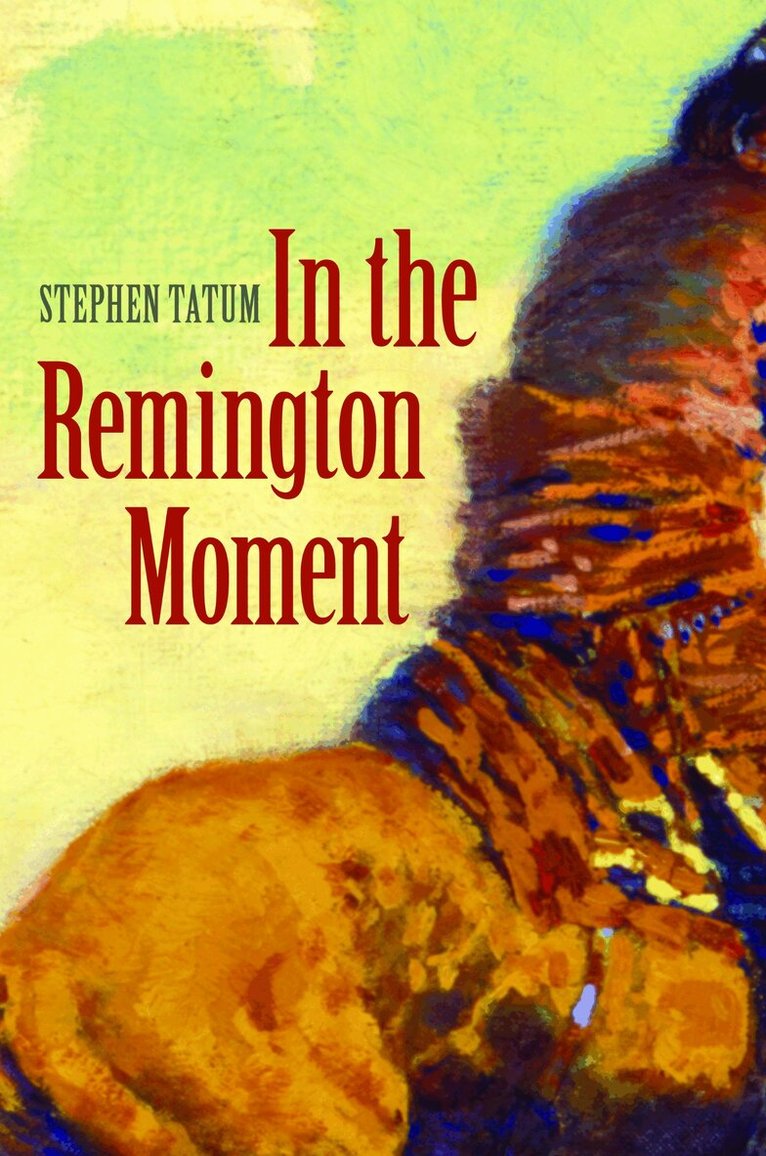
For most people, the work of Frederic Remington conjures an antiquarian world of all things "western." Why this is so, and whether it should be so, are two of the critical questions raised in this book. Stephen Tatum closely considers selected paintings from Remington's last four years of life—his so-called years of critical acclaim. Tatum's purpose is twofold: first, to understand these paintings, both formally and thematically, within their historical, aesthetic, and biographical contexts; and second, to account for what endows them today—after marking the centennial of Remington's death in 1909—with continuing aesthetic and cultural significance. To this end, Tatum examines these late paintings in relation to Remington's other works, his letters and published writings, his evolving critical reception, and the writing and artwork of other cultural figures of the era, such as historian Frederick Jackson Turner and sociologist Georg Simmel. The book provides an illuminating glimpse of how and why particular Remington works might seize a viewer's attention in his or her past or present moment of reception—how in fact their unstable visual complexity can ultimately absorb their viewer. In his "Coda," Tatum offers a personal memoir of his own encounter with Remington's The Love Call, a critical meditation enacting and questioning the "Remington Moment."
362 kr
Skickas inom 10-15 vardagar
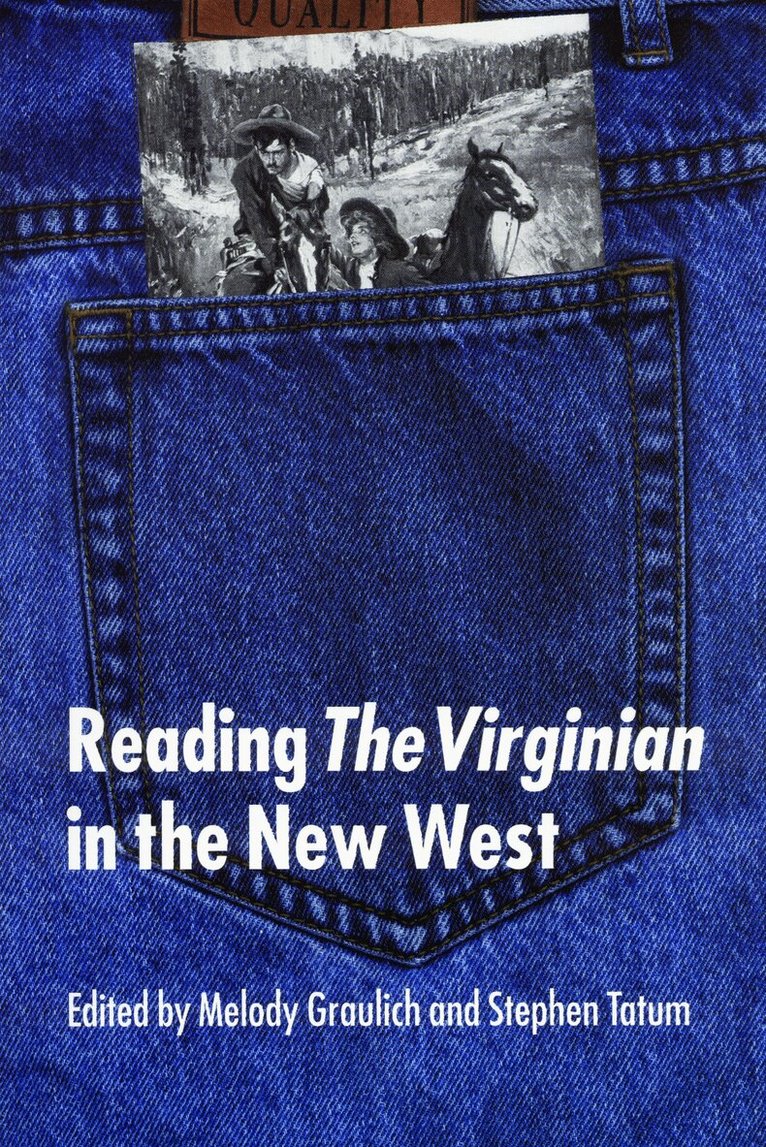
Although the origins of the western are as old as colonial westward expansion, it was Owen Wister's novel The Virginian, published in 1902, that established most of the now-familiar conventions of the genre. On the heels of the classic western's centennial, this collection of essays both re-examines the text of The Virginian and uses Wister's novel as a lens for studying what the next century of western writing and reading will bring. The contributors address Wister's life and travels, the novel's influence on and handling of gender and race issues, and its illustrations and various retellings on stage, film, and television as points of departure for speculations about the "new West"—as indeed Wister himself does at the end of the novel. The contributors reconsider the novel's textual complexity and investigate The Virginian's role in American literary and cultural history. Together their essays represent a new western literary studies, comparable to the new western history.
650 kr
Skickas inom 10-15 vardagar
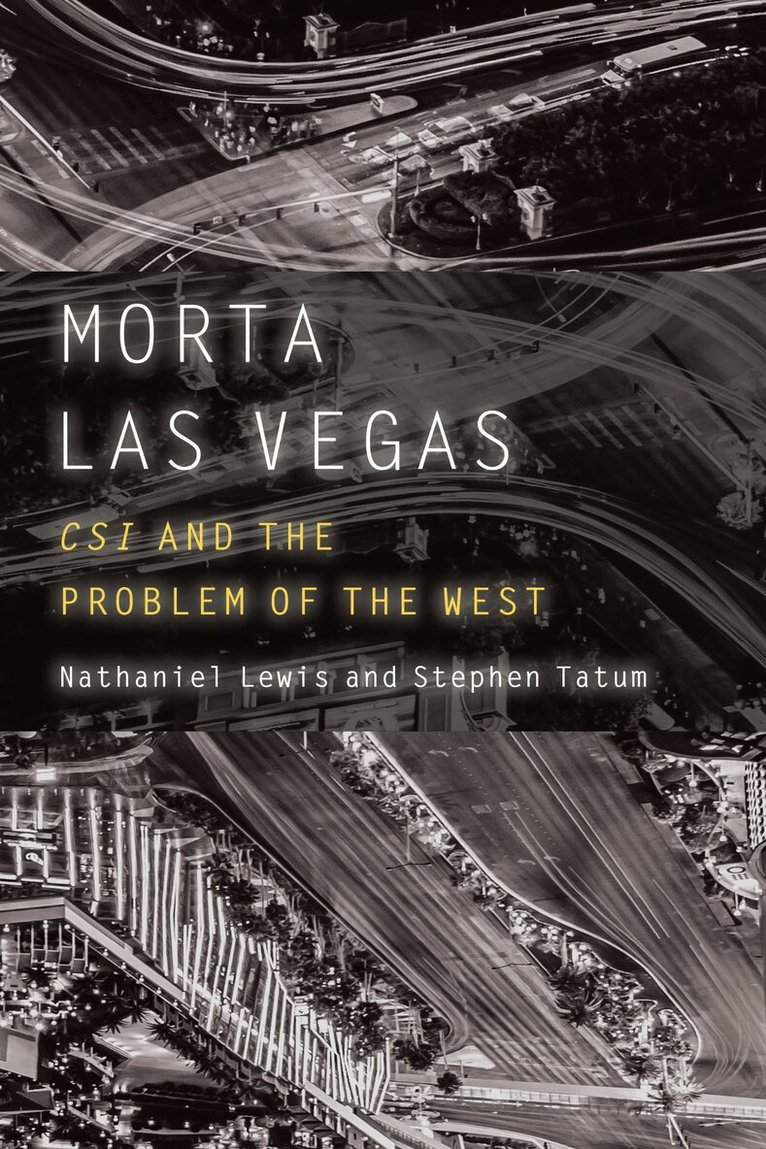
Through all its transformations and reinventions over the past century, “Sin City” has consistently been regarded by artists and cultural critics as expressing in purest form, for better or worse, an aesthetic and social order spawned by neon signs and institutionalized indulgence. In other words, Las Vegas provides a codex with which to confront the problems of the West and to track the people, materials, ideas, and virtual images that constitute postregional space.Morta Las Vegas considers Las Vegas and the problem of regional identity in the American West through a case study of a single episode of the television crime drama CSI: Crime Scene Investigation. Delving deep into the interwoven events of the episode titled “4 × 4,” but resisting a linear, logical case-study approach, the authors draw connections between the city-a layered and complex world-and the violent, uncanny mysteries of a crime scene. Morta Las Vegas reveals nuanced issues characterizing the emergence of a postregional West, moving back and forth between a geographical and a procedural site and into a place both in between and beyond Western identity.
300 kr
Skickas inom 10-15 vardagar
This is part of a new series of guides to contemporary novels. The aim of the series is to give readers accessible and informative introductions to some of the most popular, most acclaimed and most influential novels of recent years - from ‘The Remains of the Day' to ‘White Teeth'. A team of contemporary fiction scholars from both sides of the Atlantic has been assembled to provide a thorough and readable analysis of each of the novels in question.
1 225 kr
Skickas inom 10-15 vardagar
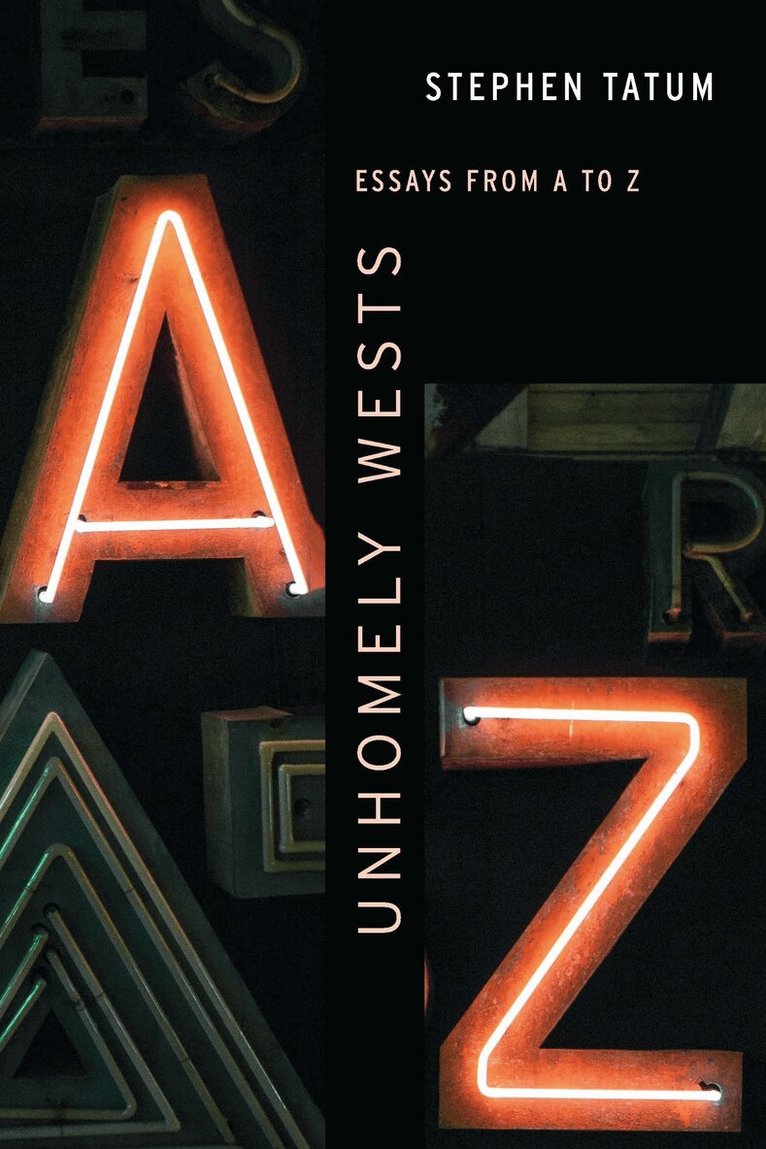
In Unhomely Wests Stephen Tatum presents twenty-six essays exploring selected literary, visual art, cinematic, and musical representations of homelessness as a theme, a trope, an affliction, a threat, and a condition of alienation in the late modern and postmodern American West. Arranged in alphabetical order, from “Alphabet/Abecedario” to “Zombieland,” Tatum’s essays aim to discover how his eclectic selection of texts both produce uncanny literary effects and bear witness to the entangled capitalist, geopolitical, and ecological crises that shape our external world and our “unhomely” textual worlds.In keeping with the etymological and conceptual linkage between the unhomely and the uncanny, Tatum’s critical meditations focus on both uncanny textual architectures and architecturally unhomely junkspaces of abandonment and ruin, of corporeal displacement, and of cognitive or affective disorientation. And since an emergent unhomely structure of feeling exposes how our lived present is saturated with history’s apparitional revenants, this collection of essays-comprising a new lexicon of unhomely Wests-conveys a hauntology underwritten by spectrality as a theme, a trope, an image. Committed to revising the conventional academic text, Unhomely Wests exemplifies Roland Barthes’s directive that we consider the alphabetic order as a call to “Cut! Resume the story in another way!”
424 kr
Skickas inom 10-15 vardagar
In Unhomely Wests Stephen Tatum presents twenty-six essays exploring selected literary, visual art, cinematic, and musical representations of homelessness as a theme, a trope, an affliction, a threat, and a condition of alienation in the late modern and postmodern American West. Arranged in alphabetical order, from “Alphabet/Abecedario” to “Zombieland,” Tatum’s essays aim to discover how his eclectic selection of texts both produce uncanny literary effects and bear witness to the entangled capitalist, geopolitical, and ecological crises that shape our external world and our “unhomely” textual worlds.In keeping with the etymological and conceptual linkage between the unhomely and the uncanny, Tatum’s critical meditations focus on both uncanny textual architectures and architecturally unhomely junkspaces of abandonment and ruin, of corporeal displacement, and of cognitive or affective disorientation. And since an emergent unhomely structure of feeling exposes how our lived present is saturated with history’s apparitional revenants, this collection of essays-comprising a new lexicon of unhomely Wests-conveys a hauntology underwritten by spectrality as a theme, a trope, an image. Committed to revising the conventional academic text, Unhomely Wests exemplifies Roland Barthes’s directive that we consider the alphabetic order as a call to “Cut! Resume the story in another way!”