Stephen Webster – författare
Visar alla böcker från författaren Stephen Webster. Handla med fri frakt och snabb leverans.
10 produkter
Fitness-for-Service Fracture Assessment of Structures Containing Cracks
A Workbook based on the European SINTAP/FITNET procedure
Av Robert Ainsworth, Stephen Webster m. fl.
E-bok, 2013
2526 kr
Lägg i varukorg
The purpose of Fitness-for-Service Fracture Assessment of Structures Containing Cracks is to facilitate the use of fracture mechanics based failure assessment procedures for the evaluation and design of structures and components. All practical structures contain flaws and the optimum combination of …
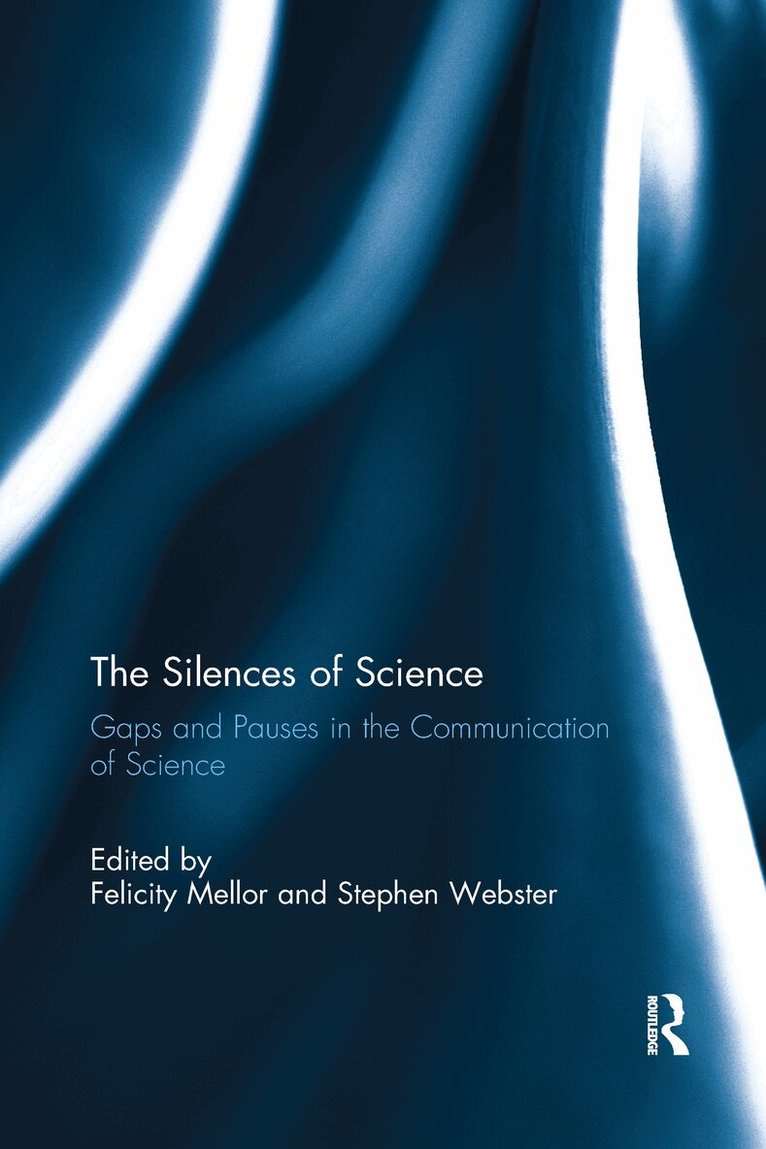
Silences of Science
Gaps and Pauses in the Communication of Science
Av Felicity Mellor, Stephen Webster
Häftad, 2020
690 kr
Lägg i varukorg
Over the last half century scholars from a range of disciplines have attempted to theorise silence. Naively we tend to think of silence negatively, as a lack, an emptiness. Yet silence studies shows that silence is more than mere absence. All speech incorporates silence, not only in the gaps …
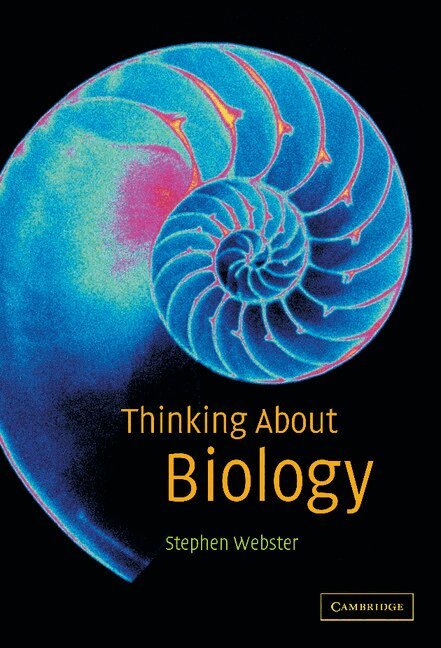
Thinking about Biology
Inbunden, 2003
1302 kr
Lägg i varukorg
Thinking about Biology is intended for biology students who are interested in reflecting on the wider contexts of their studies. This 2003 book encourages students to see that biology does not deliver certainties; it discusses how biological ideas become established facts; it uses history to …
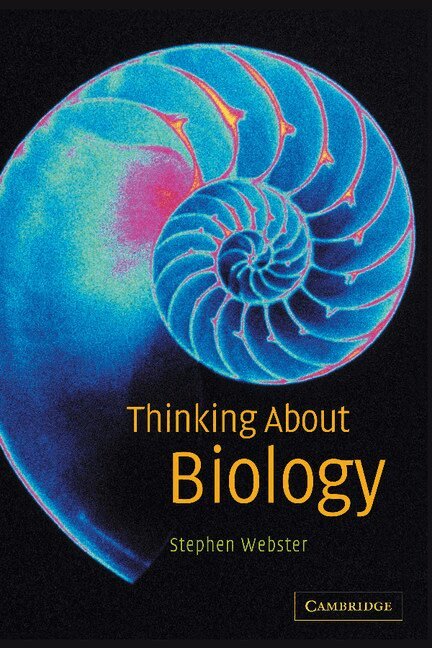
Thinking about Biology
Häftad, 2003
667 kr
Lägg i varukorg
Thinking about Biology is intended for biology students who are interested in reflecting on the wider contexts of their studies. This 2003 book encourages students to see that biology does not deliver certainties; it discusses how biological ideas become established facts; it uses history to …
Goldstruck
A Life Shaped by Jewellery
Inbunden, 2015
562 kr
Lägg i varukorg
'Goldstruck: A Life Shaped by Jewellery' sets luxurious imagery of a lifetime's work alongside an honest and often comically autobiographical account of Stephen Webster's career in the jewellery world. The book is a lavish collation of Stephen's personal and professional life, encompassing material …
Silences of Science
Gaps and Pauses in the Communication of Science
Av Stephen Webster, Felicity Mellor
E-bok, 2016
796 kr
Lägg i varukorg
Over the last half century scholars from a range of disciplines have attempted to theorise silence. Naively we tend to think of silence negatively, as a lack, an emptiness. Yet silence studies shows that silence is more than mere absence. All speech incorporates silence, not only in the gaps …
Silences of Science
Gaps and Pauses in the Communication of Science
Av Stephen Webster, Felicity Mellor
E-bok, 2016
814 kr
Lägg i varukorg
Over the last half century scholars from a range of disciplines have attempted to theorise silence. Naively we tend to think of silence negatively, as a lack, an emptiness. Yet silence studies shows that silence is more than mere absence. All speech incorporates silence, not only in the gaps …
Silences of Science
Gaps and Pauses in the Communication of Science
Av Felicity Mellor, Stephen Webster
Inbunden, 2016
2516 kr
Lägg i varukorg
Over the last half century scholars from a range of disciplines have attempted to theorise silence. Naively we tend to think of silence negatively, as a lack, an emptiness. Yet silence studies shows that silence is more than mere absence. All speech incorporates silence, not only in the gaps …
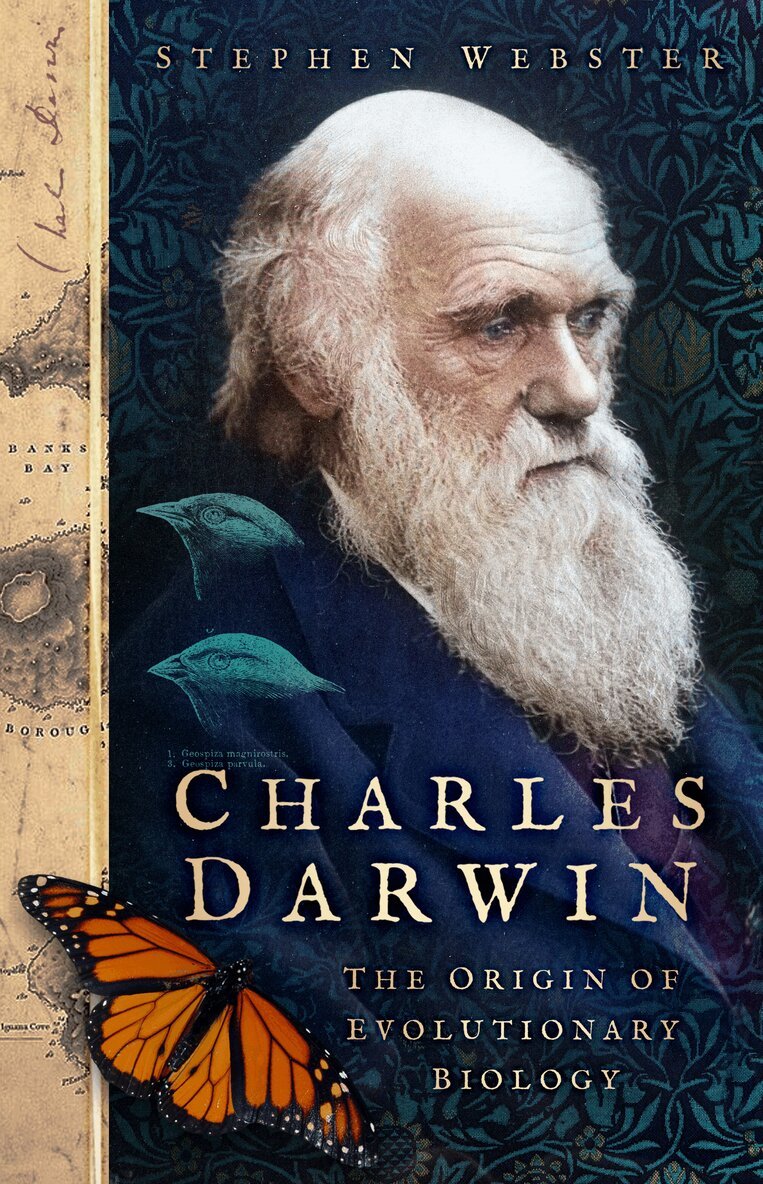
Charles Darwin
The Origin of Evolutionary Biology
Häftad, 2025
129 kr
Lägg i varukorg
When Charles Darwin announced his theory of evolution by natural selection, he did more than transform biology. Before his great work, humans were comfortably different from other life: a special creation. By showing how life on Earth evolved, Darwin told us that humans too are part of nature.His …