Steven B. Webb – författare
Visar alla böcker från författaren Steven B. Webb. Handla med fri frakt och snabb leverans.
3 produkter
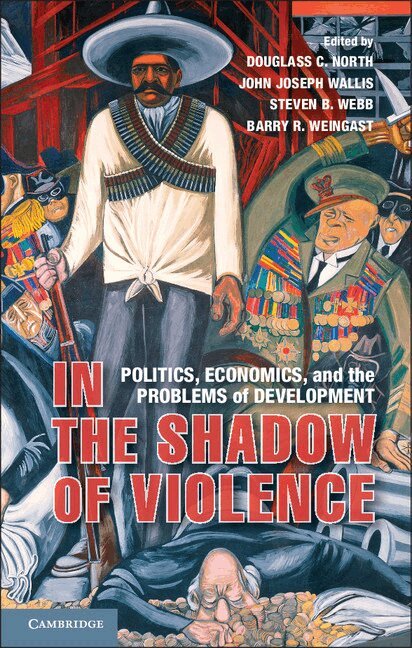
In the Shadow of Violence
Politics, Economics, and the Problems of Development
Av Douglass C. North, John Joseph Wallis m. fl.
Häftad, 2012
636 kr
Lägg i varukorg
This book applies the conceptual framework of Douglass C. North, John Joseph Wallis and Barry R. Weingast's Violence and Social Orders (Cambridge University Press, 2009) to nine developing countries. The cases show how political control of economic privileges is used to limit violence and …
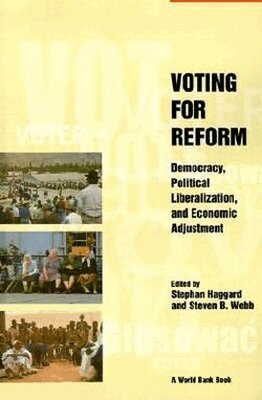
Voting for Reform
Democracy, Liberalization, and Economic Adjustment
Av Stephan Haggard, Steven B. Webb
Häftad, 1995
438 kr
Lägg i varukorg
Can a developing country balance a stable democracy with a well-functioning market economy? THis question is addressed in this book by showing how political reforms influence the efforts of governments to initiate and sustain economic reforms. THe case studies used focus on two clusters of …
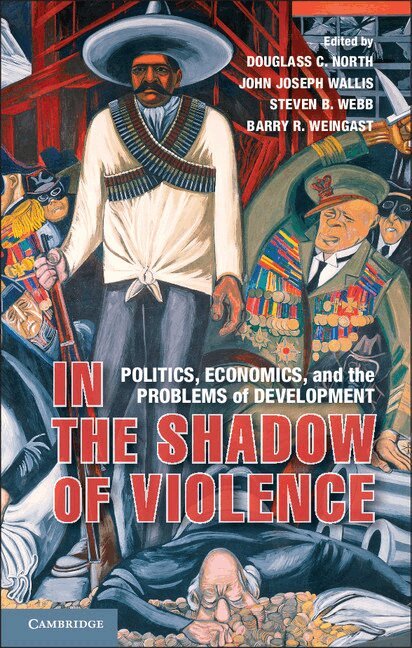
In the Shadow of Violence
Politics, Economics, and the Problems of Development
Av Douglass C. North, John Joseph Wallis m. fl.
Inbunden, 2012
1985 kr
Lägg i varukorg
This book applies the conceptual framework of Douglass C. North, John Joseph Wallis and Barry R. Weingast's Violence and Social Orders (Cambridge University Press, 2009) to nine developing countries. The cases show how political control of economic privileges is used to limit violence and …