John Joseph Wallis – författare
Visar alla böcker från författaren John Joseph Wallis. Handla med fri frakt och snabb leverans.
7 produkter
7 produkter
E-bok
PDF, Engelska, 20072 595 kr
Läs direkt efter köp
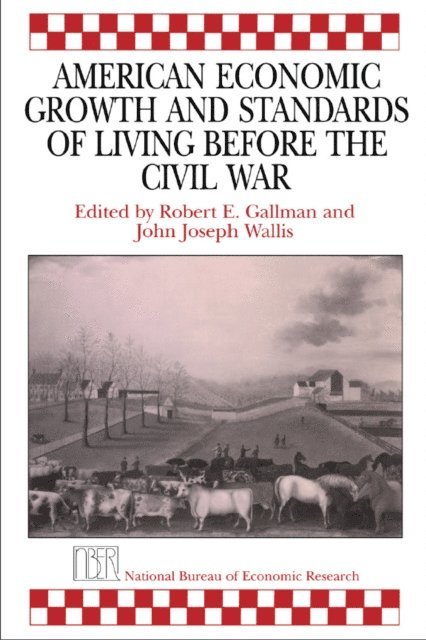
This benchmark volume addresses the debate over the effects of early industrialization on standards of living during the decades before the Civil War. Its contributors demonstrate that the aggregate antebellum economy was growing faster than any other large economy had grown before. Despite the dramatic economic growth and rise in income levels, questions remain as to the general quality of life during this era. Was the improvement in income widely shared? How did economic growth affect the nature of work? Did higher levels of income lead to improved health and longevity? The authors address these questions by analyzing new estimates of labor force participation, real wages, and productivity, as well as of the distribution of income, height, and nutrition.
Inbunden, Engelska, 2017
1 203 kr
Skickas inom 5-8 vardagar
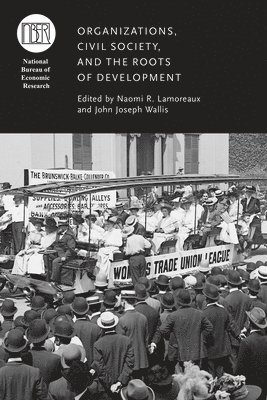
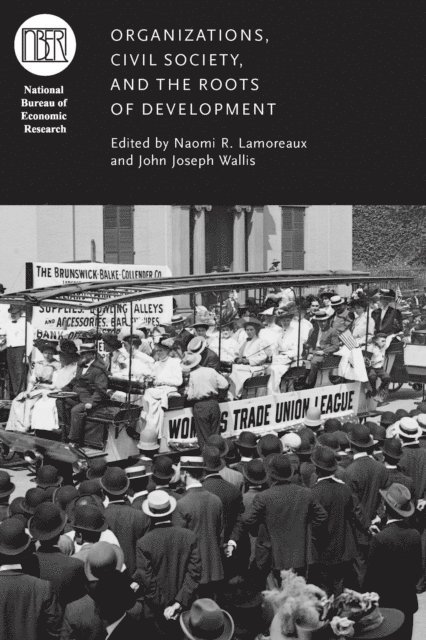
Modern developed nations are rich and politically stable in part because their citizens are free to form organizations and have access to the relevant legal resources. Yet in spite of the advantages of open access to civil organizations, it is estimated that eighty percent of people live in countries that do not allow unfettered access. Why have some countries disallow the formation of organizations as part of their economic and political system? The contributions to Organizations, Civil Society, and the Roots of Development seek to answer this question through an exploration of how developing nations throughout the eighteenth and nineteenth centuries, including the United States, United Kingdom, France, and Germany, made the transition to allowing their citizens the right to form organizations. The transition, contributors show, was not an easy one. Neither political changes brought about by revolution nor subsequent economic growth led directly to open access. In fact, initial patterns of change were in the opposite direction, as political coalitions restricted access to specific organizations for the purpose of maintaining political control.Ultimately, however, it became clear that these restrictions threatened the foundation of social and political order. Tracing the path of these modern civil societies, Organizations, Civil Society, and the Roots of Development is an invaluable contribution to all interested in today's developing countries and the challenges they face in developing this organizational capacity.
E-bok
Engelska, 20172 652 kr
Läs direkt efter köp
Modern developed nations are rich and politically stable in part because their citizens are free to form organizations and have access to the relevant legal resources. Yet in spite of the advantages of open access to civil organizations, it is estimated that eighty percent of people live in countries that do not allow unfettered access. Why have some countries disallow the formation of organizations as part of their economic and political system? The contributions to Organizations, Civil Society, and the Roots of Development seek to answer this question through an exploration of how developing nations throughout the eighteenth and nineteenth centuries, including the United States, United Kingdom, France, and Germany, made the transition to allowing their citizens the right to form organizations. The transition, contributors show, was not an easy one. Neither political changes brought about by revolution nor subsequent economic growth led directly to open access. In fact, initial patterns of change were in the opposite direction, as political coalitions restricted access to specific organizations for the purpose of maintaining political control. Ultimately, however, it became clear that these restrictions threatened the foundation of social and political order. Tracing the path of these modern civil societies, Organizations, Civil Society, and the Roots of Development is an invaluable contribution to all interested in today’s developing countries and the challenges they face in developing this organizational capacity.
Inbunden, Engelska, 2009
1 248 kr
Skickas inom 7-10 vardagar
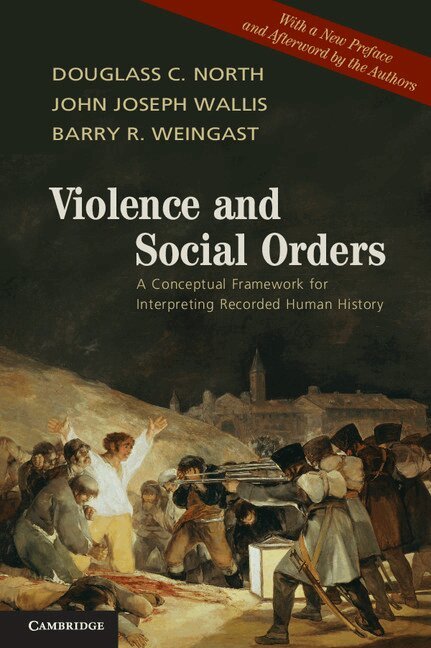
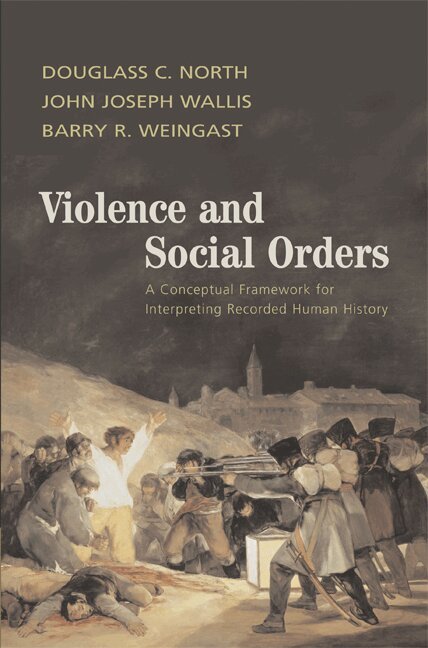
All societies must deal with the possibility of violence, and they do so in different ways. This book integrates the problem of violence into a larger social science and historical framework, showing how economic and political behavior are closely linked. Most societies, which we call natural states, limit violence by political manipulation of the economy to create privileged interests. These privileges limit the use of violence by powerful individuals, but doing so hinders both economic and political development. In contrast, modern societies create open access to economic and political organizations, fostering political and economic competition. The book provides a framework for understanding the two types of social orders, why open access societies are both politically and economically more developed, and how some 25 countries have made the transition between the two types.
Häftad, Engelska, 2012
365 kr
Skickas inom 7-10 vardagar
All societies must deal with the possibility of violence, and they do so in different ways. This book integrates the problem of violence into a larger social science and historical framework, showing how economic and political behavior are closely linked. Most societies, which we call natural states, limit violence by political manipulation of the economy to create privileged interests. These privileges limit the use of violence by powerful individuals, but doing so hinders both economic and political development. In contrast, modern societies create open access to economic and political organizations, fostering political and economic competition. The book provides a framework for understanding the two types of social orders, why open access societies are both politically and economically more developed, and how some 25 countries have made the transition between the two types.
Häftad, Engelska, 2012
497 kr
Skickas inom 7-10 vardagar
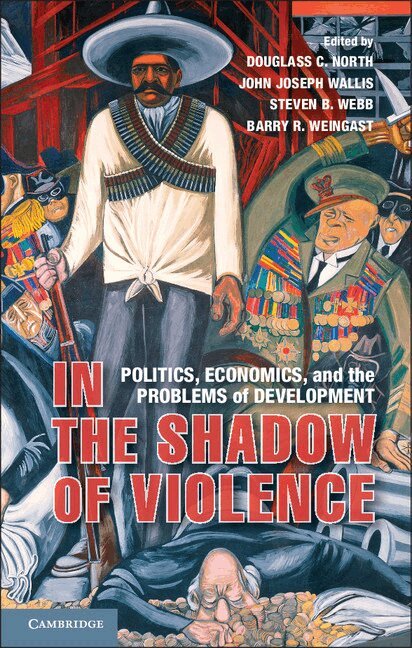
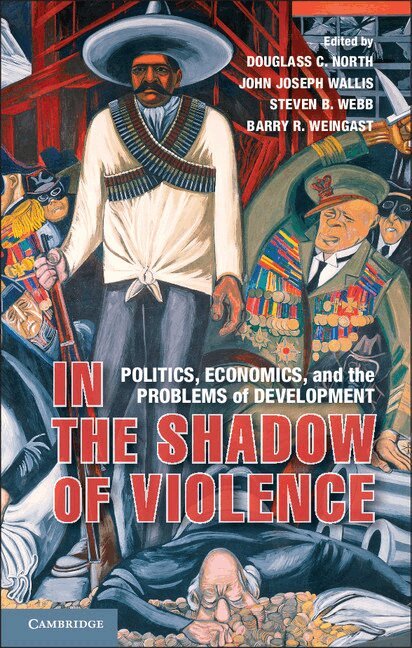
This book applies the conceptual framework of Douglass C. North, John Joseph Wallis and Barry R. Weingast's Violence and Social Orders (Cambridge University Press, 2009) to nine developing countries. The cases show how political control of economic privileges is used to limit violence and coordinate coalitions of powerful organizations. Rather than castigating politicians and elites as simply corrupt, the case studies illustrate why development is so difficult to achieve in societies where the role of economic organizations is manipulated to provide political balance and stability. The volume develops the idea of limited-access social order as a dynamic social system in which violence is constantly a threat and political and economic outcomes result from the need to control violence rather than promoting economic growth or political rights.
Inbunden, Engelska, 2012
1 669 kr
Tillfälligt slut
This book applies the conceptual framework of Douglass C. North, John Joseph Wallis and Barry R. Weingast's Violence and Social Orders (Cambridge University Press, 2009) to nine developing countries. The cases show how political control of economic privileges is used to limit violence and coordinate coalitions of powerful organizations. Rather than castigating politicians and elites as simply corrupt, the case studies illustrate why development is so difficult to achieve in societies where the role of economic organizations is manipulated to provide political balance and stability. The volume develops the idea of limited-access social order as a dynamic social system in which violence is constantly a threat and political and economic outcomes result from the need to control violence rather than promoting economic growth or political rights.