Steven Biel - Böcker
Visar alla böcker från författaren Steven Biel. Handla med fri frakt och snabb leverans.
6 produkter
6 produkter
294 kr
Skickas inom 5-8 vardagar
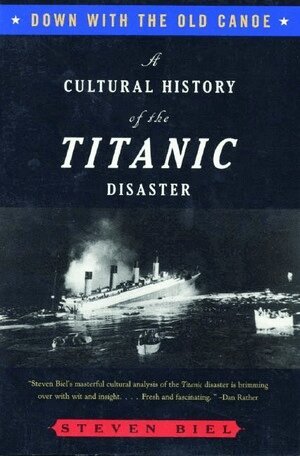
"I suggest, henceforth, when a woman talks women's rights, she be answered with the word Titanic, nothing more—just Titanic," wrote a St. Louis man to the St. Louis Post-Dispatch. He was not alone in mining the ship for a metaphor. Everyone found ammunition in the Titanic—suffragists and their opponents; radicals, reformers, and capitalists; critics of technology and modern life; racists and xenophobes and champions of racial and ethnic equality; editorial writers and folk singers, preachers and poets.Protestant sermons used the Titanic to condemn the budding consumer society ("We know the end of . . . the undisturbed sensualists. As they sail the sea of life we know absolutely that their ship will meet disaster."). African American toasts and working-class ballads made the ship emblematic of the foolishness of white people and the greed of the rich. A 1950s revival framed the disaster as an "older kind of disaster in which people had time to die." An ever-increasing number of Titanic buffs find heroism and order in the tale. Still in the headlines ("Titanic Baby Found Alive!" the Weekly World News declares) and a figure of everyday speech ("rearranging deck chairs . . ."), the Titanic disaster echoes within a richly diverse, paradoxical, and fascinating America.
282 kr
Skickas inom 5-8 vardagar
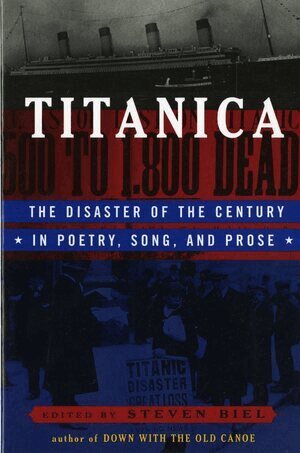
Now Steven Biel, author of the acclaimed Down with the Old Canoe, has gathered some of the most telling of our culture's responses to this unparalleled tragedy, creating an invaluable sourcebook for anyone who wants to discover first-hand what people made of it, both then and now. Biel is today's best-known authority on the place of the Titanic in American culture, and this book's unique appeal—inviting both the generally curious reader to browse its pages, and rewarding Titanic buffs with many authentic gems—makes it a standout in the Titanic literature.
353 kr
Skickas inom 3-6 vardagar
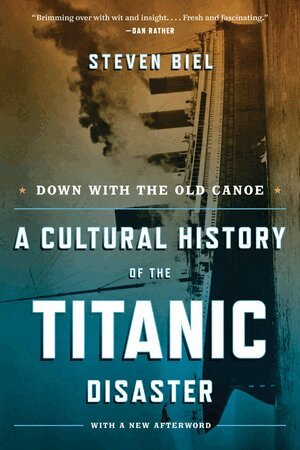
Everyone from suffragists to their opponents; radicals, reformers, and capitalists; critics of technology and modern life; racists and xenophobes and champions of racial and ethnic equality; editorial writers and folk singers, preachers and poets found moral and cultural lessons in the sinking of the Titanic.In a new edition that both commemorates the one hundredth anniversary of the disaster and elaborates, in a revised afterword, on the ship's continued impact on the public imagination (evidenced by the Titanic mania evoked by James Cameron's 1997 film), Steven Biel explores the Titanic in all its complexity and contradictions.
412 kr
Skickas inom 7-10 vardagar
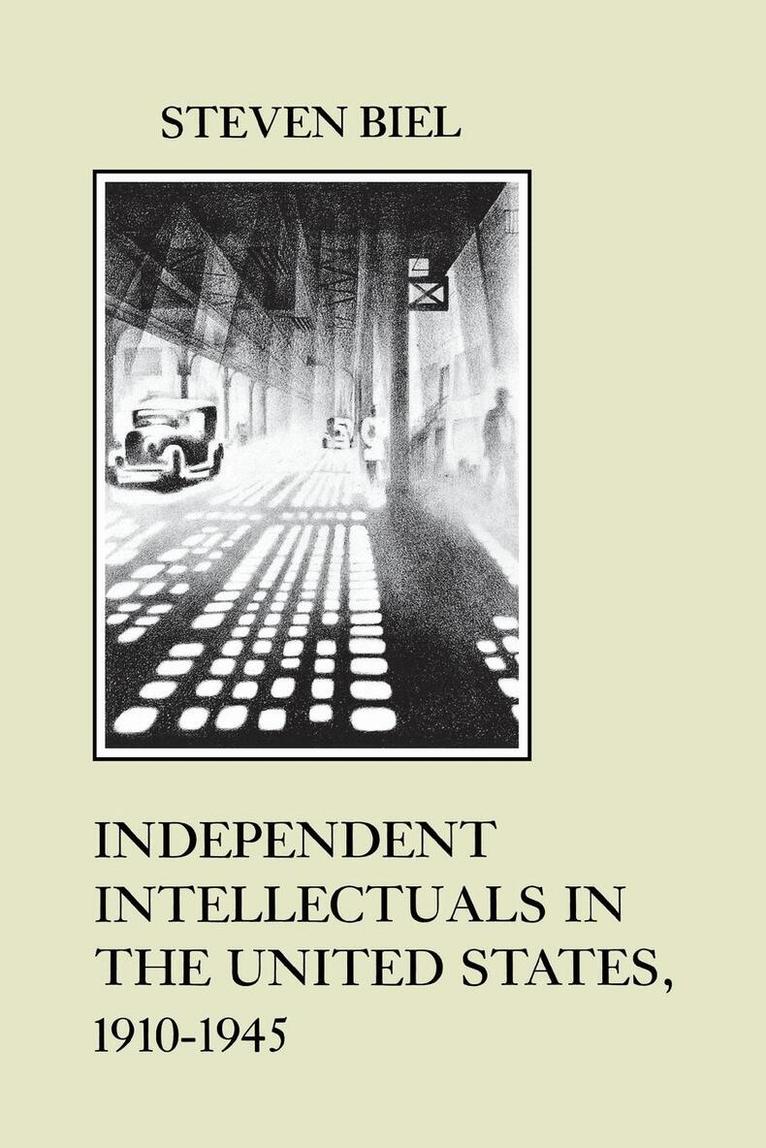
A new intellectual community came together in the United States in the 1910s and 1920s, a community outside the universities, the professions and, in general, the established centers of intellectual life. A generation of young intellectuals was increasingly challenging both the genteel tradition and the growing division of intellectual labor. Adversarial and anti-professional, they exhibited a hostility to boundaries and specialization that compelled them toward an ambitious and self-conscious generalism and made them a force in the American political, literary, and artistic landscape.This book is a cultural history of this community of free-lance critics and an exploration of their collective effort to construct a viable public intellectual life in America. Steven Biel illustrates the diversity of the body of writings produced by these critics, whose subjects ranged from literature and fine arts to politics, economics, history, urban planning, and national character. Conceding that significant differences and conflicts did exist in the works of individual thinkers, Biel nonetheless maintains that a broader picture of this vibrant culture has been obscured by attempts to classify intellectuals according to political or ideological persuasions. His book brings to life the ways in which this community sought out alternative ways of making a living, devised strategies for reaching and engaging the public, debated the involvement of women in the intellectual community and incorporated Marxism into its evolving search for a decisive intellectual presence in American life. Examined in this lively study are the role and contributions of such figures as Randolph Bourne, Max Eastman, Crystal Eastman, Walter Lippmann, Margaret Sanger, Van Wyck Brooks, Floyd Dell, Edmund Wilson, Mable Dodge, Paul Rosenfeld, H. L. Mencken, Lewis Mumford, Malcolm Cowley, Matthew Josephson, John Reed, Waldo Frank, Gilbert Seldes, and Harold Stearns.
1 186 kr
Skickas inom 10-15 vardagar
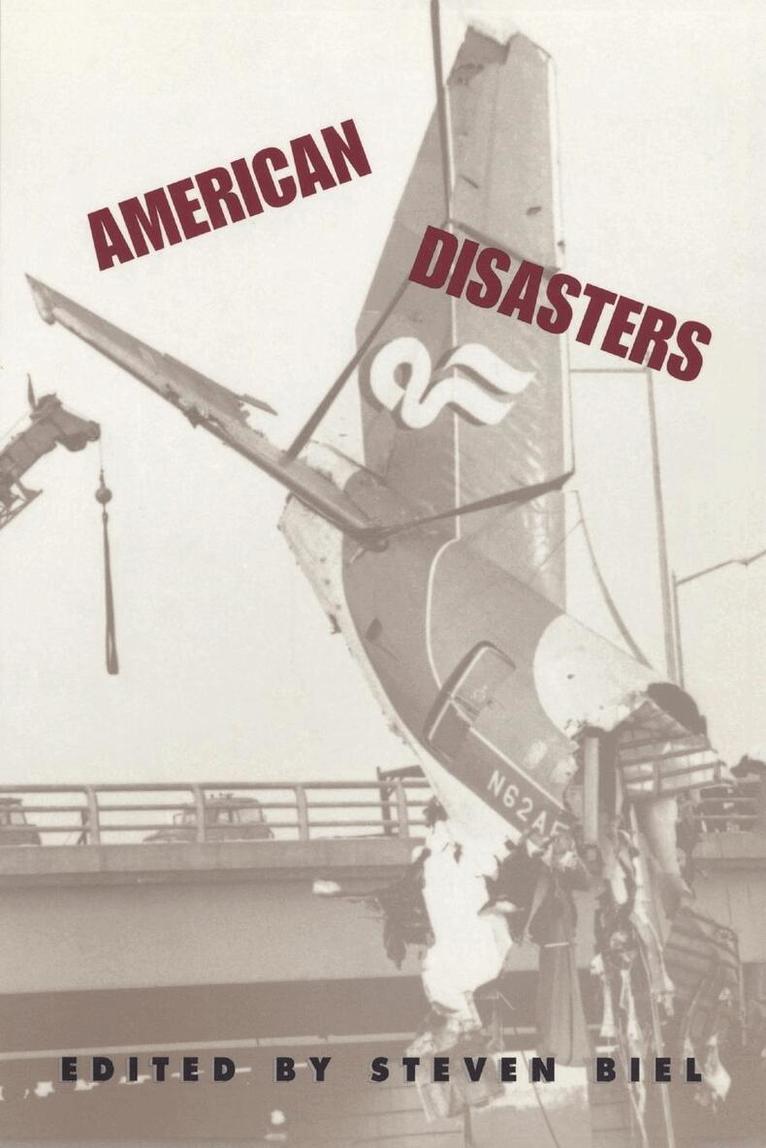
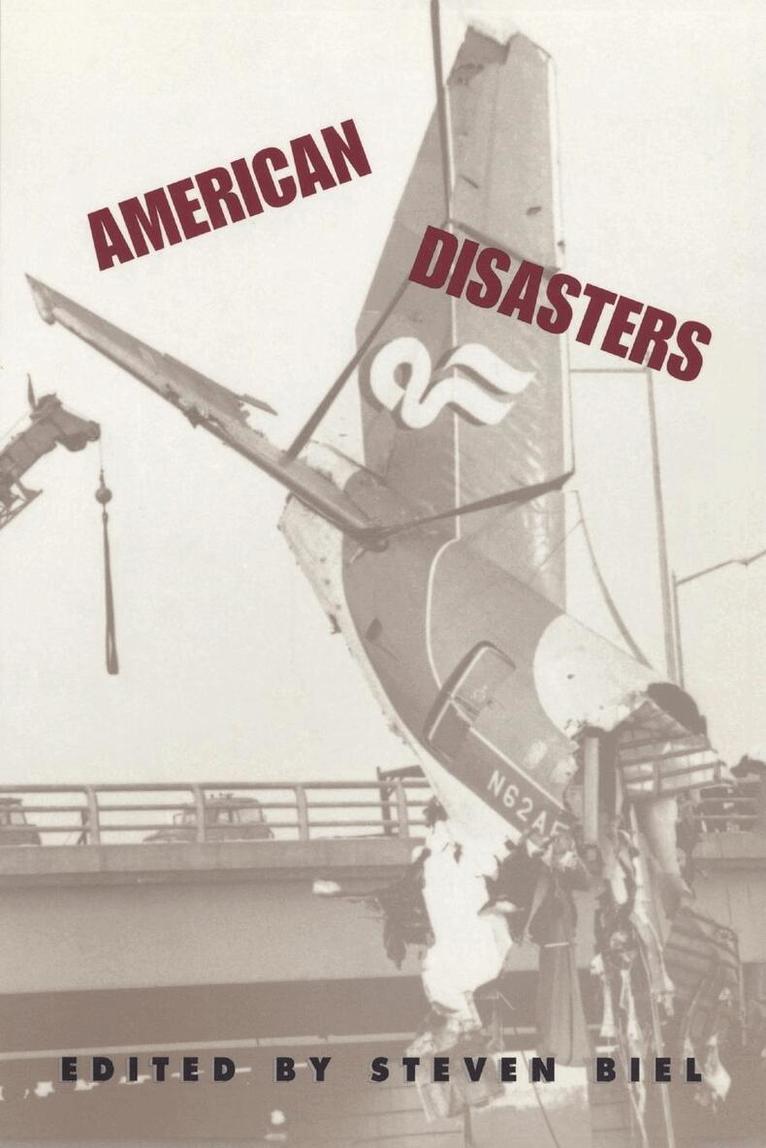
Long after the dead have been buried, and lives and property rebuilt, the social and cultural impact of disasters lingers. Examining immediate and long term responses to such disasters as the 1906 San Francisco earthquake, the Exxon Valdez oil spill, and the Challenger explosion, American Disasters explores what natural and man made catastrophes reveal about the societies in which they occur.Ranging widely, essayists here examine the 1900 storm that ravaged Galveston, Texas, the Great Chicago Fire of 1871, the Titanic sinking, the Northridge earthquake, the crash of Air Florida Flight 90, the 1977 Chicago El train crash, and many other devastating events. These catastrophes elicited vastly different responses, and thus raise a number of important questions. How, for example did African Americans, feminists, and labor activists respond to the Titanic disaster? Why did the El train crash take on such symbolic meaning for the citizens of Chicago? In what ways did the San Francisco earthquake reaffirm rather than challenge a predominant faith in progress?Taken together, these essays explain how and why disasters are transformative, how people make sense of them, how they function as social dramas during which communities and the nation think aloud about themselves and their direction.Contributors include Carl Smith, Duane A. Gill, Ann Larabee, J. Steven Picou, and Ted Steinberg.
291 kr
Skickas inom 7-10 vardagar
Long after the dead have been buried, and lives and property rebuilt, the social and cultural impact of disasters lingers. Examining immediate and long term responses to such disasters as the 1906 San Francisco earthquake, the Exxon Valdez oil spill, and the Challenger explosion, American Disasters explores what natural and man made catastrophes reveal about the societies in which they occur.Ranging widely, essayists here examine the 1900 storm that ravaged Galveston, Texas, the Great Chicago Fire of 1871, the Titanic sinking, the Northridge earthquake, the crash of Air Florida Flight 90, the 1977 Chicago El train crash, and many other devastating events. These catastrophes elicited vastly different responses, and thus raise a number of important questions. How, for example did African Americans, feminists, and labor activists respond to the Titanic disaster? Why did the El train crash take on such symbolic meaning for the citizens of Chicago? In what ways did the San Francisco earthquake reaffirm rather than challenge a predominant faith in progress?Taken together, these essays explain how and why disasters are transformative, how people make sense of them, how they function as social dramas during which communities and the nation think aloud about themselves and their direction.Contributors include Carl Smith, Duane A. Gill, Ann Larabee, J. Steven Picou, and Ted Steinberg.