Steven C. Hahn – författare
Visar alla böcker från författaren Steven C. Hahn. Handla med fri frakt och snabb leverans.
10 produkter
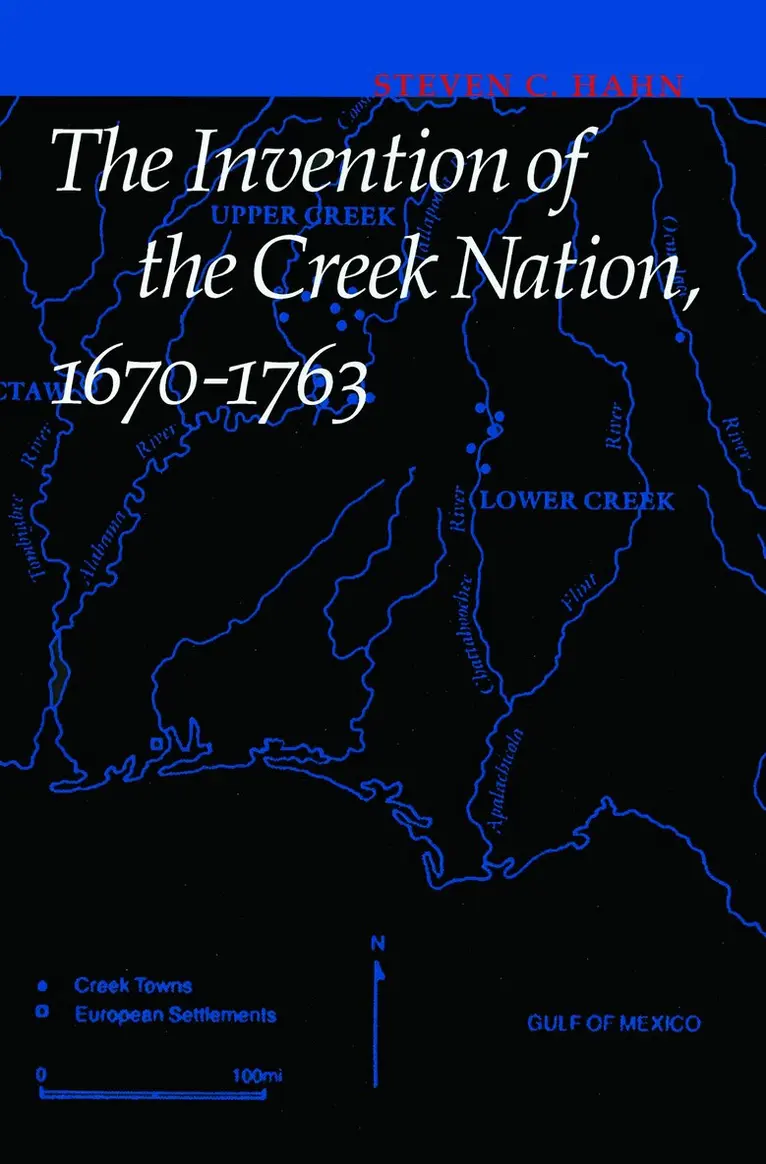
Invention of the Creek Nation, 1670-1763
Inbunden, 2004
1156 kr
Lägg i varukorg
Drawing on archaeological evidence and often-neglected Spanish source material, The Invention of the Creek Nation, 1670–1763 explores the political history of the Creek Indians of Georgia and Alabama and the emergence of the Creek Nation during the colonial era in the American Southeast. In part a …
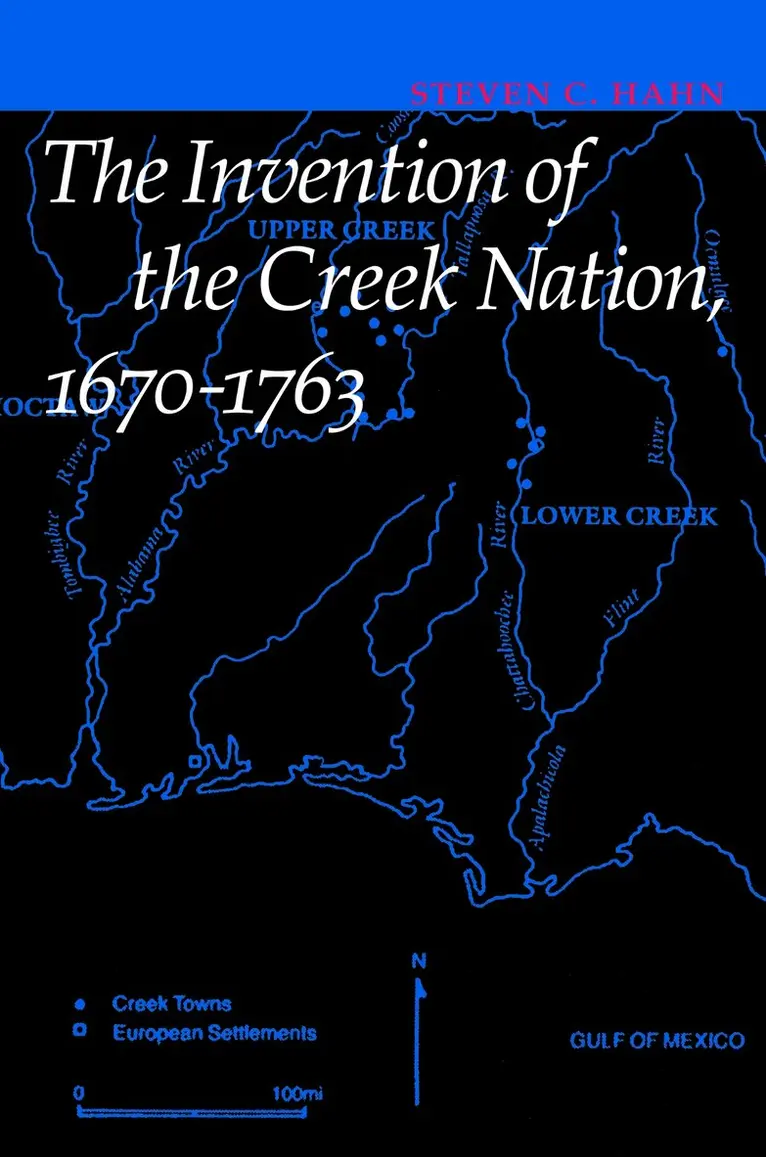
Invention of the Creek Nation, 1670-1763
Häftad, 2014
458 kr
Lägg i varukorg
Drawing on archaeological evidence and often-neglected Spanish source material, The Invention of the Creek Nation, 1670–1763 explores the political history of the Creek Indians of Georgia and Alabama and the emergence of the Creek Nation during the colonial era in the American Southeast. In part a …
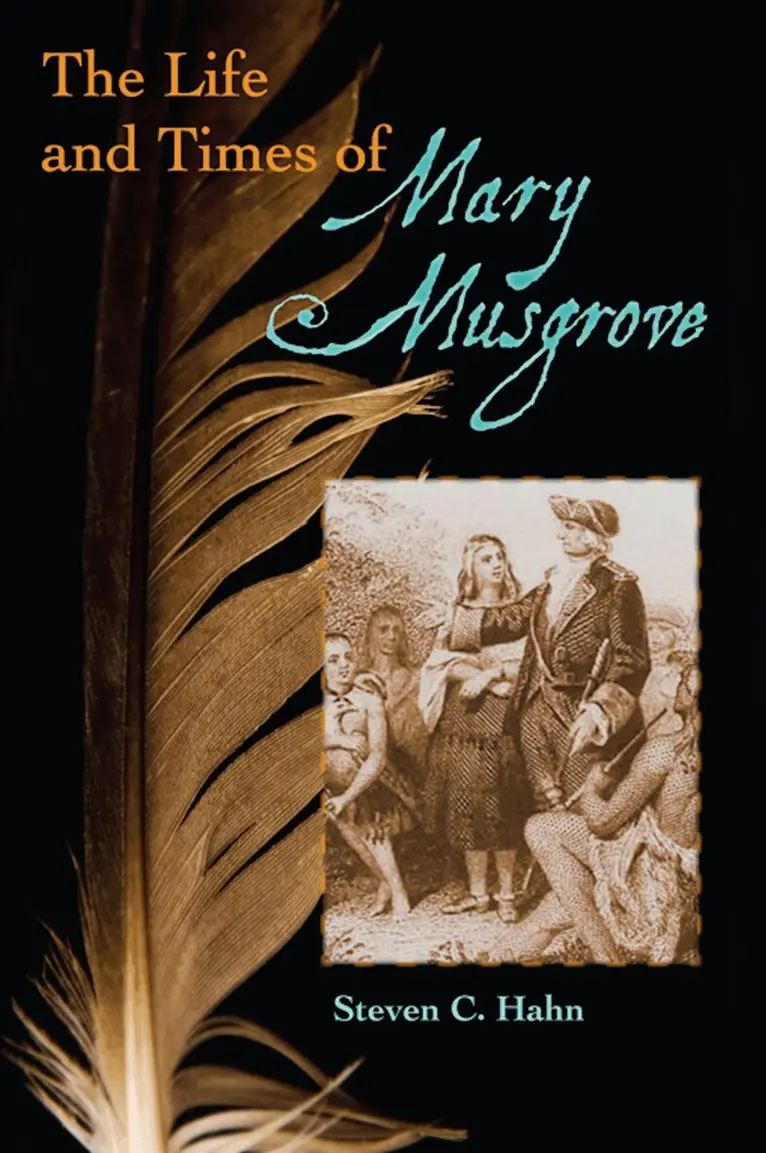
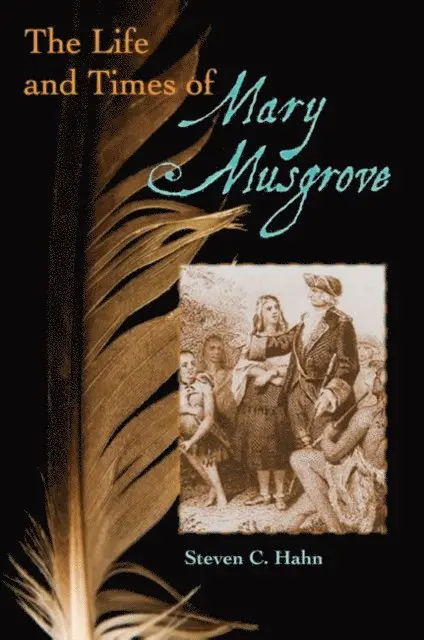
Life and Times of Mary Musgrove
Inbunden, 2012
415 kr
Lägg i varukorg
The story of Mary Musgrove (1700-1764), a Greek Indian-English woman struggling for success in colonial society, is an improbable one.As a literate Christian, entrepreneur, and wife of an Anglican clergyman, Mary was one of a small number of ""mixed blood"" Indians to achieve a position of …
Life and Times of Mary Musgrove
E-bok, 2012
643 kr
Lägg i varukorg
The story of Mary Musgrove (1700-1764), a Creek Indian-English woman struggling for success in colonial society, is an improbable one. As a literate Christian, entrepreneur, and wife of an Anglican clergyman, Mary was one of a small number of "mixed blood" Indians to achieve a position of …
Life and Times of Mary Musgrove
E-bok, 2012
239 kr
Lägg i varukorg
The story of Mary Musgrove (1700-1764), a Creek Indian-English woman struggling for success in colonial society, is an improbable one. As a literate Christian, entrepreneur, and wife of an Anglican clergyman, Mary was one of a small number of "mixed blood" Indians to achieve a position of …
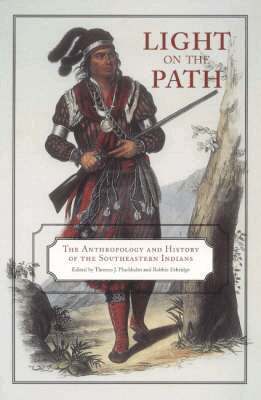
Light on the Path
The Anthropology and History of the Southeastern Indians
Av Eric E. Bowne, Steven C. Hahn m. fl.
Häftad, 2006
579 kr
Lägg i varukorg
The past 20 years have witnessed a change in the study of the prehistory and history of the native peoples of the American South. This paradigm shift is the bridging of prehistory and history to fashion a seamless social history that includes not only the 16th-century Late Mississippian period and …
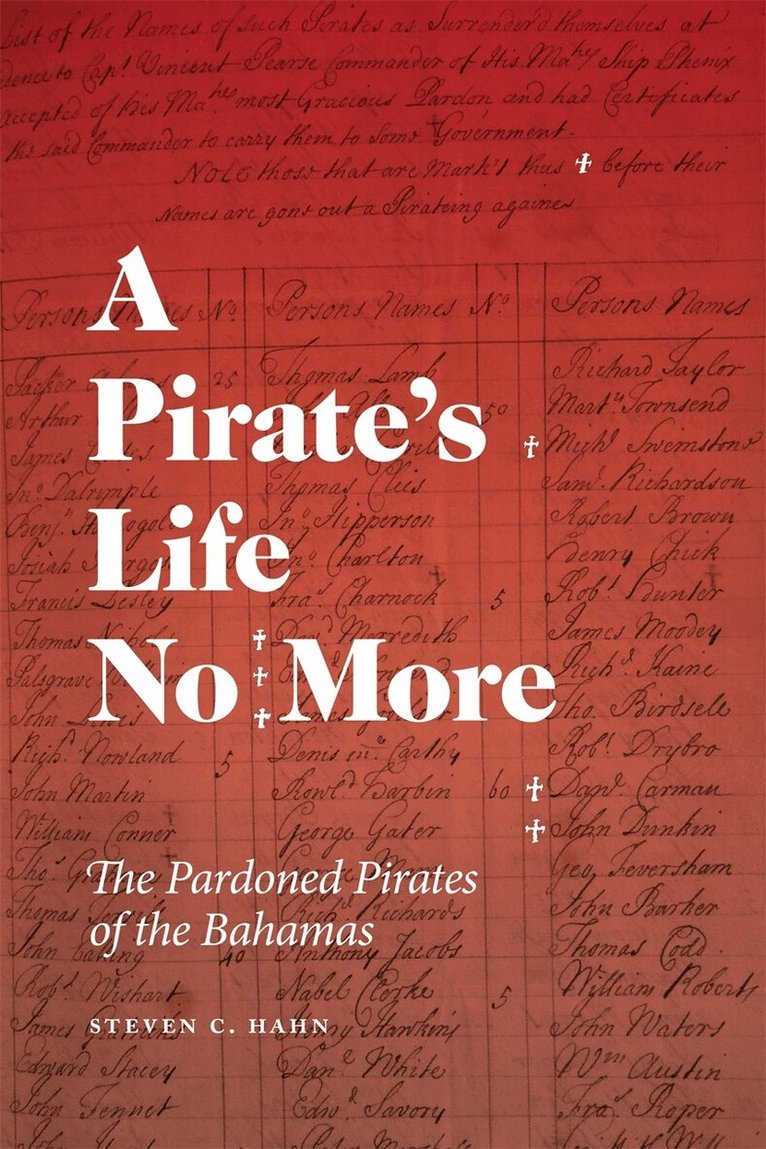
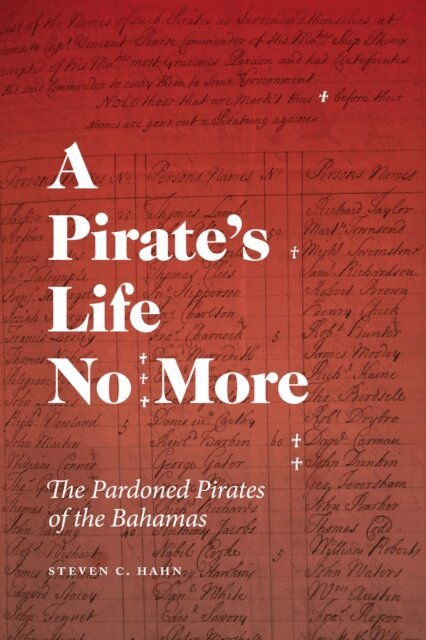
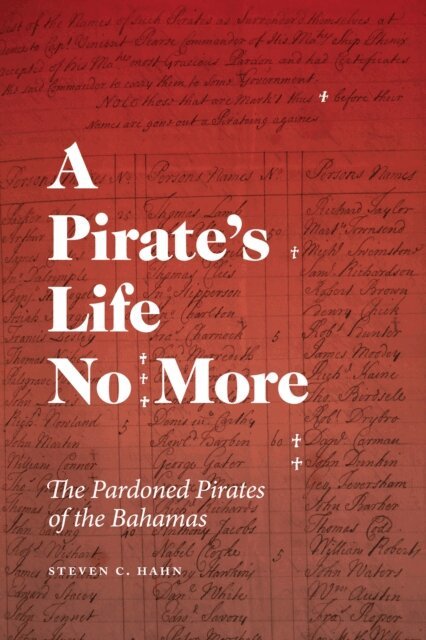
Pirate's Life No More
The Pardoned Pirates of the Bahamas
Inbunden, 2025
1846 kr
Lägg i varukorg
In 1718 the British crown in the Bahamas pardoned 209 mariners accused of piracy. In A Pirate's Life No More, Steven C. Hahn explores the lives of these "retired” pirates. While there are a number of "famous" names on that list—Benjamin Hornigold, Charles Vane, and Palsgrave Williams, for …
Pirate's Life No More
The Pardoned Pirates of the Bahamas
Häftad, 2025
412 kr
Lägg i varukorg
In 1718 the British crown in the Bahamas pardoned 209 mariners accused of piracy. In A Pirate's Life No More, Steven C. Hahn explores the lives of these "retired” pirates. While there are a number of "famous" names on that list—Benjamin Hornigold, Charles Vane, and Palsgrave Williams, for …
Pirate's Life No More
The Pardoned Pirates of the Bahamas
E-bok, 2025
519 kr
Lägg i varukorg
In 1718 the British crown in the Bahamas pardoned 209 mariners accused of piracy. In A Pirate''s Life No More , Steven C. Hahn explores the lives of these "retired” pirates. While there are a number of "famous" names on that list—Benjamin Hornigold, Charles Vane, and Palsgrave Williams, for …
Pirate's Life No More
The Pardoned Pirates of the Bahamas
E-bok, 2025
519 kr
Lägg i varukorg
In 1718 the British crown in the Bahamas pardoned 209 mariners accused of piracy. In A Pirate''s Life No More , Steven C. Hahn explores the lives of these "retired” pirates. While there are a number of "famous" names on that list—Benjamin Hornigold, Charles Vane, and Palsgrave Williams, for …