Steven C. Smith - Böcker
Visar alla böcker från författaren Steven C. Smith. Handla med fri frakt och snabb leverans.
7 produkter
7 produkter
394 kr
Skickas inom 5-8 vardagar
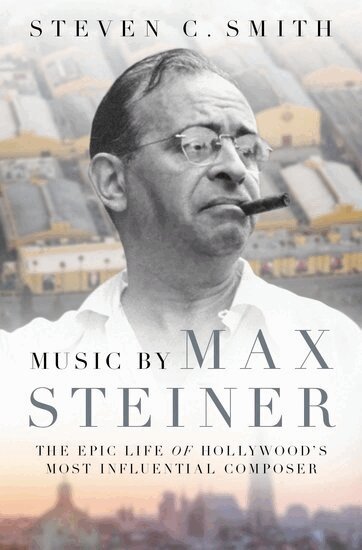
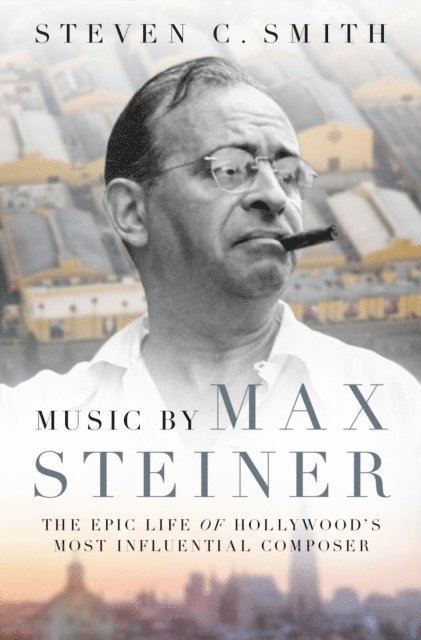
During a seven-decade career that spanned from 19th century Vienna to 1920s Broadway to the golden age of Hollywood, three-time Academy Award winner Max Steiner did more than any other composer to introduce and establish the language of film music. Indeed, revered contemporary film composers like John Williams and Danny Elfman use the same techniques that Steiner himself perfected in his iconic work for such classics as Casablanca, King Kong, Gone with the Wind, The Searchers, Now, Voyager, the Astaire-Rogers musicals, and over 200 other titles. And Steiner's private life was a drama all its own. Born into a legendary Austrian theatrical dynasty, he became one of Hollywood's top-paid composers. But he was also constantly in debt--the inevitable result of gambling, financial mismanagement, four marriages, and the actions of his emotionally troubled son. Throughout his chaotic life, Steiner was buoyed by an innate optimism, a quick wit, and an instinctive gift for melody, all of which would come to the fore as he met and worked with luminaries like Richard Strauss, George Gershwin, Irving Berlin, the Warner Bros., David O. Selznick, Bette Davis, Frank Sinatra, and Frank Capra. In Music by Max Steiner, the first full biography of Steiner, author Steven C. Smith interweaves the dramatic incidents of Steiner's personal life with an accessible exploration of his composing methods and experiences, bringing to life the previously untold story of a musical pioneer and master dramatist who helped create a vital new art with some of the greatest film scores in cinema history.
438 kr
Skickas inom 5-8 vardagar
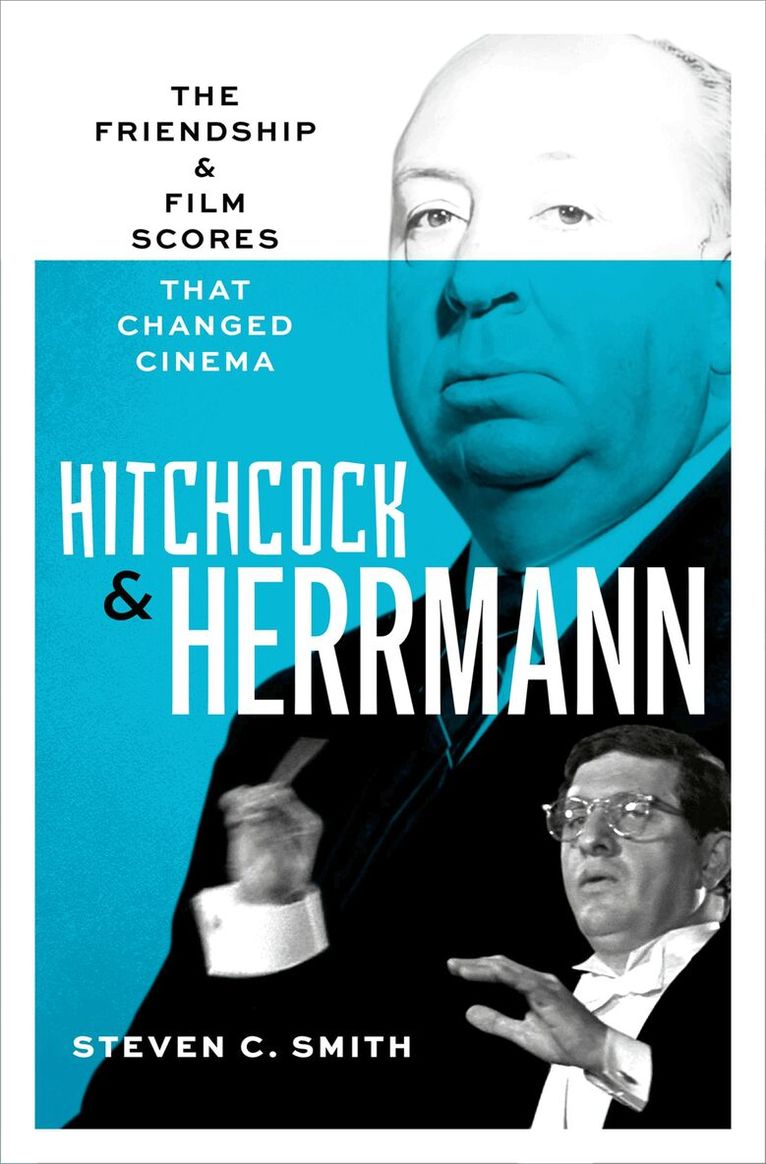
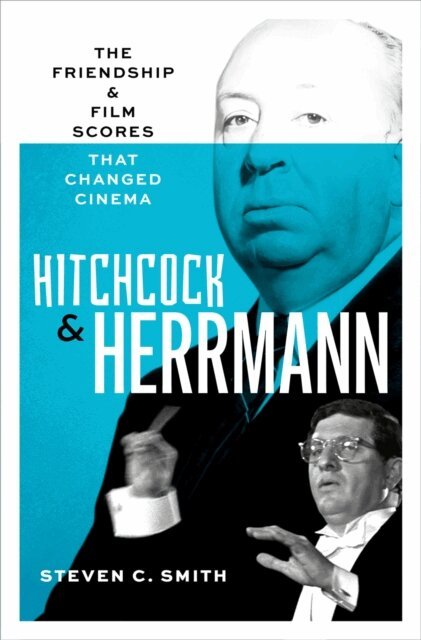
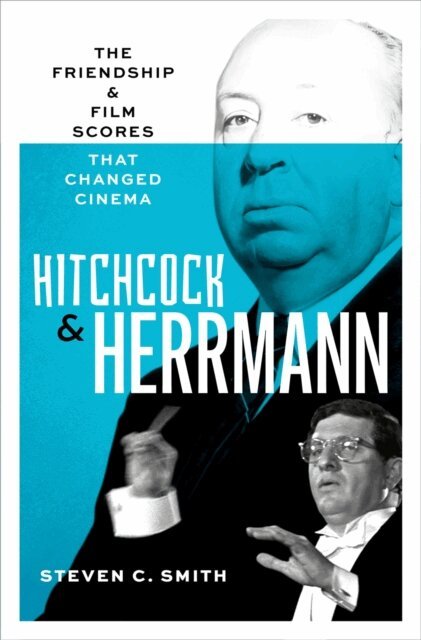
This is the story of the game-changing collaboration between director Alfred Hitchcock and composer Bernard Herrmann, who channelled their inner fears and desires into films that would become the nightmarish narratives and soundtracks of our lives.The 11-year collaboration between Alfred Hitchcock and Bernard Herrmann is often called the greatest director-composer partnership in cinema history. Their eight films together include such classic thrillers as Vertigo, The Man Who Knew Too Much, North by Northwest, Psycho, and The Birds. In Hitchcock and Herrmann: The Friendship and Film Scores that Changed Cinema, Steven C. Smith delivers an intimate account of how the reserved, but deeply anxious, Hitchcock found his ideal creative partner in the cantankerous, but deeply romantic, Herrmann. Smith draws on four decades of research, including previously unpublished documents and new interviews, to deliver a riveting account of what made the teaming of "Benny and Hitch" so memorable and influential -- and why it came to a bitter end. Their story involves the tumultuous changes in Hollywood from the mid-1950s to mid-1960s, as the collapsing studio system gave way to independent, counterculture filmmaking. It also involves the key figures in Hitchcock and Herrmann's inner circle including the director's gifted wife and most valued critic, Alma Reville; Herrmann's beautiful, put-upon spouse, Lucy Anderson; and talent agent-turned-studio mogul Lew Wasserman. Wasserman's negotiations made Hitchcock's greatest filmmaking period possible, but over time Lew's commercial instincts as head of Universal Studios clashed with Herrmann's pure artistic vision.Hitchcock and Herrmann is both a deeply researched historical study and a fast-moving, cinematic narrative -- one that puts readers on the film sets and scoring stages of Hitchcock masterworks. Their collaboration ended in a bitter break; but today Herrmann's pulse-quickening music has become the soundtrack of our own anxious times. The music from their movies is more popular than ever, heard in Quentin Tarantino blockbusters and Lady Gaga music videos. In Smith's expert telling, readers get an an intimate look at two legendary creators who, despite seemingly opposite personalities, found in each other artistic completion.
533 kr
Skickas inom 7-10 vardagar
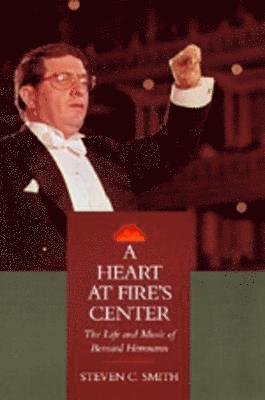
No composer contributed more to film than Bernard Herrmann, who in over 40 scores enriched the work of such directors as Orson Welles, Alfred Hitchcock, Francois Truffaut, and Martin Scorsese. In this first major biography of the composer, Steven C. Smith explores the interrelationships between Herrmann's music and his turbulent personal life, using much previously unpublished information to illustrate Herrmann's often outrageous behavior, his working methods, and why his music has had such lasting impact. From his first film ("Citizen Kane") to his last ("Taxi Driver"), Herrmann was a master of evoking psychological nuance and dramatic tension through music, often using unheard-of instrumental combinations to suit the dramatic needs of a film. His scores are among the most distinguished ever written, ranging from the fantastic ("Fahrenheit 451", "The Day the Earth Stood Still") to the romantic ("Obsession", "The Ghost and Mrs. Muir") to the terrifying ("Psycho"). Film was not the only medium in which Herrmann made a powerful mark. His radio broadcasts included Orson Welles' "Mercury Theatre of the Air" and "The War of the Worlds".His concert music was commissioned and performed by the New York Philharmonic, and he was chief conductor of the CBS Symphony. Almost as celebrated as these achievements are the enduring legends of Herrmann's combativeness and volatility. Smith separates myth from fact and draws upon heretofore unpublished material to illuminate Herrmann's life and influence. Herrmann remains as complex as any character in the films he scored - a creative genius, an indefatigable musicologist, an explosive bully, a generous and compassionate man who desperately sought friendship and love.
628 kr
Skickas inom 3-6 vardagar
No composer contributed more to film than Bernard Herrmann, who in over 40 scores enriched the work of such directors as Orson Welles, Alfred Hitchcock, Francois Truffaut, and Martin Scorsese. In this first major biography of the composer, Steven C. Smith explores the interrelationships between Herrmann's music and his turbulent personal life, using much previously unpublished information to illustrate Herrmann's often outrageous behavior, his working methods, and why his music has had such lasting impact. From his first film ("Citizen Kane") to his last ("Taxi Driver"), Herrmann was a master of evoking psychological nuance and dramatic tension through music, often using unheard-of instrumental combinations to suit the dramatic needs of a film. His scores are among the most distinguished ever written, ranging from the fantastic ("Fahrenheit 451", "The Day the Earth Stood Still") to the romantic ("Obsession", "The Ghost and Mrs. Muir") to the terrifying ("Psycho"). Film was not the only medium in which Herrmann made a powerful mark. His radio broadcasts included Orson Welles' "Mercury Theatre on the Air" and "The War of the Worlds".His concert music was commissioned and performed by the New York Philharmonic, and he was chief conductor of the CBS Symphony. Almost as celebrated as these achievements are the enduring legends of Herrmann's combativeness and volatility. Smith separates myth from fact and draws upon heretofore unpublished material to illuminate Herrmann's life and influence. Herrmann remains as complex as any character in the films he scored - a creative genius, an indefatigable musicologist, an explosive bully, a generous and compassionate man who desperately sought friendship and love. The films scored by Bernard Herrmann include "Citizen Kane", "The Ghost and Mrs. Muir", "Vertigo", "Psycho", "Fahrenheit 451", "Taxi Driver", "The Magnificent Ambersons", "The Man Who Knew Too Much", "North By Northwest", "The Birds", "The Snows of Kilimanjaro", "Cape Fear", "Marnie", "Torn Curtain", among others.
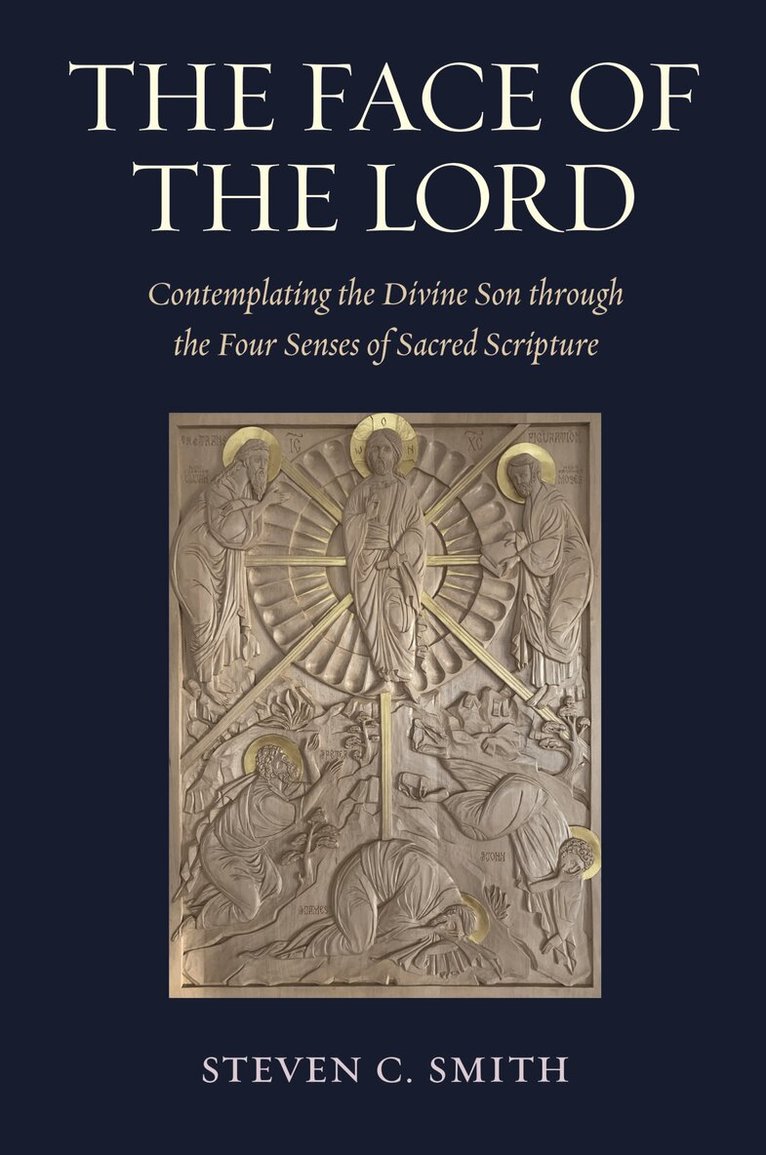
Face of the Lord
Contemplating the Divine Son Through the Four Senses of Sacred Scripture
Inbunden, Engelska, 2020
688 kr
Skickas inom 7-10 vardagar
Is it possible to “see God”? A close examination of the Bible suggests that answering this question is more complex—and interesting—than one might imagine. Following The Word of the Lord and The House of the Lord, this sweeping conclusion to Steven C. Smith’s trilogy asks whether it is possible to see God. After properly framing the question and citing scriptural examples, Smith takes the reader on an epic journey into the literal and spiritual meanings of biblical interpretation.Smith’s thesis is that the multiplicity of “senses” is a pathway and progression toward the face of the Lord. He leads the reader through five Old Testament theophany scenes, beginning with the patriarch Jacob “wrestling” with God and concluding with Job’s contending with the Voice from the Whirlwind. These five encounters span all three parts of the Old Testament: the Law, the Prophets, and the Writings.A tour de force much like Smith’s previous books, The Face of the Lord thoroughly examines each biblical episode from the standpoint of the Literal, Allegorical, Tropological (Moral), and Anagogical (Heavenly) senses. Smith engages all of the relevant literature—from ancient Jewish sources to Christian medieval masters to present-day theologians—without taking his eye off the central question: Can we see God? The result is a fresh, robust exploration of Sacred Scripture, drawing upon ancient, medieval, and contemporary exegesis in pursuit of this fascinating biblical question.
164 kr
Skickas inom 5-8 vardagar
250 kr
Skickas inom 5-8 vardagar