Steven J. Ramold - Böcker
Visar alla böcker från författaren Steven J. Ramold. Handla med fri frakt och snabb leverans.
2 produkter
2 produkter
659 kr
Skickas inom 7-10 vardagar
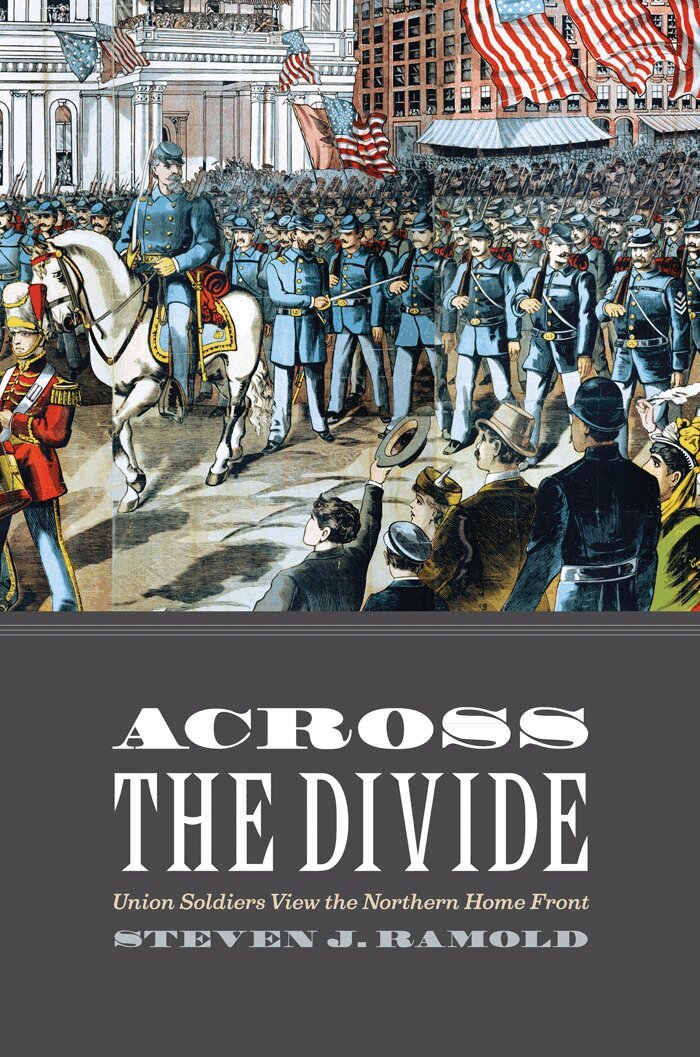
Unionsoldiers left home in 1861 with expectations that the conflict would be short,the purpose of the war was clear, and public support back home was universal.As the war continued, however, Union soldiers began to perceive a greatdifference between what they expected and what was actually occurring. Theirfamily relationships were evolving, the purpose of the war was changing, andcivilians were questioning the leadership of the government and Army to thepoint of debating whether the war should continue at all.Separatedfrom Northern civilians by a series of literal and figurative divides, Unionsoldiers viewed the growing disparities between their own expectations andthose of their families at home with growing concern and alarm. Instead ofsupport for the war, an extensive and oft-violent anti-war movement emerged.Often at odds with those at home and with limited means of communication totheir homes at their disposal, soldiers used letters, newspaper editorials, andpolitical statements to influence the actions and beliefs of their homecommunities. When communication failed, soldiers sometimes took extremistpositions on the war, its conduct, and how civilian attitudes about theconflict should be shaped. In thisfirst study of the chasm between Union soldiers and northern civilians, Steven J.Ramold reveals the wide array of factors that prevented the Union Army and thecivilians on whose behalf they were fighting from becoming a united frontduring the Civil War. In Across theDivide, Ramold illustrates how the divided spheres of Civil War experiencecreated social and political conflict far removed from the better-knownbattlefields of the war.
387 kr
Skickas inom 7-10 vardagar
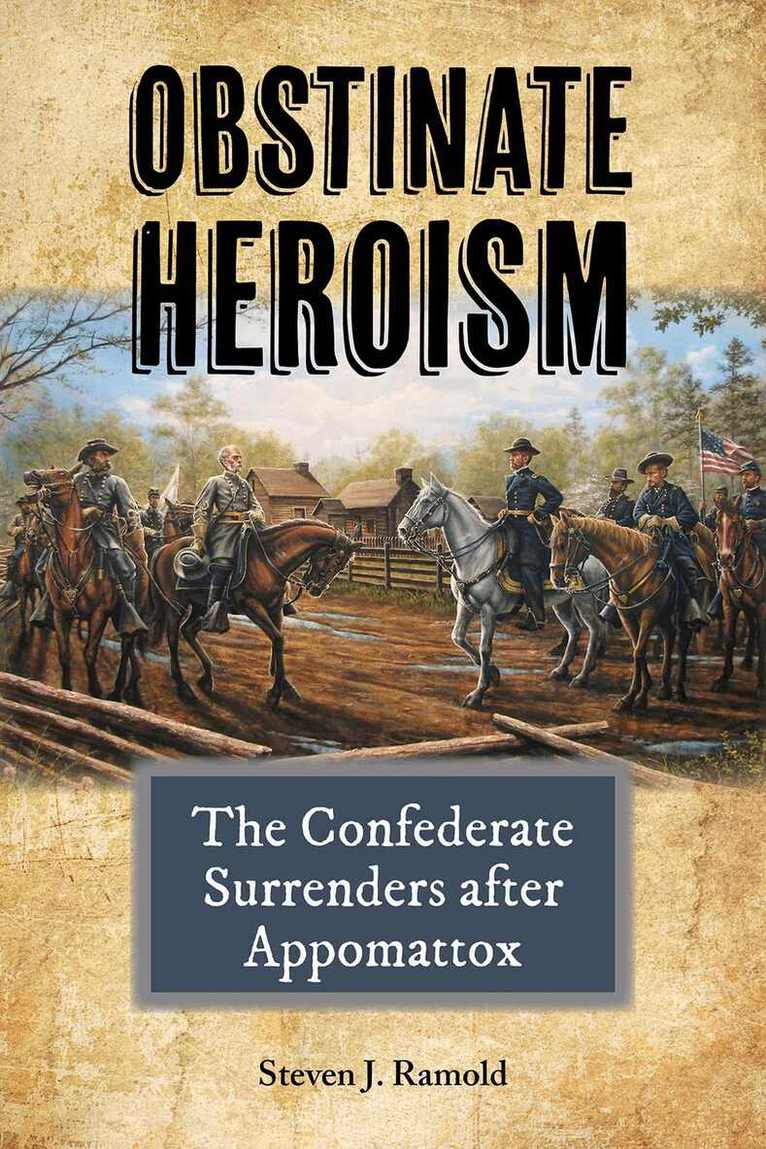
Despite popular belief, the Civil War did not end when Robert E. Lee surrendered to Ulysses S. Grant at Appomattox, Virginia, in April 1865. The Confederacy still had tens of thousands of soldiers under arms, in three main field armies and countless smaller commands scattered throughout the South. Although pressed by Union forces at varying degrees, all of the remaining Confederate armies were capable of continuing the war if they chose to do so. But they did not, even when their political leaders ordered them to continue the fight. Convinced that most civilians no longer wanted to continue the war, the senior Confederate military leadership, over the course of several weeks, surrendered their armies under different circumstances.Gen. Joseph Johnston surrendered his army in North Carolina only after contentious negotiations with Gen. William Tecumseh Sherman. Gen. Richard Taylor ended the fighting in Alabama in the face of two massive Union incursions into the state rather than try to consolidate with other Confederate armies. Personal rivalry also played a part in his practical considerations to surrender. Gen. Edmund Kirby Smith had the decision to surrender taken out of his hands - disastrous economic conditions in his Trans-Mississippi Department had eroded morale to such an extent that his soldiers demobilized themselves, leaving Kirby Smith a general without an army. The end of the Confederacy was a messy and complicated affair, a far cry from the tidy closure associated with the events at Appomattox.