Steven Loza - Böcker
Visar alla böcker från författaren Steven Loza. Handla med fri frakt och snabb leverans.
5 produkter
5 produkter
291 kr
Skickas inom 7-10 vardagar
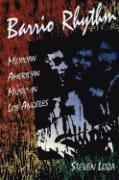
The hit movie La Bamba (based on the life of Richie Valens), the versatile singer Linda Ronstadt, and the popular rock group Los Lobos all have roots in the dynamic music of the Mexican American community in East Los Angeles. The "Eastside Renaissance" in the region gave barrio music a symbolic power throughout the Southwest, yet its story has remained undocumented and virtually untold. In Barrio Rhythm, Steven Loza brings this hidden history to life, demonstrating the music's essential role in the cultural development of East Los Angeles and its influence on mainstream popular culture. Drawing from oral histories and other primary sources, as well as from appropriate representative songs, Loza provides a historical overview of the music from the nineteenth century to the present and offers in-depth profiles of nine Mexican American artists, groups, and entrepreneurs in Southern California from the post-World War II era to the present. His interviews with many of today's most influential barrio musicians, including members of Los Lobos, chronicle the cultural forces active in this complex urban community.
665 kr
Skickas inom 3-6 vardagar
Steven Loza explores how the iconic aspects of religion transcend mere symbolism with a collection of essays that examine the arts and their relationship to religious belief in three cultural areas of the world: the Mexican mestizo belief in the Virgen de Guadalupe, the West African Yoruba religion's base in a divination system of orishas, and the Sufi sect of Islam's musical/textual practices of devotional ecstasy to God. The essays included here were originally presented at the 2004 international conference 'Towards a Theory for Religion as Art: Guadalupe, Orishas, and Sufi', organized by the Arts of the Americas Institute at the University of New Mexico. While they reflect the interdisciplinary design and dialog of the conference, the essays also reveal that many of the arts are conceptualized cross-culturally, ranging from visual art and poetry to music and dance, and offer comparative studies of their relationships to society, politics, and culture in general.
1 214 kr
Skickas inom 10-15 vardagar
Jazz great Gerald Wilson (1918-2014), born in Shelby, Mississippi, left a global legacy of paramount significance through his progressive musical ideas and his orchestra's consistent influence on international jazz. Aided greatly by interviews that bring Wilson's voice to the story, Steven Loza presents a perspective on what the musician and composer called his ""jazz pilgrimage.""Wilson uniquely adapted Latin influences into his jazz palette, incorporating many Cuban and Brazilian inflections as well as those of Mexican and Spanish styling. Throughout the book, Loza refers to Wilson's compositions and arrangements, including their historical contexts and motivations. Loza provides savvy musical readings and analysis of the repertoire. He concludes by reflecting upon Wilson's ideas on the place of jazz culture in America, its place in society and politics, its origins, and its future.With a foreword written by Wilson's son, Anthony, and such sources as essays, record notes, interviews, and Wilson's own reflections, the biography represents the artist's ideas with all their philosophical, historical, and cultural dimensions. Beyond merely documenting Wilson's many awards and recognitions, this book ushers readers into the heart and soul of a jazz creator. Wilson emerges a unique and proud African American artist whose tunes became a mosaic of the world.
377 kr
Skickas inom 10-15 vardagar
Jazz great Gerald Wilson (1918-2014), born in Shelby, Mississippi, left a global legacy of paramount significance through his progressive musical ideas and his orchestra's consistent influence on international jazz. Aided greatly by interviews that bring Wilson's voice to the story, Steven Loza presents a perspective on what the musician and composer called his ""jazz pilgrimage.""Wilson uniquely adapted Latin influences into his jazz palette, incorporating many Cuban and Brazilian inflections as well as those of Mexican and Spanish styling. Throughout the book, Loza refers to Wilson's compositions and arrangements, including their historical contexts and motivations. Loza provides savvy musical readings and analysis of the repertoire. He concludes by reflecting upon Wilson's ideas on the place of jazz culture in America, its place in society and politics, its origins, and its future.With a foreword written by Wilson's son, Anthony, and such sources as essays, record notes, interviews, and Wilson's own reflections, the biography represents the artist's ideas with all their philosophical, historical, and cultural dimensions. Beyond merely documenting Wilson's many awards and recognitions, this book ushers readers into the heart and soul of a jazz creator. Wilson emerges a unique and proud African American artist whose tunes became a mosaic of the world.
Ethnomusicologist’s Last Lecture
Music and Globalism, Philosophy and Religion
Inbunden, Engelska, 2023
1 177 kr
Skickas inom 10-15 vardagar
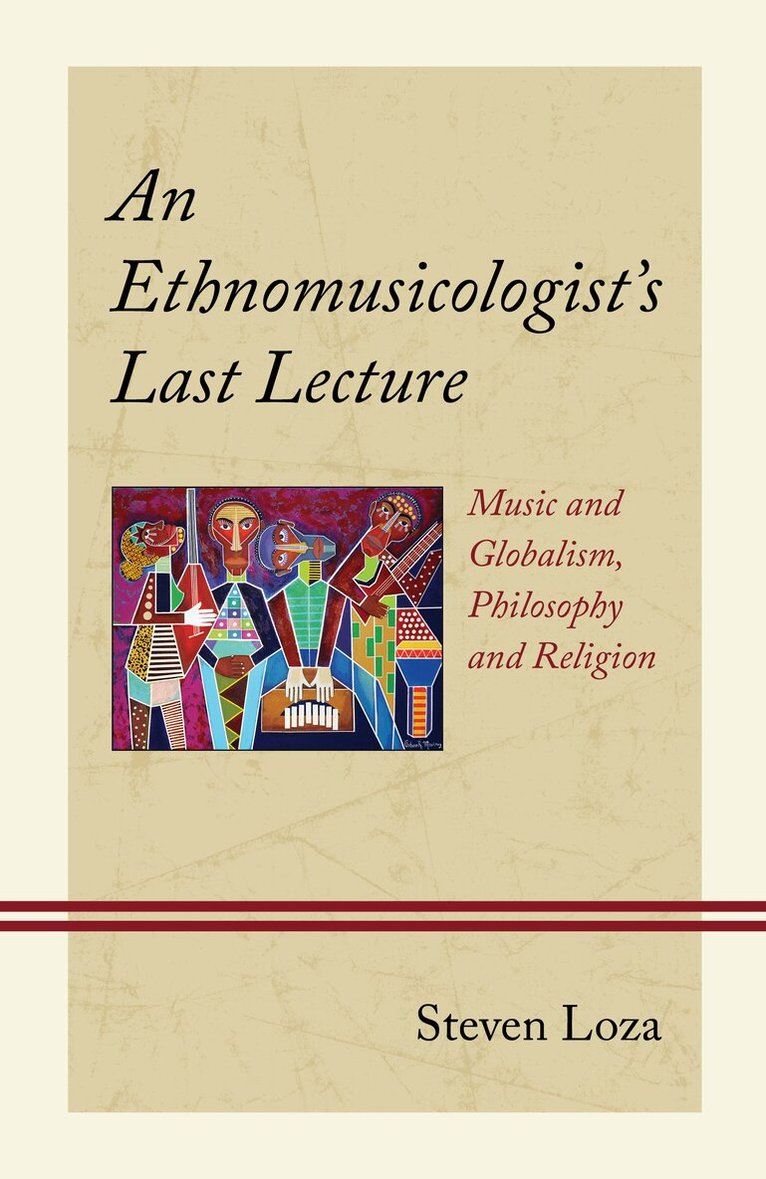
An Ethnomusicologist’s Last Lecture: Music and Globalism, Philosophy and Religion explores the frustration of many scholars and artists with the content and directions of studies on music, which continue to be mostly based on Western thought, methods, theories, and even the modes of communicating ideas, and mostly through written, published works. Steven Loza argues that this pattern has pervaded both philosophy and ethnomusicology, fields which should be much more globally based in terms of intellectual analysis, culturally diverse points of view, and the recognition of multiple ways of thinking and doing. He criticizes what he perceives as an intellectual hegemony and biased approach to studying music, including the standards to which academics are held responsible, the manner in which we and our students have had to study music, and the forms by which we are pressured to present our findings, many times adapting theories and ideas that have nothing to do with the cultures we are examining through a one way microscope – and often a distorted lens. Loza takes the reader through an assortment of historical and contemporary global examples of musical expression, creative artists, and thinkers, looking for ways that we can assess how music both reflects and enacts culturally diverse peoples’ beliefs, thoughts, and world views.