Steven Parissien - Böcker
Visar alla böcker från författaren Steven Parissien. Handla med fri frakt och snabb leverans.
10 produkter
10 produkter
Del 13 - Studies in British Art
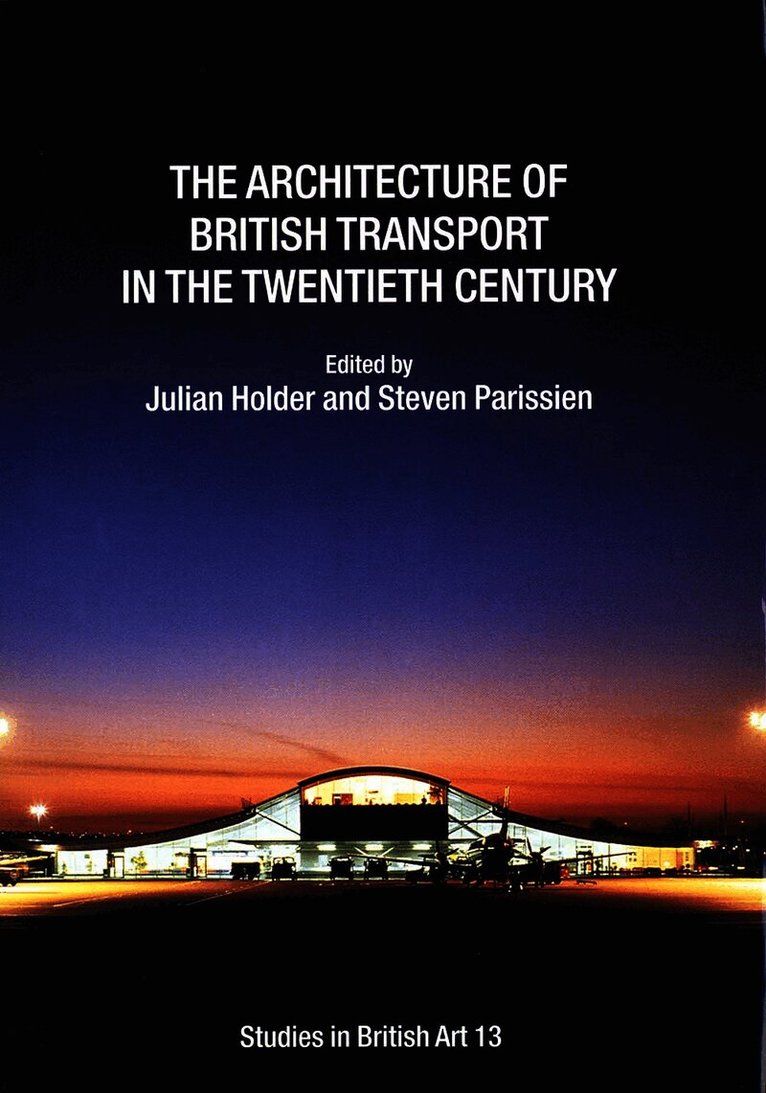
Architecture of British Transport in the Twentieth Century
Inbunden, Engelska, 2005
480 kr
Skickas inom 7-10 vardagar
Transport buildings—railway stations, airport terminals, bus and coach stations, motorway service areas, filling stations, and garages—are such a part of everyday scenery they are easily overlooked. This book is the first to take a close look at the architecture of British transport buildings of the twentieth century, a period during which transportation systems, methods, and even purposes underwent enormous change.The contributors to the book consider transport buildings both well known and unfamiliar from a variety of intriguing viewpoints. They explore the design and promotion of the London Underground, the battle between road and rail, the intentions of architects—to glamorize travel, to calm fears, to accommodate huge numbers of travelers—and the political and cultural significance of the transport buildings that have become a major part of modern life. Published for the Paul Mellon Centre for Studies in British Art
450 kr
Skickas inom 3-6 vardagar
370 kr
Skickas
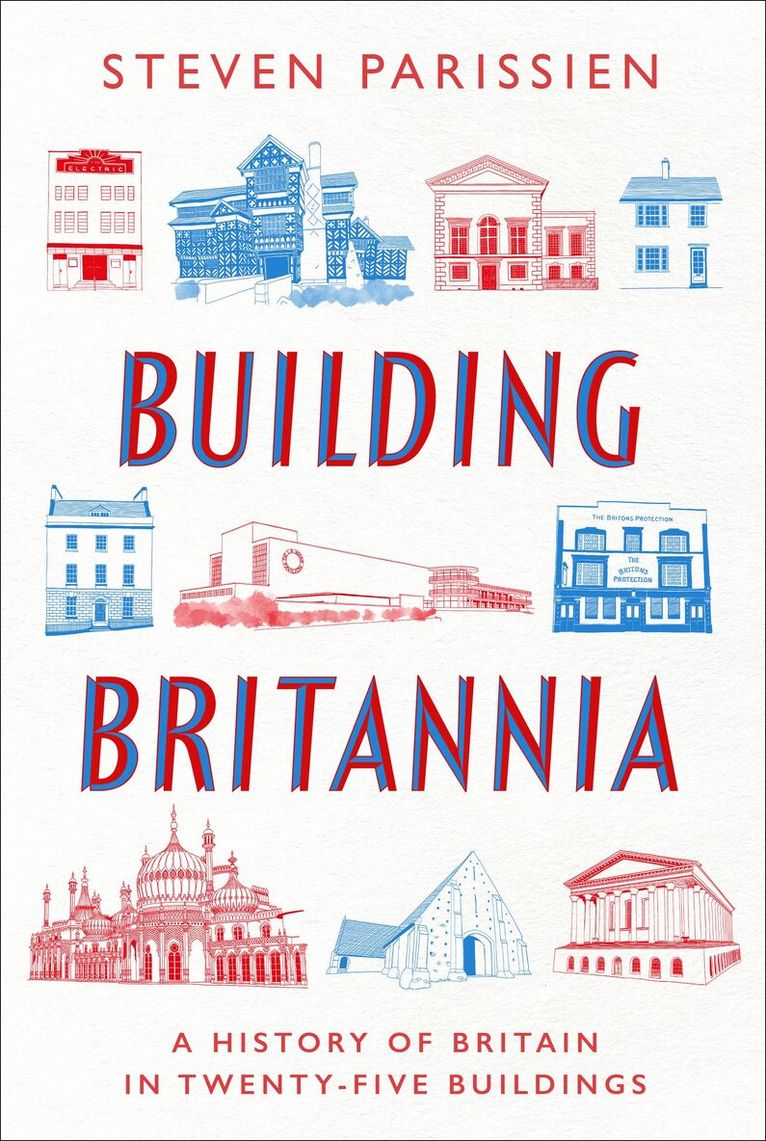
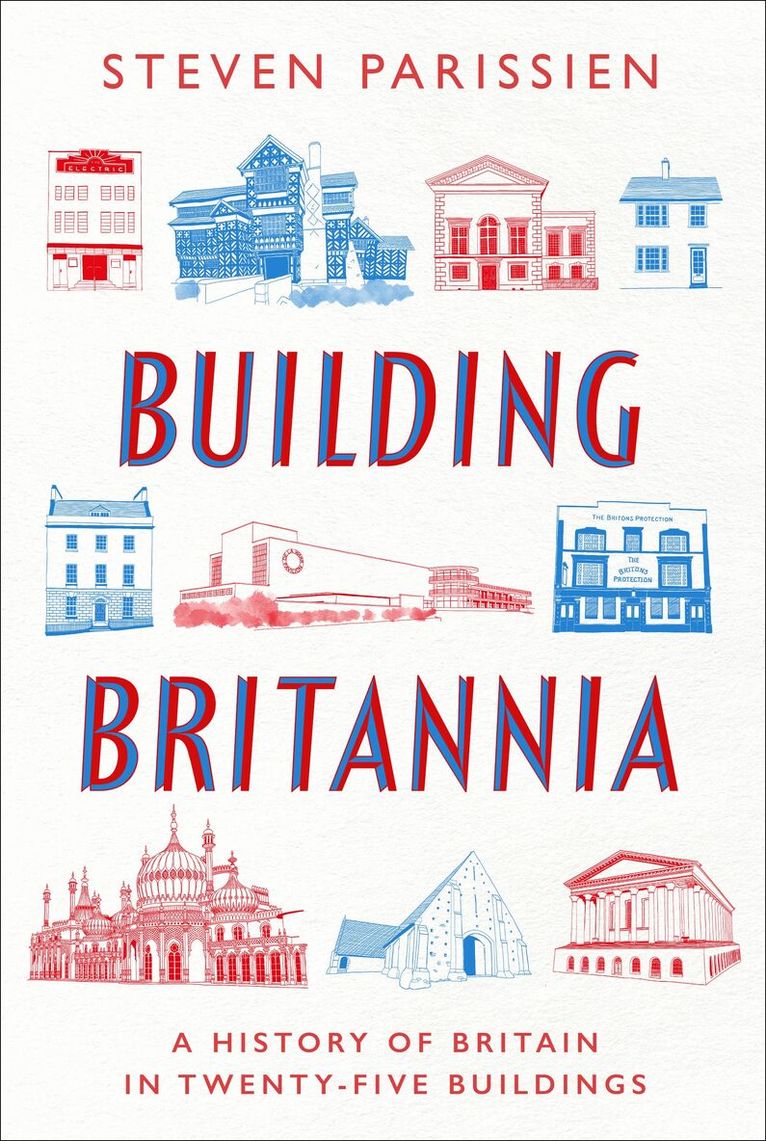
An ambitious history of Britain told through the stories of twenty-five notable structures, from the Iron Age fortification of Maiden Castle in Dorset to the Gherkin.Building Britannia is a chronicle of social, political and economic change seen through the prism of the country's built environment, but also a sequence of closely observed studies of a series of intrinsically remarkable structures: some of them beautiful or otherwise imposing; some of them more coldly functional; all of them with richly fascinating stories to tell.Steven Parissien tells both a national story, tracing how a growing sense of British nationhood was expressed through the country's architecture, and also examines how these structures were used by later generations to signpost, mythologise or remake British history.Rubbing shoulders with some 'expected' building choices – the Roman baths at Aquae Sulis, the early Gothic splendour of Lincoln Cathedral and the Tudor jewel that is Little Moreton Hall – are some striking inclusions that promise to open doors into what will be, for many readers, less familiar areas of social history: these include The Briton’s Protection, a Regency pub close in Manchester city centre and the Edwardian Baroque Electric Cinema in Notting Hill, one of the country's oldest working cinemas. Thus as well as identifying the relevance of certain iconic structures to the unfolding of the national story, Building Britannia finds fascination and meaning in the everyday and the disregarded.
163 kr
Kommande
An ambitious history of Britain told through the stories of twenty-five notable structures, from the Iron Age fortification of Maiden Castle in Dorset to the Gherkin.Building Britannia is a chronicle of social, political and economic change seen through the prism of the country's built environment, but also a sequence of closely observed studies of a series of intrinsically remarkable structures: some of them beautiful or otherwise imposing; some of them more coldly functional; all of them with richly fascinating stories to tell.Steven Parissien tells both a national story, tracing how a growing sense of British nationhood was expressed through the country's architecture, and also examines how these structures were used by later generations to signpost, mythologise or remake British history.Rubbing shoulders with some 'expected' building choices – the Roman baths at Aquae Sulis, the early Gothic splendour of Lincoln Cathedral and the Tudor jewel that is Little Moreton Hall – are some striking inclusions that promise to open doors into what will be, for many readers, less familiar areas of social history: these include The Briton’s Protection, a Regency pub close in Manchester city centre and the Edwardian Baroque Electric Cinema in Notting Hill, one of the country's oldest working cinemas. Thus as well as identifying the relevance of certain iconic structures to the unfolding of the national story, Building Britannia finds fascination and meaning in the everyday and the disregarded.
119 kr
Kommande
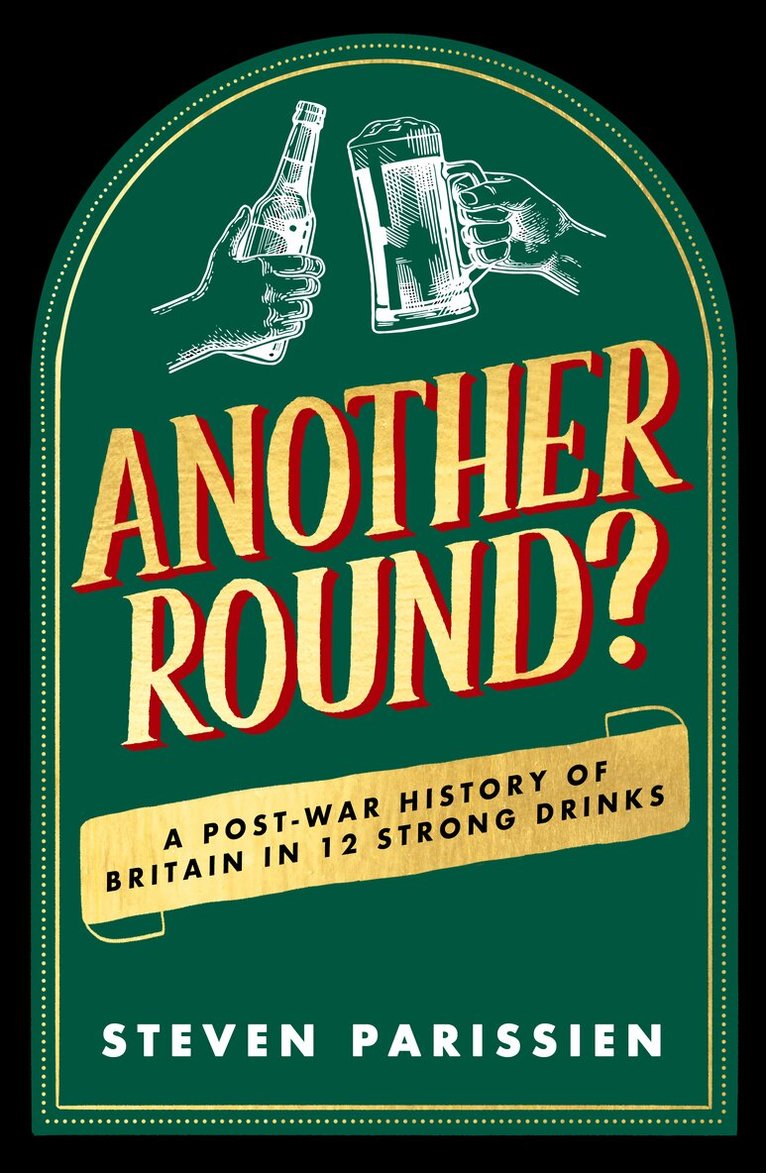
“It has dad present written all over it…” — The SpectatorRaise a glass to the Great British tradition of booze, and the twelve drinks that made it what it is today. Cheers!The history of Britain, perhaps more so than any other country, is defined by its drinking culture. Built on a foundation of pubs, clubs and watering holes, the UK has remained in the global top five for alcoholic intake per capita since 1700. It doesn't matter how it comes nip, schooner, pint or yard we will always gladly have another.But of such a vast and varied drinks menu, which are Britain's favourites? Which have stood the test of time? And what do they say about our wider culture?Steven Parissien's Another Round? uncorks contemporary Britain's relationship with booze in twelve very different drinks. From the 1950's classic Babysham, to the house party favourite WKD, these flagship brands reflected and redefined British culture and politics.For better or worse, the story of postwar Britain can be found at the bottom of every glass.
146 kr
Skickas inom 7-10 vardagar
Raise a glass to the Great British tradition of booze, and the twelve drinks that made it what it is today Cheers!The history of Britain, perhaps more so than any other country, is defined by its drinking culture. Built on a foundation of pubs, clubs and watering holes, the UK has remained in the global top five for alcoholic intake per capita since 1700. It doesn't matter how it comes nip, schooner, pint or yard we will always gladly have another.But of such a vast and varied drinks menu, which are Britain's favourites? Which have stood the test of time? And what do they say about our wider culture?Steven Parissien's Another Round? uncorks contemporary Britain's relationship with booze in twelve very different drinks. From the 1950's classic Babysham, to the house party favourite WKD, these flagship brands reflected and redefined British culture and politics.For better or worse, the story of postwar Britain can be found at the bottom of every glass.
931 kr
Skickas inom 7-10 vardagar
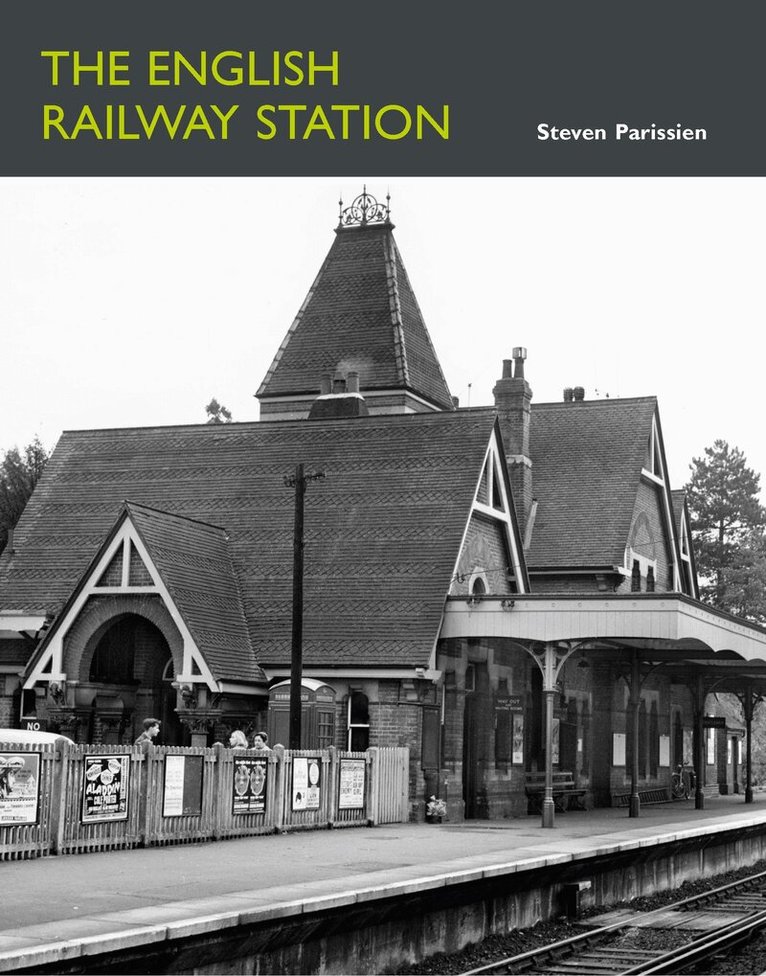
The railway station is one of England’s most distinctive and best-loved building-types. Yet over the past century the nation’s stations have often been overlooked or dismissed, and have suffered accordingly. Today a new interest in railways – fuelled by the need for sustainability, by a growing awareness of the realities of transport economics and by the dedication of enthusiastic volunteers at heritage railways across the country – has sparked a renaissance for the historic railway station and a new appreciation of the aesthetic virtues and regeneration potential of imaginative station architecture. The English Railway Station is an accessible, engaging and comprehensively illustrated general history of the architectural development and social history of the British railway station, from the dawn of the Railway Age to the ravages of the 1960s and the station’s rebirth at the end of the 20th century. It traces how the station evolved into a recognisable building type, examines the great cathedrals and the evocative country stations of the Victorian era, and looks at how the railway station has, over the last fifty years, regained its place at the heart of our communities.
257 kr
Tillfälligt slut
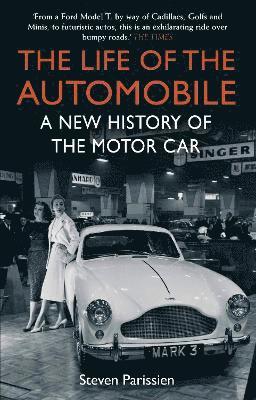
In this book Steven Parissien examines the impact, development and significance of the automobile over its turbulent and colourful 130-year history. He tells the story of the auto, and of its creators, from its earliest appearance in the 1880s - as little more than a powered quadricycle - via the early pioneer carmakers, the advances of the interwar era, the 'Golden Age' of the 1950s and the iconic years of the 1960s to the decades of doubt and uncertainty following the oil crisis of 1973, which culminated in the global mergers of the 1990s and the bailouts of the early twenty-first century. This is not just a story of horsepower and performance. The Life of the Automobile is a tale of people: of intuitive carmakers such as Benz, Agnelli, Royce and Citroën; of exceptionally gifted designers such as Issigonis, Lefebvre, Michelotti and Bangle; and of visionary industrialists such as Ford, Tata and Porsche. Above all, The Life of the Automobile demonstrates how the epic story of the car mirrors the history of the modern era, from the brave hopes and soaring ambitions of the early twentieth century to the cynicism and ecological concerns of a century later.
265 kr
Skickas inom 7-10 vardagar
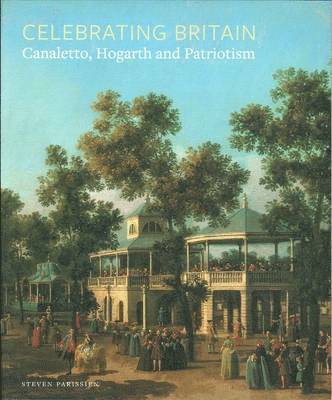
By 1750 Britain was - as Jacqueline Riding shows - at peace with her traditional enemy, France, and had finally extinguished the threat from the Catholic Jacobites. The art of William Hogarth – particularly his great canvas O The Roast Beef of Old England of 1749 – duly reflected this new sense of security and pride in being British. The economy was booming. Trade was expanding. And newly-confident Britons were no longer looking to Italy or France for their cultural exemplars, particularly in the field of architectural design. It was the ferment of activity, the eclectic building boom which underlines Britain’s wealth and optimism, and which marks the nation out as the new Venice, which is the real subject of Canaletto’s great canvases. Almost all of Canaletto’s views focused on a new architectural commission or a recent urban development, and were specifically designed to celebrate the latest achievements of British architecture and engineering. The Italian master was not alone. The vigorous and infectious patriotism of his works mirrored emerging nationalistic trends in popular culture during the 1740s, a decade which witnessed the canonization of William Shakespeare as a British hero, the creation of Handel’s Messiah and Arne’s immortal ‘Rule Britannia’, and, as Oliver Cox shows, the propagation of the nationalistic cult of King Alfred - and, more bizarrely, of the ‘flying king’ Bladud in Bath. As Pat Hardy explains, the presence of a significant group of artists working in London prior to Canaletto’s arrival, led by Samuel Scott, along with the strength of existing artistic practices and traditions and the vibrant print market for maps and surveys of London, suggests that the impact of the arrival of Canaletto was more complicated than may have previously been perceived. At the same time, Canaletto’s legacy survived throughout the eighteenth century, in the hands of native artists such as William Marlow.
237 kr
Skickas inom 7-10 vardagar
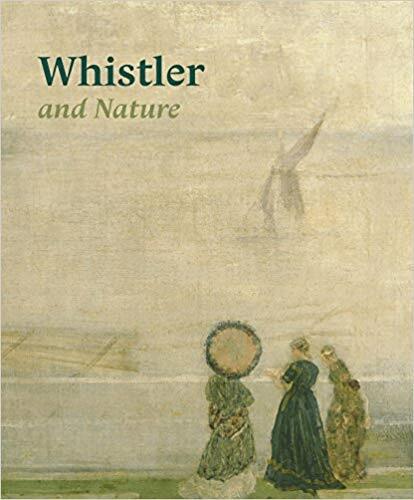
The Anglo-American artist James McNeill Whistler (1834 – 1903) is a household name – a man who inspired and astonished the Victorian world. Less well known, though, is the influence of nature on Whistler’s work. This innovative and compelling study reconsiders Whistler’s work from the context of his military service and his relationship with ‘nature at the margins,' showing how Whistler’s observation of nature and its moods underpinned his haunting visions of nineteenth-century life. This innovative and compelling study reconsiders Whistler’s work from the context of his military service and his relationship with ‘nature at the margins.' Whistler came from a family of soldiers and engineers; his father, Major George Washington Whistler, was originally a US military engineer. Drawing and mapmaking were important components of the military training that Whistler acquired as an officer cadet at West Point Academy in 1851-4 and subsequently in the Drawing Department at the US Coast and Geodetic Survey, where he attempted to realize his father’s hopes that he would make engineering or architecture his profession. These influences in turn shaped Whistler’s attitude towards nature, as expressed in works ranging from his celebrated London ‘Nocturnes’ to his French coastal scenes – all of which were created after Whistler moved permanently to Europe in 1855. Whistler’s close observation of nature and its moods underpinned his powerful and haunting visions of nineteenth-century life. His images explore the contrasts between the natural and man-made worlds: rivers and wharves, gardens and courtyards, the ideal and the naturalistic. And his singular vison was always defined by his enduring affinity with the makers of railways, bridges, and ships, the cornerstones of Victorian wealth and trade. Influenced by Rembrandt, Whistler’s early etchings of London are notable for their focus on line and topographical accuracy. From the 1860s, his enthusiasm for Japanese art, too, influenced his attitude to perspective and spatial relations between objects. This led him, in his London Nocturnes, to reduce the external world before him to its bare bones. Whistler’s smoky images of warehouses, bridges, harbours and tall ships were designed to showcase a new kind of productive, wealth-generating landscape. It is a view of nature constrained by man-made structures: the shadowy outline of the warehouses and chimneys on the far shore; the mast and rigging of a Thames barge in the middle distance. This absorbing book reassesses a familiar and notoriously colorful artistic figure in a fascinating and pertinent new light, and is an important new contribution to our understanding of the Victorian art world and its physical context.