Stewart E Tolnay – författare
Visar alla böcker från författaren Stewart E Tolnay. Handla med fri frakt och snabb leverans.
8 produkter
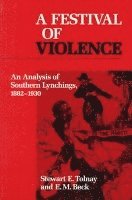
Festival of Violence
An Analysis of Southern Lynchings, 1882-1930
Häftad, 1995
4,0 utav 5 stjärnor. Totalt antal röster: (1)
339 kr
Lägg i varukorg
This finely detailed statistical study of lynching in ten southern states shows that economic and status concerns were at the heart of that violentpractice. Stewart Tolnay and E. M. Beck empirically test competing explanations of the causes of lynching, using U.S. Census and historical voting data …
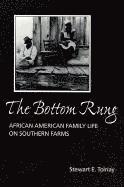
Bottom Rung
African American Family Life on Southern Farms
Häftad, 1998
399 kr
Lägg i varukorg
The Bottom Rung presents an in-depth investigation of a population that is becoming extinct in American society: the black farmer. Tracing patterns of marriage and childbearing among both whites and blacks during the first decades of this century, Stewart Tolnay pursues questions about how black …
American Diversity
A Demographic Challenge for the Twenty-first Century
Av Nancy A. Denton, Stewart E. Tolnay
Häftad, 2002
487 kr
Lägg i varukorg
Demographers explore population diversity in the United States.Presenting important work by well-known demographers, American Diversity focuses on U.S. population changes in the twenty-first century, emphasizing the nation's increasing racial and ethnic diversity. Rather than focusing on separate …
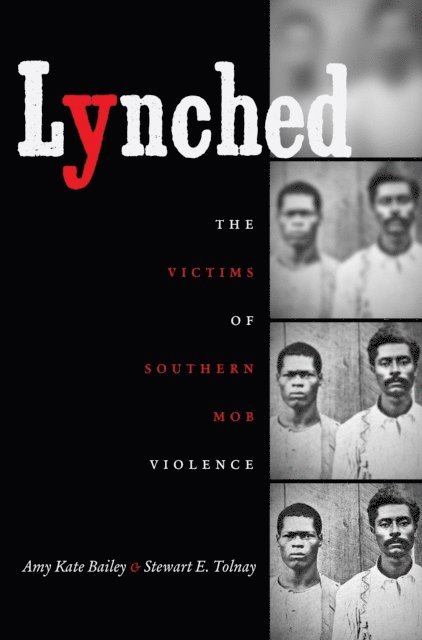
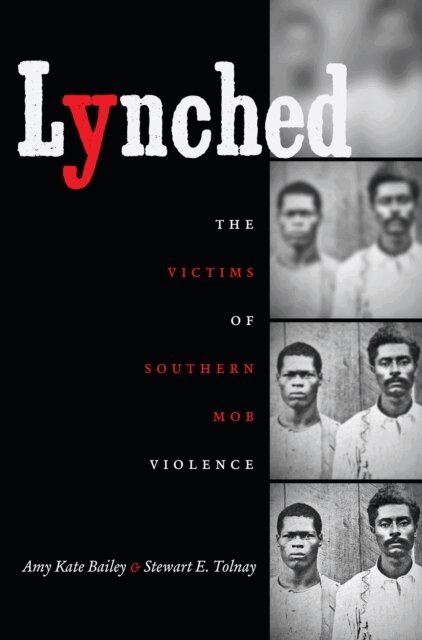
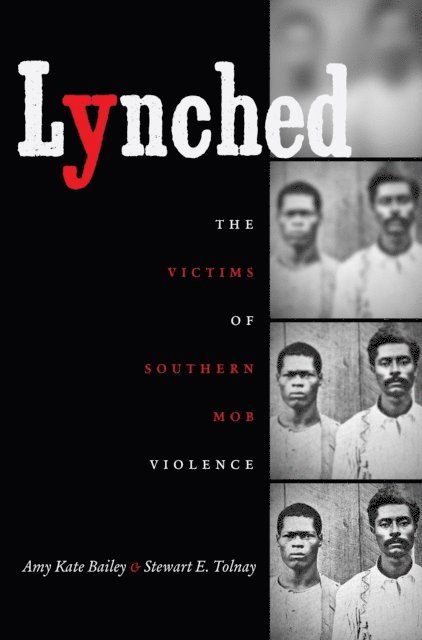
Lynched
The Victims of Southern Mob Violence
Av Amy Kate Bailey, Stewart E. Tolnay
Häftad, 2015
446 kr
Lägg i varukorg
On July 9, 1883, twenty men stormed the jail in Morehouse Parish, Louisiana, kidnapped Henderson Lee, a black man charged with larceny, and hanged him. Events like this occurred thousands of times across the American South in the late nineteenth and early twentieth centuries, yet we know scarcely …
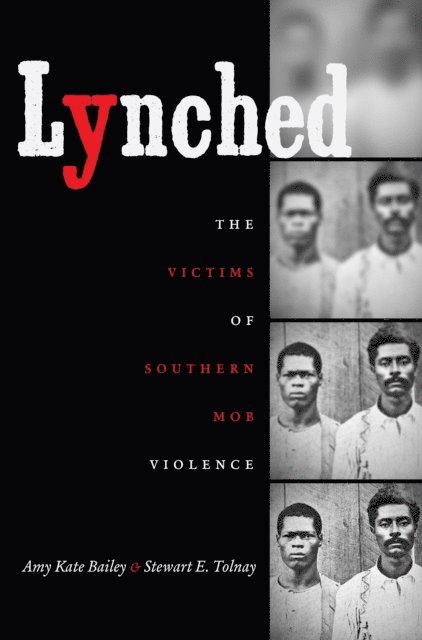
Lynched
The Victims of Southern Mob Violence
Av Stewart E. Tolnay, Amy Kate Bailey
E-bok, 2015
407 kr
Lägg i varukorg
On July 9, 1883, twenty men stormed the jail in Morehouse Parish, Louisiana, kidnapped Henderson Lee, a black man charged with larceny, and hanged him. Events like this occurred thousands of times across the American South in the late nineteenth and early twentieth centuries, yet we know scarcely …
Lynched
The Victims of Southern Mob Violence
Av Stewart E. Tolnay, Amy Kate Bailey
E-bok, 2015
987 kr
Lägg i varukorg
On July 9, 1883, twenty men stormed the jail in Morehouse Parish, Louisiana, kidnapped Henderson Lee, a black man charged with larceny, and hanged him. Events like this occurred thousands of times across the American South in the late nineteenth and early twentieth centuries, yet we know scarcely …
Lynched
The Victims of Southern Mob Violence
Av Stewart E. Tolnay, Amy Kate Bailey
E-bok, 2015
347 kr
Lägg i varukorg
On July 9, 1883, twenty men stormed the jail in Morehouse Parish, Louisiana, kidnapped Henderson Lee, a black man charged with larceny, and hanged him. Events like this occurred thousands of times across the American South in the late nineteenth and early twentieth centuries, yet we know scarcely …
Lynched
The Victims of Southern Mob Violence
Av Stewart E. Tolnay, Amy Kate Bailey
E-bok, 2015
1017 kr
Lägg i varukorg
On July 9, 1883, twenty men stormed the jail in Morehouse Parish, Louisiana, kidnapped Henderson Lee, a black man charged with larceny, and hanged him. Events like this occurred thousands of times across the American South in the late nineteenth and early twentieth centuries, yet we know scarcely …