Stijn Smet – författare
Visar alla böcker från författaren Stijn Smet. Handla med fri frakt och snabb leverans.
10 produkter
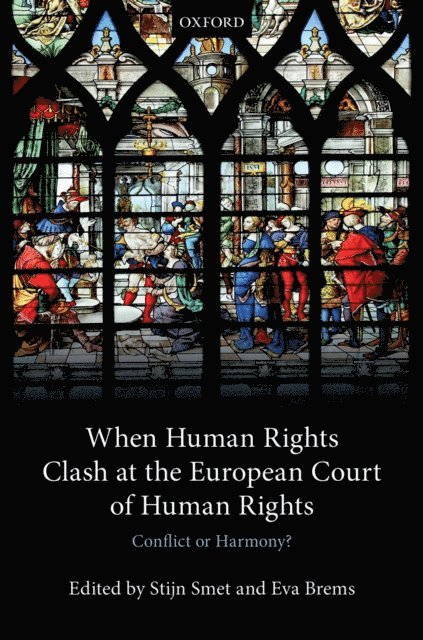
When Human Rights Clash at the European Court of Human Rights
Conflict or Harmony?
Av Eva Brems, Stijn Smet
E-bok, 2017
1333 kr
Lägg i varukorg
The notion of conflict rests at the heart of the judicial function. Judges are routinely asked to resolve disputes and defuse tensions. Yet, when judges are called upon to adjudicate a purported conflict between human rights, they face particular challenges and must address specific questions. Some …
When Human Rights Clash at the European Court of Human Rights
Conflict or Harmony?
Av Eva Brems, Stijn Smet
E-bok, 2017
1333 kr
Lägg i varukorg
The notion of conflict rests at the heart of the judicial function. Judges are routinely asked to resolve disputes and defuse tensions. Yet, when judges are called upon to adjudicate a purported conflict between human rights, they face particular challenges and must address specific questions. Some …
When Human Rights Clash at the European Court of Human Rights
Conflict or Harmony?
Av BREMS SMET, Stijn Smet m. fl.
Inbunden, 2017
2037 kr
Lägg i varukorg
The notion of conflict rests at the heart of the judicial function. Judges are routinely asked to resolve disputes and defuse tensions. Yet, when judges are called upon to adjudicate a purported conflict between human rights, they face particular challenges and must address specific questions. Some …
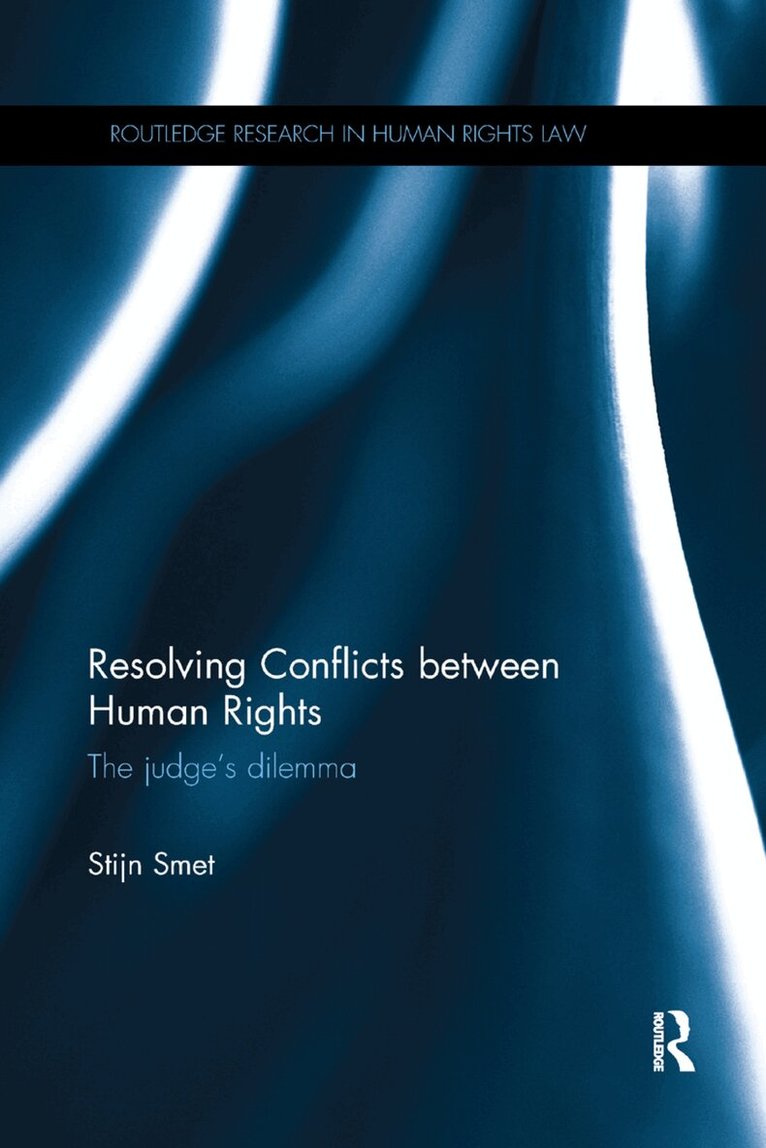
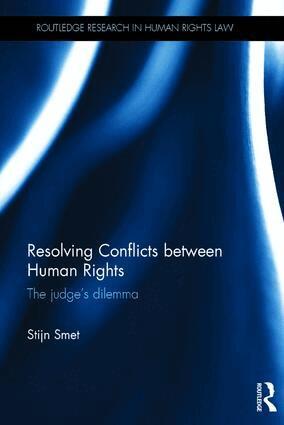
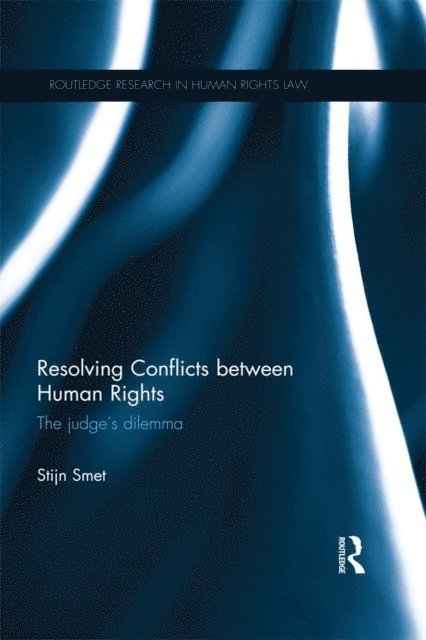
Resolving Conflicts between Human Rights
The Judge's Dilemma
Av Stijn Smet
Häftad, 2018
690 kr
Lägg i varukorg
Under the influence of the global spread of human rights, legal disputes are increasingly framed in human rights terms. Parties to a legal dispute can often invoke human rights norms in support of their competing claims. Yet, when confronted with cases in which human rights conflict, judges face a …
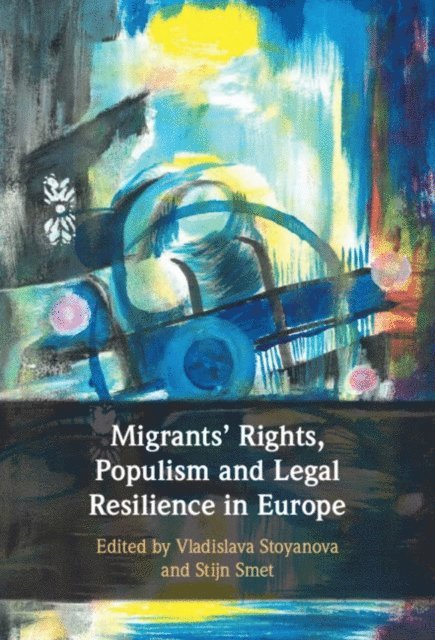
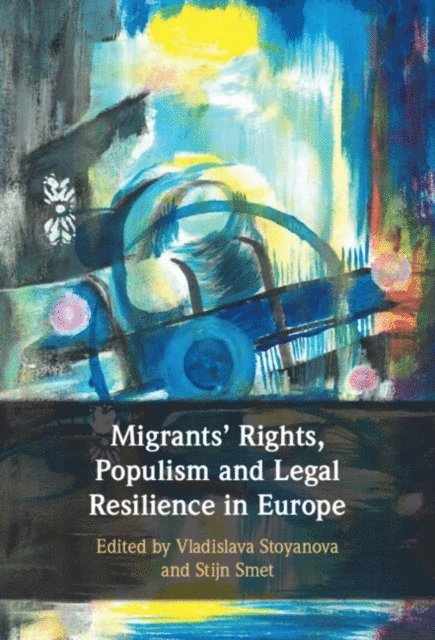
Migrants' Rights, Populism and Legal Resilience in Europe
Av Stijn Smet, Vladislava Stoyanova
E-bok, 2022
1560 kr
Lägg i varukorg
Bringing together scholars of migration and constitutional law, this volume analyses the problematic relationship between the rise of populism, restrictions of migrants'' rights and democratic decay in Europe. By offering both constructive and critical accounts, it creates a nuanced debate on the …
Migrants' Rights, Populism and Legal Resilience in Europe
Av Stijn Smet, Vladislava Stoyanova
E-bok, 2022
1526 kr
Lägg i varukorg
Bringing together scholars of migration and constitutional law, this volume analyses the problematic relationship between the rise of populism, restrictions of migrants'' rights and democratic decay in Europe. By offering both constructive and critical accounts, it creates a nuanced debate on the …
Resolving Conflicts between Human Rights
The Judge's Dilemma
Av Stijn Smet
Inbunden, 2016
2311 kr
Lägg i varukorg
Under the influence of the global spread of human rights, legal disputes are increasingly framed in human rights terms. Parties to a legal dispute can often invoke human rights norms in support of their competing claims. Yet, when confronted with cases in which human rights conflict, judges face a …
Migrants' Rights, Populism and Legal Resilience in Europe
Av Vladislava Stoyanova, Stijn Smet
Inbunden, 2022
1573 kr
Lägg i varukorg
Bringing together scholars of migration and constitutional law, this volume analyses the problematic relationship between the rise of populism, restrictions of migrants' rights and democratic decay in Europe. By offering both constructive and critical accounts, it creates a nuanced debate on the …
Resolving Conflicts between Human Rights
The Judge's Dilemma
Av Stijn Smet
E-bok, 2016
813 kr
Lägg i varukorg
Under the influence of the global spread of human rights, legal disputes are increasingly framed in human rights terms. Parties to a legal dispute can often invoke human rights norms in support of their competing claims. Yet, when confronted with cases in which human rights conflict, judges face a …
Resolving Conflicts between Human Rights
The Judge's Dilemma
Av Stijn Smet
E-bok, 2016
813 kr
Lägg i varukorg
Under the influence of the global spread of human rights, legal disputes are increasingly framed in human rights terms. Parties to a legal dispute can often invoke human rights norms in support of their competing claims. Yet, when confronted with cases in which human rights conflict, judges face a …