Stuart J. Foster - Böcker
Visar alla böcker från författaren Stuart J. Foster. Handla med fri frakt och snabb leverans.
5 produkter
5 produkter
642 kr
Skickas inom 7-10 vardagar
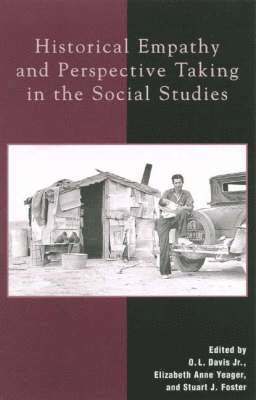
Contributors to this volume offer insights from the discipline of history about the nature of empathy and the necessity of examining perspectives on the past. On the basis of recent classroom research, they suggest tested guides to more robust teaching. The contributors insist that with experienced history and social studies teachers, students can learn many historical details and, with the use of empathy, develop deepened and textured interpretations of the history that they study.
What Shall We Tell the Children? International Perspectives on School History Textbooks
Häftad, Engelska, 2006
579 kr
Skickas inom 7-10 vardagar
The pages of this book illustrate that as instruments of socialization and sites of ideological discourse textbooks are powerful artefacts in introducing young people to a specific historical, cultural and socioeconomic order. Crucially, exploring the social construction of school textbooks and the messages they impart provides an important context from within which to critically investigate the dynamics underlying the cultural politics of education and the social movements that form it and which are formed by it. The school curriculum is essentially the knowledge system of a society incorporating its values and its dominant ideology. The curriculum is not “our knowledge” born of a broad hegemonic consensus, rather it is a battleground in which cultural authority and the right to define what is labelled legitimate knowledge is fought over. As each chapter in this book illustrates curriculum as theory and practice has never been, and can never be, divorced from the ethical, economic, political, and cultural conflicts of society which impact so deeply upon it. We cannot escape the clear implication that questions about what knowledge is of most worth and about how it should be organized and taught are problematic, contentious and very serious.
What Shall We Tell the Children? International Perspectives on School History Textbooks
Inbunden, Engelska, 2006
1 023 kr
Skickas inom 7-10 vardagar
The pages of this book illustrate that as instruments of socialization and sites of ideological discourse textbooks are powerful artefacts in introducing young people to a specific historical, cultural and socioeconomic order. Crucially, exploring the social construction of school textbooks and the messages they impart provides an important context from within which to critically investigate the dynamics underlying the cultural politics of education and the social movements that form it and which are formed by it. The school curriculum is essentially the knowledge system of a society incorporating its values and its dominant ideology. The curriculum is not “our knowledge” born of a broad hegemonic consensus, rather it is a battleground in which cultural authority and the right to define what is labelled legitimate knowledge is fought over. As each chapter in this book illustrates curriculum as theory and practice has never been, and can never be, divorced from the ethical, economic, political, and cultural conflicts of society which impact so deeply upon it. We cannot escape the clear implication that questions about what knowledge is of most worth and about how it should be organized and taught are problematic, contentious and very serious.
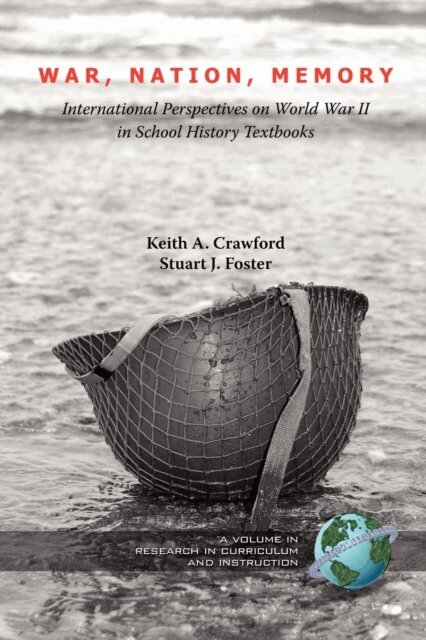
War, Nation, Memory
International Perspectives on World War II in School History Textbooks
Häftad, Engelska, 2007
546 kr
Skickas inom 7-10 vardagar
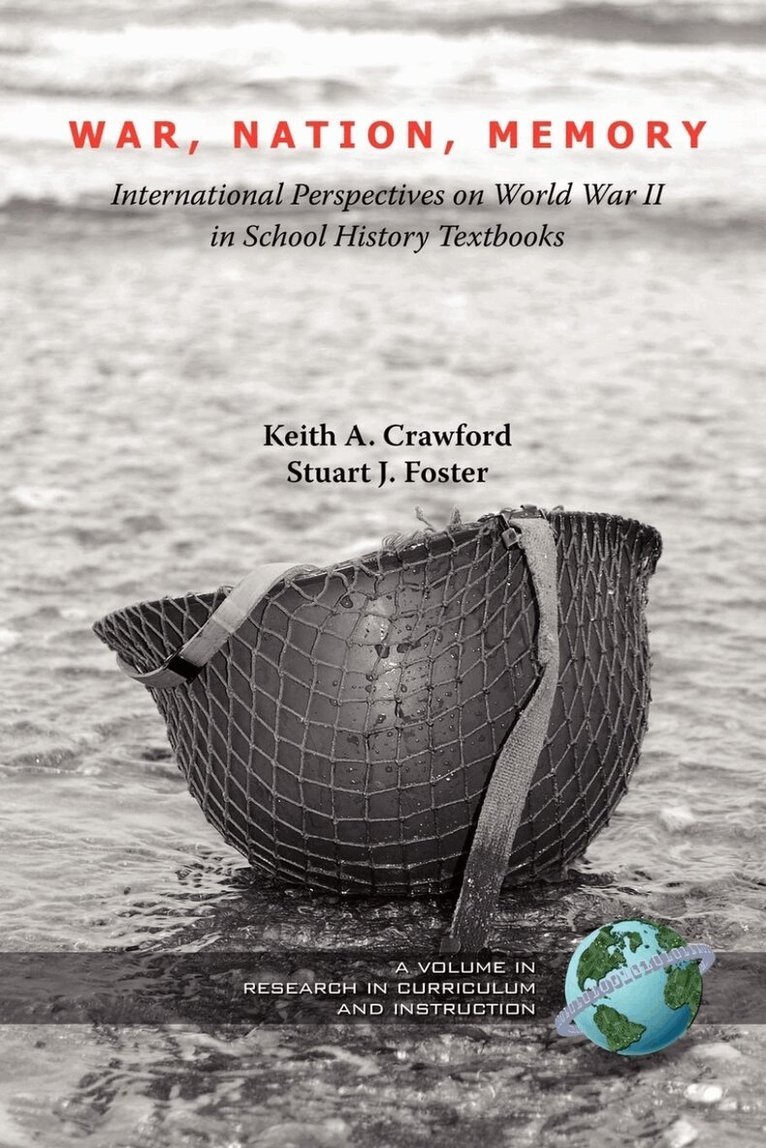
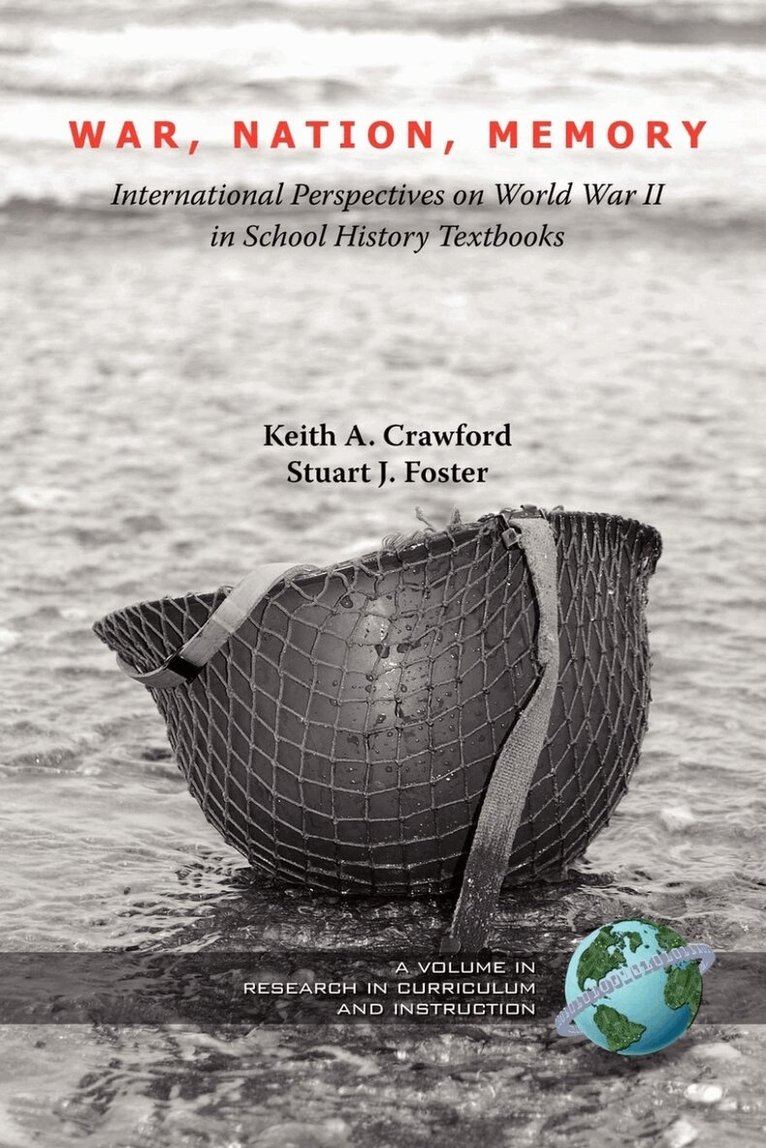
The Second World War stands as the most devastating and destructive global conflict in human history. More than 60 nations representing 1.7 billion people or three quarters of the world’s population were consumed by its horror. Not surprisingly, therefore, World War II stands as a landmark episode in history education throughout the world and its prominent place in school history textbooks is almost guaranteed. As this book demonstrates, however, the stories that nations choose to tell their young about World War II do not represent a universally accepted “truth” about events during the war. Rather, wartime narratives contained in school textbooks typically are selected to instil in the young a sense of national pride, common identify, and shared collective memory. To understand this process War, Nation, Memory describes and evaluates school history textbooks from many nations deeply affected by World War II including China, France, Germany, Japan, USA, and the United Kingdom. It critically examines the very different and complex perspectives offered in many nations and analyses the ways in which textbooks commonly serve as instruments of socialisation and, in some cases, propaganda. Above all, War, Nation, Memory demonstrates that far from containing “neutral” knowledge, history textbooks prove fascinating cultural artefacts consciously shaped and legitimated by powerful ideological, cultural, and sociopolitical forces dominant in the present.
War, Nation, Memory
International Perspectives on World War II in School History Textbooks
Inbunden, Engelska, 2007
1 007 kr
Skickas inom 7-10 vardagar
The Second World War stands as the most devastating and destructive global conflict in human history. More than 60 nations representing 1.7 billion people or three quarters of the world’s population were consumed by its horror. Not surprisingly, therefore, World War II stands as a landmark episode in history education throughout the world and its prominent place in school history textbooks is almost guaranteed. As this book demonstrates, however, the stories that nations choose to tell their young about World War II do not represent a universally accepted “truth” about events during the war. Rather, wartime narratives contained in school textbooks typically are selected to instil in the young a sense of national pride, common identify, and shared collective memory. To understand this process War, Nation, Memory describes and evaluates school history textbooks from many nations deeply affected by World War II including China, France, Germany, Japan, USA, and the United Kingdom. It critically examines the very different and complex perspectives offered in many nations and analyses the ways in which textbooks commonly serve as instruments of socialisation and, in some cases, propaganda. Above all, War, Nation, Memory demonstrates that far from containing “neutral” knowledge, history textbooks prove fascinating cultural artefacts consciously shaped and legitimated by powerful ideological, cultural, and sociopolitical forces dominant in the present.