Stuart King – författare
Visar alla böcker från författaren Stuart King. Handla med fri frakt och snabb leverans.
7 produkter
Brutalism Resurgent
Häftad, 2018
771 kr
Lägg i varukorg
Brutalism had its origins in béton brut – concrete in the raw – and thus in the post-war work of Le Corbusier. The British architects Alison and Peter Smithson used the term "New Brutalism" from 1953, claiming that if their house in Soho had been built, "it would have been the first exponent of the …
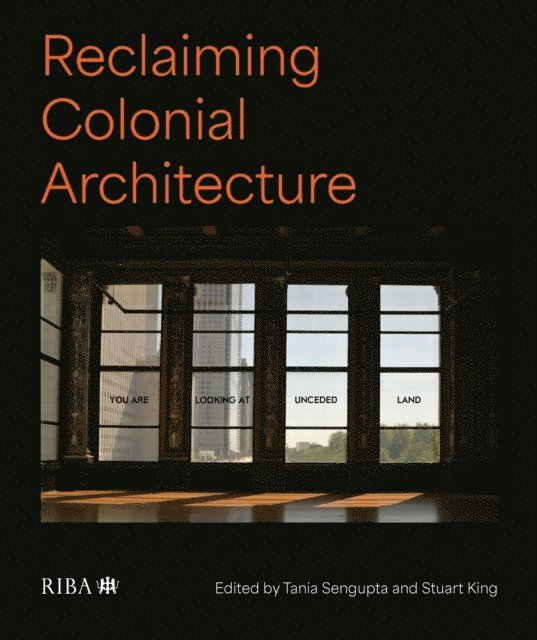
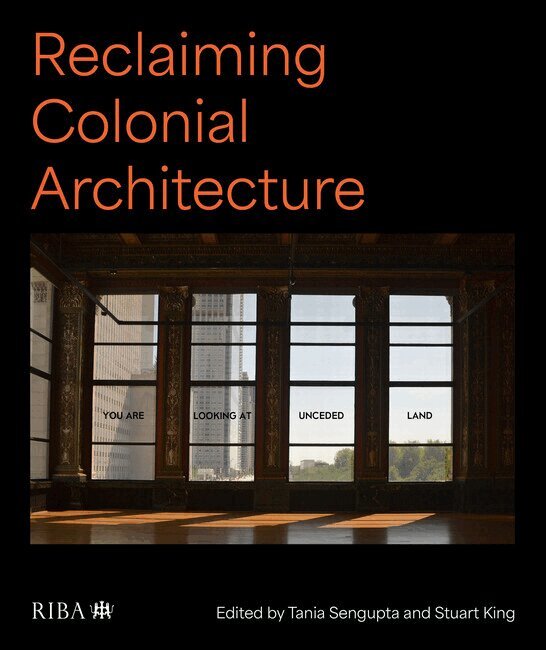
Reclaiming Colonial Architecture
Av Stuart King, Tania Sengupta
E-bok, 2024
803 kr
Lägg i varukorg
Our world is full of lands, cities, buildings and artefacts, many of which are deposits and residues of colonial times and, more pervasively, colonial processes. Reclaiming Colonial Architecture unpacks the built inheritances of colonialism and re-thinks how we might understand, narrate, intervene …
Reclaiming Colonial Architecture
Av Stuart King, Tania Sengupta
E-bok, 2024
803 kr
Lägg i varukorg
Our world is full of lands, cities, buildings and artefacts, many of which are deposits and residues of colonial times and, more pervasively, colonial processes. Reclaiming Colonial Architecture unpacks the built inheritances of colonialism and re-thinks how we might understand, narrate, intervene …
Brutalism Resurgent
Inbunden, 2016
2585 kr
Lägg i varukorg
Brutalism had its origins in béton brut – concrete in the raw – and thus in the post-war work of Le Corbusier. The British architects Alison and Peter Smithson used the term "New Brutalism" from 1953, claiming that if their house in Soho had been built, "it would have been the first exponent of the …
Brutalism Resurgent
E-bok, 2018
910 kr
Lägg i varukorg
Brutalism had its origins in béton brut – concrete in the raw – and thus in the post-war work of Le Corbusier. The British architects Alison and Peter Smithson used the term "New Brutalism" from 1953, claiming that if their house in Soho had been built, "it would have been the first exponent …
Brutalism Resurgent
E-bok, 2018
910 kr
Lägg i varukorg
Brutalism had its origins in béton brut – concrete in the raw – and thus in the post-war work of Le Corbusier. The British architects Alison and Peter Smithson used the term "New Brutalism" from 1953, claiming that if their house in Soho had been built, "it would have been the first exponent …
Reclaiming Colonial Architecture
Av Tania Sengupta, Stuart King m. fl.
Inbunden, 2024
672 kr
Lägg i varukorg
Our world is full of lands, cities, buildings and artefacts, many of which are deposits and residues of colonial times and, more pervasively, colonial processes. Reclaiming Colonial Architecture unpacks the built inheritances of colonialism and re-thinks how we might understand, narrate, intervene …