Sumita Mukherjee – författare
Visar alla böcker från författaren Sumita Mukherjee. Handla med fri frakt och snabb leverans.
24 produkter
Nationalism, Education and Migrant Identities
The England-returned
Häftad, 2011
749 kr
Lägg i varukorg
This book examines the role western-education and social standing played in the development of Indian nationalism in the early twentieth century. It highlights the influences that education abroad had on a significant proportion of the Indian population. A large number of Indian students - …
Nationalism, Education and Migrant Identities
The England-returned
Inbunden, 2009
2585 kr
Lägg i varukorg
This book examines the role western-education and social standing played in the development of Indian nationalism in the early twentieth century. It highlights the influences that education abroad had on a significant proportion of the Indian population. A large number of Indian students - …
Nationalism, Education and Migrant Identities
The England-returned
E-bok, 2009
883 kr
Lägg i varukorg
This book examines the role western-education and social standing played in the development of Indian nationalism in the early twentieth century. It highlights the influences that education abroad had on a significant proportion of the Indian population. A large number of Indian students - …
Nationalism, Education and Migrant Identities
The England-returned
E-bok, 2009
883 kr
Lägg i varukorg
This book examines the role western-education and social standing played in the development of Indian nationalism in the early twentieth century. It highlights the influences that education abroad had on a significant proportion of the Indian population. A large number of Indian students - …
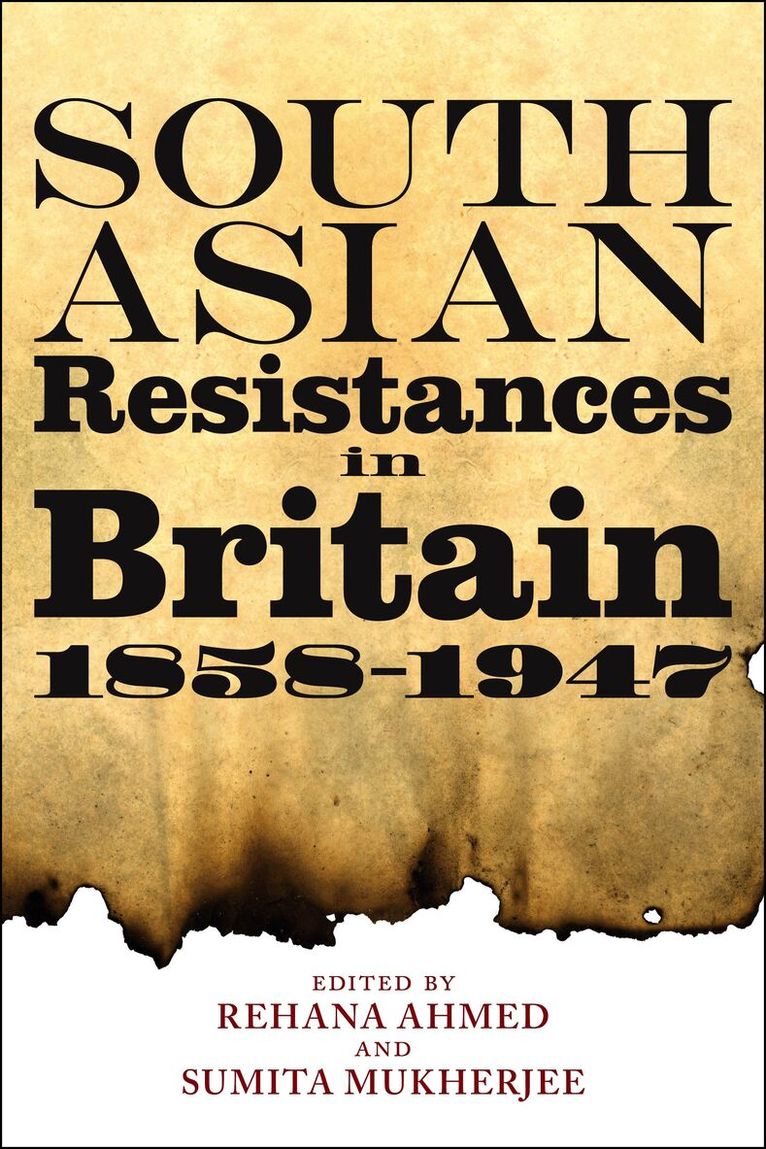
South Asian Resistances in Britain, 1858 - 1947
Av Sumita Mukherjee, Rehana Ahmed
Häftad, 2012
574 kr
Lägg i varukorg
This title offers an alternative view of imperial history, exploring the pioneering ways in which South Asians within Britain engaged in radical discourse and political activism. This volume offers an alternative way of conceiving the history of Britain by excavating and exploring the numerous ways …
South Asian Resistances in Britain, 1858 - 1947
Av Sumita Mukherjee, Rehana Ahmed
E-bok, 2011
626 kr
Lägg i varukorg
This volume offers an alternative way of conceiving the history of Britain by excavating and exploring the numerous ways in which South Asians in Britain engaged in radical discourse and political activism from 1858 to 1947, before their more permanent migration and settlement. The book focuses on …
South Asian Resistances in Britain, 1858 - 1947
Av Sumita Mukherjee, Rehana Ahmed
E-bok, 2011
626 kr
Lägg i varukorg
This volume offers an alternative way of conceiving the history of Britain by excavating and exploring the numerous ways in which South Asians in Britain engaged in radical discourse and political activism from 1858 to 1947, before their more permanent migration and settlement. The book focuses on …
South Asian Resistances in Britain, 1858 - 1947
Av Sumita Mukherjee, Rehana Ahmed
Inbunden, 2012
2188 kr
Lägg i varukorg
This volume offers an alternative way of conceiving the history of Britain by excavating and exploring the numerous ways in which South Asians in Britain engaged in radical discourse and political activism from 1858 to 1947, before their more permanent migration and settlement. The book focuses on …
Arts and Crafts: Activity Pack with Arts and Craft Projects: 4-10 Year Old Kids!
Häftad
240 kr
Lägg i varukorg
Chemistry and Magic: Activity Pack with Chemistry and Magic Projects: 4-10 Year Old Kids!
Häftad
249 kr
Lägg i varukorg
Energy and Electricity: Activity Pack with projects on Energy and Electricity: 4-10 Year Old Kids!
Häftad
218 kr
Lägg i varukorg
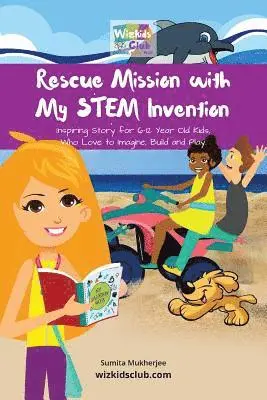
Rescue Mission with My STEM Invention: Engineering story book for kids 6-10 years
Häftad
243 kr
Lägg i varukorg
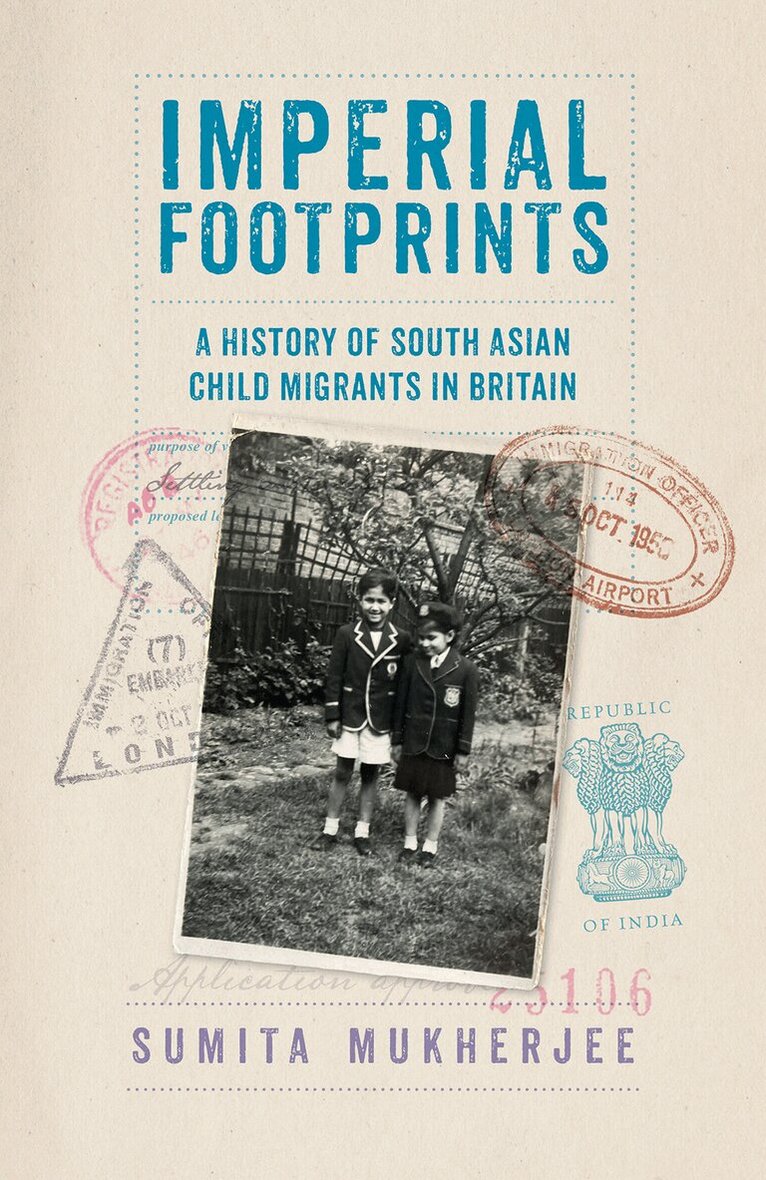
Imperial Footprints
A History of South Asian Child Migrants in Britain
Häftad, 2026
280 kr
Lägg i varukorg
From the Victorian era to Partition, Mukherjee uncovers the unique experiences of the very youngest South Asian migrants to Britain. ‘Evocative and original. This is an important book in understanding the long story of South Asians in Britain.’ — Kavita Puri, journalist, broadcaster and author of …
Imperial Footprints
A History of South Asian Child Migrants in Britain
E-bok, 2026
262 kr
Lägg i varukorg
From the Victorian era to Partition, Mukherjee uncovers the unique experiences of the very youngest South Asian migrants to Britain.Between 1857 and 1947, over 28 million Indians left the subcontinent to live, work and study elsewhere. Today, India has the largest diaspora in the world, with …