Susan L. Cohen - Böcker
Visar alla böcker från författaren Susan L. Cohen. Handla med fri frakt och snabb leverans.
4 produkter
4 produkter
Del 21 - Journal of Ancient Egyptian Interconnections
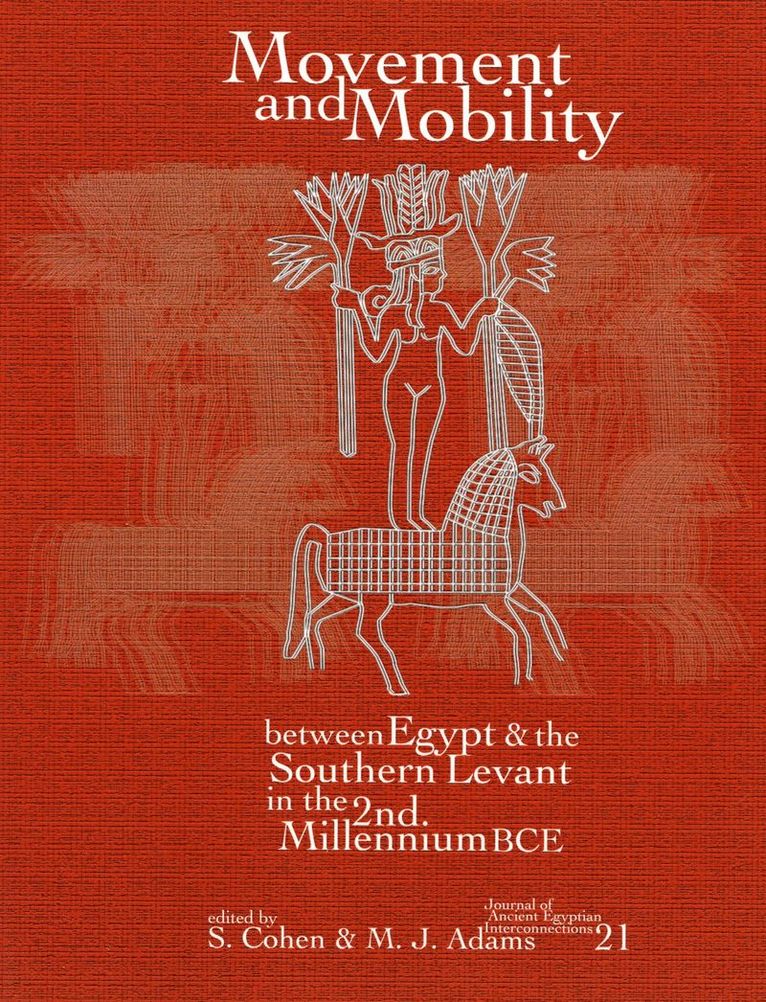
Movement and Mobility Between Egypt and the Southern Levant in the Second Millennium BCE
Häftad, Engelska, 2019
761 kr
Skickas inom 5-8 vardagar
The second millennium BCE in the ancient Near East saw increased interactions and interconnections between Egypt and the regions of the southern Levant. The essays in this volume explore these interconnections. Mobility and movement between these regions were key factors in the exchange of ideas, technologies and values; they were, therefore, essential components of the evolution of both societies. The archaeological record provides a wealth of material for reconstructing expressions of cultures, identities, status, and economic ways of life based on questions of mobility.
Excavations at Tel Zahara (2006-2009): Final Report
The Hellenistic and Roman Strata
Häftad, Engelska, 2013
972 kr
Skickas inom 5-8 vardagar
Del 13 - Journal of Ancient Egyptian Interconnections
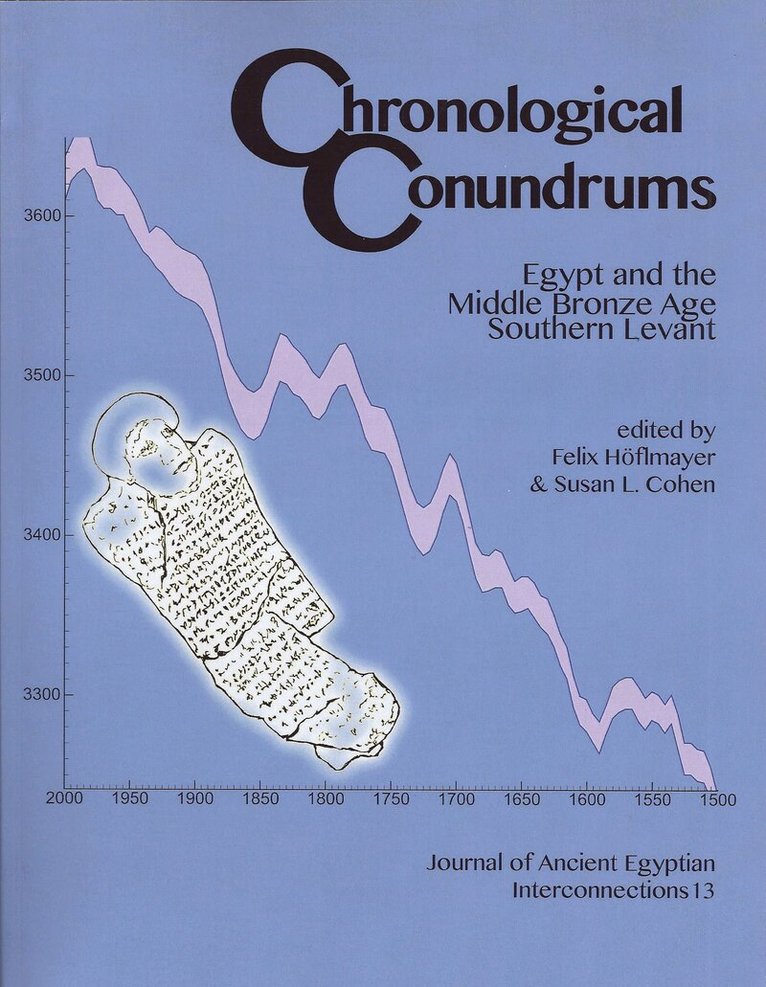
Chronological Conundrums
Egypt and the Middle Bronze Age Southern Levant
Häftad, Engelska, 2017
761 kr
Skickas inom 5-8 vardagar
This new volume brings together papers given at the Middle Bronze Age in the Southern Levant Revisited: Chronology and Connections session of the Annual Meeting of the American Schools of Oriental Research in San Antonio, Texas, in November 2016. The goal of the session was to stimulate a renewed discussion on Middle Bronze Age chronology for the southern Levant and its connections with Egypt, as several recent radiocarbon sequences from several sites challenge current chronological assessments and, thus, correlations with the historical chronology of Egypt. Changing the chronology of the Middle Bronze Age would have significant impact on current views on history and development of Near Eastern societies during the first half of the second millennium BCE. The articles assembled here give a first impression of this debate about historical trajectories, absolute chronology, and how discussion might develop in the future.
Del 3 - Studies in the Archaeology and History of the Levant
Canaanites, Chronologies, and Connections
The Relationship of Middle Bronze Iia Canaan to Middle Kingdom Egypt
Häftad, Engelska, 2002
768 kr
Skickas inom 5-8 vardagar
The beginning of the Middle Bronze Age (MB IIA) in Canaan (ca. 1950-1740 B.C.E.) set the stage for many of the cultural, political, and economic institutions that shaped the ancient Near East. Particular theoretical models for the analysis of complex societies are used in this study to examine textual, pictorial, and archaeological evidence relating to the nature and organization of MB IIA Canaan. The written and pictorial evidence pertaining to Egyptian-Canaanite contact indicates a fluid relationship that changed over time in response to changing social, political, and economic developments in both cultures. As a result, Egyptian policy toward Canaan was multifaceted, including approaches ranging from the use of military force to magical rites. The analysis of MB IIA site-distribution indicates that Canaanite settlement first developed in areas on the coast most conducive to agricultural growth. It then progressed according to a dendritic pattern of organization along the east-west wadi systems into the interior in response to a growing demand for resources and raw materials, fueled in part by contact with Egypt and the international world of the eastern Mediterranean. Chronological correlations between the Canaanite settlement systems and Middle Kingdom Egypt also indicate that the beginning of the MB IIA in Canaan dates well into the Middle Kingdom, rather than being contemporary with its beginnings, as previously understood. Findings concerning the Canaanite-Egyptian relationship, Canaanite site-distribution, and chronological connections between these two regions all illustrate the development of Canaan from a society in the first stages of urbanization to a fully urbanized one, setting the stage for the rise of the Hyksos to power in Egypt.