Susan Mann – författare
Visar alla böcker från författaren Susan Mann. Handla med fri frakt och snabb leverans.
17 produkter
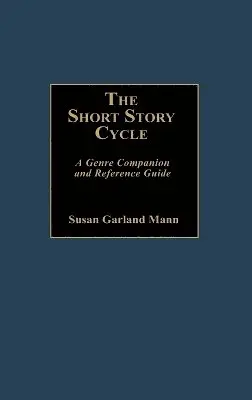
Short Story Cycle
A Genre Companion and Reference Guide
Av Susan Mann
Inbunden, 1988
984 kr
Lägg i varukorg
This guide is an excellent beginning for the study of a little-recognized genre and will be needed by all academic libraries. ChoiceDuring the 1970s many distinguished writers began experimenting with the short story cycle, a literary form that achieved prominence in the early decades of the …
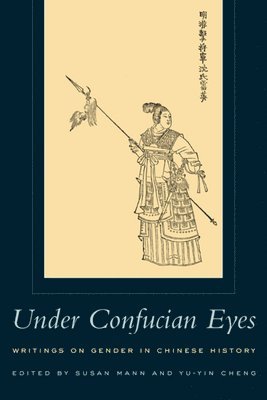
Under Confucian Eyes
Writings on Gender in Chinese History
Häftad, 2001
286 kr
Lägg i varukorg
These translations of eighteen classical Chinese texts from the mid-ninth century (Tang dynasty) through the late nineteenth century (Qing dynasty) offer a comprehensive collection of primary sources focusing on gender issues in medieval and late imperial China. The book's title reflects the …
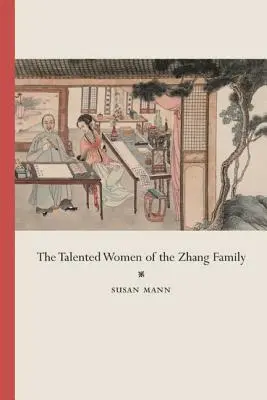
Talented Women of the Zhang Family
Av Susan Mann
Häftad, 2007
456 kr
Lägg i varukorg
The history of China in the nineteenth century usually features men as the dominant figures in a chronicle of warfare, rebellion, and dynastic decline. This book challenges that model and provides a different account of the era, history as seen through the eyes of women. Basing her remarkable study …
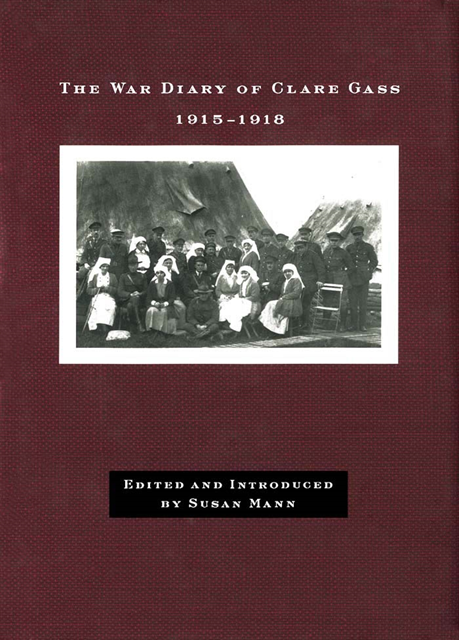
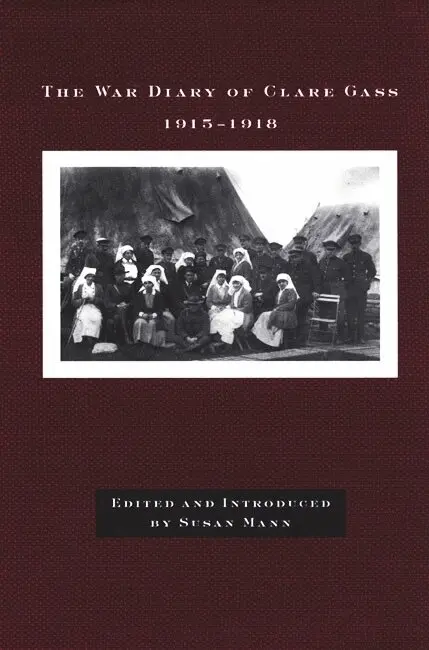
War Diary of Clare Gass
Av Clare Gass, Susan Mann
E-bok, 2000
311 kr
Lägg i varukorg
During the First World War Clare Gass spent four years as a lieutenant and nursing sister in the medical corps of the Canadian Expeditionary Force. The War Diary of Clare Gass documents her daily experiences, from the beginning of her military training in 1915 to her return from Europe in 1918. …
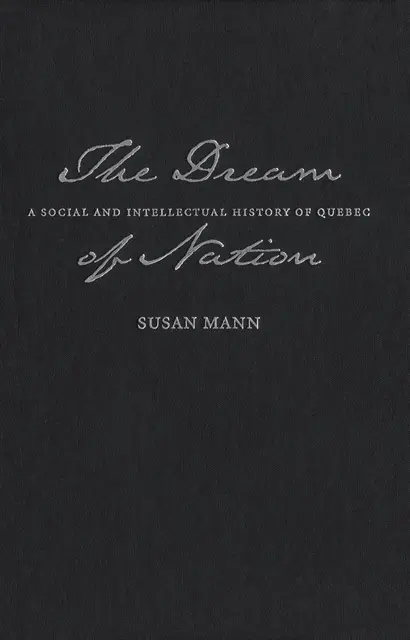
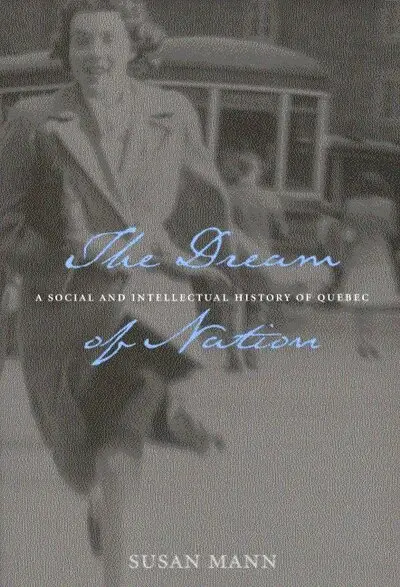
Dream of Nation
Av Susan Mann
E-bok, 2002
1102 kr
Lägg i varukorg
Essential reading for an understanding of contemporary Quebec, The Dream of Nation traces the changing nature of various "dreams of nation," from the imperial dream of New France to the separatist dream of the 1980 referendum. Susan Mann demonstrates that these dreams, fashioned by elites in …
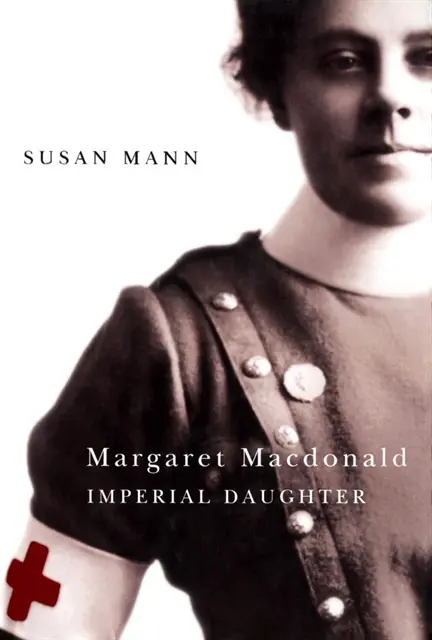
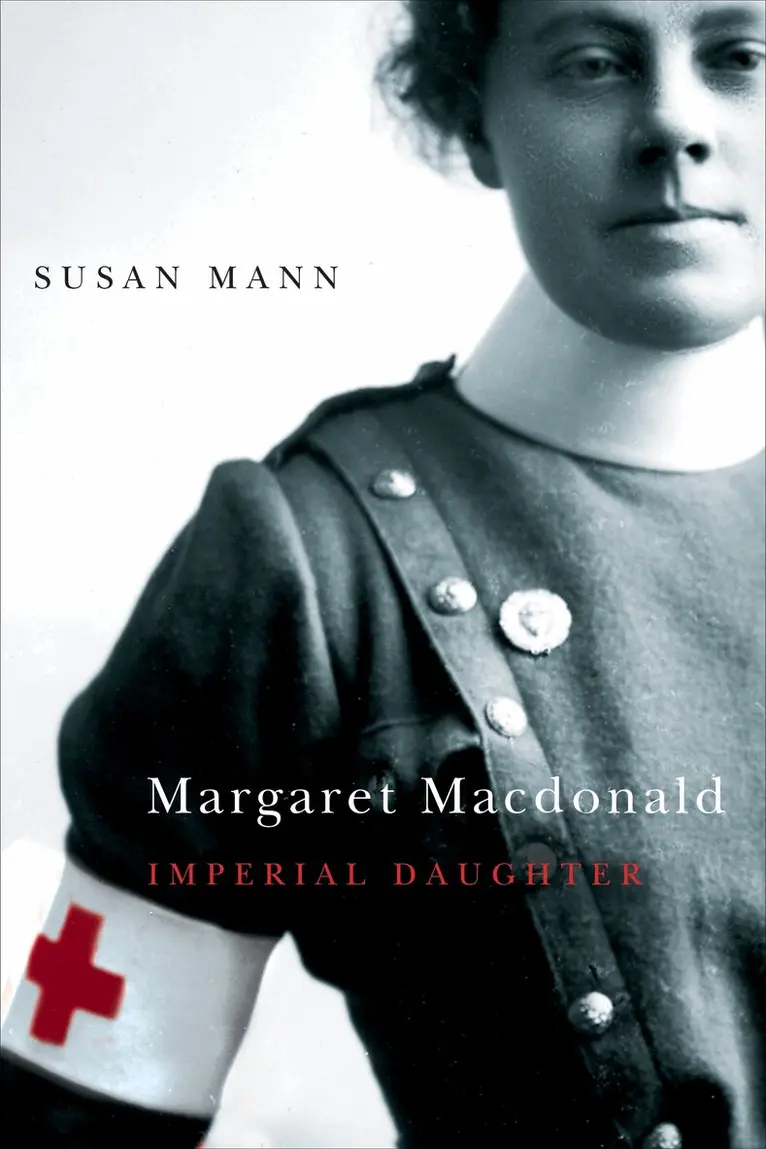
Margaret Macdonald
Imperial Daughter
Av Susan Mann
E-bok, 2005
341 kr
Lägg i varukorg
During an era of separate spheres for men and women, Margaret Macdonald used her nurse''s training to gain access to the military and a life of work, travel, and adventure. In 1906, she was one of the first two nurses to receive a permanent appointment to the Canadian Army Medical Corps. She became …
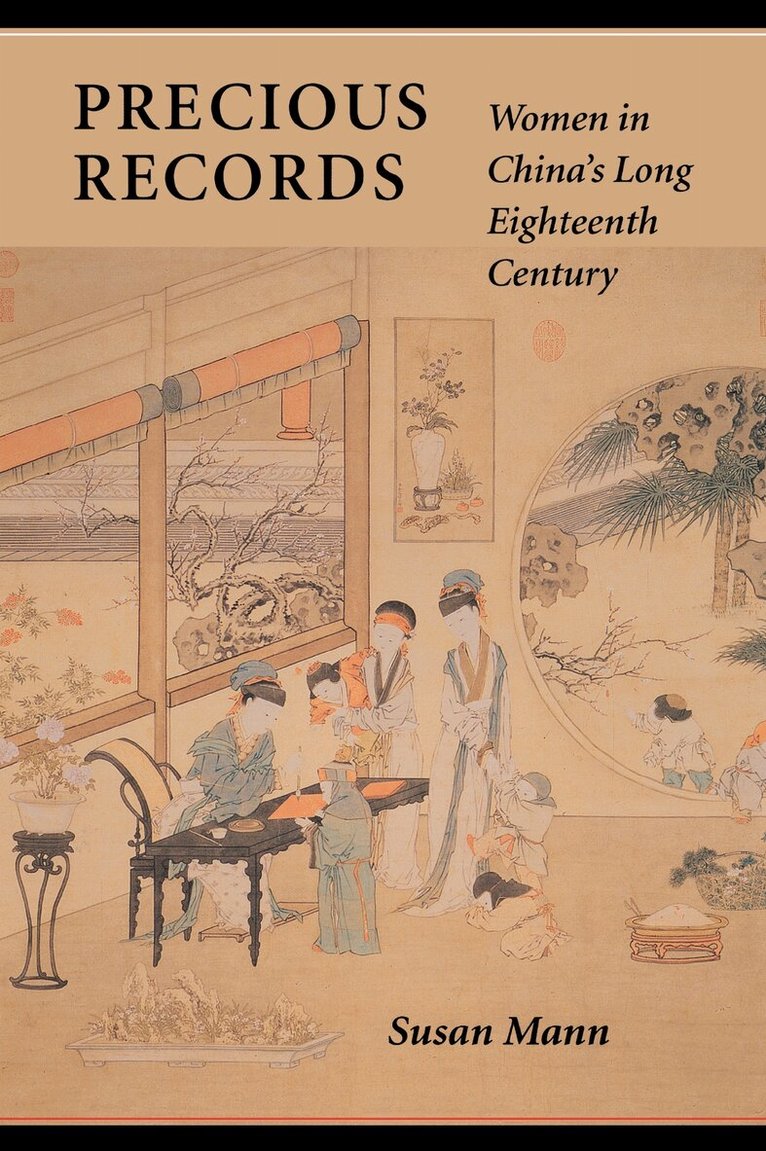
Precious Records
Women in China's Long Eighteenth Century
Av Susan Mann
Inbunden, 1997
1523 kr
Lägg i varukorg
This first book-length study of gender relations in the Lower Yangzi region during the High Qing era (c. 1683-1839) challenges enduring late-nineteenth-century perspectives that emphasized the oppression and subjugation of Chinese women. Placing women at the center of the High Qing era shows how …
Precious Records
Women in China's Long Eighteenth Century
Av Susan Mann
Häftad, 1997
354 kr
Lägg i varukorg
This first book-length study of gender relations in the Lower Yangzi region during the High Qing era (c. 1683-1839) challenges enduring late-nineteenth-century perspectives that emphasized the oppression and subjugation of Chinese women. Placing women at the center of the High Qing era shows how …
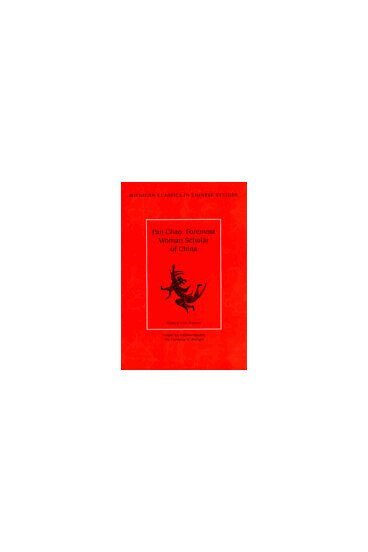
Pan Chao
Foremost Woman Scholar of China
Av Dennis Swann, Nancy Lee Swann m. fl.
Häftad, 2001
279 kr
Lägg i varukorg
First published in 1932, Pan Chao is perhaps the earliest work by an American scholar on a Chinese woman intellectual. Alongside the story of Pan’s life, Nancy Lee Swann sketches the Eastern Han period when Pan lived and wrote, her family background, and the literary milieu of which she was a part. …
Librarian and the Spy
Av Susan Mann
E-bok, 2017
122 kr
Lägg i varukorg
A mystery loving librarian gets her very own romantic adventure with a British spy in this humorous romantic suspense. Shelve under: Libraries, Spies, Falling in Love, London. Adventure-hungry Quinn Ellington solves mundane mysteries for library patrons while indulging her taste for intrigue with …
Covert Affair
Av Susan Mann
E-bok, 2017
76 kr
Lägg i varukorg
910.4 TRAVEL, adventurous 306.7 ROMANCE, secret 341.5 HOSTAGES, saving A CIA librarian and her handsome spy boyfriend find themselves in the middle of an international incident when the Indian ambassador is kidnapped from a Library of Congress event. Agent-in-training Quinn Ellington and James …
Uncommon Honeymoon
Av Susan Mann
E-bok, 2017
76 kr
Lägg i varukorg
Shelve under: Spies, Russian, Librarian Spies, Conspiracies. Librarian and rookie CIA covert operative Quinn Ellington revises her honeymoon plans when she and her brand-new spy husband uncover a drug trafficking ring stretching from the Caribbean to St. Petersburg. Turquoise waters, white sand, …
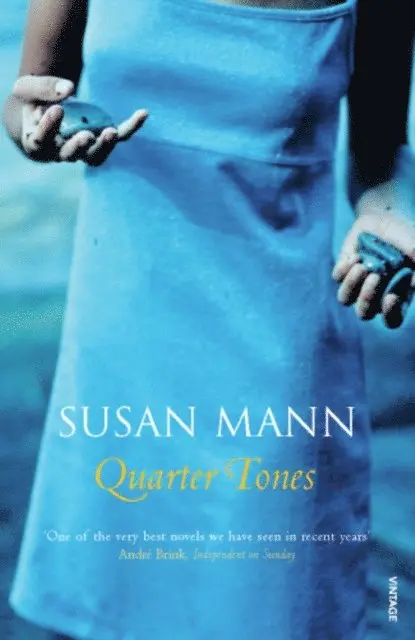
Quarter Tones
Av Susan Mann
E-bok, 2011
100 kr
Lägg i varukorg
The most important things are hardest to find words for, her father once said. That's why people make music.When Ana returns to the ramshackle cottage of her youth in the seaside village of Noordhoek, near Cape Town, she does so with the intention of sorting out her father's affairs. It soon …
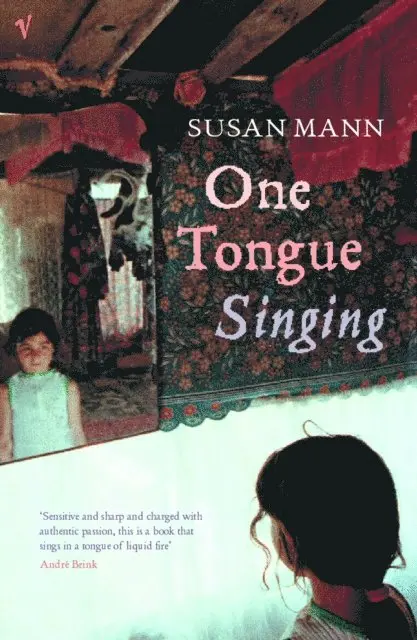
One Tongue Singing
Av Susan Mann
E-bok, 2011
102 kr
Lägg i varukorg
Camille Pascal, a young, unmarried French nurse comes to South Africa with her father and her small daughter, Zara, during the closing years of the apartheid regime. The family settles amongst a wine-growing community in the Western Cape where they become involved in the lives of victims of the …
Dream of Nation
Second Edition
Av Susan Mann
Häftad, 2002
397 kr
Tillfälligt slut
Essential reading for an understanding of contemporary Quebec, The Dream of Nation traces the changing nature of various "dreams of nation," from the imperial dream of New France to the separatist dream of the 1980 referendum. Susan Mann demonstrates that these dreams, fashioned by elites in …
War Diary of Clare Gass
Av Clare Gass, Susan Mann
Häftad, 2004
409 kr
Tillfälligt slut
During the First World War Clare Gass spent four years as a lieutenant and nursing sister in the medical corps of the Canadian Expeditionary Force. The War Diary of Clare Gass documents her daily experiences, from the beginning of her military training in 1915 to her return from Europe in 1918. …
Margaret Macdonald
Imperial Daughter
Av Susan Mann
Häftad, 2010
409 kr
Tillfälligt slut
During an era of separate spheres for men and women, Margaret Macdonald used her nurse's training to gain access to the military and a life of work, travel, and adventure. In 1906, she was one of the first two nurses to receive a permanent appointment to the Canadian Army Medical Corps. She became …